Table of Contents >> Show >> Hide
- What Exactly Is an “Articulating” or “Swing-Arm” Sconce?
- Where These Sconces Shine (Use Cases)
- Key Specs That Actually Matter
- Design Choices That Pay Off
- Buying Checklist (So You Pick the Right One the First Time)
- Installation Notes (Read Before You Drill)
- Styling Ideas You’ll Actually Use
- Frequently Asked (Smart) Questions
- Conclusion
- Real-World Experiences: Living With an Extended Adjustable Articulating Sconce
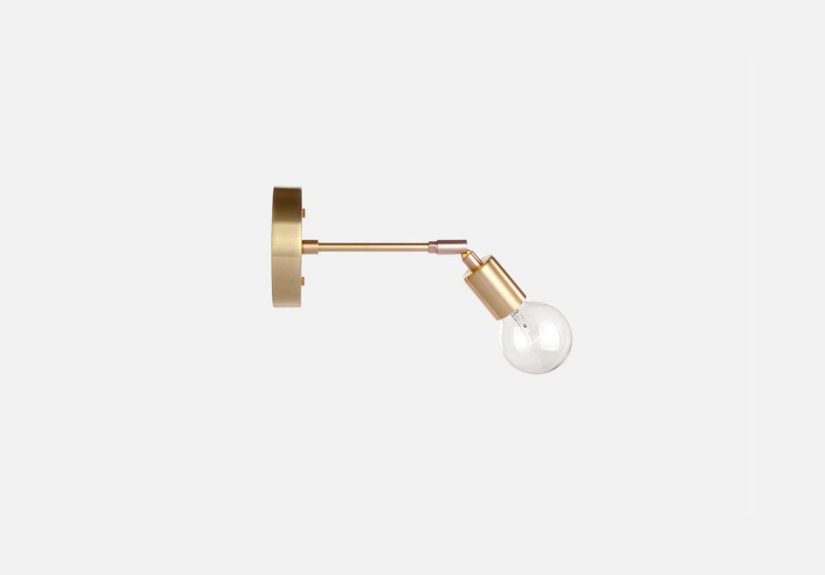
Short story: an extended adjustable articulating sconce is the wall light that does yoga. It stretches, pivots, and points light exactly where you want itover a favorite chair, across a kitchen prep zone, beside a bedthen folds away like a well-trained origami crane. Beyond good looks, the magic is in the mechanics: a long, jointed arm and a directional head that you can aim with precision for task or accent lighting.
What Exactly Is an “Articulating” or “Swing-Arm” Sconce?
Articulating (aka swing-arm or adjustable) sconces mount to a wall and feature one or more pivot points that let the arm extend outward and the head swivel or tilt. This flexibility gives you targeted illumination without claiming floor or tabletop real estateperfect for tight spaces or minimalist rooms. Premium lighting brands describe them as space-saving, highly positionable fixtures for reading nooks, bedsides, and home offices.
Where These Sconces Shine (Use Cases)
1) Bedside Reading Without the Nightstand Shuffle
Mount a pair on either side of the bed and you’ll get glare-free task light that doesn’t wake your partner. Aim the beam to the page, then tuck the arm back in. For reading comfort, a warm color temperature (around 2700K) is cozy; some designers bump to 3000K for slightly crisper text.
2) Small Home Office Superpower
Instead of crowding your desk with a big task lamp, slide an articulating sconce to the sidewall and swing it into place when you need focused lightthen retract. Avoid relying on a single lamp; layer ambient + task + accent lighting for comfort and productivity.
3) Kitchen and Utility Zones
Above a coffee station or prep shelf, an extended arm lets you spot-light the task, then swing away to free up headroom. Choose a moisture-appropriate rating (damp vs. dry) based on proximity to steam.
4) Galleries and Reading Corners
Angle the head to graze artwork or wash bookshelves. With dimming, the same fixture can shift from dramatic accent to functional reading light.
Key Specs That Actually Matter
Arm Length & Reach
“Extended” means reach. Look for two- or three-joint arms that project far enough to clear headboards, deep sofas, or wide counters. Multi-pivot designs let you pull light out and then fold it back tightlyhallmarks of an articulating sconce category.
Head Adjustability & Beam Control
For reading, you want a head that tilts and rotates so you can aim light slightly forward and downreducing glare and shadows. Narrower beams concentrate light where you need it; wider beams fill a corner with soft glow. As a rule of thumb, 200–300 lumens works for a tighter, focused reading beam; 500–800 lumens is better for broader, ambient wash.
Color Temperature (CCT) & CRI
In living spaces and bedrooms, 2700K feels warm and relaxing; 3000K reads cleaner and a touch brighternice in kitchens, bathrooms, and some office setups. Aim for high CRI (90+) if accurate color rendering matters (art, makeup, materials).
Dimming & Compatibility
Pair LED sconces with LED-rated dimmers to avoid flicker or buzz. Forward-phase (TRIAC) dimmers are common on residential circuits; some LED drivers prefer ELV (reverse-phase). Always match bulb/driver to dimmer and set the low-end trim during install.
Hardwired vs. Plug-In
Hardwired looks clean and feels permanent (ideal for owned homes or renovations). Plug-in sconces are renter-friendly and flexiblemove them, re-aim them, take them with you. Many décor pros recommend plug-ins when you can’t dictate junction box locations.
Location Ratings (Dry, Damp, Wet)
Check the listing. Dry-rated suits bedrooms and living rooms. Damp-rated fits steamy bathrooms or covered porches (no direct water). Wet-rated can take direct rain. Look for UL/ETL listings that specify where the fixture can go.
ADA Considerations for Hallways
In corridors and along accessible routes, sconces between 27″ and 84″ above the floor should project no more than 4″ from the wallor be mounted higher than 84″to keep paths clear. Recessing or careful placement solves deep-fixture conflicts.
Design Choices That Pay Off
Shade Materials
Metal shades tighten the beam and add drama; fabric shades diffuse light for softer ambience; opalescent glass provides a glow that’s equally at home in transitional and modern rooms. Choose finishes that echo existing hardware for cohesionmatte black for contrast, unlacquered brass for a lived-in patina.
Scale & Proportion
If the arm extends 20–30 inches, you’ll want a visually balanced backplate and shade so the fixture doesn’t feel “top-heavy.” Over a headboard, keep the shade edge about 8–12 inches above your eye level when sitting, and avoid placing the pivot where it collides with pillows.
Mounting Height & Spacing
General rules of thumb: mount bedside sconces so the light source sits roughly 60–66 inches above the floor (or at eye level when seated). In hallways, keep a consistent centerline height and repeat spacing for rhythm, then dim for evening softness. (Exact numbers vary by furniture height and shade type; adjust to your room.)
Buying Checklist (So You Pick the Right One the First Time)
- Reach & joints: Measure from wall to target point and ensure the arm fully covers that distance; look for multiple pivots for fine aiming.
- Head adjustability: Confirm tilt + rotation; a ball-joint is ideal for bedside reading.
- Light quality: Pick 2700K–3000K, 90+ CRI if possible.
- Lumens: 200–300 lm for focused reading; 500–800 lm for broader wash.
- Dimmer compatibility: Match the driver/bulb to an LED-rated TRIAC or ELV dimmer; set low-end trim.
- Power type: Decide hardwired vs. plug-in based on ownership, junction box location, and flexibility needs.
- Location rating: Verify UL/ETL dry, damp, or wet listing appropriate to the room.
- Clearance & ADA: In tight halls, keep projection ≤4″ or mount above 84″.
Installation Notes (Read Before You Drill)
Locate studs or use proper anchors. Even a slim sconce can exert leverage at full extension; secure the backplate well. Mind the cable slack for plug-ins so the arm can travel its full arc. Test the dimming range after wiring: run the dimmer from 0%–100% and check for flicker or dropout; adjust low-end trim if your dimmer supports it. Finally, align pairs with a laser level so swing arms sit mirror-true across a bed or built-ins.
Styling Ideas You’ll Actually Use
Modern Warmth
Matte black arm, opal glass shade, 2700K LED, on a dimmer. Use two in a living room: one over the end of a sofa for reading, the other angled to graze a textured plaster wall for night-in ambience.
Classic with Patina
Antique brass, pleated linen shade, 3000K lamp for crisper pages. Works with walnut nightstands and unlacquered pulls for a layered, collected look.
Minimal & Architectural
Long, double-jointed arm with a small metal shade and hidden cord management. Mount slightly higher and keep projection under 4″ in narrow hallways to meet accessibility guidelines.
Frequently Asked (Smart) Questions
How bright should my articulating sconce be for bedtime reading?
Target 200–300 lumens with a narrower beam aimed at the page; if the sconce doubles as ambient light, consider 500–800 lumens plus a dimmer.
What color temperature is best?
For bedrooms and living rooms, 2700K is the crowd-pleaser. If you like a cleaner lookor read fine print3000K can help without feeling harsh. Keep it consistent across the room.
Can I use one in a bathroom?
Yesif it’s damp-rated (or wet-rated where direct water is possible). Check the listing before mounting near showers or over steamy counters.
Hardwired or plug-inwhat’s right for me?
Hardwired is sleek and permanent; plug-in is renter-friendly and movable. If you can’t place a junction box exactly where you want it, a stylish plug-in solves the layout puzzle.
Conclusion
Extended adjustable articulating sconces are the Swiss-army knives of wall lighting. They put light exactly where you need it, retreat when you don’t, and scale across stylesfrom modern to traditionalwithout hogging space. Prioritize reach, aiming control, true dimming compatibility, and the right color temperature. Confirm location ratings for bathrooms and porches, and remember ADA projection limits in narrow paths. With those boxes checked, you’ll get a good-looking fixture that does real workday after day, chapter after chapter.
Real-World Experiences: Living With an Extended Adjustable Articulating Sconce
Aiming beats wattage. In a small apartment, I replaced a 1000-lumen floor lamp with a 300-lumen articulating sconce mounted just behind the sofa arm. Because the beam could tilt and rotate, the page brightness felt higher at lower output. The ability to “tuck” the light in close eliminated veiling reflections on glossy magazine paper. (That’s the hidden perk of articulation: control.)
Dimming matters more than you think. I tried a non-LED-rated dimmer first; the sconce buzzed at 30% and flickered near off. Swapping to an LED-compatible TRIAC dimmer and setting the low-end trim eliminated both issues. If you’re mixing brands (fixture + dimmer), check the driver notessome fixtures really prefer ELV.
Location ratings aren’t just legalese. Over a coffee bar, the first fixture looked great but was dry-rated; steam from the espresso machine made me nervous. The replacement: same silhouette, damp-rated, with a sealed shade fitter. Peace of mind is worth the spec-sheet read.
Plug-ins save renovations. In a rental, a plug-in articulating sconce with a cloth-covered cord and inline dimmer delivered a custom look without opening the wall. When I moved, it came with me. For homeowners mid-remodel, hardwiring still wins for invisible cords and resale polishbut don’t underestimate the styling power of a good-looking plug-in.
Mind the corridor. An extended arm is delightful until it meets a shoulder in a narrow hall. I mounted a deep sconce at 80″ oncetechnically within the danger zone. After learning ADA’s 4″ rule for projections between 27″ and 84″, I remounted it higher and never snagged a jacket again.
2700K vs. 3000K is about moodand furniture color. In a walnut-heavy den, 2700K made the wood glow and the room relax. In a white-oak kitchen with cool backsplash grout, 3000K felt cleaner without reading “blue.” Keeping one temperature across all evening-use fixtures kept the space cohesive.
Pairs must be twins. When flanking a headboard or credenza, order the pair at the same time to ensure identical finish sheen and shade translucency. Use a laser to align centerlines; even a 1/2″ mismatch becomes obvious when the arms extend to full reach.
Maintenance tip. Tighten pivot screws once or twice a year. Extended arms magnify tiny loosening into droop over time. If the head uses a set screw on a small ball joint, a cautious quarter-turn can restore the factory-fresh feelno gorilla torque needed.
Final thought. An extended adjustable articulating sconce is less a “fixture” and more a toolone you’ll aim, dim, and reposition constantly. When chosen with the right reach, rating, and dimming, it quietly solves daily life in a dozen little ways, from late-night chapters to early-morning espresso to a pop of gallery glow at dinner.