Table of Contents >> Show >> Hide
- What happened (and why the recall was a big deal)
- Which states were affected?
- Which eggs were recalled (brands, stores, and the “code language” on cartons)
- Salmonella and eggs: why outbreaks happen (even when your eggs look innocent)
- What to do if you bought eggs that might be part of the recall
- How egg recalls work (and why they can feel confusing)
- Egg safety going forward: practical habits that actually help
- Quick FAQ (because everyone asks these)
- Conclusion
- Experiences from the real world: what an egg recall feels like (and what people typically do next)
Eggs: reliable, affordable, and always there for youright up until they’re the star of a federal recall notice. In June 2025, the U.S. Food and Drug Administration (FDA) posted a major egg recall tied to a Salmonella Enteritidis outbreak. The recall involved 1,700,000 dozen eggs (that’s over 20 million individual eggs), shipped to stores in multiple states.
If you’re thinking, “Great, now my breakfast is a crime scene,” don’t panic. This guide breaks down what happened, which states were involved, how to check your carton using plant codes and Julian dates, what to do if you have the recalled eggs, and how to keep egg-based meals safer going forwardwithout turning your kitchen into a hazmat lab.
What happened (and why the recall was a big deal)
On June 6, 2025, August Egg Company (Hilmar, California) announced a voluntary recall of brown cage-free and brown certified organic eggs due to potential Salmonella contamination. The recall was associated with a multistate outbreak investigation. Early outbreak reports tied the eggs to dozens of illnesses and hospitalizations, and later updates documented a larger total impact before the investigation was officially closed.
Why does this matter? Because Salmonella isn’t just “a bad tummy day.” For some peopleespecially young kids, older adults, pregnant people, and anyone with a weakened immune systemit can become severe and require medical care.
Which states were affected?
There are two “state lists” people often mix up during recalls, so let’s make it simple:
1) States where the recalled eggs were distributed (where they were sold)
The recalled eggs were distributed to retail locations in these states:
- Arizona (AZ)
- California (CA)
- Illinois (IL)
- Indiana (IN)
- Nebraska (NE)
- New Mexico (NM)
- Nevada (NV)
- Washington (WA)
- Wyoming (WY)
2) States where illnesses were reported (where people got sick)
Outbreak investigations track where sick people live, which can differ from where a product was sold. Official outbreak reporting documented illnesses across multiple states and noted that the true number of cases is often higher than reported because many people recover without testing.
Bottom line: Even if you don’t live in one of the listed states, recall awareness still mattersespecially if you traveled, hosted guests, or bought groceries while out of state.
Which eggs were recalled (brands, stores, and the “code language” on cartons)
The recall covered brown cage-free and brown certified organic eggs sold under multiple brand names and in different carton sizes. Some were sold through regional grocery chains, and some were distributed to Walmart locations in several states.
Key identifiers to look for
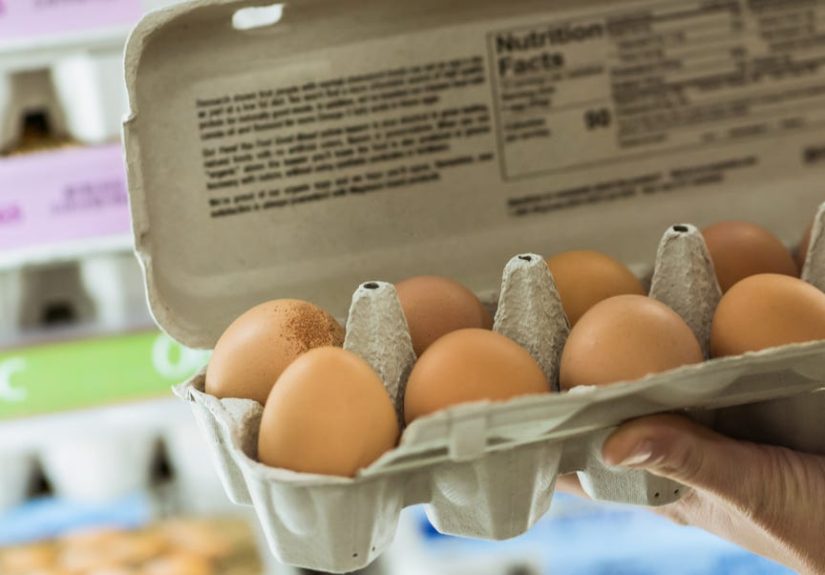
To check whether your eggs were part of the recall, you’d look for two things printed on the carton:
- Plant code: P-6562 or CA-5330
- Julian date range: a number between 32 and 126
What’s a Julian date? It’s a day-of-year code used in food production and packaging. Instead of “April 15,” it might show a number representing that day’s position in the year. It’s not meant to confuse you (even if it succeeds spectacularly). It’s meant to help trace products quickly during investigations.
Common retailers mentioned in distribution details
Distribution details included eggs sold at various retail locations, including regional grocery stores in California and Nevada, and Walmart locations across multiple states. If you regularly shop at a major chain, don’t assume you’re automatically affectedbut do assume it’s worth checking the carton code if you bought brown cage-free or organic brown eggs during the listed timeframe.
Examples of recalled products (brand + UPC)
Below is an easy scan list of examples associated with the recall. (There were also “loose” flats/cases without a UPCmore on that in a second.)
| Item (Examples) | Carton Size | Plant Code(s) | UPC (if applicable) |
|---|---|---|---|
| Clover Organic Large Brown | 12 eggs | P-6562 or CA-5330 | 070852010427 |
| First Street Cage Free Large Brown | Loose case (150 eggs) | P-6562 or CA-5330 | 041512039638 |
| Nulaid Medium Brown Cage Free | 12 eggs | P-6562 or CA-5330 | 071230021042 |
| Nulaid Jumbo Brown Cage Free | 12 eggs | P-6562 or CA-5330 | 071230021011 |
| O Organics Cage Free Large Brown | 6 eggs | P-6562 or CA-5330 | 079893401522 |
| O Organics Large Brown | 12 eggs | P-6562 or CA-5330 | 079893401508 |
| O Organics Large Brown | 18 eggs | P-6562 or CA-5330 | 079893401546 |
| Marketside Organic Large Cage Free Brown | 12 eggs | P-6562 or CA-5330 | 681131122771 |
| Marketside Large Cage Free Brown | 18 eggs | P-6562 or CA-5330 | 681131122795 |
| Raley’s Organic Large Cage Free Brown | 18 eggs | P-6562 or CA-5330 | 046567040295 |
| Simple Truth Large Brown Cage Free | 18 eggs | P-6562 or CA-5330 | 011110873743 |
| Sun Harvest Organic Cage Free Large Brown | 12 eggs | P-6562 or CA-5330 | 041512131950 |
| Sunnyside Large Brown Cage Free | 12 eggs | P-6562 or CA-5330 | 717544211747 |
About loose flats/cases: Restaurants, bakeries, and food service operations sometimes receive eggs in bulk flats or cases that may not have a consumer-style UPC. In those situations, the plant code and date markings become even more important for tracing product.
Salmonella and eggs: why outbreaks happen (even when your eggs look innocent)
Salmonella is a bacteria that can contaminate food and cause infection. Eggs are a known risk because contamination can occur:
- On the shell (from the environment)
- Inside the egg (in some cases, before the shell even forms)
- Through cross-contamination (raw egg touching hands, counters, utensils, or other foods)
Typical symptoms and timing
Many people with Salmonella infection develop symptoms like diarrhea, fever, stomach cramps, and sometimes nausea or vomiting. Symptoms often begin within a few days of exposure and many people recover in about a week, but severe illness can happenespecially for higher-risk groups.
When to get medical advice
If someone has severe symptoms (like dehydration, high fever, or symptoms that don’t improve), it’s smart to contact a healthcare providerespecially for young children, older adults, pregnant people, or anyone immunocompromised. A quick call can help you figure out whether testing, treatment, or extra monitoring is needed.
What to do if you bought eggs that might be part of the recall
Here’s the no-drama checklist. (Okay, minimal drama. We’re still talking about Salmonella.)
Step 1: Check your carton like a detective
- Find the printed code area on the carton.
- Look for P-6562 or CA-5330.
- Check the Julian date; if it falls between 32 and 126, treat it as potentially recalled.
Step 2: Don’t eat the eggs (and don’t “cook it extra” as a loophole)
Cooking eggs thoroughly reduces risk, but recall guidance is still to discard or return recalled products. The bigger issue is what happens along the way: raw egg contact with hands, sink surfaces, fridge shelves, utensils, and anything else your kitchen touches on a busy morning.
Step 3: Return or dispose safely
- Return the eggs to the place of purchase if possible (refund policies vary by retailer).
- If returning isn’t possible, discard them in a way that prevents other people or animals from accessing them.
Step 4: Clean and sanitize the “splash zone”
Egg handling can spread germs in ways you don’t notice. Clean and sanitize:
- Countertops and cutting boards
- Utensils, mixing bowls, and measuring cups
- Fridge shelves/drawers where the carton sat
- Your hands (before and after touching eggs)
How egg recalls work (and why they can feel confusing)
Most big recalls have a familiar cast of characters:
- Company recall: Often voluntary, initiated when contamination is suspected or linked to illness.
- FDA posting: The FDA publishes recall notices and provides identifiers so consumers can check products.
- CDC outbreak updates: The CDC tracks illnesses, hospitalizations, and outbreak status.
- Investigations: Traceback and lab methods (including genetic fingerprinting methods) help link illnesses to a food source.
One reason recall coverage can sound inconsistent is that numbers may change as investigations progress. Early reports reflect what’s known at the time; later updates can include additional cases, lab matches, and final totals once the investigation closes.
Egg safety going forward: practical habits that actually help
Even outside a recall, egg safety is about reducing risk without giving up brunch. These habits are simple and effective:
Store eggs cold and steady
- Keep eggs refrigerated promptly.
- Avoid leaving eggs sitting out for long periods.
- Store eggs in their carton (it helps reduce odor absorption and protects them).
Cook eggs thoroughly (especially for higher-risk groups)
- Cook eggs until yolks and whites are firm.
- Cook casseroles and egg dishes to a safe internal temperature (commonly cited guidance is 160°F for egg dishes).
Use pasteurized eggs for recipes that stay undercooked
Some recipes (like homemade Caesar dressing, tiramisu, or certain ice creams) call for raw or lightly cooked eggs. For those, using pasteurized egg products can reduce risk while keeping the recipe intact.
Prevent cross-contamination
- Wash hands before and after handling eggs.
- Keep raw egg away from ready-to-eat foods (salads, fruit, bread, etc.).
- Clean utensils and surfaces with hot, soapy water after contact.
Quick FAQ (because everyone asks these)
“My eggs are brown and organicshould I automatically throw them out?”
No. The recall identifiers matter more than the color or label. Check the plant code and Julian date. If they don’t match, they’re not part of this specific recall.
“Can’t I just hard-boil them and be fine?”
Thorough cooking reduces risk, but recall guidance is still to discard or return recalled eggs. The contamination risk isn’t only about what you swallowit’s also about what raw egg touches in your kitchen.
“What if I already ate them?”
Many people exposed to Salmonella won’t get sick, and many who do get sick recover. If symptoms developespecially severe symptomscontact a healthcare provider for advice, particularly for higher-risk individuals.
Conclusion
An egg recall can feel alarming because eggs show up everywherebreakfast, baking, sauces, and the “I have no groceries but I have eggs” emergency plan. The best response is simple: check your carton codes, follow recall guidance, clean the kitchen areas that may have had contact, and watch for symptoms if you’ve already eaten the product.
Recalls are also a reminder that food safety isn’t about fearit’s about habits. Cook egg dishes thoroughly, avoid raw egg recipes unless you’re using pasteurized products, and keep your kitchen clean enough that Salmonella doesn’t get a frequent-flyer account.
Experiences from the real world: what an egg recall feels like (and what people typically do next)
Let’s be honest: most people don’t experience recalls as a neat public health bulletin. They experience it as a chaotic moment standing in front of an open refrigerator, holding a carton like it’s about to start talking. If you’ve never dealt with a big recall, here are common “real life” situations people run intoand the practical moves that help.
The “I meal-prepped breakfast all week” experience
A lot of folks cook once and eat all week: hard-boiled eggs, egg muffins, breakfast burritos, you name it. When a recall hits, the first feeling is frustration: “I just became the CEO of Organization for five minutes, and now this?” In this situation, people typically do two things: (1) check whether the carton codes match the recall, and (2) if they do, they toss the prepared egg items too. It’s not because cooked eggs are guaranteed to make you sickit’s because it’s hard to be sure about handling and cross-contamination during prep (hands, counters, containers, fridge shelves). The most helpful follow-up is cleaning the storage containers and wiping down the fridge shelf where the eggs lived.
The “I run a small café” experience
For small restaurants and coffee shops, egg recalls are stressful because eggs move fast. A breakfast rush doesn’t leave much time for detective work. When recalls happen, owners and managers often shift into “inventory mode”: checking bulk flats/cases, contacting suppliers, and separating anything potentially affected so it doesn’t accidentally get used. Many kitchens also do a quick sanitation resetcutting boards, prep tables, utensils, and fridge handlesbecause high-volume cooking increases the chance of raw egg contact with surfaces. The most common lesson operators share is that having a written “recall checklist” saves time and reduces mistakes when everyone’s busy.
The “my kid eats eggs daily” experience
Parents and caregivers often take recalls personally because kids are more vulnerable to dehydration from stomach illnesses. The experience is usually a mix of worry and annoyance: “Why is the one food my child will eat involved in a recall?” In practice, families tend to switch to alternatives for a week or two (yogurt, oatmeal, nut butter toast) while they double-check cartons and shop for different brands. Many also become more cautious about egg donenesschoosing fully cooked scrambled eggs instead of runny yolksespecially for younger kids or anyone in the household with health concerns.
The “I bake for stress relief” experience
Bakers often discover recalls mid-recipe. Nothing says “inner peace” like realizing your cookie dough started with an egg you now need to investigate. When people are mid-bake, the typical next steps are: stop using the carton, set it aside, and check codes before continuing. If the eggs match the recall, most people discard the remaining eggs and clean the mixing area thoroughly. Many also decide to skip raw batter tasting (a tradition that is emotionally important, yes, but also a known risk). Some switch to pasteurized egg products for recipes where eggs might stay undercooked or where batter gets sampled.
The “I already ate itnow I’m spiraling” experience
This one is incredibly common. The moment you read “Salmonella,” your stomach will suddenly feel “weird,” even if you’re totally fine. People often monitor for symptoms for several days, stay hydrated, and pay attention to more serious warning signs (like dehydration or high fever). A calm, practical approach helps: most exposures won’t lead to severe illness, but if symptoms become intense or persistentespecially in high-risk individualsit’s reasonable to contact a healthcare provider for guidance.
Overall, the shared experience across households and businesses is the same: recalls are inconvenient, but they’re also actionable. A carton code check, a quick cleanup, and smarter cooking habits going forward go a long waywithout forcing you to break up with eggs forever.