Table of Contents >> Show >> Hide
- What Is a French Market Basket, Exactly?
- Why Everyone Fell for the French Market Basket
- Materials: Straw, Palm Leaf, Raffia, RattanWhat’s the Difference?
- How to Choose a Great French Market Basket
- How to Style a French Market Basket (Without Looking Like a Costume)
- How to Use a French Market Basket Beyond Shopping
- Care and Cleaning: Keep It Cute, Not Crusty
- Sustainability and Ethical Shopping: What “Better” Looks Like
- Where to Buy French Market Baskets in the U.S.
- FAQ: Quick Answers Before You Add One to Cart
- Experiences With French Market Baskets: The Little Moments That Make You a Convert
There are bags you carry, and then there are bags that carry a whole vibe. A French market basket is the second kind.
It’s the effortless, sun-drenched, “yes I totally buy my tomatoes at an open-air market” energywhether you’re
actually strolling through Provence or speed-walking through Trader Joe’s in sneakers.
The best part? This iconic woven basket isn’t just cute. It’s practical, breathable, surprisingly tough, and
versatile enough to go from farmers market to beach day to “I need something to throw towels in because company’s
coming over” in one smooth move. Let’s break down what a French market basket is, why it became a style staple,
how to choose a great one, and how to keep it looking charming instead of… crunchy.
What Is a French Market Basket, Exactly?
Traditionally called a panier de marché, a French market basket is a handwoven, open-top basketusually
made from natural plant fibers (think palm leaf, straw, raffia, or rattan)designed to carry produce and daily
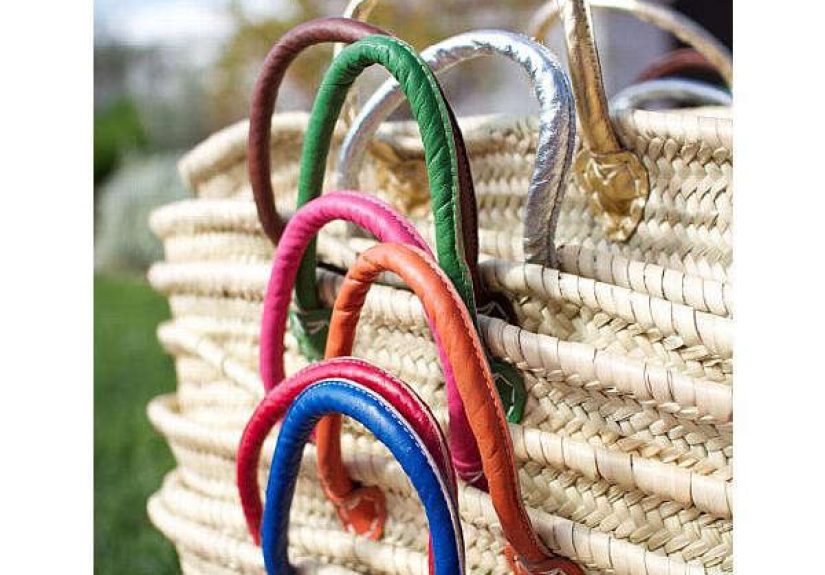
goods from local markets. The classic shape is slightly tapered, with sturdy handles (often leather) that can be
carried by hand or slung on the forearm.
In the U.S., “French market basket” often refers to a specific look: a structured woven tote with leather straps,
a reinforced rim, and that timeless rustic-meets-chic silhouette. Some modern versions are still made in or inspired
by rural French basket traditions, while many are woven by artisans in regions known for palm weaving, including
parts of North Africa, then sold worldwide as “French” style essentials.
Why Everyone Fell for the French Market Basket
1) It’s the rare accessory that’s both functional and fashionable
A good French market basket breathes (great for produce), holds its shape (no sad bag slump), and can take a
beating (weekend errands, sand, picnic blankets, you name it). But it still looks intentional, like you planned
your outfit instead of assembling it during a commercial break.
2) It’s tied to an iconic “French cool” fashion story
Basket bags gained major style momentum thanks to cultural style momentsmost famously the way Jane Birkin made a
wicker basket feel as natural as jeans and a white tee. Fashion media has kept the basket bag in regular rotation
ever since, with raffia and woven totes popping up on runways and in street style whenever warm weather returns.
3) It’s an “anti-trend” trend
The French market basket doesn’t beg for attention. It’s not screaming logos. It’s not trying to be the next
micro-bag that holds exactly one lip balm and your regrets. It’s quietly confidentlike it knows it has baguette
space and doesn’t need to prove anything.
Materials: Straw, Palm Leaf, Raffia, RattanWhat’s the Difference?
“Straw bag” gets used as a catch-all, but woven baskets vary a lot depending on fiber. Knowing the basics helps
you choose a basket that fits your lifestyle (and your patience level for maintenance).
Palm leaf
Many classic market baskets are woven from palm leaf fibers. Palm can be durable, structured, and relatively
forgiving for everyday hauling. It often creates that crisp, rustic weave that looks right at home with leather
handles.
Straw
Straw can be lightweight and pretty, but the term covers a wide range of plant fibers. Some straw weaves are tight
and sturdy; others are softer and more decorative. If you’re shopping in person, gently press the sideif it
collapses like a cheap cereal box, it may not be your forever basket.
Raffia
Raffia is popular in fashion-forward basket bags. It can feel a bit more “polished resort wear” than rustic market
tote, especially when paired with leather trim and structured silhouettes.
Rattan and wicker
Rattan and wicker styles can be gorgeous and architectural, but some can be more rigid and prone to cracking if
crushed in tight spaces. If you’re commuting or packing it into a car trunk like you’re playing Tetris, choose a
weave that can handle the chaos.
How to Choose a Great French Market Basket
Not all baskets are created equal. Some are artisan-made workhorses. Others are… decorative suggestions.
Here’s what to look for if you want a basket that lasts.
Check the weave density and structure
- Tight weave: Better at holding smaller items and resisting warping.
- Even tension: The basket should feel balanced, not lopsided or wavy.
- Reinforced rim: Helps keep the opening from stretching out over time.
Inspect the handles (because gravity is real)
- Leather thickness: Thin straps can crack or stretch under heavy loads.
- Secure attachment: Look for sturdy stitching, rivets, or reinforced tabs.
- Comfort: If you plan to carry it far, wider straps are kinder to shoulders and forearms.
Pick a size based on your actual life
Be honest with yourself. Are you a “grab a croissant and a bouquet” person or a “I accidentally bought eight
lemons and a watermelon” person?
- Small: Cute for daily essentials, coffee runs, and light shopping.
- Medium: The sweet spotfarmers market, picnic, errands, daily carry.
- Large: Beach towel champion, weekend-haul hero, and laundry runner in a pinch.
Think about add-ons
- Long shoulder straps: Helpful for commuting or travel days.
- Lining or pouch: Keeps keys and lip balm from playing hide-and-seek.
- Closure: A scarf tie or inner drawstring pouch can add security.
How to Style a French Market Basket (Without Looking Like a Costume)
The goal is “effortlessly chic,” not “I’m auditioning for a baguette commercial.” Luckily, the basket does most of
the work. Here are easy, modern ways to wear it.
Everyday casual
Jeans + white tee + sneakers + basket = the universal formula. Add sunglasses and you’re basically a walking
summer playlist.
Workday polish
If your office vibe is business casual (or “Zoom casual”), a medium basket works with linen trousers, a crisp
button-down, and minimal jewelry. Use an inner organizer pouch so you’re not digging for your badge like you lost
it in a haystack. (You did. It’s a straw bag.)
Beach and travel
A structured basket tote looks elevated compared to floppy beach bags. If you’re packing snacks, add a reusable
zip pouch so you don’t discover a loose granola bar crumb ecosystem later.
The scarf trick
Tie a scarf around the handle for color, personality, and a little extra grip. It’s also the easiest way to make
the same basket feel different all season.
How to Use a French Market Basket Beyond Shopping
French market baskets are basically the overachievers of the accessory world. They can also be:
- A picnic basket substitute: Throw in a blanket, a book, and snacks. Instant main character moment.
- A home storage solution: Towels, throw blankets, magazines, kids’ toyscontained, but cute.
- A gift basket upgrade: Fill it with goodies, and the container becomes part of the gift.
- A “car bag”: Keep reusable bags, sunscreen, and a water bottle ready to go.
Care and Cleaning: Keep It Cute, Not Crusty
Natural fibers are tough, but they’re not indestructible. The biggest enemies are excess moisture, harsh chemicals,
and being shoved into tight spaces like it owes you money.
Routine care (the low-effort kind)
- Shake out debris and dust it with a soft cloth or soft-bristled brush.
- Spot-clean with a barely damp cloth and mild soap if needed.
- Let it air-dry fully away from direct heat or intense sunlight.
Deeper cleaning (when life happens)
If your basket gets visibly dirty, use a gentle approach: a small amount of mild soapy water and minimal moisture.
Avoid soakingnatural fibers can warp, weaken, or develop mildew if they stay damp.
Mildew prevention and rescue
If the basket has been stored somewhere humid and you spot mildew, address it quickly. A light vinegar-and-water
solution can help, followed by thorough drying in a well-ventilated area. (Translation: don’t trap it in a dark
closet and hope for the best.)
Storage tips (so it keeps its shape)
- Store it upright when possible.
- Stuff it lightly with tissue paper to maintain shape.
- Keep it in a dry area; avoid basements and damp laundry rooms.
Sustainability and Ethical Shopping: What “Better” Looks Like
A French market basket can be a more sustainable choice than synthetic totesespecially when it’s made
from renewable plant fibers and you use it for years. But “natural” doesn’t automatically mean “ethically made,”
so it’s worth shopping with a little curiosity.
Signs of a more responsible basket
- Material transparency: Clear details like palm leaf, raffia, or straw (not vague “natural fiber”).
- Craftsmanship info: Where it’s made and who makes it (artisan co-ops, small workshops, etc.).
- Repairability: Leather handles that can be re-stitched or replaced extend the bag’s life.
The most sustainable basket is the one you actually useagain and againuntil it becomes your signature.
Bonus points if it reduces your reliance on single-use bags and holds up to real-world errands.
Where to Buy French Market Baskets in the U.S.
You’ll find French market baskets across a wide range of retailers, from artisan-focused shops to fashion editors’
seasonal picks. When shopping, prioritize construction and material details over buzzwords.
- Artisan and heritage-style baskets: Look for palm-leaf or straw baskets with reinforced rims and quality leather straps.
- Fashion-forward basket bags: Raffia and woven totes with leather trim show up regularly in summer collections.
- Secondhand gems: Vintage baskets can be incrediblejust inspect for brittleness, cracked fibers, and weakened handles.
FAQ: Quick Answers Before You Add One to Cart
Are French market baskets sturdy enough for groceries?
A well-made one, yesespecially with tight weaving and reinforced handles. For heavier loads, choose medium or
large and avoid ultra-soft decorative weaves.
Will it shed straw everywhere?
Some natural shedding can happen early on, especially with rougher fibers. A quality basket with a tight weave and
finished edges sheds less. If it’s shedding like a golden retriever in summer, it may be poorly finished.
How do I keep small items from falling out?
Use a canvas pouch, a zip organizer, or even a scarf tied across the opening. Many people keep keys, wallet, and
lip balm in a small pouch so the basket stays charming instead of chaotic.
Can I bring it to the beach?
Absolutely. Just keep it as dry as possible, shake out sand afterward, and avoid leaving it in direct sun for long
stretches (heat + dryness can make fibers brittle over time).
Experiences With French Market Baskets: The Little Moments That Make You a Convert
If you’ve never owned a French market basket, it’s easy to assume it’s “just another cute bag.” Then you try one
for a week and suddenly it’s everywhere with youlike that one friend who’s down for brunch, errands, and an
impromptu road trip.
One of the most common first experiences is the farmers market test. You start with good intentions: “I’ll just
pick up some berries.” Ten minutes later, you’ve added heirloom tomatoes, a loaf of sourdough, fresh herbs, and a
bouquet that makes you feel like you live in a Nancy Meyers movie. A breathable basket is genuinely useful here:
delicate produce doesn’t get steamed in a plastic bag, and the structured shape makes it easier to carry than a
floppy tote that swings into your shins like it’s mad at you.
Then there’s the beach day reality check. A French market basket feels instantly elevatedmore “coastal chic” than
“I brought a reusable grocery bag and I’m pretending that was on purpose.” You toss in sunscreen, a paperback,
sunglasses, and a towel. If you’re smart (or you’ve learned the hard way), you add a small zip pouch so your keys
don’t migrate to the deepest corner of the basket like they’re trying to start a new life. The basket looks great
in photos, sure, but the real win is that it holds its shape and keeps your stuff from turning into a crumpled
pile.
Another surprisingly satisfying experience is using the basket at home. People often start by setting it down “for
a second” and then realize it solves a problem: blankets that never stay folded, towels that need a prettier home,
or that random corner where life’s clutter gathers like it’s paying rent. A woven basket adds texture and warmth,
which is why it shows up so often in home styling. It’s storage, but make it charming.
Travel brings its own set of basket-bag stories. A structured woven tote can be fantastic for car trips and
weekend getawayseasy to toss in and grab. For air travel, though, many people discover a key truth: rigid baskets
don’t love being squished under airplane seats. If you’re flying, you’ll want either a smaller basket, a style
with slightly more flexibility, or a backup foldable tote tucked inside (like a responsible adult… who still wants
cute accessories).
And finally, there’s the unexpected confidence boost. A French market basket has a funny way of making ordinary
errands feel more intentional. It’s not magic. It’s just a well-designed object that’s both useful and beautiful.
When you carry something that looks like it belongs in a sunlit street market, you’re more likely to stop for
fresh flowers, pick the better peaches, and romanticize your day just a little. Honestly? That’s a valid form of
self-care.