Table of Contents >> Show >> Hide
- What are gallstones, and why do some people need surgery?
- Types of gallstones surgery
- Before gallstones surgery: how to prepare
- What to expect during gallbladder removal surgery
- Recovery timeline after gallstones surgery
- Aftercare and lifestyle tips
- Long-term outlook after gallbladder removal
- Real-life experiences: what gallstones surgery is really like
Hearing the words “you need gallbladder surgery” can be a little terrifying. One minute you just think you’ve got bad heartburn after pizza night, and the next you’re Googling “gallstones surgery” at 2 a.m. But here’s the good news: gallbladder removal is one of the most common and well-understood surgeries in modern medicine, and most people go on to live completely normal lives afterward.
In this guide, we’ll walk through the main types of gallstones surgery, what actually happens on the day of your operation, how long recovery usually takes, and what aftercare looks like in real lifenot just in a brochure. We’ll also talk about lifestyle tips, possible side effects, and when you should call your doctor.
This article is for general education only and can’t replace medical advice from your own healthcare team. Always follow the specific instructions given by your surgeon or specialist.
What are gallstones, and why do some people need surgery?
Your gallbladder is a small, pear-shaped organ tucked under your liver. Its main job is to store bilea digestive fluid produced by the liver that helps break down fats. Sometimes, the components of bile (like cholesterol, bile salts, or bilirubin) can crystallize and form hard deposits called gallstones.
Gallstones can be tiny like grains of sand or large like a golf ball. Many people have “silent” gallstones that never cause trouble. The problem starts when stones block the gallbladder or bile ducts, leading to symptoms such as:
- Sudden, intense pain in the upper right or middle abdomen
- Pain that may spread to the back or right shoulder
- Nausea or vomiting
- Fever or chills (a red flag for infection)
- Yellowing of the skin or eyes (jaundice)
For people with recurring pain, inflammation, infection, or complications like pancreatitis, surgical removal of the gallbladder (cholecystectomy) is considered the most reliable long-term treatment. Medications to dissolve stones or shock-wave treatments are rarely used and are far less effective.
Types of gallstones surgery
When people talk about “gallstones surgery,” they’re usually referring to surgery to remove the gallbladder. However, there are a few different approaches, plus additional procedures to clear stones from the bile ducts.
Laparoscopic cholecystectomy (keyhole surgery)
Laparoscopic cholecystectomy is the current gold standard and the most common type of gallbladder removal surgery. It’s a minimally invasive procedure performed using:
- Several small incisions (usually 3–4 tiny cuts) in your abdomen
- A camera (laparoscope) that sends images to a screen
- Long, thin instruments that your surgeon uses to remove the gallbladder
During the operation, your abdomen is gently filled with gas to create space. The surgeon carefully clips and cuts the cystic duct and artery, removes the gallbladder, and then closes the small incisions with stitches or surgical glue.
Benefits of laparoscopic surgery typically include:
- Smaller scars
- Less pain after surgery
- Shorter hospital stay (often same-day or overnight)
- Faster return to normal activities, usually within 1–2 weeks for many people
Single-incision laparoscopic surgery
In some centers, a newer variation uses one incision (often hidden in the belly button) instead of several. While this can mean fewer visible scars, it requires a highly experienced surgeon and isn’t available everywhere. Some guidelines note that long-term benefits over standard laparoscopy are still being studied.
Open cholecystectomy
An open cholecystectomy uses a single larger incision in the upper right abdomen. This approach is less common now but may be necessary if:
- Your gallbladder is severely inflamed, scarred, or infected
- There is unusual anatomy or a high risk of damaging the bile ducts
- There are complications during laparoscopic surgery and your surgeon decides it’s safer to convert to open
Recovery from open surgery is longer. Many people need several days in the hospital and 4–6 weeks before they feel fully back to normal.
ERCP and procedures for bile duct stones
Sometimes gallstones travel out of the gallbladder and lodge in the common bile duct. This can cause jaundice, severe pain, or pancreatitis. In those cases, doctors often use a procedure called ERCP (endoscopic retrograde cholangiopancreatography) to locate and remove stones from the ducts.
ERCP is not the same as gallbladder surgeryit uses a flexible tube passed through your mouth into the intestines. Tiny tools can open the bile duct and remove stones. ERCP may be done:
- Before laparoscopic cholecystectomy
- During the same hospital stay as surgery
- Occasionally during surgery, with special instruments
For many patients, the combination of ERCP plus gallbladder removal in one stage or in close sequence offers a complete solution to both gallbladder and duct stones.
Before gallstones surgery: how to prepare
Your surgical team will give you detailed instructions, but here’s what typically happens in the days or weeks before surgery:
Preoperative evaluation
- Review of your medical history and medications
- Physical exam
- Blood tests to check liver function, blood counts, and clotting
- Imaging such as ultrasound, CT, or MRCP to confirm stone location and rule out complications
If you have conditions such as diabetes, heart disease, or lung disease, your doctors may coordinate to optimize these before surgery to reduce your risk.
Medication and lifestyle adjustments
- Your team may ask you to stop blood thinners or certain supplements ahead of time.
- If you smoke, quitting several weeks before surgery lowers the risk of breathing problems and wound complications.
- You may be advised to avoid very heavy or fatty meals that trigger pain episodes before surgery.
The night before and day of surgery
You’ll usually be asked not to eat or drink for several hours before anesthesia (your surgeon will give specific times). On the day of surgery:
- You check in at the hospital or surgical center.
- An IV line is started for fluids and medications.
- You meet your anesthesia team, who will put you safely to sleep under general anesthesia.
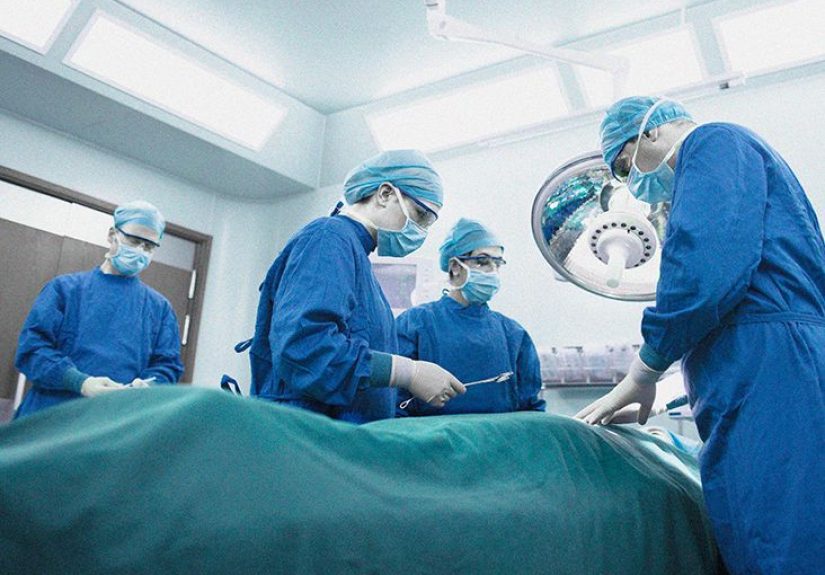
What to expect during gallbladder removal surgery
The exact details vary, but a straightforward laparoscopic cholecystectomy often follows this pattern:
- Anesthesia: You’re fully asleep and won’t feel pain or remember the procedure.
- Incisions: The surgeon makes several small cuts in your abdomen.
- Camera and instruments: The abdomen is gently inflated with gas, and the camera plus tools are inserted.
- Gallbladder removal: The surgeon separates the gallbladder from the liver and clips the duct and artery, then removes the organ.
- Closure: The gas is released and the small incisions are closed.
In many cases, the procedure takes about 60–90 minutes. Open surgery can take a bit longer and involves a larger incision but follows the same basic steps inside the abdomen.
After surgery, you’ll wake up in a recovery area where nurses monitor your breathing, blood pressure, and pain level. Once you’re stable, you either go home the same day or stay overnight, depending on your health and how the surgery went.
Recovery timeline after gallstones surgery
Everyone heals at their own pace, but here’s a general idea of what recovery can look like.
First 24–72 hours
- Mild to moderate pain around the incisions and sometimes in the shoulder (from the gas used during laparoscopy)
- Feeling groggy or tired from anesthesia
- Mild nausea or bloating
- Small dressings over the incision sites
Walking short distances as soon as you’re able is encouragedit helps prevent blood clots and gets your bowels moving again.
First 1–2 weeks
For most people after laparoscopic surgery:
- Pain steadily improves and may be controlled with over-the-counter medications, as your doctor allows.
- Many patients feel ready to return to desk work or light duties after about 1–2 weeks.
- Driving is usually allowed once you’re off strong pain medications and can safely perform an emergency stopalways confirm with your surgeon.
If you had open surgery, expect a slower recovery. You may need several weeks before you feel comfortable with regular activities, and heavy lifting is often restricted for 4–6 weeks or longer.
Digestive changes after surgery
Without a gallbladder, bile flows directly from the liver into the small intestine instead of being stored and released in bursts. Most people digest food normally after some time, but in the short term you might notice:
- Loose stools or mild diarrhea, especially after fatty meals
- More urgent trips to the bathroom
- Bloating or gas
These symptoms usually improve within weeks to a few months. In a small number of people, long-term diarrhea can occur, and your doctor may suggest diet adjustments or medications.
Aftercare and lifestyle tips
Incision and wound care
- Keep the area clean and dry as instructed.
- Follow your surgeon’s guidance on when you can shower (often within a day or two) and when to avoid bathing, swimming, or hot tubs.
- Watch for signs of infection, such as increasing redness, warmth, pus-like drainage, or worsening pain at the incision.
Activity and exercise
- Light walking is usually encouraged from day one.
- Avoid lifting anything heavy (often more than 10–15 pounds) for at least 1–2 weeks after laparoscopy and longer after open surgery.
- Strenuous exercise, core workouts, or contact sports should wait until your surgeon clears you.
Diet after gallstones surgery
There’s no single “gallbladder removal diet,” but many people feel best when they:
- Start with small, light meals soon after surgery
- Limit very greasy, fried, or high-fat foods for the first few weeks
- Gradually reintroduce more variety as tolerated
- Focus on lean proteins, whole grains, fruits, and vegetables
If certain foods consistently trigger diarrhea or cramping (for example, very fatty or spicy meals), it may help to reduce those or spread fat intake more evenly throughout the day.
When to call your doctor or seek urgent care
Contact your healthcare team or seek emergency care if you notice:
- Fever or chills
- Severe abdominal pain that gets worse instead of better
- Yellowing of the skin or eyes (jaundice)
- Persistent vomiting or inability to keep fluids down
- Red, swollen, or draining incision sites
- Shortness of breath, chest pain, or sudden leg swelling
These could be signs of infection, bile leak, blood clots, or other complications that need prompt evaluation.
Long-term outlook after gallbladder removal
For most people, gallbladder removal is a one-and-done solution. Once the gallbladder (where most stones form) is gone, the risk of another gallstone attack drops dramatically.
Many people:
- Return to regular work and daily life
- Eat a normal, varied diet
- Experience relief from previous gallstone pain
A small number of people may experience ongoing digestive symptoms or new pain after surgery. This is sometimes called “postcholecystectomy syndrome,” and it may be related to bile duct issues, sphincter of Oddi dysfunction, or other causes. If symptoms persist or worsen, follow up with your doctor for further evaluation.
Real-life experiences: what gallstones surgery is really like
Medical websites are great for statistics and timelines, but they don’t always answer the question people secretly care about: What does this actually feel like? While every person’s journey is unique, many patients describe some common themes around gallstones surgery, recovery, and aftercare.
The emotional side: from fear to relief
Before surgery, it’s normal to feel anxiousespecially if it’s your first major procedure. Some patients worry about anesthesia, others obsess over work time-off or childcare. Many people also have a “why me?” moment, especially if they’re young or thought they were living a healthy lifestyle.
Interestingly, a lot of patients say their biggest relief comes not on the operating table, but on the day they realize that the sharp, crushing upper-abdominal pain they used to get just doesn’t come back. Those intense nighttime attacks that sent them to the ER or pinned them to the couch after a heavy meal typically vanish once the gallbladder and stones are gone.
Pain and fatigue: what people commonly report
After laparoscopic surgery, most people describe the pain as “sore and tight” rather than unbearable. The shoulder-tip pain from the gas can be surprisingly annoying, but walking around, changing positions slowly, and using prescribed pain medications usually help. Many patients notice their energy is low for a week or twoeven if their incisions look tiny. Your body is using a lot of energy to heal on the inside, so it’s normal to feel wiped out after simple tasks.
People who’ve had open surgery often report a tougher recovery. The larger incision can make it harder to cough, laugh, or get out of bed, and they may need more help at home initially. That said, many still feel it’s absolutely worth it once the acute gallbladder attacks are gone.
Real-world diet experiments
On paper, you might read “avoid fatty foods” and assume you’ll never see a cheeseburger again. In reality, a lot of patients slowly test their limits. One person might tolerate grilled chicken and olive oil just fine but notice that a double cheeseburger sends them running to the bathroom. Another person may discover that portion size matters more than the specific foodhalf a serving of ice cream is okay, but a giant bowl is not.
Many people find it helpful to:
- Introduce heavier foods in small amounts and see how their body reacts
- Keep a simple food diary for a few weeks to spot patterns
- Carry a mental “backup plan” in case a meal doesn’t sit well (like knowing where a restroom is, or choosing lighter menu options when eating out)
Practical tips patients often share
People who’ve “been there” often recommend:
- Prepare your home: Set up a comfortable resting spot with pillows, chargers, water, light snacks, and your medications within easy reach.
- Plan for help: Arrange for someone to drive you home and stay with you the first day or two. If you have kids or pets, plan help for lifting and chasing them.
- Respect your limits: Even if the incisions look small, listen to your body. If folding laundry makes you exhausted on day three, that’s okay. Healing is not a race.
- Ask questions: Before surgery, write down questions about work, exercise, sex, driving, and travel, so you can get clear, personalized answers from your surgical team.
- Normalize the experience: Remember that gallbladder removal is one of the most common operations performed. You’re not alone, and your care team has guided many people through the same process.
Over time, most people say gallstones surgery becomes just one chapter in their health storya chapter they’re pretty happy to close. With good preparation, realistic expectations, and thoughtful aftercare, many are able to move on with fewer emergency room visits, fewer sleepless nights, and a lot less mystery pain in the upper right side of their abdomen.
As always, discuss your specific situation, risks, and recovery plan with your own healthcare provider. They know your medical history, test results, and personal needsand can help you navigate each step of gallstones surgery, from first consultation to full recovery.