Table of Contents >> Show >> Hide
- What Is Genital Herpes?
- HSV-1 vs. HSV-2: Same Family, Different Habits
- How Genital Herpes Spreads (Even When You Don’t See Anything)
- What Does Not Cause Genital Herpes?
- Risk Factors for Getting Genital Herpes
- How Your Body Reacts: Primary vs. Recurrent Infection
- How Do You Know Which Virus You Have?
- Reducing the Risk of Transmission
- Emotional Side Effects: The Part No One Warns You About
- Real-Life Experiences and Lessons Learned (500-Word Extension)
- Conclusion: Understanding Causes, Reducing Blame
Hearing the words genital herpes for the first time can feel like your brain just blue-screened.
Take a breath. You’re not alone, you’re not “dirty,” and you definitely haven’t broken your body. Genital herpes is
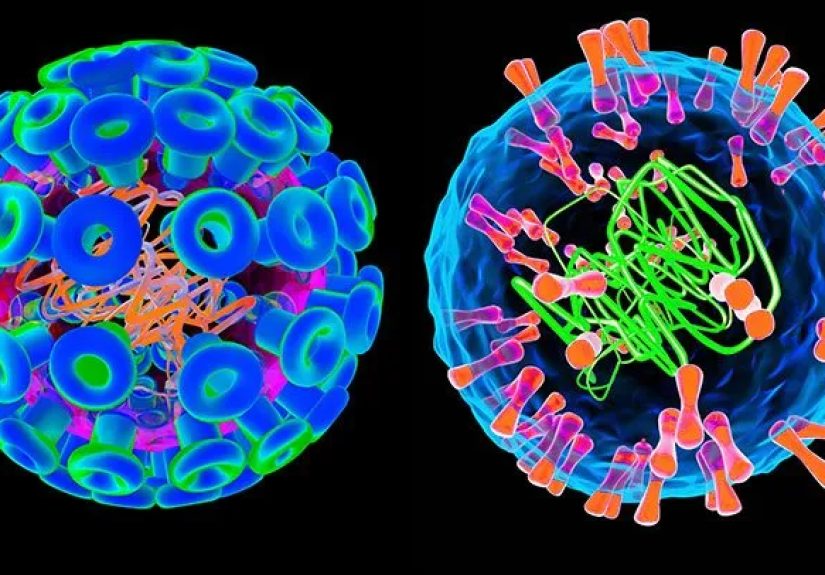
one of the most common viral infections on the planet, and it’s usually caused by one of two tiny troublemakers:
herpes simplex virus type 1 (HSV-1) and herpes simplex virus type 2 (HSV-2).
In this guide, we’ll break down what actually causes genital herpes, why both HSV-1 and HSV-2 can be involved,
how the virus spreads (even when everything looks totally normal), and what real people experience when they
learn they have it. Expect clear explanations, a bit of gentle humor, and zero judgment.
Quick reminder: This article is for education, not a substitute for medical advice. Always talk with a healthcare professional about your own situation.
What Is Genital Herpes?
Genital herpes is a sexually transmitted infection (STI) caused by the herpes simplex virus. There are two main types:
- HSV-1: Traditionally linked with cold sores around the mouth.
- HSV-2: Traditionally linked with sores around the genitals or anus.
The key twist? Both types can infect either area. That means HSV-1 can cause genital herpes and
HSV-2 can show up around the mouth. The virus likes warm, moist, thin skin and mucous membranes such as the lips,
mouth, genitals, anus, and nearby areas.
Once herpes enters the body, it travels along nerve pathways and sets up a long-term residence. It doesn’t stay
active all the time; instead, it “wakes up” periodically, sometimes causing outbreaks, and sometimes shedding
silently with no visible symptoms at all.
HSV-1 vs. HSV-2: Same Family, Different Habits
HSV-1: The cold sore pro that sometimes goes traveling
HSV-1 has been known for years as the cold sore virus. Many people catch it in childhood through
nonsexual contact like kissing relatives or sharing utensils. In adulthood, though, HSV-1 often joins the dating
scene via oral sex. When someone with oral HSV-1 gives oral sex, the virus can spread from the mouth to the genital area.
Because of that, a growing percentage of genital herpes infectionsespecially in younger peopleare caused
by HSV-1, not HSV-2. Once HSV-1 settles in the genital area, it behaves a bit differently than HSV-2:
- It often causes a noticeable first outbreak with painful blisters or sores.
- Over time, recurrences are usually less frequent than with genital HSV-2.
- It can still shed without symptoms and still be passed to partners.
HSV-2: The genital specialist
HSV-2 is more strongly associated with genital infections. It’s usually spread through vaginal, anal,
or oral sex with someone who has HSV-2 on or around their genitals, even when they don’t see any sores.
In the genital area, HSV-2 tends to:
- Cause a higher rate of recurrent outbreaks than genital HSV-1.
- Be more likely to shed silently between outbreaks.
- Spread more efficiently from penis to vagina than the other way around.
Both HSV-1 and HSV-2 are lifelong once acquired, but they are manageable. Antiviral medications, safer-sex strategies,
and open communication with partners help reduce symptoms and transmission risk.
How Genital Herpes Spreads (Even When You Don’t See Anything)
The important thing to understand about herpes causes is that we’re really talking about
how the virus moves from one person to another. There’s no mystery toxin, bad hygiene, or cursed towel involved.
The virus needs skin-to-skin or mucous membrane contact to spread.
1. Skin-to-skin contact during sexual activity
Genital herpes is most commonly spread through:
- Vaginal sex
- Anal sex
- Oral sex (mouth-to-genital or mouth-to-anus)
- Genital-to-genital rubbing, even without penetration
When the virus is active on the skin (during an outbreak or silent shedding), it can move across very small breaks
in the skin or mucosabreaks you can’t see or feel.
2. Asymptomatic shedding: The stealth mode
One of the big reasons genital herpes is so common is asymptomatic shedding. The virus can be present on the skin
and contagious even when there are:
- No visible sores
- No tingling, burning, or itching
- No signs at all that anything is happening
Many people learn they have herpes only after giving it to or getting it from a partner who had no idea they were infected.
3. Oral-to-genital and genital-to-oral transmission
Because both HSV-1 and HSV-2 can infect either site, the virus can travel in multiple directions:
- Someone with oral HSV-1 can pass it to a partner’s genitals during oral sex.
- Someone with genital HSV-2 can pass it to a partner’s mouth during oral sex.
This is why understanding the cause of genital herpes today means understanding both HSV-1 and HSV-2 and the role of oral sex, not just “traditional” intercourse.
4. Transmission during childbirth
In rare cases, a mother with an active genital herpes infection can pass the virus to her baby during vaginal birth.
This is called neonatal herpes, and it can be serious. Obstetric care providers typically screen and manage
pregnant patients with known herpes to reduce this risk, sometimes using antiviral medication or recommending a C-section if needed.
What Does Not Cause Genital Herpes?
Let’s clear up some myths. Genital herpes is not caused by:
- Toilet seats
- Swimming pools or hot tubs
- Casual contact like hugging or sitting next to someone
- Sharing office chairs, gym equipment, or doorknobs
The virus is fragile outside the body and doesn’t survive well on surfaces. It needs direct contact with
skin or mucous membranes to spread. So yes, you can keep going to the gym.
Risk Factors for Getting Genital Herpes
Anyone who is sexually active can get herpes, but some factors increase the chance of catching HSV-1 or HSV-2 genitally:
- Having multiple sexual partners, especially without barrier protection.
- Having a partner with known oral or genital herpes, particularly if they are not on suppressive therapy and outbreaks are frequent.
- Unprotected oral, vaginal, or anal sex, especially during an active outbreak.
- A history of other STIs, which may signal networks or behaviors that increase exposure.
- Weakened immune system, which can make infection and recurrence more likely.
There are also demographic patterns: in large population studies, HSV-2 infections are more common in people who have been
sexually active longer and tend to be slightly more common in women and people with vaginas, likely because
male-to-female transmission is more efficient than female-to-male.
How Your Body Reacts: Primary vs. Recurrent Infection
When HSV-1 or HSV-2 first enters the body, the immune system is like, “Excuse me, what is this?” That first encounter is called the
primary infection. It may cause:
- Painful blisters or ulcers around the genitals, anus, thighs, or buttocks
- Swollen lymph nodes in the groin
- Flu-like symptoms such as fever, fatigue, and body aches
After the initial infection, the virus goes into a resting phase in nearby nerve clusters. Later on, it may reactivate,
leading to recurrent outbreaks. These are usually:
- Shorter and milder than the first episode
- Preceded by tingling, burning, or itching in the area
- More frequent with genital HSV-2 than with genital HSV-1
What causes reactivation? Common triggers include:
- Illness or fever
- Stress and fatigue
- Hormonal shifts (for example, menstruation)
- Skin irritation or friction
These triggers don’t “cause” herpes from scratch; they just awaken a virus that’s already living in the body.
How Do You Know Which Virus You Have?
Because both HSV-1 and HSV-2 can cause genital symptoms, the only way to be sure which one is involved is through
medical testing. A clinician may:
- Take a swab from a fresh sore for viral testing (often using PCR to detect HSV DNA).
- Order a blood test that looks for type-specific antibodies to HSV-1 and HSV-2.
Knowing whether your genital herpes is caused by HSV-1 or HSV-2 can help predict:
- How often outbreaks might occur.
- How much silent shedding is likely.
- How best to manage risk for partners and pregnancy.
Reducing the Risk of Transmission
While you can’t undo an HSV infection, you can absolutely reduce the risk of spreading genital herpes:
- Use condoms or internal condoms during vaginal, anal, and oral sex. They don’t cover every inch of skin, but they help.
- Consider daily antiviral medication (suppressive therapy) if recommended by your clinician; it can significantly reduce outbreaks and shedding.
- Avoid sex during outbreaks or when you notice warning signs like tingling or burning.
- Talk openly with partners so you can make decisions together about protection and testing.
None of these strategies are perfect, but together they can dramatically lower the chance of transmission.
Emotional Side Effects: The Part No One Warns You About
When people say “herpes,” they’re often not talking about the virus itselfthey’re talking about the stigma.
Many folks experience:
- Shock or panic after diagnosis
- Shame or fear of rejection
- Worry about dating, relationships, or fertility
The reality is that herpes is:
- Common
- Manageable
- Not a sign of being reckless, dirty, or unworthy
Understanding the true causes of genital herpesHSV-1 and HSV-2, plus normal human intimacyhelps replace shame with facts.
And facts are a lot easier to live with.
Real-Life Experiences and Lessons Learned (500-Word Extension)
To really understand genital herpes and its causes, it helps to step away from lab results and think about what actual
people go through. The virus may be microscopic, but the feelings around it are very, very human.
Imagine someone in their late 20s who has been in a “mostly” monogamous relationship for a while. They notice a strange,
painful cluster of blisters near the genital area. At first, they think it’s a razor burn or maybe a reaction to new soap.
When the pain gets worse, they finally see a healthcare provider and hear the words, “This looks like herpes.”
The swab test later confirms HSV-2. The person’s very first thought? “Who cheated?” That’s a common reactionbut not always a fair one.
Because HSV-2 can be silent for months or even years, it’s entirely possible that one partner had the virus long before
the relationship and never knew. The diagnosis sometimes reveals a virus, not a betrayal. Learning that genital herpes is often
caused by asymptomatic shedding helps couples shift from blame to problem-solving: How do we move forward? What precautions
feel right for us?
Now picture someone else who has never had genital symptoms, but gets frequent cold sores. They’ve always thought of HSV-1
as “no big deal” because they caught it as a kid. Years later, they give oral sex to a partner without realizing that an almost-healed
cold sore can still shed virus. A week or two later, their partner notices genital sores and is diagnosed with herpes caused by HSV-1.
Both people are stunnedmostly because they never knew that oral HSV-1 can cause genital herpes through normal, consensual,
enjoyable sex.
These stories highlight an important truth: herpes doesn’t just spread in “high-risk” situations. It often shows up in ordinary,
loving, low-drama relationships. The cause is not a wild lifestyle; it’s simply the biology of HSV and how efficiently it can
move from skin to skin.
Over time, many people with genital herpes describe a kind of emotional arc. At first there’s fear and Googling at 2 a.m.
Then, after learning about HSV-1 and HSV-2, that intense fear often cools into frustration (“Seriously? For life?”) and
eventually into acceptance (“Okay, this is annoying, but manageable.”).
People also learn that disclosure doesn’t always go badly. Many report that when they share their status honestlyoften explaining
which virus they have, how genital herpes spreads, and what they’re doing to reduce riskpartners respond with empathy, curiosity, or
even a casual “That’s it?” The idea that “no one will ever want me” slowly gets replaced with something more realistic:
“Some people won’t be comfortable, and that’s okay; the right people will stay.”
There are also practical lessons. Folks quickly discover that recognizing early signstingling, mild burning, or a familiar achelets them
start antiviral medication sooner and adjust sexual activity to protect partners. They learn their own triggers: late nights, major work
stress, illness, or friction from intense sex. Understanding these patterns helps them feel more in control, even though the virus remains.
Ultimately, most people with genital herpes caused by HSV-1 or HSV-2 do what humans always do with inconvenient realities: they adapt.
They take medication if needed, communicate better with partners, explore pleasure that doesn’t rely on penetrative sex during higher-risk
times, and keep living their lives. The virus becomes one aspect of their health, not the headline of who they are.
When you understand that genital herpes is caused by very common viruses, spread through very normal forms of intimacy,
it gets easier to trade shame for knowledge. You didn’t do anything uniquely terrible to “deserve” HSV-1 or HSV-2.
You’re just humanand humans share more than we realize.
Conclusion: Understanding Causes, Reducing Blame
At its core, genital herpes is caused by two extremely common viruses, HSV-1 and HSV-2, plus the reality that humans
like kissing, touching, and having sex. The virus spreads mainly through skin-to-skin contact and asymptomatic shedding,
not because someone is “dirty” or careless.
Learning how HSV-1 and HSV-2 behavewhere they live, how they spread, and what triggers outbreakshelps you protect yourself and your partners.
With safer-sex practices, honest conversations, and medical support when needed, genital herpes becomes something to manage, not something
that defines you.
If you think you may have genital herpes or have questions about your risk, the best next step is to talk with a healthcare professional.
You deserve clear answers, real information, and compassionate care.





If you think you may have genital herpes or have questions about your risk, the best next step is to talk with a healthcare professional.