Table of Contents >> Show >> Hide
- What Is Gluten, Exactly?
- Gluten Foods List: The Main Foods to Avoid
- 1. Bread, Rolls, Bagels, and Baked Goods
- 2. Pasta, Noodles, Couscous, Bulgur, and Dumplings
- 3. Breakfast Cereals and Granola
- 4. Crackers, Pretzels, Snack Mixes, and Breaded Snacks
- 5. Pizza, Sandwich Wraps, and Fast Casual “I’ll Just Grab Something” Foods
- 6. Beer, Ale, Lager, and Malt Beverages
- 7. Soups, Gravies, Sauces, and Marinades
- 8. Processed Meats and Meat Alternatives
- 9. Fried Foods and Shared Fryers
- 10. Candy, Ice Cream, and Desserts with Add-Ins
- 11. Oats That Are Not Labeled Gluten-Free
- 12. Hidden Ingredient Names That Signal Gluten
- Foods That Are Usually Safe on a Gluten-Free Diet
- How to Read Labels Without Losing Your Mind
- Common Mistakes People Make When Avoiding Gluten
- A Simple Gluten Foods List You Can Screenshot in Your Brain
- Real-Life Experiences With Avoiding Gluten
- Conclusion
If gluten were a movie villain, it would be the one hiding in plain sight: in sandwich bread, yes, but also in soy sauce, soup, veggie burgers, candy, and that innocent-looking “healthy” granola bar smiling at you from the pantry. For people with celiac disease, non-celiac gluten sensitivity, or a medically advised gluten-free diet, knowing what to avoid is not a trendy wellness hobby. It is daily detective work with higher stakes than most grocery trips deserve.
This guide breaks down the most common gluten foods, the sneaky ingredients that often slip under the radar, and the real-life mistakes that can turn “probably safe” into “why does my stomach hate me?” By the end, you will have a practical gluten foods list, smarter label-reading habits, and a much clearer idea of what belongs in the cart and what should stay on the shelf.
What Is Gluten, Exactly?
Gluten is a group of proteins found in wheat, barley, rye, and crossbreeds like triticale. It helps dough stretch, rise, and hold together, which is fantastic for bread and less fantastic for anyone who has to avoid it. Gluten can also appear in processed foods as a thickener, stabilizer, flavoring component, or filler, which is why it pops up in places where no one expects it.
If you think celiac disease may be the reason you react to gluten, do not start a gluten-free diet before talking with a doctor. Testing is usually more accurate while you are still eating gluten. In other words, do not erase the evidence before the investigation begins.
Gluten Foods List: The Main Foods to Avoid
Here is the practical part: the foods most likely to contain gluten and the categories that deserve your full attention.
1. Bread, Rolls, Bagels, and Baked Goods
This is the obvious group, but it still deserves top billing. Most traditional baked goods are made with wheat flour, which means gluten is baked right in. That includes:
- White bread and whole wheat bread
- Bagels, buns, biscuits, and dinner rolls
- Muffins, croissants, donuts, and pastries
- Cookies, brownies, cakes, cupcakes, and pies
- Pancakes, waffles, and many baking mixes
If it came from a bakery case and looks fluffy, flaky, chewy, or suspiciously perfect, gluten is usually involved.
2. Pasta, Noodles, Couscous, Bulgur, and Dumplings
Traditional pasta is usually made from wheat. That includes spaghetti, macaroni, ravioli, lasagna sheets, ramen, egg noodles, and many frozen noodle dishes. Couscous is not a tiny magical grain from a gluten-free dream; it is typically made from semolina wheat. Bulgur is also wheat. Dumpling wrappers, wonton skins, and many gnocchi products can contain gluten too.
Plenty of gluten-free alternatives exist now, including pasta made from rice, corn, chickpeas, lentils, quinoa, or a gluten-free flour blend. The safe swap exists. The label still matters.
3. Breakfast Cereals and Granola
Many cereals contain wheat, barley malt, or both. Granola can be tricky too, especially when it includes oats that are not certified gluten-free. A cereal may look healthy, fiber-rich, and deeply committed to your well-being, then betray you with barley malt flavoring.
Watch out for:
- Wheat flakes and bran cereals
- Malted cereals
- Granola with conventional oats
- Breakfast bars and cereal bars
4. Crackers, Pretzels, Snack Mixes, and Breaded Snacks
Crackers, pretzels, goldfish-style crackers, breadsticks, and many snack mixes are usually wheat-based. Even snacks made from corn or potatoes can be a problem if they use wheat starch, malt vinegar, flavor coatings, or are manufactured with gluten-containing ingredients.
That means chips and fries are not automatic winners. Seasonings, coatings, and shared fryers can all create trouble.
5. Pizza, Sandwich Wraps, and Fast Casual “I’ll Just Grab Something” Foods
Pizza crust is generally a gluten parade. So are flour tortillas, sandwich wraps, paninis, flatbreads, and many grab-and-go lunch items. Even when a restaurant offers a gluten-free crust or bun, cross-contact can still happen on shared prep surfaces, cutting boards, ovens, and utensils.
For someone avoiding gluten strictly, “gluten-free option available” is not the same thing as “safe in practice.”
6. Beer, Ale, Lager, and Malt Beverages
Most regular beer is made with barley and is not gluten-free. Malt beverages are also a problem. Wine, distilled spirits, and hard ciders may be safer choices in many cases, but flavored or premixed drinks still deserve a label check.
If a beverage contains malt, assume caution is required. Malt is one of the classic gluten plot twists.
7. Soups, Gravies, Sauces, and Marinades
This is where gluten gets sneaky. Many soups, gravies, cream sauces, and marinades use wheat flour as a thickener. Soy sauce is another major source because traditional versions usually contain wheat. Even salad dressings, barbecue sauces, and stir-fry sauces can include gluten-containing ingredients.
Common offenders include:
- Canned soups and dry soup mixes
- Brown gravy and cream-based sauces
- Soy sauce and teriyaki sauce
- Marinades and seasoning blends
- Salad dressings with malt vinegar or thickeners
8. Processed Meats and Meat Alternatives
Plain meat, poultry, and fish are naturally gluten-free. The problem starts when they are breaded, marinated, seasoned, shaped, or processed. Deli meats, meatballs, sausage, hot dogs, imitation crab, frozen meat patties, and pre-seasoned meats can all contain gluten.
Vegetarian and vegan products need extra scrutiny. Veggie burgers, meatless crumbles, fake chicken, and seitan-based foods often rely on wheat or gluten-containing binders to create texture. Seitan, in fact, is basically concentrated wheat gluten. It is the least subtle food on this list.
9. Fried Foods and Shared Fryers
A plain French fry should be simple. Potatoes, oil, salt, end scene. But real life laughs at simple. Fries may be coated, seasoned, or fried in the same oil as breaded chicken, onion rings, or mozzarella sticks. That shared fryer can turn a naturally gluten-free food into a cross-contact problem.
The same issue applies to tortilla chips, hash browns, and restaurant sides. Ask how the food is prepared, not just what the ingredients are.
10. Candy, Ice Cream, and Desserts with Add-Ins
Not all sweets contain gluten, but many do. Cookie pieces, brownie chunks, wafer layers, malt flavoring, licorice, and crunchy toppings can all bring gluten into desserts. Ice cream may be fine in one flavor and not in the next. Frozen yogurt, milkshakes, and candy bars also deserve a label scan.
In short, dessert is not the time to get overconfident.
11. Oats That Are Not Labeled Gluten-Free
Oats themselves do not naturally contain gluten, but they are often grown, transported, or processed near wheat, barley, and rye. That makes cross-contact common. If you avoid gluten strictly, conventional oats are risky. Choose oats specifically labeled or certified gluten-free, and if you have celiac disease, ask your clinician or dietitian whether oats fit your plan.
12. Hidden Ingredient Names That Signal Gluten
Some labels do not scream “contains wheat” in giant dramatic letters. Instead, they whisper in ingredient-list code. Red-flag words include:
- Barley
- Rye
- Triticale
- Malt, malt extract, malt syrup, malt flavoring, malt vinegar
- Brewer’s yeast
- Semolina
- Durum
- Farina
- Graham flour
- Spelt
- Farro
- Bulgur
- Couscous
Also remember this important label-reading rule: a package that does not say “contains wheat” is not automatically gluten-free. Barley and rye are not required to be called out the way wheat often is, so the full ingredient list matters.
Foods That Are Usually Safe on a Gluten-Free Diet
Now for the pleasant part. A gluten-free diet is not built only on specialty bread that costs the same as a concert ticket. Many everyday foods are naturally gluten-free:
- Fresh fruits and vegetables
- Plain beans, lentils, nuts, and seeds
- Eggs
- Plain meat, poultry, and seafood
- Milk, yogurt, and cheese without gluten-containing add-ins
- Rice, corn, quinoa, buckwheat, millet, sorghum, and teff
- Potatoes and sweet potatoes
- Certified gluten-free oats
These foods are often cheaper, more nutritious, and less confusing than heavily processed gluten-free substitutes. They also help you avoid a common trap: buying packaged gluten-free foods that are low in fiber and vitamins while being oddly proud of how expensive they are.
How to Read Labels Without Losing Your Mind
Label reading gets easier once you know the rhythm.
Look for a Gluten-Free Claim
In the United States, foods labeled “gluten-free” must meet FDA rules. That does not mean the food is automatically healthy, but it does mean the gluten content must meet the regulatory standard.
Check the Ingredient List
Do not stop at the front of the package. Flip it over and read the actual ingredients. Watch for wheat, barley, rye, malt, brewer’s yeast, and the wheat-family words listed above.
Watch for Cross-Contact Clues
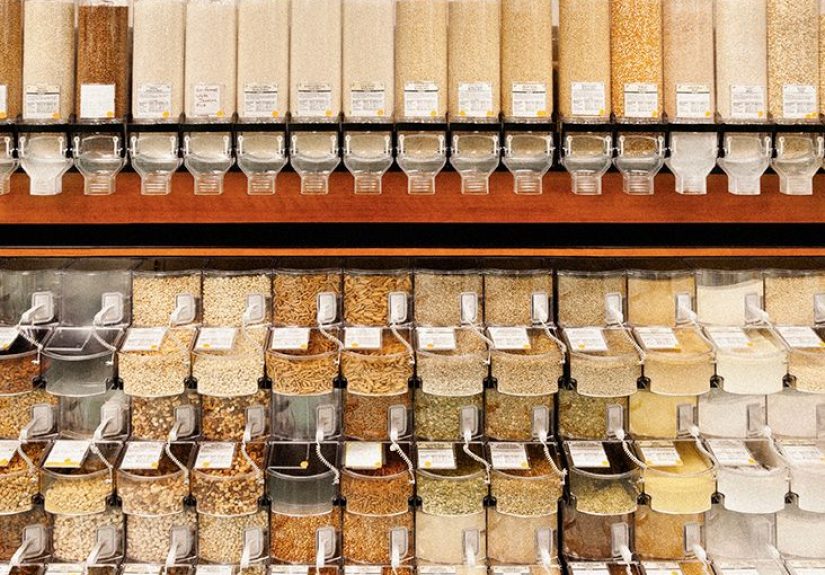
Shared equipment, shared fryers, bakery counters, buffets, and bulk bins can all create risk. Gluten-free bread toasted in the same toaster as regular bread is not a tiny problem. It is a crumb-based ambush.
Do Not Assume “Natural” Means Safe
Natural, organic, wholesome, artisanal, ancient, handcrafted, and kissed by moonlight are not gluten-free terms. A label can sound saintly and still contain barley malt.
Common Mistakes People Make When Avoiding Gluten
Assuming Wheat Is the Only Problem
Gluten avoidance is not just “no bread.” Barley and rye matter too, and they show up in places many people miss.
Trusting Restaurants Too Quickly
A gluten-free menu can be helpful, but preparation matters just as much as ingredients. Ask about fryers, cutting boards, pizza ovens, pasta water, and utensils.
Living on Packaged Gluten-Free Treats
Yes, gluten-free cookies are allowed to exist. No, they should not become your personality. A balanced diet still matters, especially since some gluten-free products can be lower in fiber and certain nutrients.
Going Gluten-Free Before Testing
If celiac disease is a possibility, talk with a healthcare professional before cutting gluten out. Starting too early can interfere with testing and make diagnosis harder.
A Simple Gluten Foods List You Can Screenshot in Your Brain
Avoid or double-check these categories first:
- Bread, bagels, muffins, pastries, cookies, cakes
- Regular pasta, ramen, couscous, bulgur, dumplings
- Most traditional pizza crusts and wraps
- Beer and malt beverages
- Breakfast cereals with wheat or barley malt
- Crackers, pretzels, breaded snacks
- Soups, gravies, soy sauce, marinades, dressings
- Processed meats, imitation seafood, veggie burgers, seitan
- Conventional oats
- Anything breaded, battered, or fried in shared oil
- Foods with malt, brewer’s yeast, semolina, farina, spelt, or triticale
Real-Life Experiences With Avoiding Gluten
The experience of learning what to avoid is usually less like a neat checklist and more like accidentally joining a very specific survival game. The first grocery trip after deciding to avoid gluten can feel weirdly emotional. You pick up your usual cereal, your usual crackers, your usual soy sauce, and suddenly none of them are your usual anything anymore. People often say the hardest part is not giving up bread itself. It is discovering how many ordinary products depend on wheat, barley, or hidden gluten ingredients to do their job quietly in the background.
A lot of the frustration shows up in restaurants. Someone orders a salad because that sounds safe, only to learn the dressing has soy sauce or the crispy toppings contain wheat. Another person orders fries, then finds out they share oil with breaded chicken. Someone else proudly asks for a gluten-free pizza crust and then gets it sliced with the same cutter used on regular pizzas all night. These experiences are exhausting, but they also teach one important lesson fast: ingredients matter, and kitchen practices matter too.
Family gatherings can be another adventure. At a cookout, the burger itself may be fine, but it gets placed on the same platter as regular buns. At Thanksgiving, the turkey may be safe until gravy gets poured over everything like a well-meaning gluten waterfall. Relatives often say things like, “But it only has a little flour,” which is the kind of sentence that makes someone avoiding gluten smile politely while screaming internally.
Travel adds a whole new level. Airport snacks can be hit or miss. Gas station food is a gamble. Hotel breakfasts often look abundant until you realize the options are toast, muffins, cereal, waffles, and one lonely banana trying its best. Many people who avoid gluten eventually become excellent planners. They carry backup snacks, read menus before arriving, ask direct questions, and keep a short list of reliable brands. It is not glamorous, but it beats being hungry or sick.
There is also a learning curve at home. Shared toasters, wooden spoons, flour dust, condiment jars with bread crumbs, and bulk bins all become part of the conversation. At first, this can feel like too much. Then routines develop. You get a separate toaster. You label the peanut butter. You keep gluten-free pasta in one cabinet and your safe sauces in another. Over time, what felt high-maintenance starts to feel normal.
The encouraging part is that most people get much better at this faster than they expect. They learn which foods are naturally safe, which labels are trustworthy, and which restaurants are worth returning to. They stop mourning every bakery window and start building meals around foods that are simple and naturally gluten-free: rice bowls, tacos on corn tortillas, roasted potatoes, grilled fish, eggs, fruit, chili, soup made from scratch, and grain bowls with quinoa. The early stage feels like losing a map. The later stage feels like drawing a new one, with fewer surprises and better snacks.
Conclusion
A good gluten foods list is not just a catalog of forbidden carbs. It is a tool for making everyday food choices with less confusion and a lot more confidence. The main gluten culprits are wheat, barley, rye, malt, and foods made from them, but the real challenge comes from processed foods, sauces, restaurant meals, and cross-contact. Once you learn the patterns, the diet becomes far more manageable.
Start with the big categories, read labels carefully, choose naturally gluten-free foods often, and never assume a product is safe just because it looks healthy or lacks a wheat warning. Gluten has a talent for showing up where nobody invited it. Fortunately, you now know how to spot it before it crashes dinner.