Table of Contents >> Show >> Hide
- Step 1: Figure Out What Kind of Water Problem You Have
- Here’s Who to Call (Based on What You’re Seeing)
- Call a landscape drainage contractor or experienced landscaper for: pooling, soggy lawn, and runoff control
- Call a plumber for: suspected pipe leaks, sump pump issues, sewer/septic warning signs
- Call a foundation waterproofing / basement drainage pro for: wet basements, crawl space moisture, foundation seepage
- Call a civil engineer for: complex grading, multi-property drainage, permitting-heavy or “this could be a lawsuit” scenarios
- Call a landscape architect for: drainage fixes that must also look great (and function for years)
- Call an excavation or grading contractor for: heavy earthmoving and reshaping the yard
- Call your city/county stormwater office (or HOA) for: street runoff, easements, and “where is this water supposed to go?”
- What Pros Usually Recommend (And Why It Works)
- Regrading: get the slope working for you, not against you
- Downspout extensions and solid drain lines: move roof water to a better exit
- Swales and dry creek beds: guide water where you want it
- French drains: intercept and redirect water underground
- Catch basins and yard drains: collect water at the surface, then pipe it away
- Dry wells: store water temporarily, let it soak in slowly
- Rain gardens: a beautiful solution that drinks runoff
- DIY vs. Pro: A Quick Reality Check
- Questions to Ask Before You Hire Anyone
- Safety and Rules You Shouldn’t Ignore
- Conclusion: Match the Pro to the Problem
- Real-World Yard Drainage Experiences (The Stuff People Learn the Hard Way)
If your yard turns into a splash pad every time it rains, you’re not “bad at lawn.”
You’re dealing with physics, soil, gravity, and (occasionally) a gutter system that’s basically waterboarding your foundation.
The good news: most drainage problems are fixable. The trick is calling the right probefore you spend money on the wrong fix,
like installing a fancy French drain when your downspout is dumping Niagara Falls two feet from your house.
This guide breaks down who to call for yard drainage problems, how to diagnose what’s going on,
what solutions typically work, and what questions to ask so you don’t end up paying for “a vibe” instead of a real plan.
Step 1: Figure Out What Kind of Water Problem You Have
1) Surface water (the “my lawn is a sponge” situation)
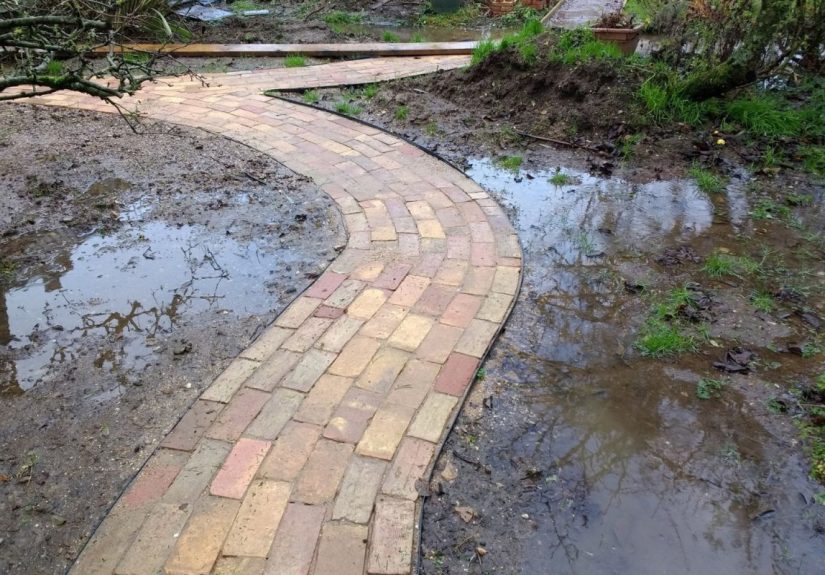
Surface water problems usually look like puddles, soggy patches, muddy ruts, or runoff streams carving mini-canyons through your mulch.
Often, the causes are simple: low spots, compacted soil, poor grading, or too much hardscape shedding water into one sad corner.
Sometimes it’s a neighbor’s slope sending water your way (thanks, gravity).
2) Roof runoff (the “my gutters are aiming at my house” situation)
Gutters and downspouts are supposed to move water away from the foundation.
But if downspouts are short, clogged, or discharging onto flat ground, the water can pool near the home, saturate soil,
and creep toward basements and crawl spaces.
3) Plumbing or sewer/septic issues (the “this puddle feels suspicious” situation)
If standing water shows up when it hasn’t rained, smells funky, won’t drain, or coincides with slow drains inside,
you may have a broken water line, sewer line trouble, or septic/drainfield concerns.
That’s no longer a landscaping-only conversation.
4) Subsurface groundwater (the “my yard is a wetland now” situation)
High water tables, springs, or hillside seepage can keep areas wet long after rain ends.
These issues can be harder because you’re not just moving wateryou’re managing where it wants to live.
Here’s Who to Call (Based on What You’re Seeing)
Call a landscape drainage contractor or experienced landscaper for: pooling, soggy lawn, and runoff control
If the problem is mostly outsidestanding water in the yard, soil erosion, water flowing toward the house,
or low spots that never drystart with a landscape contractor who specializes in drainage.
They’re typically the ones who install solutions like regrading, swales, dry creek beds, catch basins, yard drains, dry wells,
and many French drain systems.
Best fit: surface water problems, poor grading, soggy turf, runoff management, and aesthetic-friendly fixes
(the kind that look intentional instead of “I buried a pipe and prayed”).
Call a plumber for: suspected pipe leaks, sump pump issues, sewer/septic warning signs
If you suspect the problem involves a water supply line, sewer line, septic system, or sump pump,
a licensed plumber is the right first call.
Landscaping fixes won’t help if an underground pipe is leaking or if a drainage line is collapsed.
Best fit: mysterious wet spots during dry weather, sewage odors, gurgling drains, backups, or sump pump failure.
Call a foundation waterproofing / basement drainage pro for: wet basements, crawl space moisture, foundation seepage
If your yard drainage problem is now a house problemwater in the basement, damp crawl space, musty odors, visible seepage
talk to a foundation waterproofing specialist.
They often combine exterior drainage improvements with perimeter drainage systems, sump solutions, and moisture control strategies.
Best fit: water intrusion through foundation walls, chronic basement dampness, and situations where exterior grading alone
won’t cut it.
Call a civil engineer for: complex grading, multi-property drainage, permitting-heavy or “this could be a lawsuit” scenarios
When drainage affects multiple properties, involves retaining walls, significant changes in elevation, or you need stamped plans for permits,
a civil engineer can design a drainage plan and help you avoid expensive mistakes.
Think of this as moving from “yard project” to “site engineering.”
Best fit: major drainage rework, conflicts with neighbors, municipal drainage interactions,
or anything that needs formal design documentation.
Call a landscape architect for: drainage fixes that must also look great (and function for years)
If you’re already planning a patio, walkway, outdoor kitchen, or full yard redesign, a landscape architect
can incorporate drainage into the design so water flows where it should, without turning your yard into a trench museum.
They’re especially helpful when you want a “system,” not a patch.
Call an excavation or grading contractor for: heavy earthmoving and reshaping the yard
Some fixes require moving a lot of soilcorrecting slope near the house, filling low areas, building swales,
or installing subsurface drainage runs over long distances.
A grading/excavation contractor can do the muscle work, ideally guided by a drainage-smart landscape pro or engineer.
Call your city/county stormwater office (or HOA) for: street runoff, easements, and “where is this water supposed to go?”
If water is coming from a road, storm drain, shared swale, or ditch, your local municipality may need to confirm what’s public vs. private,
what you’re allowed to connect to, and what permits are required. HOAs may also have rules about altering drainage patterns.
What Pros Usually Recommend (And Why It Works)
Regrading: get the slope working for you, not against you
Proper grading helps water flow away from the home instead of toward it.
This can be as small as correcting a low spot near the foundation or as big as reshaping the yard’s overall drainage path.
Downspout extensions and solid drain lines: move roof water to a better exit
Sometimes the “yard drainage problem” is actually a “downspout dumps too close” problem.
Extensions or buried solid pipes can carry roof runoff to an area that drains wellor to an approved discharge point.
Swales and dry creek beds: guide water where you want it
A swale is a shallow, gently sloped channel that moves runoff without needing underground pipe everywhere.
Done well, it can look like a natural landscape feature (a dry creek bed with stone is basically a swale wearing a nice outfit).
French drains: intercept and redirect water underground
French drains are trenches with gravel and (often) a perforated pipe designed to collect and move water away from problem areas.
They’re commonly used when water collects in a low area, when runoff needs a controlled route, or when soil near the house stays oversaturated.
The key is correct slope, correct placement, and a discharge location that actually makes sense.
Catch basins and yard drains: collect water at the surface, then pipe it away
If water consistently gathers in a specific spot, a yard drain or catch basin can act like a “floor drain for the outdoors,”
collecting water and routing it to a safer outlet or infiltration area.
Dry wells: store water temporarily, let it soak in slowly
A dry well is essentially an underground holding area filled with rock or a manufactured chamber that allows water to infiltrate
into the surrounding soil over time. It can be a great match for downspouts and surface drains when your soil can absorb water at a decent rate.
Rain gardens: a beautiful solution that drinks runoff
Rain gardens are planted depressions designed to capture stormwater from roofs, driveways, and lawns and let it soak into the ground.
They can reduce runoff and add habitat, all while looking like you planned it that way from the start.
(The official name is “stormwater management.” The vibe is “my yard is thriving.”)
DIY vs. Pro: A Quick Reality Check
You can DIY if:
- The fix is small and shallow: adding downspout extensions, improving gutter flow, aerating compacted soil, minor regrading in a garden bed.
- You can clearly see where water starts and where it should go.
- You can do it without altering drainage onto a neighbor’s property.
Call a pro quickly if:
- Water flows toward your foundation or you have basement/crawl space moisture.
- The drainage issue spans multiple areas or properties.
- You need major grading, long trench runs, or any retaining structure.
- You suspect plumbing/sewer/septic involvement.
Questions to Ask Before You Hire Anyone
Smart questions (that separate experts from “I own a shovel”)
- What do you think is the main source of the water? (Roof runoff, surface flow, groundwater, plumbing?)
- Where will the water discharge? (And is that discharge allowed and safe?)
- How will you prevent clogs and maintenance headaches? (Cleanouts, accessible inlets, filter fabric strategy, etc.)
- Will this change drainage onto neighboring properties? (If yes, stop and rethink.)
- Can you show photos of similar projects you’ve done? Real examples beat big promises.
Red flags
- They recommend a solution before asking where water comes from.
- They can’t explain where the water will go in a heavy storm.
- They suggest connecting to municipal drainage without checking rules or permits.
- They dismiss calling 811 before digging.
Safety and Rules You Shouldn’t Ignore
Call 811 before you dig
Any trenching, drain installation, or serious digging should start with contacting 811 so buried utilities can be marked.
Even “small projects” can hit lines that are shallow or unexpectedand that’s a fast way to turn a drainage project into a neighborhood blackout.
Don’t “solve” your problem by gifting it to your neighbor
Redirecting water onto adjacent property can create disputes and may violate local rules.
A good plan moves water to a lawful, appropriate outlet or infiltration area on your property (or an approved connection).
Check local requirements before connecting to municipal systems
If you want to connect a drain to a municipal, county, or state drainage systemor discharge into a creek or waterway
contact local authorities first. In many places, that’s regulated for good reasons.
Conclusion: Match the Pro to the Problem
Yard drainage fixes aren’t one-size-fits-all. If it’s surface water and soggy lawn chaos, start with a drainage-savvy landscaper.
If it smells weird, shows up in dry weather, or your house plumbing is acting up, call a plumber.
If your foundation is getting wet, call a waterproofing/foundation pro.
And if the project is complex, multi-property, or permit-heavy, a civil engineer can keep the solution legit and long-lasting.
Most importantly: don’t wait until “a little puddle” becomes “a very expensive basement remodel.”
Water always winsunless you make a better plan.
Real-World Yard Drainage Experiences (The Stuff People Learn the Hard Way)
Homeowners tend to describe yard drainage problems in three emotional stages: (1) mild annoyance, (2) bargaining,
and (3) acceptanceusually right after they lose a shoe to mud.
The stories are different, but the patterns repeat, and they’re surprisingly useful when you’re deciding who to call.
One common scenario goes like this: a backyard low spot holds water for days, grass dies, and mosquitoes throw a block party.
The homeowner tries “more topsoil” (which becomes “more mud”), then considers a French drain because it sounds fancy.
A good drainage-focused landscaper will usually pause and ask: Where is the water coming from?
In many cases, the culprit is roof runofftwo downspouts dumping into the same low corner.
The fix isn’t a dramatic trench network; it’s extending or piping the downspouts to a better discharge point,
then lightly regrading the low spot. The lesson: the best solution often starts at the roofline, not the lawn.
Another frequent experience is the “mystery wet patch” that appears even during dry weeks.
People assume it’s groundwater or “bad soil,” but the wet area stays oddly consistent in shape and location.
That’s when a plumber earns their keep. Underground supply leaks can saturate soil quietly and continuously,
and no amount of landscaping will stop it because the water source never shuts off.
If you’re seeing wet ground without rainfallor you notice a sudden spike in your water billtreat it like a plumbing investigation first.
Then there’s the “my patio became a reflecting pool” problem.
Hardscape looks clean until it’s installed without proper pitch or without a plan for where runoff goes.
Homeowners often call a landscaper after the fact, but the strongest outcomes come when drainage is built into the design from day one.
In a renovation, a landscape architect (or a very experienced design-build contractor) can incorporate subtle slope,
channel drains, and permeable materials so water moves away naturally.
The takeaway: drainage isn’t just pipesit’s geometry.
The most stressful stories usually involve water reaching the home: damp basements, musty crawl spaces,
and stains that show up after heavy storms. People sometimes chase yard fixes for months,
only to discover the home needs a more comprehensive approachgrading improvements, better downspout routing,
and foundation drainage or sump strategies. Foundation waterproofing pros tend to look at the whole system:
surface flow, subsurface collection, and what happens during the worst rain, not the average rain.
The lesson: once water is inside, you need a plan that treats the yard and the foundation as one ecosystem.
Finally, there’s the neighbor factor. Homeowners often notice water flowing from a higher property,
a driveway, or a street that sheds runoff into their yard. It’s tempting to build a berm and hope for the best,
but drainage changes can affect others and can trigger local rules.
In complicated casesespecially where multiple properties are involvedbringing in a civil engineer can be the smartest move.
Not because the problem is “too fancy,” but because the solution needs to be defensible, permitted if required,
and designed so it doesn’t create a new downstream mess. The big takeaway: the bigger the consequences,
the more you want a documented plan.
If you’re reading this while staring at a puddle the size of a kiddie pool, here’s the encouraging part:
the best drainage fixes usually come from calm observation. Watch where water starts during rain,
where it travels, and where it gets stuck. Then call the pro whose job matches that reality.
Your yard can absolutely be dry againand you can keep your shoes.