Table of Contents >> Show >> Hide
- What Is a Hernia?
- Common Types of Hernia
- What Causes a Hernia?
- Symptoms: What a Hernia Feels Like
- How Doctors Diagnose a Hernia
- Treatment Options for Hernia
- Recovery After Hernia Treatment
- Can You Prevent a Hernia?
- Real-Life Experiences Related to Hernia: What People Often Notice, Feel, and Worry About
- Conclusion
Let’s clear up the mystery right away: a hernia is not your body “breaking,” but it is your body sending a very direct memo. A hernia happens when part of an organ or tissue pushes through a weak spot in the muscle or connective tissue that is supposed to keep everything in place. In plain English, something is poking through where it should not. Think of it as an anatomical pop-up window nobody asked for.
This condition is common, often treatable, and usually diagnosed with a medical history, a physical exam, and sometimes imaging. But not every hernia behaves the same way. Some are little troublemakers that cause mild discomfort for years. Others can become urgent or even life-threatening if they get trapped or lose blood supply. That is why understanding hernia causes, treatments, and diagnosis matters more than memorizing a few internet buzzwords.
In this guide, we will break down the major types of hernia, what causes them, how doctors diagnose them, and what treatment options are actually used in real practice. We will also look at common real-life experiences so the topic feels less like a medical textbook and more like something a normal human can recognize before panic-googling at 2 a.m.
What Is a Hernia?
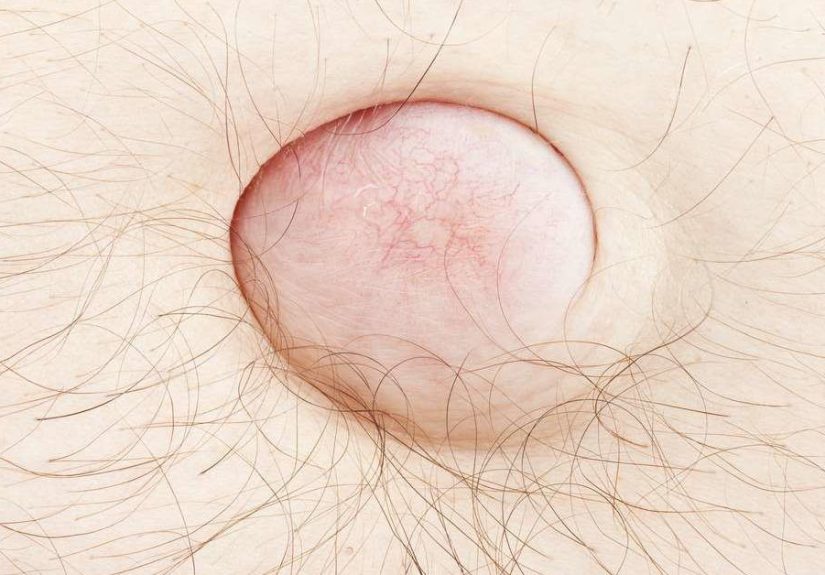
A hernia develops when there is a weakness, defect, or natural opening in muscle or tissue and an internal structure pushes through it. Most people think of a bulge in the abdomen or groin, and that is often correct. But not all hernias are visible. Some, like hiatal hernias, happen inside the body and may show up as reflux, chest discomfort, or swallowing problems rather than a lump.
Hernias may be present at birth, develop gradually with age, appear after surgery, or follow long-term strain on the abdominal wall. Heavy lifting often gets blamed for everything, but it is usually not the sole villain. More often, lifting, coughing, constipation, obesity, pregnancy, or repeated straining reveal a weakness that was already there.
Common Types of Hernia
Inguinal hernia
This is the most common type. It happens in the groin when tissue pushes through a weak area in the lower abdominal wall. In men, it may extend into the scrotum. In women, groin hernias can be harder to recognize because the bulge may be less obvious and the symptoms may feel more like aching, burning, or pressure.
Femoral hernia
Also found in the groin area, a femoral hernia is less common than an inguinal hernia but can be more concerning because it has a higher risk of incarceration or strangulation. It is more common in women, especially older women.
Umbilical hernia
This occurs near the belly button. In babies, many umbilical hernias close on their own over time. In adults, they are more likely to persist and may get larger, especially with increased abdominal pressure.
Ventral and epigastric hernia
These occur through the front abdominal wall. An epigastric hernia sits above the belly button, while a broader ventral hernia can appear in different parts of the abdominal wall.
Incisional hernia
If you have ever had abdominal surgery, the scar itself can become a weak point. An incisional hernia happens when tissue pushes through that weakened area after an operation.
Hiatal hernia
This one is the sneaky cousin. Instead of causing a bulge under the skin, part of the stomach slides through the diaphragm into the chest. A hiatal hernia may cause heartburn, reflux, chest discomfort, or trouble swallowing. Some people have no symptoms at all and find out about it only during testing for reflux or upper abdominal pain.
What Causes a Hernia?
There is usually not just one cause. Hernias are more like a “weakness plus pressure” story. The tissue is vulnerable, and then something pushes against it often enough, hard enough, or long enough to create a problem.
Main causes and contributing factors
- Inherited or congenital weakness in the abdominal wall
- Age-related wear and tear in muscles and connective tissue
- Previous abdominal surgery
- Chronic coughing
- Constipation and straining during bowel movements
- Frequent heavy lifting or repetitive physical strain
- Obesity or rapid weight gain
- Pregnancy, especially multiple pregnancies
- Ascites or increased abdominal fluid
- Connective tissue disorders
One useful truth: heavy lifting may make a hernia more noticeable, but it is often not the whole cause. Many people have a structural weak spot first. The strain simply introduces the plot twist.
Symptoms: What a Hernia Feels Like
The classic symptom is a bulge that appears when standing, coughing, bending, laughing, or lifting, then shrinks or disappears when lying down. But symptoms vary by type, size, and location.
Typical hernia symptoms
- A visible lump or bulge in the groin, abdomen, or near the belly button
- Pressure, aching, or a dragging sensation
- Burning, pinching, or sharp pain with exertion
- Symptoms that worsen with coughing, straining, or lifting
- A heavy feeling in the lower abdomen or groin
- Heartburn, reflux, chest discomfort, or swallowing trouble in hiatal hernia
In men with an inguinal hernia, symptoms may include a groin bulge, scrotal enlargement, or a tugging sensation. In women, the bulge may not be obvious, and the first complaint may be sharp groin pain or burning that worsens with activity. That difference matters because women’s groin hernias can be missed if everyone is waiting for a textbook-looking lump.
Emergency warning signs
Not every hernia is an emergency, but some absolutely are. Seek urgent medical care if you have:
- Sudden severe pain at the hernia site
- Nausea or repeated vomiting
- A bulge that cannot be pushed back in
- Redness, marked tenderness, or swelling
- Fever, abdominal distention, or inability to pass stool or gas
These symptoms can suggest incarceration or strangulation, which means tissue is trapped and its blood supply may be compromised. That is not a “let me see how I feel tomorrow” situation.
How Doctors Diagnose a Hernia
The good news is that diagnosis is often straightforward. The better news is that doctors do not usually need a dramatic TV-show montage to get there.
1. Medical history
Your clinician will ask when the symptoms started, whether the bulge changes size, what makes it worse, whether you have pain, vomiting, reflux, constipation, chronic cough, previous surgery, or pregnancy-related strain.
2. Physical examination
For many abdominal wall hernias, a physical exam is the main diagnostic tool. You may be asked to stand, cough, strain, or tighten your abdomen while the doctor checks for a bulge. In some cases, the clinician may gently try to reduce the hernia, meaning guide it back into place.
3. Imaging tests
If the diagnosis is not obvious, the hernia is deep, symptoms do not match the exam, or the clinician needs to evaluate complications, imaging may be ordered.
- Ultrasound: Often used for groin or abdominal wall hernias, especially when the bulge is intermittent.
- CT scan: Helpful for ventral, incisional, complex, or hidden hernias and for suspected bowel involvement.
- MRI: Sometimes used when the diagnosis remains uncertain, especially in groin or pelvic hernias.
For suspected abdominal wall hernia, ultrasound and CT are commonly appropriate imaging options. For groin hernias, ultrasound, CT, and MRI may all be used depending on the situation. For hiatal hernia, the workup is different: doctors may use an upper GI X-ray, endoscopy, or esophageal manometry when reflux, chest symptoms, or swallowing issues are part of the story.
Treatment Options for Hernia
Treatment depends on the type of hernia, symptom severity, age, general health, and risk of complications. Some hernias can be observed for a while. Others should be repaired without much delay.
Watchful waiting
Watchful waiting means the hernia is monitored rather than repaired right away. This may be reasonable for some adults with a small, reducible hernia that causes little or no discomfort. It is often discussed in minimally symptomatic inguinal hernias and some asymptomatic ventral or umbilical hernias.
But watchful waiting is not the same thing as ignoring the problem. Symptoms can worsen over time, and many people who delay surgery eventually need it. Also, certain hernias, such as femoral hernias, are generally approached more aggressively because they carry a higher risk of incarceration. In infants with some hernia types, especially pediatric groin hernias, observation is not usually recommended because the risk profile is different.
Surgery
Surgery is the only way to actually repair most abdominal wall hernias. The goal is simple: return the tissue to the proper place and strengthen or close the weak area.
Open hernia repair
The surgeon makes an incision near the hernia, returns the protruding tissue, and closes the defect with sutures, mesh, or both. Open repair is common and effective, especially for certain large, recurrent, or complex hernias.
Laparoscopic hernia repair
This minimally invasive approach uses small incisions and a camera. It may offer shorter recovery and lower wound infection rates in some situations. Mesh is commonly used to reinforce the repair.
Robotic hernia repair
Robotic repair is another minimally invasive option. Outcomes can be similar to laparoscopic repair for selected patients, though cost may be higher and the choice often depends on surgeon expertise and the specifics of the hernia.
Is mesh always used?
Not always, but often. Mesh is frequently used in adult hernia surgery because it can reduce the chance of recurrence in many repairs. That said, the decision depends on the hernia’s size, location, recurrence risk, contamination risk, and the surgeon’s judgment. Small pediatric repairs and some selected adult cases may be repaired with sutures alone.
Hiatal hernia treatment
Hiatal hernia treatment is a bit different. If there are no symptoms, treatment may not be needed. When symptoms are present, doctors often start with medications that reduce or block stomach acid, such as H2 blockers or proton pump inhibitors. Surgery may be considered if symptoms persist despite medication or if complications such as significant esophageal inflammation or narrowing develop.
Recovery After Hernia Treatment
Many patients go home the same day after uncomplicated hernia surgery. Recovery time depends on the type of repair, the size of the hernia, and whether the operation was open or minimally invasive.
Common short-term issues include soreness, swelling, bruising, and mild activity limits. Call your surgeon if you develop worsening pain, fever, ongoing vomiting, foul-smelling drainage, increasing redness, or abdominal swelling. Those are not “normal healing vibes.” Those are reasons to check in.
Can You Prevent a Hernia?
You cannot prevent every hernia, especially if you were born with a weak spot or you have already had abdominal surgery. But you can reduce strain on the abdominal wall and lower the odds of worsening a defect.
- Maintain a healthy weight
- Treat chronic cough
- Prevent constipation and avoid repeated straining
- Use proper lifting technique
- Stop smoking if possible, especially before surgery
- Follow post-surgical lifting restrictions carefully
- Manage reflux and seek care for persistent upper GI symptoms
Real-Life Experiences Related to Hernia: What People Often Notice, Feel, and Worry About
One of the most helpful ways to understand hernias is to look at how they show up in everyday life. Not everyone walks into a clinic saying, “Hello doctor, I believe I have a reducible ventral hernia.” Most people say something more like, “There’s this weird bulge that appears when I stand up,” or “My groin hurts every time I carry groceries,” or “I thought it was reflux, but now swallowing feels strange.”
A common experience is the slow-burn groin hernia story. Someone notices a small lump after a workout, while coughing, or after a long day on their feet. At first it does not hurt much. It just feels odd, like mild pressure or a tugging sensation. Over weeks or months, the bulge becomes more predictable. It appears when standing, disappears when lying down, and starts to complain during lifting, yard work, or climbing stairs. That pattern is classic, and it is one reason doctors ask whether the bulge changes with movement and position.
Another familiar pattern is the post-surgery surprise. A person recovers from abdominal surgery and thinks the hard part is over. Then months later, they notice swelling near the scar. It may not even be painful at first. It can feel more like fullness, weakness, or a strange bump that seems rude enough to appear exactly where the incision used to be. This is how many incisional hernias first come to attention.
There is also the “I thought it was heartburn” experience. Some people with hiatal hernia never see a bulge because there is none on the outside. Instead, they deal with frequent reflux, a sour taste in the mouth, chest discomfort after meals, early fullness, or difficulty swallowing. They may spend months blaming spicy food, coffee, or “just stress” before getting evaluated. Sometimes a hiatal hernia is discovered during testing for GERD rather than because someone suspected a hernia in the first place.
Women sometimes describe a hard-to-explain groin pain rather than a clear bump. There may be burning, an ache that worsens with activity, or sharp pain during exercise or prolonged standing. Because the bulge may be subtle or absent, the experience can feel frustrating. People know something is wrong, but the symptom does not match the cartoon version of a hernia they had in mind.
Parents of babies with umbilical hernias often describe a very different emotional experience: panic first, reassurance later. They notice a bulge near the belly button, especially when the baby cries. It looks dramatic, which is not ideal when you are already sleep-deprived. The reassuring part is that many pediatric umbilical hernias close on their own over time. Still, families need guidance on what is normal, what is not, and why taping a coin over the area is not a clever home remedy.
Then there is the emergency experience, which feels completely different from the slow, manageable patterns above. The pain becomes sudden, intense, and persistent. The bulge may become hard, tender, or impossible to push back in. Nausea or vomiting may appear. People often say, “This feels different.” They are usually right. That kind of change deserves urgent care.
The emotional side matters too. Many people worry a hernia means they caused permanent damage, can never exercise again, or need emergency surgery immediately. In reality, the outcome depends on the hernia type, symptoms, and exam findings. Some cases are monitored. Some are scheduled for elective repair. Some need urgent treatment. The key is not guessing which category you are in from social media comments written by a man named “MuscleDad1978.” The key is getting properly evaluated.
Conclusion
A hernia is common, but it should not be dismissed as “just a lump.” It is a structural problem that can range from mildly annoying to medically urgent. The main clues are location, symptoms, and whether the hernia is reducible or painful. Diagnosis often begins with a physical exam, but ultrasound, CT, MRI, endoscopy, or other tests may be used depending on the type. Treatment ranges from careful observation in selected cases to surgical repair with open, laparoscopic, or robotic techniques. And when red flags such as severe pain, vomiting, or a trapped bulge appear, fast medical attention matters.
Note: This article is for educational purposes only and should not replace medical evaluation. If you suspect a hernia or develop severe pain, vomiting, fever, or a bulge that becomes stuck, seek medical care promptly.