Table of Contents >> Show >> Hide
- Why Your Eyes Never Look Exactly Like Anyone Else’s
- The Science Behind Eye Color and Iris Patterns
- What Makes Eyes Look So Distinct Up Close?
- Why Your Eyes Seem to Change Color
- How to Describe What Your Eyes Look Like
- The Beauty of Eye Color Is in the Details
- Extra : The Everyday Experience of Noticing Your Own Eyes
- Conclusion
Let’s be honest: most of us don’t really look at our eyes until a selfie surprises us, a makeup mirror gets a little too confident, or someone says, “Whoa, your eyes are wild in this light.” Then suddenly we’re leaning toward the bathroom mirror like amateur detectives, trying to decide whether we have brown eyes, hazel eyes, green eyes, or “whatever happens at 4:30 p.m. near a window.”
That confusion makes sense. Human eyes are not flat paint swatches. They are textured, layered, light-reactive, and gloriously dramatic. The colored part of the eye, the iris, does more than sit there looking pretty. It helps control how much light enters the eye through the pupil, and its appearance depends on pigment, structure, genetics, lighting, and tiny details that make one person’s eyes look nothing like another’s.
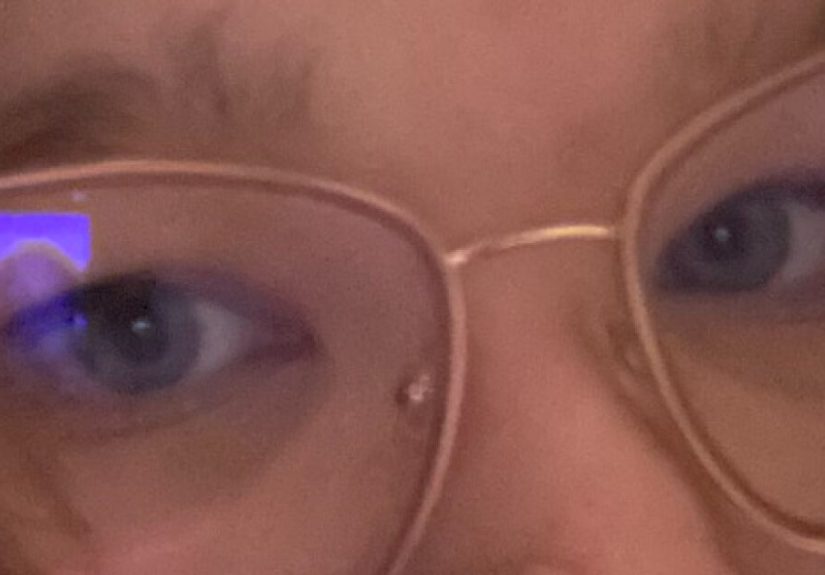
So if you’ve ever wondered, what do your eyes actually look like?not in a poetic “windows to the soul” way, but in a real, science-meets-style waythis guide is for you. We’re going to break down eye color, iris patterns, why your eyes seem to change in photos, what makes certain eyes stand out, and why no two pairs ever look exactly the same. Tiny planet, meet tiny galaxy.
Why Your Eyes Never Look Exactly Like Anyone Else’s
The first thing to know is simple: eye color is not just “blue, green, hazel, brown, next question.” Your eyes are a combination of color, pattern, contrast, ring shape, depth, and how light hits the iris. That is why two people with “brown eyes” can look completely different. One person may have deep espresso eyes with a soft border. Another may have honey-brown eyes with amber bursts near the pupil. Same family, wildly different vibe.
The iris itself is full of subtle texture. Some people have darker speckles, tiny dips, brighter inner rings, or shadowy outer rims that make the color look stronger. Others have a smoother, more uniform appearance. These details are part of the reason eye color feels so personal. You are not looking at a sticker. You are looking at living tissue doing optical theater for free.
The Iris Is a Worker, Not Just a Show-Off
Even though eye color gets all the attention, the iris has a job. It adjusts the pupil to control how much light enters the eye. In bright sunlight, the pupil gets smaller. In dim settings, it opens up. That means your eyes are always changing slightly in appearance throughout the day. A large pupil can make the iris color seem deeper or more dramatic. A smaller pupil may reveal more detail, more flecks, and more of the iris pattern.
That is one reason your eyes may look different in a car mirror, on a cloudy morning, or under restaurant lighting that was apparently designed by an aspiring filmmaker.
The Science Behind Eye Color and Iris Patterns
Eye color comes down mainly to melanin, the same pigment family involved in skin and hair color, plus the genes that influence how much pigment is produced, stored, and distributed in the iris. Brown eyes have more melanin. Lighter eyes have less. But that still does not tell the whole story, because eye color is not controlled by just one neat little “brown versus blue” switch. It is shaped by multiple genes, which is why family eye color can be more surprising than old school classroom charts suggested.
In other words, if you grew up thinking eye color worked like a cartoon Punnett square from 1998, welcome to the update. Biology has entered the chat.
Brown Eyes
Brown eyes are the most common natural eye color worldwide, and they can range from light caramel to nearly black-brown. The more melanin in the iris, the darker the eyes tend to appear. Brown eyes often photograph richly because they hold contrast well, especially when sunlight catches the texture inside the iris. Up close, many brown eyes reveal gold, copper, or even olive-toned details that disappear from a distance.
Blue Eyes
Blue eyes are fascinating because they are not “blue” in the same way a blue crayon is blue. Blue eyes have very little melanin in the front layers of the iris, and the color appearance comes largely from the way light scatters. That is why blue eyes can look icy in one moment, gray in another, and almost silver under cool lighting. If blue eyes seem moody, that is because physics gave them range.
Green and Hazel Eyes
Green eyes are generally considered the rarest of the main natural eye colors, and hazel eyes are the great shape-shifters of the bunch. Hazel eyes often contain a mix of green, gold, and brown, which is why people with hazel eyes spend a lot of time answering questions like, “Wait, what color are they exactly?” The honest answer is often: yes.
Green eyes can also shift visually depending on the environment. Warm lighting may pull out yellow or golden tones. Cool lighting can make them look more gray or forest-like. Hazel eyes do this too, except with even more dramatic flair, because they often contain several visible tones within the same iris.
Gray, Amber, and Everything Between
Gray eyes often look cooler, smokier, and more reflective than blue eyes. Amber eyes can appear golden, coppery, or almost honey-like. Some people also have eyes that resist easy labels entirely. They may look brown indoors and olive outdoors, or blue at a distance but steel-gray up close. That does not mean the mirror is lying. It means human eye appearance is more complex than a dropdown menu.
What Makes Eyes Look So Distinct Up Close?
If you have ever seen a macro photo of an iris, you know the truth: eyes look less like plain color circles and more like tiny weather systems. There may be spokes radiating outward from the pupil, darker rings near the outer edge, concentrated pigment near the center, or specks that look like freckles. These variations are normal, and they are part of what makes eye appearance so individual.
Central Heterochromia and Color Rings
Some people have central heterochromia, which means there is an inner ring of different color around the pupil. It can look like amber sunrays inside a green or blue eye, or a warm brown burst inside a hazel iris. This can be striking and completely harmless. It is also one reason eye color can look “mixed” rather than uniform.
Outer rings can matter too. A dark limbal ringthe border around the iriscan make eyes look more defined and more vivid. Strong contrast between the iris and the white of the eye can also make eye color pop. That is why some eyes seem to “glow” even when the actual color is subtle.
Freckles, Flecks, and Speckles
Some irises have darker spots or scattered pigment that gives the eye more visual texture. These tiny variations can add warmth, sharpness, or depth. In everyday terms, they are the difference between “nice eyes” and “wait, hold still, your eyes look amazing in this light.”
Why Your Eyes Seem to Change Color
Here is the part everyone loves: yes, your eyes can appear to change. No, your iris is not secretly rebranding itself every Tuesday.
Lighting is one of the biggest reasons eyes look different from hour to hour. Bright natural light brings out more detail. Shadows deepen contrast. Reflections from clothing, makeup, and even nearby walls can emphasize certain tones. Someone with light eyes may suddenly look much greener in a green sweater, much grayer on a rainy day, or much bluer under cool-toned lighting.
Pupil size also changes the visual balance of the iris. A larger pupil can make the eye look darker and more intense. A smaller pupil reveals more of the pattern and the lighter or mixed tones. Camera flash, window light, mirror angle, and screen filters can all shift what you think you are seeing.
This is why one person can sincerely insist they have green eyes while three of their friends swear they are blue-hazel-gray. Everyone may be telling the truth based on the version they saw.
When Eye Color Changes Are Worth Attention
Subtle visual changes from lighting are normal. Sudden or noticeable changes in eye appearance in adulthood are different. A new ring around the iris, a cloudy appearance, one eye changing color, or a rapid shift in how your eye looks can sometimes point to a medical issue, injury, inflammation, or a change in structures around the iris and cornea. That is not a reason to panic, but it is a reason to get an eye exam instead of asking your front camera for a diagnosis.
The same goes for cosmetic eye-color procedures. Colored contact lenses are one thing. Permanent procedures meant to change eye color are a much bigger deal and come with serious safety concerns. Your eyes are not a casual renovation project.
How to Describe What Your Eyes Look Like
If someone asked you right now, “What do your eyes look like?” the best answer might include more than one word. Instead of stopping at blue, brown, or hazel, try describing your eyes in layers:
Start With the Base Color
Is the overall color brown, hazel, blue, green, gray, or amber? Begin there.
Then Notice the Pattern
Do you have a darker outer ring? A golden burst near the pupil? Flecks, speckles, or subtle gradients? Are your eyes more uniform or more mixed?
Finally, Notice Behavior
Do your eyes look warmer in sunlight? Cooler in shade? More vivid with certain clothes? More dramatic when your pupils are large? This “behavior” is often what people are responding to when they compliment your eyes.
So a more accurate description might be: “They’re hazel with a green outer iris and amber near the pupil,” or “They’re brown, but in sunlight they look like dark honey with gold flecks.” That is a much more interesting answer than “uh… brown, I guess.”
The Beauty of Eye Color Is in the Details
There is a reason eye close-ups are so mesmerizing. Human eyes combine structure, movement, contrast, and expression in one tiny space. They do not just have color. They have texture. They have mood. They react to light. They sharpen with emotion. They soften when you laugh. They widen when you are surprised and narrow when you are suspicious, which is helpful for anyone trying to decode group chats in person.
That means the answer to “what do your eyes look like?” is not only about pigment. It is about the whole visual effect. Maybe your eyes are soft and warm. Maybe they are sharp and icy. Maybe they shift from olive to gold depending on the weather like a tiny, emotionally unavailable forest. All of that counts.
Extra : The Everyday Experience of Noticing Your Own Eyes
Most people do not discover what their eyes really look like all at once. It usually happens in fragments. First there is the random compliment from a friend who notices your eyes in sunlight. Then there is the school photo that somehow makes them look completely different from the passport photo. Then maybe there is a moment in front of a car mirror or elevator mirror when the lighting is oddly flattering and you think, “Hold on. Have these been here the whole time?”
That experience is surprisingly common. Eye color feels familiar because we live with it every day, but eyes are also one of the hardest features to judge accurately on ourselves. We rarely see them in the same lighting other people do. We usually look at them from too close, too quickly, or while we are distracted by everything else on our face. The result is that many people walk around with a vague idea of their eye color rather than a detailed one.
There is also the strange social side of eye color. Some people with brown eyes grow up hearing less commentary because brown is treated as “common,” only to realize later that their eyes contain amber flashes, dark cinnamon edges, or velvet-like depth that cameras never fully catch. People with hazel eyes often become accidental spokespeople for ambiguity because no one can agree on what they are seeing. People with blue or gray eyes may find that everyone notices the color first, while they themselves are more interested in the pattern or the darker ring around the iris. In every case, the lived experience is the same: your eyes look one way to you and another way to the rest of the room.
Then there is the lighting drama. Morning light can make eyes look clearer and brighter. Golden-hour sunlight can pull warmth out of almost any iris. Office lighting, meanwhile, has the emotional energy of an underfunded parking garage and does no one any favors. Screens add another layer. Front-facing cameras flatten detail, sharpen contrast oddly, and sometimes make eye color look colder than it really is. That is why people often feel their eyes look better in person than in photos. They usually do.
Emotion changes the experience too. Eyes do not only carry color; they carry expression. A person’s eyes can look darker when they are tired, brighter when they are excited, softer when they feel safe, or more reflective when they are crying. That is not magic. It is the combination of moisture, pupil size, muscle tension, and the way expression changes the entire face. But it feels personal, which is why eyes are such a powerful part of memory. People may forget the exact shade, but they remember the impression.
In the end, the most relatable experience about eyes is realizing they are both ordinary and weirdly spectacular. You use them every waking hour, and yet when you really stop to study them, they look like tiny, living maps made of color, contrast, and light. That is a pretty good deal for something most of us notice seriously only after someone says, “Your eyes look different today,” and sends us running toward the nearest mirror like it contains breaking news.
Conclusion
So, hey Pandas, what do your eyes look like? Probably more complex, more textured, and more interesting than you give them credit for. They may be brown, blue, green, hazel, gray, or amberbut they are also rings, flecks, shadows, bursts, and reflections. They are shaped by melanin, genetics, and light, then finished off by expression, contrast, and context.
The best part is that there is no single perfect answer. Your eyes may look warm in sunlight, cool in shade, bright with certain colors, and deeper when emotion takes over. That does not make them inconsistent. It makes them alive. And really, that is a much better story than a one-word label.