Table of Contents >> Show >> Hide
- Why This Hibiscus Tea Recipe Works
- What Hibiscus Tea Tastes Like
- Ingredients for the Best Hibiscus Tea
- How to Make Hibiscus Tea
- Easy Hibiscus Tea Recipe Card
- Best Variations to Try
- Tips for Making Hibiscus Tea Taste Better
- How to Store Hibiscus Tea
- What to Serve with Hibiscus Tea
- Common Questions About Hibiscus Tea Recipe
- Final Thoughts
- Experiences with Hibiscus Tea Recipe
Some drinks whisper. Hibiscus tea walks into the room wearing ruby red and saying, “Yes, I am the main character.” Tart, refreshing, naturally caffeine-free, and ridiculously pretty in a glass, hibiscus tea is the kind of recipe that makes you look like you have your life together, even if you are currently using a cereal bowl as a prep dish.
If you have ever ordered agua de jamaica at a Mexican restaurant, sipped sorrel during the holidays, or wondered what to do with a bag of dried hibiscus flowers besides admire them like potpourri with ambition, this guide is for you. Below, you will find an easy hibiscus tea recipe, flavor variations, serving ideas, storage tips, and the common mistakes that can turn a bold, tangy drink into a puckery face workout.
Why This Hibiscus Tea Recipe Works
A good hibiscus tea recipe does not need a long ingredient list or fancy technique. What it does need is balance. Hibiscus has a naturally tart, cranberry-like flavor with floral notes. That means it shines when paired with a little sweetener and a bright accent like lime, orange, cinnamon, or ginger.
This version keeps the method simple and flexible. You can serve it hot on a rainy afternoon, pour it over ice for a summer cooler, or turn it into a mocktail base when plain water starts feeling emotionally unavailable. It is easy to make ahead, easy to scale for a party, and easy to customize based on how sweet or bold you like your tea.
What Hibiscus Tea Tastes Like
Before we start steeping, let’s set expectations. Hibiscus tea is tart, fruity, floral, and a little tangy. Many people compare it to cranberry juice, but lighter and more elegant. It is not grassy like green tea or earthy like some herbal blends. It is bright, juicy, and refreshing.
That naturally bold flavor is exactly why hibiscus tea works so well both hot and iced. It does not disappear under ice, citrus, or sweetener. It keeps its personality, which is more than can be said for some beverages and a surprising number of group projects.
Ingredients for the Best Hibiscus Tea
Main Ingredients
- 4 cups water
- 1/2 cup dried hibiscus flowers
- 1/4 to 1/3 cup sugar, honey, or agave, adjusted to taste
- 1 to 2 tablespoons fresh lime juice
Optional Flavor Boosters
- 1 small cinnamon stick
- 3 to 4 thin slices fresh ginger
- Orange slices for garnish
- Lime wheels for garnish
- Mint leaves for serving
Ingredient Notes
Dried hibiscus flowers are sometimes sold as flor de jamaica or simply dried hibiscus. You can usually find them in Latin markets, international grocery stores, natural food stores, tea shops, or online. Look for flowers that are deep red and fragrant, not dusty and faded.
Sweetener matters too. Granulated sugar gives the cleanest classic taste. Honey adds a rounder, slightly floral sweetness. Agave blends in smoothly for cold drinks. Lime juice is technically optional, but it wakes up the tea and adds a crisp finish that makes the whole drink taste more polished.
How to Make Hibiscus Tea
Step 1: Boil the Water
Bring 4 cups of water to a boil in a medium saucepan. Once it reaches a boil, turn off the heat.
Step 2: Steep the Hibiscus
Add the dried hibiscus flowers to the hot water. If you want extra warmth and depth, add the cinnamon stick and ginger slices now too. Cover the pot and let the mixture steep for 10 to 15 minutes.
For a stronger concentrate, steep closer to 20 minutes. For a lighter tea, stay around 8 to 10 minutes. Hibiscus is bold, so you do not need to treat it like a shy ingredient. Still, do not steep it forever unless you are specifically aiming for maximum tartness.
Step 3: Strain
Pour the tea through a fine-mesh strainer into a heat-safe pitcher or bowl. Press lightly on the flowers to extract more liquid, but do not mash them aggressively. This is tea-making, not revenge.
Step 4: Sweeten
Stir in the sugar, honey, or agave while the tea is still warm so it dissolves easily. Start with a smaller amount, taste, and add more if needed. Hibiscus can handle sweetness, but you still want the tart flavor to come through.
Step 5: Add Lime and Chill or Serve
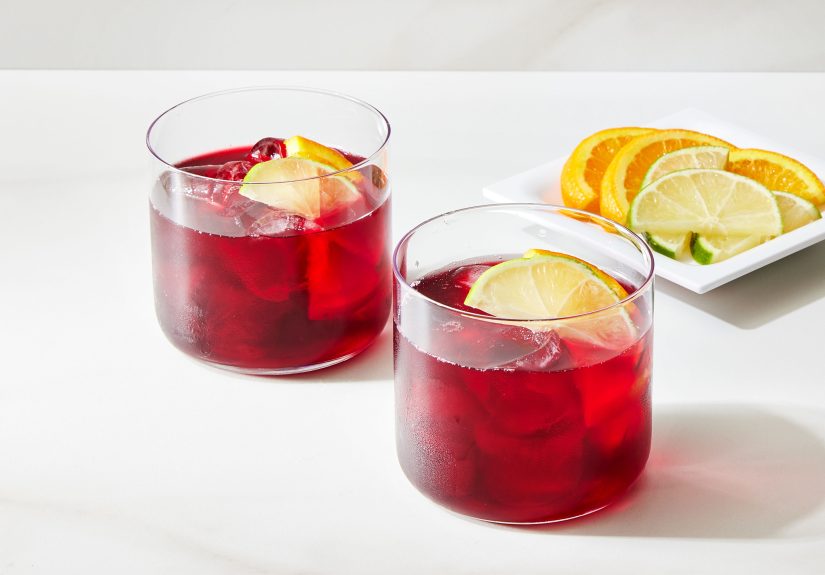
Stir in fresh lime juice. Serve hot right away, or let the tea cool and refrigerate until cold. For iced hibiscus tea, pour it over plenty of ice and garnish with citrus slices or mint.
Easy Hibiscus Tea Recipe Card
Yield: 4 servings
Prep time: 5 minutes
Cook time: 15 minutes
Total time: 20 minutes, plus chilling time if serving cold
Instructions at a Glance
- Boil 4 cups water.
- Remove from heat and add 1/2 cup dried hibiscus flowers.
- Add cinnamon and ginger if using.
- Steep 10 to 15 minutes.
- Strain into a pitcher.
- Sweeten with 1/4 to 1/3 cup sugar, honey, or agave.
- Stir in 1 to 2 tablespoons lime juice.
- Serve hot or chill and serve over ice.
Best Variations to Try
1. Mexican-Style Agua de Jamaica
Keep it classic with sugar and lime. Serve it ice-cold in a tall glass. This version is crisp, tart, and incredibly refreshing with spicy foods, grilled meats, tacos, or summer snacks that somehow become dinner.
2. Spiced Hibiscus Tea
Add cinnamon, ginger, and a few allspice berries for a warmer flavor profile. This version feels cozy in cooler weather and works beautifully served hot.
3. Citrus Hibiscus Tea
Add orange peel or orange slices while the tea steeps. The orange softens the tartness and gives the tea a more rounded, sunny flavor.
4. Sparkling Hibiscus Cooler
Mix chilled hibiscus tea with sparkling water right before serving. It turns a simple tea recipe into a festive mocktail with almost no effort. We love a low-effort glow-up.
5. Cold-Brew Hibiscus Tea
For a smoother, less sharp flavor, combine dried hibiscus flowers with cold water and refrigerate overnight. Strain and sweeten the next day. Cold brewing takes longer, but it produces a softer, cleaner taste that many people love.
Tips for Making Hibiscus Tea Taste Better
- Do not overdo the flowers: More hibiscus is not always better. Too much can make the tea overly sour.
- Sweeten in stages: The tartness changes as the tea cools, so taste again before serving.
- Use fresh citrus: Bottled lime juice is fine in a pinch, but fresh juice gives a brighter flavor.
- Chill fully for iced tea: Half-chilled tea over a mountain of ice can get diluted quickly.
- Strain well: Tiny bits of flower left in the tea can make the texture feel rough.
How to Store Hibiscus Tea
Once cooled, store hibiscus tea in a covered pitcher or airtight container in the refrigerator. It is best within 3 to 4 days. Stir before serving, especially if you used honey or added citrus.
If you want to make it ahead for a gathering, brew a stronger concentrate and dilute with cold water or sparkling water just before serving. You can also freeze hibiscus tea in ice cube trays and use the cubes in future drinks so your tea stays flavorful instead of watered down.
What to Serve with Hibiscus Tea
This hibiscus tea recipe pairs well with spicy, smoky, salty, and citrusy foods. Try it with tacos, grilled chicken, barbecue, black bean bowls, fruit platters, or anything with lime and chili. It also works well at brunch with pastries, scones, or simple tea cakes.
If you are hosting, hibiscus tea earns bonus points for visual drama. A clear pitcher full of jewel-toned tea with floating lime wheels looks like you hired a beverage stylist. You did not. You just made a good choice.
Common Questions About Hibiscus Tea Recipe
Is hibiscus tea naturally caffeine-free?
Yes. Hibiscus tea is an herbal tea, so it is naturally caffeine-free. That makes it a great option for evenings, kids, or anyone trying to cut back on coffee without falling into emotional support seltzer mode.
Can I drink hibiscus tea hot?
Absolutely. While iced hibiscus tea gets most of the attention, the hot version is equally delicious, especially with cinnamon, ginger, and honey.
Can I use fresh hibiscus flowers?
You can, but dried hibiscus flowers are much more common and more consistent for tea recipes. If using fresh flowers, make sure they are edible, properly cleaned, and free from chemicals or pesticides.
Is hibiscus tea healthy?
Hibiscus tea is often enjoyed as a light, refreshing herbal drink. It is naturally caffeine-free and does not need much sugar to taste good. That said, if you take medication for blood pressure or blood sugar, or if you are pregnant, it is smart to check with a healthcare professional before drinking it regularly.
Can I make a big batch?
Yes, and hibiscus tea is excellent for batch prep. Just double or triple the ingredients. It is one of the easiest party drinks to make because the flavor stays strong, the color stays gorgeous, and the effort level stays blessedly low.
Final Thoughts
A great hibiscus tea recipe proves that simple ingredients can still deliver big flavor. With just dried hibiscus flowers, water, sweetener, and a little citrus, you get a drink that is bright, bold, refreshing, and versatile enough for everyday sipping or entertaining.
Whether you make it as a classic iced agua de jamaica, a warm spiced tea, or a sparkling mocktail base, hibiscus tea offers an easy way to bring more color and character into your kitchen. It is low fuss, high reward, and dramatically prettier than it has any right to be. Honestly, rude.
Experiences with Hibiscus Tea Recipe
One of the best things about making hibiscus tea is how quickly it turns from “just a beverage” into a whole little ritual. The first time many people brew it at home, the experience is almost theatrical. The dried flowers look modest in the bag, but the moment hot water hits them, the color begins to bloom into an intense ruby red that feels almost too dramatic for a saucepan on a Tuesday afternoon. It is the kind of kitchen moment that makes you pause, stir slowly, and think, “Well, that is oddly beautiful.”
For some, hibiscus tea becomes a summer staple because it solves a very specific problem: plain water can be boring, sugary drinks can feel heavy, and iced coffee at 4 p.m. can turn bedtime into a hostage situation. Hibiscus tea slides into that gap perfectly. It tastes lively, feels refreshing, and has enough natural tartness to be interesting without needing a lot of sweetener. Many people who start making it for hot days end up keeping a pitcher in the fridge almost all week.
There is also a strong social side to this recipe. Hibiscus tea tends to get comments. Set out a pitcher at brunch, a backyard cookout, or a casual dinner, and someone will ask what it is. Then someone else will say they have had something similar at a restaurant. Then a third person will suddenly become deeply interested in whether lime or orange is the superior garnish, which is how you know the gathering is going well. It is a conversation-starting drink without trying too hard, which is a rare and useful quality.
Home cooks often discover that hibiscus tea is one of those recipes that teaches confidence through repetition. The first batch might be a little too tart. The second might be sweeter than planned. By the third, people usually start adjusting steep time, citrus, and sweetener with the ease of someone who has suddenly become the household tea authority. That learning curve is part of the charm. It is forgiving, flexible, and happy to meet you where you are.
Another common experience is how versatile hibiscus tea feels across seasons. In the summer, it is all about ice, citrus slices, and a cold pitcher waiting in the refrigerator. In colder months, the same tea can lean cozy with ginger, cinnamon, and honey. That kind of range makes it more than a one-season recipe. It becomes a reliable favorite you can keep reinventing depending on the weather, the meal, or your mood.
And then there is the aesthetic factor, which should not be underestimated. Hibiscus tea has the rare ability to look impressive with almost zero styling help. A glass jar, a few lime wheels, maybe a sprig of mint, and suddenly the table looks intentional. This matters more than we admit. Sometimes the joy of cooking is not just in the flavor, but in creating something that feels beautiful, generous, and a little celebratory. Hibiscus tea does that effortlessly.
In the end, the experience of making hibiscus tea is part flavor, part ritual, part visual delight. It is easy enough for a weekday, interesting enough for guests, and flexible enough to become your own signature version. That is why so many people keep returning to it. It is not just a recipe. It is a small, vivid upgrade to ordinary life, one glass at a time.