Table of Contents >> Show >> Hide
- What Is a Hip Replacement?
- Who Might Need a Hip Replacement?
- Types of Hip Replacement and Surgical Approaches
- Benefits of Hip Replacement
- Risks and Possible Complications
- Getting Ready for Hip Replacement Surgery
- What Happens on Surgery Day?
- Hip Replacement Recovery Timeline
- Life After Hip Replacement
- How Long Does a Hip Replacement Last?
- Questions to Ask Your Surgeon
- Real-World Experiences: What Hip Replacement Really Feels Like
- Conclusion
If your hip could talk, it might be saying something like, “Listen, I’ve carried you for decades. I’m tired.”
When arthritis, injury, or wear and tear make every step feel like a chore, hip replacement surgery can sound
both exciting and terrifying. The good news? Modern hip replacement is one of the most successful surgeries in
medicine, with high satisfaction rates and big improvements in pain and mobility for most people.
This guide walks you through what hip replacement is, who might need it, what happens before and after surgery,
how long recovery really takes, and what life looks like with a brand-new hip joint. Think of it as your
friendly, slightly nerdy handbook to a major decision.
What Is a Hip Replacement?
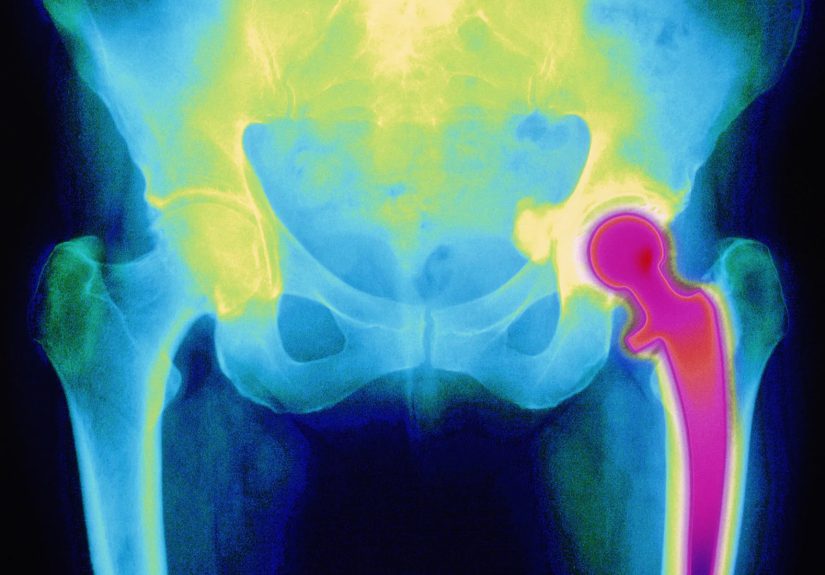
A hip replacement (also called total hip arthroplasty) is a surgery in which damaged parts of your
hip joint are removed and replaced with artificial components. The hip is a classic ball-and-socket joint:
the ball (the top of the thighbone) fits into the socket (part of the pelvis). In hip replacement, surgeons:
- Remove the worn-out or damaged ball at the top of your thighbone.
- Clean out and reshape the socket in your pelvis.
- Insert an artificial socket (cup) and an artificial ball on a stem that fits inside the thighbone.
These components are usually made of metal, ceramic, and durable plastic, designed to glide smoothly
so you can walk, sit, and move with less pain and better function. Over the last few decades, materials and
designs have improved dramatically to make these implants more durable and more comfortable.
Total vs. Partial Hip Replacement
Most people get a total hip replacement (ball and socket replaced). A partial hip replacement
may be recommended in certain hip fractures where only the ball is damaged. There’s also
hip resurfacing, which preserves more bone and is sometimes used in younger, active patients, but it’s
less common and not right for everyone.
Who Might Need a Hip Replacement?
Hip replacement isn’t a first-line treatment. Before surgery, doctors typically try medications, physical therapy,
injections, walking aids, and activity changes. You might be a candidate when those options no longer help and
pain is significantly affecting your day-to-day life.
Common Reasons for Hip Replacement
- Osteoarthritis (wear-and-tear arthritis) – the most common reason.
- Rheumatoid arthritis and other inflammatory arthritis conditions.
- Hip fracture, especially in older adults when the bone is unlikely to heal well.
- Avascular necrosis – loss of blood supply to the hip bone, leading to collapse.
- Childhood hip problems (like hip dysplasia) that cause damage over time.
Your surgeon will usually consider hip replacement if:
- You have severe hip pain that interferes with walking, climbing stairs, or getting up from a chair.
- Hip pain keeps you awake at night.
- Everyday tasks (putting on shoes, getting in and out of a car) have become difficult or impossible.
- X-rays or other imaging show significant joint damage.
Age by itself is less important than overall health and activity level. People in their 40s may need hip
replacement after severe injury or disease, while others have surgery in their 70s or 80s and do very well.
Types of Hip Replacement and Surgical Approaches
Not all hip replacements are done the same way. The main differences relate to the implant type and the
surgical approachhow the surgeon gets to your hip.
Implant Options
Your surgeon will choose the specific design and materials based on your age, bone quality, anatomy, and activity level.
You may hear terms like:
- Cemented vs. cementless implants – whether the implant is fixed with bone cement or designed to let bone grow into it.
- Metal-on-plastic, ceramic-on-plastic, or ceramic-on-ceramic bearings – each with pros and cons in terms of durability and wear.
This decision is highly individual. Your job is to ask good questions; your surgeon’s job is to match you with
an implant that fits your lifestyle, not just your bone.
Surgical Approaches: Posterior, Lateral, and Anterior
Surgeons can reach the hip joint from different directions:
- Posterior approach – from the back of the hip; long used and well studied.
- Lateral approach – from the side of the hip.
- Direct anterior approach – from the front, often marketed as “minimally invasive.”
The anterior approach may mean smaller incisions, less muscle cutting, and potentially quicker early recovery for some patients,
but it’s not automatically better for everyone. Your anatomy, weight, prior surgeries, and the surgeon’s experience with a
particular approach matter more than the buzzword you saw in an ad.
Robotic and Navigation-Assisted Hip Replacement
Some centers use computer navigation or robotic assistance to plan and place the implants very precisely.
The robot doesn’t do surgery on its own (no sci-fi plot here); it’s a tool the surgeon controls to fine-tune implant position.
Early data suggest potential benefits in accuracy and possibly long-term wear, but traditional techniques also work very well
in experienced hands.
Benefits of Hip Replacement
The main goal of hip replacement is simple: less pain, more life. For many people, results include:
- Major reduction or complete relief of hip pain.
- Improved ability to walk, climb stairs, and perform daily tasks.
- Better sleep, mood, and overall quality of life.
- More independence and confidence moving around.
Large follow-up studies show high patient satisfaction and long-term improvements when people stick to
their rehab plan and protect their new joint with sensible activity choices.
Risks and Possible Complications
No surgery is totally risk-free, and hip replacement is no exception. Serious problems are relatively uncommon,
but you should know what to watch for. Possible risks include:
- Bleeding or need for blood transfusion.
- Infection in the wound or around the implant.
- Blood clots in the legs (deep vein thrombosis) or lungs (pulmonary embolism).
- Dislocation – the ball pops out of the socket.
- Leg length difference – often small, but sometimes noticeable.
- Nerve or blood vessel injury (rare).
- Fracture of the bone around the implant.
- Loosening or wear of the prosthesis over time, which may require revision surgery.
- Ongoing stiffness or pain, especially early on.
Your team will use tools like blood thinners, compression devices, and early walking to lower your risk of
clots, as well as antibiotics and sterile technique to reduce infection risk. If you’ve had recent steroid
injections in the hip, or you have other health conditions (diabetes, obesity, heart disease), make sure your surgeon
knowsthese factors can influence risk and timing.
Getting Ready for Hip Replacement Surgery
The weeks before surgery are your “training camp” for a smoother recovery. Here are smart steps most surgeons recommend:
Medical Tune-Up
- See your primary care provider for a preoperative checkup.
- Get lab tests, EKG, and any heart or lung evaluations your surgeon orders.
- Work on blood sugar control if you have diabetes.
- Stop smoking or vapingthis helps wound healing and lowers complications.
Strength and Mobility Prep
Pre-surgery physical therapy (“prehab”) can strengthen the muscles around your hip and core, making it easier
to get moving again afterward. Even simple exercises like leg raises, glute squeezes, and arm strengthening
(for using a walker) can pay off.
Home Safety Setup
Prepare your home so you’re not playing “extreme obstacle course” on day three after hip surgery:
- Remove loose rugs and clutter that could cause falls.
- Arrange a sleeping space on the main level if stairs are tough.
- Consider a raised toilet seat, grab bars, or a shower chair for bathroom safety.
- Place frequently used items (clothes, dishes, toiletries) at waist level to avoid bending.
- Ask about a temporary disabled parking permit if driving will be restricted.
It’s also wise to line up help from family or friends for rides, meals, pet care, and household chores,
especially in the first couple of weeks.
What Happens on Surgery Day?
On the day of your hip replacement:
- You’ll check in, change into a gown, and meet your surgical and anesthesia team.
- Most people receive spinal anesthesia (numbing from the waist down) with light sedation,
or general anesthesia. Spinal blocks can reduce the need for heavy narcotic medications. - The surgery typically takes 1–2 hours, though your time in the operating room and recovery area will be longer.
After surgery, you’ll spend time in the recovery area where nurses monitor your vitals, pain, and ability
to move your toes and feet. Many patients are encouraged to stand or even take a few steps with a therapist
the same day, depending on their condition and hospital protocols.
Hip Replacement Recovery Timeline
Recovery isn’t identical for everyone, but here’s a general idea of what to expect. Your timeline depends on
your age, overall health, type of surgery, and how diligently you follow your instructions.
First Few Days
- Hospital stay can range from same-day discharge to 1–3 days for many people.
- You’ll start walking with a walker or crutches, often within 24 hours.
- Pain is managed with medications, ice, and positioning.
- Therapists will teach you how to get in and out of bed, use the bathroom safely, and do basic exercises.
Weeks 1–3
At home, your job is part-time rehab pro:
- Continue prescribed exercises multiple times a day.
- Walk short distances several times a day, gradually increasing as tolerated.
- Follow instructions about hip precautions (positions to avoid) if your surgeon recommends them.
- Work with home or outpatient physical therapy as advised.
Many people can manage basic self-care (dressing, toileting, simple meals) with minimal help by the end of this period.
Weeks 3–6
This is when many patients report a noticeable turning point. Pain usually decreases, and strength improves.
You might:
- Transition from a walker to a cane, then to walking independently on flat surfaces.
- Resume light household tasks like loading the dishwasher or light cooking.
- Return to a desk job (with your surgeon’s approval), though you may still get tired easily.
6 Weeks to 3 Months
At this stage, your new hip is starting to feel more like “part of you”:
- Most daily activities are easier, though heavy lifting or high-impact exercise is still off-limits.
- Many people can drive againespecially if the left hip was replaced and they’re off strong pain meds.
- Strength and balance continue to improve with targeted therapy and regular walking.
3 to 12 Months
Full recovery can take from a few months up to a year. During this time, the surrounding muscles and soft tissues
continue to adapt, and you build endurance. You may forget, at times, that you even had hip surgery (until someone
asks why you glide up stairs now).
Life After Hip Replacement
Once healed, most people can enjoy a wide range of activities. In general, surgeons usually encourage:
- Walking and hiking.
- Swimming or water aerobics.
- Cycling or stationary biking.
- Golf, dancing, and low-impact fitness classes.
High-impact activities like running marathons, intense singles tennis, or high-contact sports are often discouraged
because they may increase wear on the implant. Think “active and smart,” not “I just joined a parkour league.”
You may also receive long-term precautions about avoiding certain extremes of motion, especially if you have
a higher dislocation risk. Your surgeon will give you personalized advice about bending, twisting, and crossing your legs.
How Long Does a Hip Replacement Last?
Earlier teaching suggested that about 90% of hip replacements would last at least 10–15 years, and many still use
that estimate. Newer data, with better materials and designs, suggests that a significant number last 20 years or more.
Longevity depends on:
- Your age at surgery.
- Your weight and activity level.
- Implant type and positioning.
- Whether you avoid high-impact activities and follow precautions.
Even if a hip replacement eventually wears out or loosens, revision hip surgery can often restore
function, although it’s typically more complex than the first operation.
Questions to Ask Your Surgeon
Going into surgery informed doesn’t just calm nervesit also helps you make better decisions. Consider asking:
- What type of hip replacement and surgical approach do you recommend for me, and why?
- How many hip replacements do you perform each year?
- What are my personal risks based on my health history?
- What does my recovery timeline realistically look like?
- Which activities will be encouraged, and which should I avoid long term?
- What pain management plan will we use after surgery?
- Whom do I call if I have concerns once I’m home?
Real-World Experiences: What Hip Replacement Really Feels Like
Medical facts are important, but most people also want to know: “What is it actually like?” While every
person’s journey is unique, many experiences share common themes. Here’s a composite picture based on what patients,
caregivers, and clinicians often report.
The Decision Phase
For many, the road to hip replacement is long and winding. You might spend years trying pain medications, joint
injections, changing jobs or hobbies, and telling yourself, “It’s not that bad yet.” The turning point often comes
when you realize that pain is dictating your schedule: you decline outings, avoid long walks, and plan your life around
how far the parking lot is from the door.
Patients frequently describe a mix of relief and anxiety once surgery is scheduled. Relief because there’s a plan;
anxiety because, well, someone will be replacing a major joint. It’s completely normal to feel both. Many people find
it reassuring to talk with others who’ve already had the surgery, join support groups, or attend pre-surgery education
classes offered by hospitals.
The First Days: Tough but Temporary
The early days after surgery are usually described as “hard work, but manageable with help.” Getting out of bed the
first time can feel strangeyour leg may feel heavy, your muscles are weak, and the incision is sore. But it’s also
impressive how quickly many people are able to stand and take a few steps with a walker.
Pain levels vary. Some patients say it feels like a deep ache controlled with medication and ice; others feel sharper
pain for a few days, especially when moving. Almost everyone agrees that pain starts to feel different from the old,
grinding arthritis painit’s more of a “surgical soreness” that gradually improves rather than a constant, worsening
problem.
Weeks of Rehab: Small Wins Add Up
Rehabilitation can feel repetitive, but this is where the magic happens. Simple goalslike walking to the mailbox,
standing to cook a meal, or climbing a few stepsbecome big milestones. People often celebrate little victories:
putting on socks with less contortion, taking a shower without fear of slipping, getting in and out of a car more easily.
There are also frustrating days: maybe a night of poor sleep, a therapy session that feels harder than the last,
or swelling that flares up. It helps to remember that recovery isn’t a straight line. Good communication with your
therapy and surgical team can keep minor setbacks from turning into big problems. Ice packs, elevation, and pacing
your activity are your best friends.
Months Later: Rediscovering Normal
Around the three- to six-month mark, many people say they’re surprised by how “normal” their hip feels. They may
walk farther without thinking about it, stand in line at the store without eyeing the nearest chair, or return to
favorite activities like gardening, traveling, or dancing at a grandchild’s wedding.
Some stiffness, especially first thing in the morning or after sitting for a long time, can linger. Weather changes
or big activity days may temporarily increase soreness. But for most, the trade-off feels more than worth it: instead
of being limited by pain, they’re managing recovery soreness that continues to improve.
The Caregiver’s Perspective
If you’re a partner, friend, or family member helping someone through hip replacement, expect to be busy in the first
couple of weeks. You may help with dressing, meal prep, laundry, pet care, and moral support. Patients often say that
having a dependable person around makes all the differencenot just for practical tasks, but for encouragement when
recovery feels slow.
Caregivers, in turn, commonly report relief as the patient becomes more independent and starts to regain confidence.
Many families use the recovery period as a chance to reset routinesadding daily walks together, healthier meals,
or a renewed focus on safety around the home.
Looking Back
When patients reflect a year or more after hip replacement, their comments often fall into two buckets:
“I wish I’d done it sooner” and “I wish I’d known how important physical therapy and home setup were.”
Very few regret the decision itself; most regret underestimating either their pre-surgery pain or the effort
needed to get the best possible outcome.
If you’re considering hip replacement now, you don’t need to decide this minute. But you do deserve clear
information, realistic expectations, and a surgical team you trust. Use that combinationplus a little patience and
humoras your roadmap to a smoother experience and a more comfortable life on the other side of surgery.
Conclusion
Hip replacement is a big step, but for many people, it’s also the step that gives them their life back. By understanding
why it’s done, what the surgery involves, the risks and benefits, and how recovery unfolds, you can make a choice that’s
informednot just by fear or pain, but by facts and realistic hope. Talk with your healthcare team, ask the hard questions,
and imagine what your days could look like when each step isn’t a negotiation with your hip.