Table of Contents >> Show >> Hide
- The Big Mood Shift: From Cold Perfection to Warm Character
- The Home Trends Defining Interiors Right Now
- 1. Warm Minimalism Is Replacing Harsh Minimalism
- 2. Color Is Back, and It Brought Confidence
- 3. Curves, Sculptural Shapes, and Softer Silhouettes
- 4. The Rise of Emotional ROI
- 5. Wellness Spaces Are Becoming Everyday Essentials
- 6. Flexible Layouts Are Replacing the One-Size-Fits-All Floor Plan
- 7. Kitchens Are Warmer, Smarter, and More Layered
- 8. Outdoor Living Is Now a Real Extension of the House
- 9. Smart Homes Are Getting Quieter and More Useful
- 10. Resilience and Sustainability Are Becoming Design Priorities
- What Trends Are Fading?
- How to Use Home Trends Without Making Your House Look Trendy
- Experiences With Home Trends in Real Life
- Conclusion
Home trends are no longer about making a house look like it was staged by a robot with a subscription to beige. The biggest shift in today’s interiors is simple: people want homes that feel human again. That means warmer materials, more personality, better function, and spaces that support real life instead of just looking good in a photo. The modern home is expected to do a lot. It has to be calm and practical, stylish and durable, beautiful and actually comfortable enough for someone to sit on the sofa without being scolded.
Across kitchens, living rooms, bathrooms, and outdoor spaces, homeowners are choosing design ideas that feel layered, personal, and useful. Quiet luxury is making room for livable luxury. Stark minimalism is softening into warm minimalism. Open-concept layouts are being edited so homes can breathe a little. Vintage details are back, but in a more collected and intentional way. Color is returning too, and not just as a polite accent pillow. People are using saturated paint, moody finishes, bold stone, artisan details, and natural textures to make rooms feel memorable.
This is what makes current home trends so interesting: they are not just about what looks fashionable this year. They reflect what people want from daily life. A home now needs to restore energy, support routines, protect against climate stress, adapt to changing family needs, and still look like someone with actual taste lives there. In other words, the house is working harder than ever, and the design is finally catching up.
The Big Mood Shift: From Cold Perfection to Warm Character
For years, the safest design formula seemed to be white walls, gray floors, neutral furniture, and exactly one sad vase on a coffee table. That look is losing its grip. One of the clearest home trends today is the move toward spaces with emotional warmth. People are drawn to rooms that feel collected, textured, and a little less afraid of their own personality.
Warm woods are leading this change. Walnut, oak, medium brown cabinetry, and furniture with visible grain are replacing the colder tones that dominated many homes in the past decade. Stone is staying popular too, but it is often softer and more expressive now, with quartzite, travertine, and subtly dramatic slabs adding movement without making the room feel chaotic. Linen, boucle, plaster finishes, limewash, rattan, and hand-thrown ceramics bring in the kind of texture that makes a room feel finished without feeling overdecorated.
This trend also explains why older details are making a comeback. Vintage woodwork, skirted furniture, fringed accents, caned pieces, checkerboard floors, antique lighting, and decorative trims all bring a sense of story. Homeowners are increasingly interested in design that feels rooted rather than generic. A home with character tends to feel warmer, more memorable, and frankly less like it was assembled in one panic-filled Saturday trip to a big-box store.
The Home Trends Defining Interiors Right Now
1. Warm Minimalism Is Replacing Harsh Minimalism
Minimalism is not dead, but it has stopped trying to look emotionally unavailable. Warm minimalism keeps the clean lines and uncluttered look people still like, while adding softness through earthy color palettes, rounded furniture, layered fabrics, and natural materials. Instead of icy white kitchens and bare rooms that echo when you sneeze, the new version feels calm, balanced, and lived in.
This works especially well for smaller homes because it creates visual order without stripping away comfort. A warm minimalist living room might pair a simple sofa with a woven rug, a wood coffee table, soft lighting, and a few meaningful objects instead of twenty accessories purchased in one motivational burst. It looks restrained, but not sterile.
2. Color Is Back, and It Brought Confidence
One of the biggest home trends is the return of color, especially deeper, richer, moodier shades. Homeowners are embracing aubergine, moss green, warm blue, terracotta, oxblood, muted red, and jewel tones that add drama without becoming cartoonish. Color drenching is especially popular, where walls, trim, ceilings, and sometimes cabinetry are painted in related shades so the room feels immersive and intentional.
This trend is not about turning every house into a paint store explosion. It is about using color with purpose. A dining room in a deep olive or a library corner in smoky blue can feel more intimate and sophisticated than yet another pale gray box. Even kitchens are seeing bolder choices, from green cabinetry to vintage-inspired pink tones to creamy, earthy palettes that feel more inviting than clinical white.
3. Curves, Sculptural Shapes, and Softer Silhouettes
Furniture is getting rounder, softer, and more architectural. Curved sofas, rounded islands, arched mirrors, scalloped details, and sculptural accent chairs help rooms feel gentler and less rigid. This matters because homes have become multi-use environments. After years of people spending more time at home, there is more demand for spaces that look good but also feel calming.
Curves can be subtle. A rounded ottoman, a barrel-back chair, or a softly curved side table is often enough to make a space feel current. In kitchens and baths, that same softness appears in arched niches, rounded-edge vanities, and gentle contours that create a more relaxing atmosphere. The effect is practical as much as visual. Softer shapes help take the edge off rooms that might otherwise feel boxy or too hard-lined.
4. The Rise of Emotional ROI
Not every home decision is about resale value in the classic sense. Another important trend is what many people informally think of as emotional return on investment. In plain English, homeowners want features that make them happy every single day. That might mean a breakfast nook with morning light, a vintage tile floor, a reading chair by a window, a built-in bar, or a bathroom that feels a little like a boutique hotel without the awkward mini shampoo bottles.
This is why unique details matter more now. Buyers and homeowners are responding to spaces with authenticity, nostalgia, and charm. Original woodwork, textured plaster, handmade zellige tile, statement lighting, and thoughtfully restored older elements create a sense of individuality that plain builder-grade finishes simply cannot fake. People are increasingly willing to invest in details that make a home feel special, even if those details are not the flashiest line item on paper.
5. Wellness Spaces Are Becoming Everyday Essentials
Wellness is no longer limited to luxury spas and aspirational social media captions. It is showing up in actual home design. Spa-like bathrooms, reading rooms, meditation corners, cold-plunge setups, saunas, improved air quality, layered lighting, and quieter bedrooms are all part of current home trends. The goal is not to turn the house into a wellness resort. It is to support better routines.
Even simple choices can reflect this trend. Think dimmable lighting in a bedroom, better storage to reduce visual stress, natural materials that create a calmer atmosphere, or a bathroom with a bench, soft tile colors, and a larger shower. These choices matter because wellness at home is increasingly about how a space functions throughout the day. The room that helps you exhale wins.
6. Flexible Layouts Are Replacing the One-Size-Fits-All Floor Plan
Open concept has not disappeared, but it is being refined. Many homeowners still want connection between rooms, yet they also want privacy, focus, and better zoning. As a result, one of the most practical home trends is the so-called broken floor plan: spaces remain connected, but there are more visual dividers, partial walls, glass partitions, millwork, cased openings, or furniture layouts that create distinction.
This is especially useful for modern life. A family may need a corner for homework, a quiet call, a game night, and a dinner party all in the same week. Flexible rooms, dual-purpose spaces, and better-defined zones make a home feel more capable. Mudrooms work harder, guest rooms double as offices, and dining areas are making a comeback because people want rooms with identity again.
7. Kitchens Are Warmer, Smarter, and More Layered
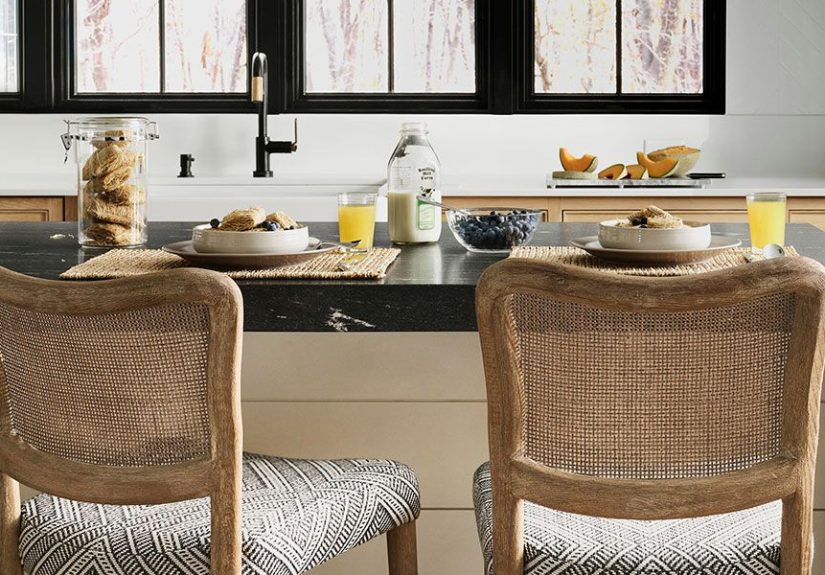
The kitchen remains the queen of home trends, and she is going through a very flattering phase. The current kitchen is warmer in tone, more tactile in finish, and smarter in function. Flat-panel cabinetry is still common, but softer traditional profiles and richer woods are rising. Workstation sinks, integrated storage, concealed appliances, beverage areas, and better-organized pantries make kitchens more efficient without screaming for attention.
Stone is doing more visual work too. Quartzite, veined surfaces, and natural-looking slabs add depth. Backsplashes are stretching higher, countertops are becoming statement elements, and mixed materials are more accepted. A kitchen might now combine wood cabinets, brushed metal hardware, stone counters, plaster walls, and vintage stools without looking confused. In fact, that mix is exactly what makes the room feel current.
8. Outdoor Living Is Now a Real Extension of the House
Outdoor space is no longer treated like a side quest. Patios, porches, courtyards, terraces, and gardens are being designed as true living zones. That means dining areas, outdoor kitchens, fire features, weather-resistant furniture, layered lighting, shade structures, and landscaping that feels intentional rather than accidental.
Even smaller yards can benefit from this trend. A compact patio with comfortable chairs, an outdoor rug, potted greenery, and string-free layered lighting can feel like a legitimate room. People want the outdoors to support entertaining, relaxing, and everyday life. The result is a stronger connection between house and landscape, which also makes the home feel larger and more usable overall.
9. Smart Homes Are Getting Quieter and More Useful
Tech in the home is becoming less flashy and more invisible. Instead of chasing novelty, homeowners are focusing on practical smart features that improve comfort, security, and efficiency. Quiet AI-assisted sensors, climate controls, lighting systems, leak detection, better energy monitoring, and integrated protection tools are all gaining traction.
The keyword here is subtlety. The best smart-home upgrades are the ones that solve problems without turning the living room into a spaceship. Technology is becoming part of the background design language, especially when it helps lower energy use, improve comfort, or protect the home from damage.
10. Resilience and Sustainability Are Becoming Design Priorities
Another major trend is resilience. Homeowners are paying more attention to flood protection, wildfire readiness, durable materials, energy efficiency, and upgrades that help a house handle environmental stress. Sustainability is also maturing. People still care about eco-friendly choices, but there is more emphasis now on products that last, materials with lower impact, and renovations that improve performance rather than just checking a trendy green box.
This is why long-lasting furniture, quality windows, better insulation, efficient appliances, rain-conscious landscaping, and durable exterior materials are part of today’s design conversation. Sustainability in modern homes is becoming less performative and more practical. If something lasts longer, works better, and wastes less, it fits the direction the market is heading.
What Trends Are Fading?
Not every popular look is surviving the style shake-up. Some design choices are beginning to feel tired because they flatten personality instead of supporting it. All-white kitchens, wall-to-wall gray, overly staged minimalism, generic accent walls, and overly open layouts are losing momentum. Fast furniture is also under pressure as more homeowners look for quality, longevity, and pieces that feel collected rather than disposable.
That does not mean every neutral room is doomed. It just means the most appealing spaces now tend to have contrast, texture, and intention. Even a neutral room needs warmth, shape, and something that tells a story. The goal is less perfection and more presence.
How to Use Home Trends Without Making Your House Look Trendy
The smartest way to approach home trends is to borrow the ideas, not the costume. You do not need to redesign your whole house every time a stylish sofa gets popular online. Start with the themes that have staying power: better function, more warmth, richer texture, stronger identity, and improved comfort.
For example, instead of chasing ten micro-trends at once, you might paint one room a deeper color, swap cool-toned furniture for wood with character, add better lamps, bring in a vintage piece, or create an outdoor corner you actually use. If your bathroom feels stressful, focus on storage, lighting, and materials that soften the room. If your kitchen feels cold, try warmer hardware, a richer paint color, and textiles that make it feel inhabited by actual humans who eat soup.
The point is not to create a showroom. It is to build a home that feels better this year, next year, and ideally long after the algorithm has moved on to whatever comes after cabbagecore, dopamine decor, or any other phrase that sounds like it was invented during a sugar rush.
Experiences With Home Trends in Real Life
What makes home trends fascinating is how differently they feel once they leave the magazine spread and enter ordinary life. A room can look beautiful in a photo, but the real test is whether it makes weekday mornings easier, family dinners less chaotic, and Sunday afternoons more enjoyable. That is where today’s trends actually shine. Many of the strongest ideas are not just decorative. They improve how people move through a house, how they relax, and how they connect with one another.
Take the shift toward warmer materials and layered textures. In real homes, this often changes the mood immediately. A space with wood tones, soft fabrics, and gentle lighting feels more forgiving. It does not demand perfection. Guests sit down more easily. Kids do not look like they are one cracker away from ruining an aesthetic experiment. Homeowners often describe these spaces as calmer, but what they really mean is that the room finally feels livable.
The same is true for color. People are often nervous before painting a room deep green, muddy blue, or warm terracotta, but once it is done, the reaction is usually less “Wow, how trendy,” and more “Why didn’t I do this sooner?” A dining room with richer color can make dinner feel more intentional. A moody bedroom can encourage better rest. Even a small powder room with dramatic wallpaper can become one of the most memorable spaces in the house. The emotional effect is often bigger than the visual one.
Flexible layouts also feel different in real life than they do on paper. A slightly separated living room can reduce noise. A reading nook can become the most used corner in the house. A mudroom with actual storage can lower daily friction in a way that feels almost suspiciously powerful. These design shifts may not sound glamorous, but they are the kinds of changes people notice every day. Good home trends are often just smart problem-solving wearing better clothes.
Outdoor living is another example. A well-designed patio does not need a mansion-sized yard to matter. In practice, even a modest outdoor setup can change routines. Morning coffee moves outside. Friends stay longer. Children play within sight. A quiet evening feels more restorative when there is a comfortable chair, decent lighting, and a few plants doing their best to look expensive. The experience is not about luxury in the flashy sense. It is about usefulness and atmosphere working together.
Perhaps the most interesting real-world experience connected to home trends is the growing desire for emotional attachment. People want homes that reflect memory, identity, and comfort. That might come from a restored vintage cabinet, a family-friendly kitchen layout, handmade tile, or a room painted a color that would never survive an overly cautious resale seminar. When a home starts to feel personal, people tend to care for it differently. They use it more fully. They enjoy it more deeply. And they stop chasing every new trend because the house already feels like theirs.
That may be the most meaningful trend of all. The best homes today are not trying to impress from a distance. They are trying to support life up close. And honestly, that is a trend worth keeping.
Conclusion
Today’s home trends are less about rules and more about priorities. Warmth beats cold perfection. Character beats sameness. Comfort, wellness, resilience, and flexibility matter just as much as style. The best homes now mix beauty with usefulness and trend awareness with personal taste. Whether you are renovating a kitchen, refreshing a living room, or simply trying to make your home feel better on a Tuesday night, the strongest trend is clear: design for real life, then make it gorgeous.