Table of Contents >> Show >> Hide
- Why Winter Can Mess With Your Mood
- What a SAD Lamp Actually Is
- How I Started Using a SAD Lamp This Winter
- How a SAD Lamp May Help
- What Helped the Lamp Work Better for Me
- What a SAD Lamp Cannot Do
- How to Choose a SAD Lamp Without Falling for Shiny Nonsense
- My Honest Verdict After a Winter of Using One
- 500 More Words on the Experience: What It Actually Felt Like
- Conclusion
Every winter, I like to imagine I am a cozy, mysterious person who thrives in gray weather. In reality, by mid-January I become a houseplant with email access. My motivation drops, my energy disappears, and suddenly even answering a text feels like a group project. This winter, though, I finally tried a SAD lamp, also called a light therapy lamp, and it made a surprisingly real difference in my mood.
No, it did not turn me into a glittering beacon of joy who wakes up at 5:30 a.m. to journal about gratitude. Let us stay rooted in reality. But it did help me feel more awake, more steady, and less like my brain had been wrapped in a cold, damp blanket. Once I learned how to use it correctly and consistently, it became one of the most useful parts of my winter routine.
If you have ever felt your mood slide as the days got shorter, you are not imagining things. There is a reason people talk about the “winter blues,” and there is also a more serious condition called seasonal affective disorder, or SAD. This article blends personal-style experience with real-world medical guidance on light therapy, what a SAD lamp can and cannot do, and why this little glowing rectangle earned permanent winter countertop status in my home.
Why Winter Can Mess With Your Mood
When winter rolls in, the most obvious thing that changes is the amount of daylight. The less obvious thing is what that change does to your body clock, sleep-wake rhythm, and mood. Shorter days and darker mornings can make it harder for your brain and body to stay synced up. That can leave you feeling sleepy, sluggish, moody, unmotivated, and weirdly offended by the existence of 4:45 p.m. sunsets.
For some people, those changes are mild. They feel less social, more tired, and a little blah. For others, winter hits harder. Seasonal affective disorder is more than just disliking cold weather or wishing the sun had better office hours. It can come with symptoms like low mood, low energy, oversleeping, trouble concentrating, changes in appetite, and less interest in activities that usually feel enjoyable.
That distinction matters. A bad-weather slump and a clinical mood issue are not identical. Still, both can make winter feel longer than a tax seminar in an airport waiting area. That is one reason light therapy gets so much attention. It tries to replace some of what shorter, darker days take away.
What a SAD Lamp Actually Is
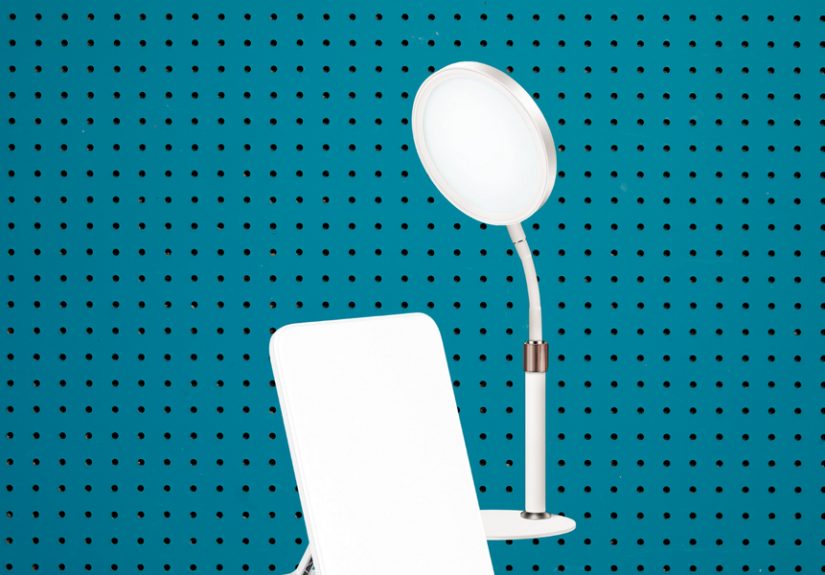
A SAD lamp is not a regular desk lamp with excellent marketing. It is a light therapy device designed to deliver bright light at a specific intensity, usually measured in lux. Most experts recommend looking for a lamp or light box that provides 10,000 lux and filters out ultraviolet light. That is the sweet spot commonly discussed in medical guidance because it aims to mimic bright outdoor light exposure without requiring you to move to Arizona for three months.
The lamp is usually placed in front of you or slightly off to the side while you keep your eyes open but avoid staring directly into it. You can use it while reading, working, eating breakfast, scrolling through headlines, or pretending to understand your calendar. The point is not to bathe in drama like a movie villain. The point is consistent, practical exposure.
It Is Not Just About Brightness
People often assume any bright lamp will do. Not quite. A true light therapy lamp is designed for therapeutic use. Details matter: the lux level, UV filtering, placement, and timing all affect how helpful it may be. This is why buying the cheapest random glow box online and hoping for emotional fireworks is not the ideal strategy.
It also matters that light boxes are not magic. They are a tool. A good one, for many people, but still a tool. Think of it like supportive footwear for your mood. Helpful? Yes. A substitute for all other forms of care? Absolutely not.
How I Started Using a SAD Lamp This Winter
I started using mine when I noticed the usual winter pattern creeping in. I was sleeping longer but waking up feeling less rested. My focus felt foggy. Small tasks became suspiciously dramatic. I was less interested in exercise, less likely to go outside, and more likely to treat carbs like emotional support roommates.
So I set up the lamp on my desk and used it first thing in the morning, within the first hour after waking up. That timing matters. Morning use is generally recommended because late-day light therapy can interfere with sleep. In other words, the lamp is supposed to help your brain understand, “Good morning, we are awake now,” not “Surprise, it is noon forever.”
I started with about 20 minutes while drinking coffee and checking my to-do list. Some days I went closer to 30 minutes. I kept it about an arm’s length away, slightly off to the side, and I did not stare directly at it. My goal was consistency, not intensity theater.
The First Week: Nothing Cinematic, But Definitely Something
I did not have a dramatic montage moment where the clouds parted and I suddenly became the main character in a wellness commercial. What I noticed first was subtle: mornings felt less punishing. I woke up a little more alert. My brain felt less gummy. I was still me, but a more functional version of me.
By the second week, the changes were easier to name. My mood felt flatter in a good way, meaning fewer emotional dips. I had more mental energy in the late morning. I felt less tempted to crawl back into bed or spend half the day negotiating with myself about basic chores. The lamp did not make winter disappear, but it did lower the volume on it.
How a SAD Lamp May Help
Experts believe bright light therapy may help by supporting your circadian rhythm and influencing brain systems linked to mood, alertness, and sleep. That is why people often report improvements not just in mood, but also in energy and concentration. For some, it can also help regulate sleep timing, which matters because sleep and mood love to drag each other around like overly involved siblings.
That connection was a big part of my experience. Once my mornings improved, the rest of the day started behaving better too. I was more likely to get dressed earlier, move around, eat on a more regular schedule, and start work without feeling like my soul had requested unpaid leave. That ripple effect is easy to underestimate, but it is real.
Another thing I liked was how low-effort the routine became. I did not have to carve out a heroic wellness block. I just sat near the lamp while doing things I was already going to do. Breakfast, laptop, light. It fit into life instead of demanding a whole new personality.
What Helped the Lamp Work Better for Me
1. Using It Early
Morning use made the biggest difference. If I waited until late morning or afternoon, the effect felt weaker. When I used it soon after waking up, I felt more alert and mentally organized.
2. Being Consistent
One session did not change my life. Daily use did. The lamp worked best when I treated it like brushing my teeth or making coffee: not optional, not dramatic, just part of the routine.
3. Pairing It With Real Habits
Light therapy helped the most when I also did the boring but annoyingly effective basics: going outside during daylight, moving my body, keeping a steadier sleep schedule, and staying socially connected. Winter mood support is often less about one miracle trick and more about stacking several solid habits until your brain stops filing complaints.
4. Keeping Expectations Reasonable
The lamp did not make me cheerful every second. It made me more stable, more awake, and less weighed down. That was enough to matter. In fact, realistic expectations may be part of why people stick with it long enough to benefit.
What a SAD Lamp Cannot Do
Let us give the lamp the respect it deserves without asking it to become a licensed therapist, a sleep coach, and an entire support system. A SAD lamp can be helpful, but it is not a cure-all. If your symptoms are persistent, severe, or affecting daily life, you should talk with a healthcare professional.
Light therapy may not be appropriate for everyone. People with certain eye conditions, photosensitivity, bipolar disorder, or those taking medications that increase light sensitivity should check with a clinician before starting. That is not the lamp being dramatic. That is just basic health common sense.
And if your mood symptoms keep hanging around for two weeks or more, get worse, or interfere with school, work, relationships, or self-care, that is a sign to seek professional support. A lamp is a tool, not a test of toughness. You do not get extra points for trying to white-knuckle your way through winter misery.
How to Choose a SAD Lamp Without Falling for Shiny Nonsense
If you are shopping for one, look for a few basics. First, make sure it is intended for light therapy and provides 10,000 lux at a usable sitting distance. Second, check that it filters out UV light. Third, make sure the design fits your actual life. If it is too bulky, too ugly, too annoying to set up, or too complicated, it may end up living in a closet next to abandoned resistance bands and your best intentions.
I also think it helps to choose a lamp that works with your morning setup. Mine fits on a desk and does not require a full ceremonial arrangement. I can switch it on, drink coffee, answer email, and get the benefit without rearranging the room like I am preparing for a solar eclipse.
My Honest Verdict After a Winter of Using One
Did the SAD lamp fix everything? No. Did it noticeably improve my winter mood, energy, and morning function? Yes. And that is a meaningful yes.
The biggest benefit was not euphoria. It was relief. Relief from that heavy winter drag. Relief from waking up already tired. Relief from the sense that the day was starting three steps behind me. The lamp did not turn winter into summer, but it gave me a better foothold inside the season.
That matters because when your mood is even a little better, you are more likely to do the other things that support mental health. You go outside. You answer messages. You cook something that did not come out of a wrapper. You move your body. You remember that life is not supposed to feel like a never-ending Tuesday in a dark parking garage.
500 More Words on the Experience: What It Actually Felt Like
What surprised me most was how ordinary the improvement felt. I think many people expect a wellness product to deliver a dramatic before-and-after transformation. One day you are in a blanket burrito staring into space, and the next day you are color-coding your pantry while jazz plays in the background. That was not my experience, and honestly, I am glad. The change was quieter, more believable, and easier to trust.
Before I started using the lamp, my winter mornings had a very specific flavor. I would wake up feeling like I had slept inside a cave, and my brain would take forever to start. Even after coffee, I still felt mentally dimmed, like somebody had turned down the brightness on my personality. I was not always miserable, exactly. I was just dulled. Flat. Less interested in everything. Small inconveniences felt bigger. Simple choices felt harder. My patience got shorter, and my motivation became a part-time employee.
Once the lamp became part of my morning routine, the first thing I noticed was not happiness. It was momentum. I could start the day with less friction. I was more likely to sit down and begin working instead of wandering around the kitchen as if a better mood might be hiding in a cabinet. I felt less tempted to crawl back under the blanket and negotiate with reality for another hour. The difference was especially noticeable on dark, cloudy mornings when natural light was basically nonexistent.
I also noticed that the lamp seemed to reduce that classic winter mental fuzziness. My concentration was not perfect, but it was better. I could get through reading, writing, and planning tasks with less internal resistance. It felt like my brain got the memo earlier in the day. That alone changed my mood because there is something uniquely discouraging about feeling behind before breakfast.
Another benefit was emotional steadiness. I still had stressful days. I still got annoyed by emails, laundry, and the annual betrayal of dry winter skin. But I felt less vulnerable to those moody dips that used to hit when the weather was cold and the sky looked like wet cement. The lamp did not make me bubbly. It made me less weighed down. That is a win I will happily take.
There was also something psychologically comforting about having a concrete routine. Winter can make you feel passive, as if you are just enduring the season. Using the lamp gave me a sense that I was doing something supportive rather than waiting around for April to rescue me. That small feeling of agency matters more than people realize. When your mood is low, tiny routines can become anchors.
If I skipped a few mornings, I could tell. The days felt slower and heavier again. That did not make me panic; it just confirmed that consistency mattered. So I stopped thinking of the lamp as a gadget and started treating it as part of winter maintenance, like a coat, better sleep habits, or actually leaving the house before noon.
By the end of the season, my opinion was simple: a SAD lamp is not hype, but it does work best when you use it correctly and pair it with common-sense habits. For me, it was not a miracle cure. It was a practical mood-support tool that made winter easier, mornings brighter, and my overall routine more manageable. Frankly, that is more than I can say for most things marketed to tired people in January.
Conclusion
If winter has a habit of flattening your mood, draining your energy, and turning your mornings into a slow-motion wrestling match with the alarm clock, a SAD lamp may be worth considering. Used correctly, it can be a practical, evidence-informed way to support mood, alertness, and routine during darker months.
My experience was not dramatic, but it was real. The lamp helped me feel more awake, more emotionally steady, and more capable of doing the normal daily things that winter had been making unnecessarily hard. It did not solve every problem, but it gave me enough lift to move through the season with more ease and less gloom. And in the dead of winter, that is not a small thing. That is a bright spot.