Table of Contents >> Show >> Hide
- The short answer: it was all about size
- What exactly was a silver dollar?
- Why the name caught on in American food culture
- Are silver dollar pancakes actually different from regular pancakes?
- Was there one inventor of silver dollar pancakes?
- Why the name still works today
- How to make pancakes that actually deserve the name
- The bigger story behind a tiny pancake
- Experiences and memories tied to silver dollar pancakes
- Conclusion
- SEO Tags
Silver dollar pancakes may be tiny, but their name has a surprisingly big backstory. At first glance, the answer seems almost too simple: they are called silver dollar pancakes because they are about the size of an old U.S. silver dollar coin. Case closed, right? Well, mostly. But like any good breakfast tale, there is more sizzling on the griddle.
The phrase stuck because it did something every successful food name does: it painted a picture instantly. Before anyone took a bite, they already knew what to expect. Not a giant diner flapjack hanging off the plate like a wool blanket. Not a crepe so thin it needed emotional support. A silver dollar pancake was small, round, cute, and snackable. In other words, it was breakfast with excellent branding long before branding became everyone’s favorite corporate buzzword.
To understand how silver dollar pancakes got their name, you have to look at both sides of the plate: the coin itself and the American love affair with pancakes. Once those two stories meet, the name makes perfect sense.
The short answer: it was all about size
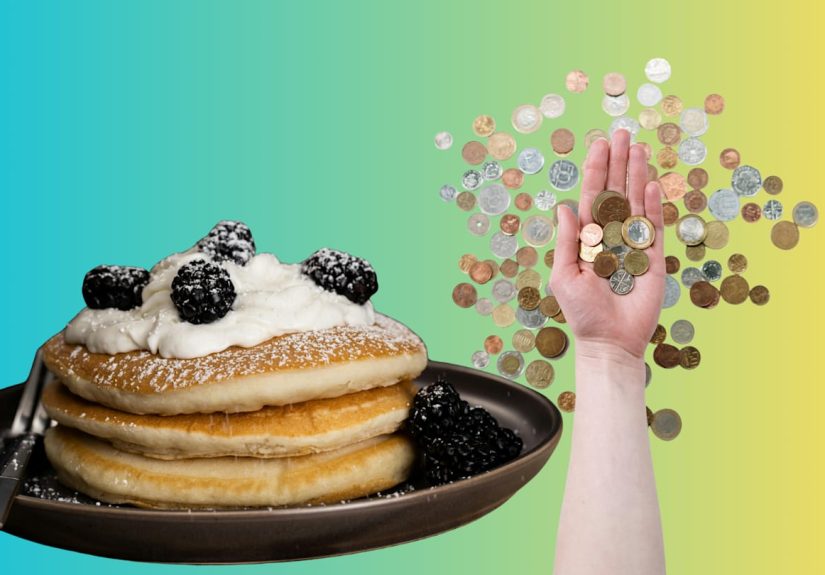
Silver dollar pancakes got their name because they were made to resemble old silver dollar coins in diameter. Traditional U.S. silver dollars were larger than the modern one-dollar coins many people know today. That matters because the comparison only really clicks when you picture the older coin, which measured roughly 1.5 inches across.
That is almost exactly the sort of size cooks mean when they talk about silver dollar pancakes. These miniature pancakes are usually made with small spoonfuls of batter, often around a tablespoon each, so they cook into neat little rounds. The result is a pancake that looks less like a standard breakfast disc and more like a tiny edible coin purse deposit.
So no, the name was not inspired by a silver color, some old mining-town breakfast law, or a prospector who got emotional in front of a griddle. It was a straightforward visual comparison that stuck because it was memorable and useful.
What exactly was a silver dollar?
Before modern dollar coins became smaller and less dramatic, the silver dollar was a large, hefty coin that carried real visual presence. Historically, U.S. silver dollars were made of silver and circulated in various forms beginning in the 18th century. Later coins like the Morgan and Peace dollars became especially iconic. If you have ever seen one in person, you know it does not feel dainty. It feels like money with shoulder pads.
That size is the key to the pancake name. A silver dollar was big enough to be instantly recognizable, yet small enough to serve as a convenient kitchen comparison. Cooks have always used familiar objects to describe size: pea-sized, walnut-sized, baseball-sized, and so on. Silver dollar pancakes fit right into that tradition. The term told home cooks and diners exactly what kind of pancake they were getting.
And here is an important detail: the comparison refers to the old silver dollar, not the smaller modern dollar coin. That is why older references and food writers often describe silver dollar pancakes as the size of an “old-school” coin. The name is a little time capsule from a period when that comparison made immediate sense to more people.
Why the name caught on in American food culture
1. It was vivid and easy to remember
Food names survive when they do useful work. “Silver dollar pancakes” is more vivid than “mini pancakes” because it gives shape, scale, and a hint of nostalgia in three words. It sounds charming. It sounds American. It sounds like something you would order at a roadside diner while pretending you are absolutely going to eat only five and then accidentally eating sixteen.
That kind of language thrives in menus, cookbooks, and home kitchens. It is colorful without being confusing. You do not need a glossary, a culinary degree, or a TED Talk to understand it.
2. Pancakes were already deeply rooted in American breakfasts
Pancakes have a long global history, but in the United States they became especially associated with homey breakfasts, diners, church suppers, weekend brunches, and family tables. As American pancakes evolved into thick, fluffy griddle cakes, the culture around them grew too. Once pancakes were firmly established as a breakfast classic, variations naturally followed: blueberry pancakes, buttermilk pancakes, buckwheat pancakes, dollar-sized pancakes, and everything in between.
The development of modern baking powder in the 19th century also helped shape the fluffy pancake style Americans now take for granted. That broader pancake culture made it easy for smaller versions to catch on. Silver dollar pancakes were not a radical reinvention. They were just a clever, cute, practical variation on something Americans already loved.
3. The mini format solved real breakfast problems
Regular pancakes are delicious, but silver dollar pancakes have perks. They cook quickly, flip easily when made well, stack neatly, and are ideal for serving a crowd. They are also popular with kids, brunch spreads, and breakfast platters where pancakes share space with eggs, bacon, fruit, or sausage.
Mini pancakes also feel playful. A full-size pancake says, “Good morning.” A plate of silver dollar pancakes says, “Good morning, and also I brought tiny joy.” That appeal helped keep the term alive across recipes, restaurants, and family traditions.
Are silver dollar pancakes actually different from regular pancakes?
Usually, not by much. In most recipes, the batter is basically the same as the batter used for standard pancakes. Flour, baking powder, milk, eggs, butter, and maybe a little sugar all show up to do their dependable breakfast magic. The biggest difference is portion size and cooking technique.
Because the pancakes are smaller, they often cook more evenly and faster than large pancakes. They can be easier to keep fluffy in the center while still getting lightly crisp edges. That makes them ideal for quick breakfasts and for cooks who like a little more control over texture.
They also change the eating experience. A giant pancake invites knife-and-fork commitment. Silver dollar pancakes invite popping, dipping, stacking, and sharing. You can dress them up with fruit and whipped cream, serve them plain with butter and maple syrup, or turn them into brunch board stars. They are less a single pancake than a tiny breakfast fleet.
Was there one inventor of silver dollar pancakes?
Probably not in the way people often imagine. There is no widely credited single inventor attached to the name in mainstream culinary references. That is because the term appears to be descriptive rather than proprietary. In plain English, people likely started calling the pancakes “silver dollar” pancakes because that was the easiest way to describe their size, and the phrase simply stuck.
This happens all the time in food language. Names are often born from shape, color, place, or resemblance. Think of thumbprint cookies, pigs in a blanket, or shoestring fries. Silver dollar pancakes belong to that same wonderfully literal club. The name did not need a grand launch. It just needed enough people to say, “Pass the silver dollar pancakes,” and for everyone else to know exactly what that meant.
Why the name still works today
Even though fewer Americans handle old silver dollars now, the phrase still survives because it has become a fixed food term. Once a name settles into recipes, restaurant menus, magazines, and home cooking traditions, it can outlive the everyday object that inspired it. Plenty of people order silver dollar pancakes without ever holding a historic silver dollar coin. That is the power of culinary language: it keeps old comparisons alive long after the original reference fades from daily life.
In fact, the name may now do even more work than it used to. Today it signals not just size, but also style. Say “silver dollar pancakes,” and many people picture a cozy breakfast, a stack of little golden rounds, and perhaps a child grinning like they just won the syrup lottery. The phrase carries texture, mood, and nostalgia.
How to make pancakes that actually deserve the name
If you want your pancakes to earn the silver dollar label honestly, keep them small and uniform. Use about a tablespoon of batter for each pancake, leave enough room on the griddle so they do not merge into one breakfast continent, and flip when bubbles form on top and the edges look set.
The goal is not just miniature size. It is proportion. A true silver dollar pancake should look deliberate, not like a regular pancake that gave up halfway through childhood. It should be round, tidy, and about the size that makes you think, “Ah yes, this would make a coin collector hungry.”
Classic toppings include butter and maple syrup, but silver dollar pancakes also shine with berries, sliced bananas, yogurt, cinnamon sugar, lemon zest, or a swipe of nut butter. Because they are small, they are easy to customize. One plate can become a pancake sampler without much extra effort.
The bigger story behind a tiny pancake
The name “silver dollar pancakes” tells a larger story about American cooking. It shows how everyday language enters the kitchen and stays there. It reveals how coinage, measurement, memory, and food culture overlap. It also reminds us that many beloved food names are not mysterious at all. They are practical, visual shortcuts that become tradition over time.
That is part of what makes this term charming. It does not try too hard. It is descriptive, homey, and a little old-fashioned. It sounds like something passed from cook to cook, from diner server to customer, from grandparent to child. And because the comparison is so concrete, the name keeps making sense even generations later.
So how did silver dollar pancakes get their name? By looking like old silver dollars, plain and simple. But the reason the phrase endured is more interesting: it fit perfectly into the rhythms of American breakfast culture, where good names stick just as surely as bad batter sticks to an ungreased pan.
Experiences and memories tied to silver dollar pancakes
If there is one reason silver dollar pancakes have stayed beloved, it is that they feel larger in memory than they are in real life. For many people, they are not just pancakes. They are weekend pancakes. Vacation pancakes. Grandparent pancakes. Diner pancakes served on a plate that looked comically too big for them, as if the kitchen had decided to make breakfast adorable on purpose.
Silver dollar pancakes often show up in the kinds of meals people remember for decades. A regular stack can feel routine. A plate of tiny pancakes feels intentional, almost festive. Children love them because they look manageable and fun. Adults love them because they are nostalgic and just a little ridiculous in the best possible way. There is something about a miniature version of a comfort food that makes everyone behave like they have been handed good news.
They also create a different rhythm at the table. Instead of cutting one big pancake into sections, you pick up one perfect little round after another. You can dip each one, stack them in silly towers, or line them up beside scrambled eggs and bacon like a breakfast still life. They invite conversation because they are playful. Nobody waxes poetic over a sad frozen waffle. People absolutely wax poetic over silver dollar pancakes.
In family kitchens, they are often one of the first pancakes children help make. Pouring a small spoonful of batter feels achievable. Flipping a tiny pancake feels like a culinary rite of passage. There is usually at least one misshapen pancake in the batch, of course. That is kitchen law. But even the lopsided ones get eaten, usually by the cook, who claims they are “just testing quality control” with the seriousness of a scientist and the syrup-sticky grin of a raccoon.
Silver dollar pancakes also shine in travel memories. They turn up in hotel breakfast buffets, roadside diners, brunch cafés, and family reunions where somebody decided the easiest way to feed a crowd was to make a mountain of little pancakes instead of wrestling giant ones all morning. They are practical, yes, but they also feel generous. A platter of silver dollar pancakes says, “Take as many as you want.” That is a very American kind of breakfast hospitality.
And then there is the sensory part: the smell of butter on a hot griddle, the quick appearance of bubbles on the surface, the light golden color when they turn, the soft thud as they land on a warm plate. Because they cook quickly, silver dollar pancakes create a steady stream of breakfast, which means people tend to eat them fresh and hot. That only adds to their legend.
So while the name comes from a coin, the staying power comes from experience. Silver dollar pancakes are tied to comfort, abundance, and cheerful little rituals. They may have been named for money, but what people really treasure is the memory of eating them.
Conclusion
Silver dollar pancakes got their name because they resemble the size of old U.S. silver dollar coins. That is the simple answer. The richer answer is that the phrase survived because it was useful, vivid, and perfectly suited to American breakfast culture. It gave cooks and diners an easy way to describe a mini pancake with maximum charm.
Over time, the term became more than a size reference. It came to represent a style of pancake that feels nostalgic, family-friendly, and a little celebratory. Whether they are served in a diner, made for a weekend brunch, or stacked on a kid’s breakfast plate, silver dollar pancakes continue to prove that a tiny food can carry a very big identity.