Table of Contents >> Show >> Hide
- Why Air Stones Get Dirty
- Supplies You’ll Need
- How to Clean an Air Stone: 9 Steps
- Step 1: Turn Off the Air Pump
- Step 2: Disconnect the Air Stone from the Airline Tubing
- Step 3: Rinse Away Loose Debris
- Step 4: Scrub the Surface Gently
- Step 5: Soak in Vinegar for Mineral Deposits
- Step 6: Use Hydrogen Peroxide for Organic Buildup
- Step 7: Deep Clean with Diluted Bleach Only When Needed
- Step 8: Dechlorinate, Flush, and Air-Dry
- Step 9: Test the Bubble Pattern Before Returning It
- How Often Should You Clean an Aquarium Air Stone?
- When Should You Replace an Air Stone?
- Common Mistakes to Avoid
- Best Cleaning Method by Problem
- Extra Experience: What Cleaning Air Stones Teaches You Over Time
- Conclusion
A good air stone is the tiny bubble machine your aquarium didn’t know it neededuntil it stops working. One day it is making a cheerful curtain of fine bubbles, and the next day it is producing three sad burps in the corner like it has given up on life. The most common reason? Clogs. Over time, algae, biofilm, mineral deposits, fish waste, and general aquarium gunk can block the tiny pores in an air stone.
Learning how to clean an air stone is a simple but useful aquarium maintenance skill. A clean air stone improves water movement, supports gas exchange, helps equipment like sponge filters work properly, and keeps your aquarium looking lively. Even better, cleaning one usually takes only a few basic supplies: clean water, a soft brush, vinegar, hydrogen peroxide, or a carefully diluted bleach solution when deeper disinfection is needed.
This guide explains how to clean an aquarium air stone in 9 practical steps, when to use each cleaning method, what to avoid, and how to know when it is time to replace the air stone instead of trying to rescue it like a tiny underwater antique.
Why Air Stones Get Dirty
Air stones are made from porous materials such as ceramic, mineral stone, plastic, or wood. Their job is to break air from an aquarium pump into smaller bubbles. Because they sit underwater all day, they naturally collect residue. In freshwater tanks, hard water minerals can leave calcium deposits. In planted tanks or tanks with strong lighting, algae may grow on the surface. In tanks with heavy feeding, organic debris and biofilm can build up faster.
A clogged air stone does not always look dramatic. Sometimes it simply makes larger bubbles, produces bubbles from only one side, or forces the air pump to work harder. If the pump sounds louder than usual, the airline tubing is fine, and the bubbles are weak, the air stone is probably asking for a spa day.
Supplies You’ll Need
- A clean bucket or container used only for aquarium maintenance
- Fresh water or dechlorinated water
- A soft toothbrush or small cleaning brush
- White vinegar for mineral buildup
- 3% hydrogen peroxide for organic buildup and algae
- Unscented household bleach for deep cleaning, if needed
- Aquarium water conditioner or dechlorinator
- Paper towels or a clean towel
- Your aquarium air pump and airline tubing
Avoid soap, dish detergent, scented cleaners, glass cleaners, and mystery chemicals from under the sink. Fish are sensitive to residues, and soap is one of those “seemed like a good idea for seven seconds” aquarium mistakes.
How to Clean an Air Stone: 9 Steps
Step 1: Turn Off the Air Pump
Before removing the air stone, turn off the air pump. This prevents water from moving backward through the airline tubing and keeps the setup calm while you work. If your pump sits below the aquarium waterline, make sure your system has a check valve installed. A check valve helps stop water from siphoning back into the pump during power outages or maintenance.
Once the pump is off, gently lift the air stone from the tank. Try not to yank the airline tubing, especially if it is tucked behind decorations or connected to a sponge filter. Aquarium equipment enjoys tangling itself at the worst possible time, so patience wins here.
Step 2: Disconnect the Air Stone from the Airline Tubing
Remove the air stone from the tubing by twisting it gently while pulling. If it is stuck, do not crush the stone with pliers or bend the connector too hard. Old tubing can grip tightly, especially if it has hardened. In that case, soak the end of the tubing in warm water for a minute to soften it, then try again.
Inspect the tubing while you are there. A weak bubble stream is not always the air stone’s fault. Kinked tubing, a clogged check valve, or a tired air pump diaphragm can also reduce airflow. Cleaning the air stone is a great time to check the whole bubble system, because aquariums love teamwork almost as much as they love growing algae on the front glass.
Step 3: Rinse Away Loose Debris
Hold the air stone under running water and rinse away loose particles. Use cool or lukewarm water rather than very hot water, especially for plastic or glued parts. Rotate the stone so water reaches all sides. If you see algae, slime, or brown buildup, rinse until the surface looks less swampy.
For routine cleaning, this step alone may make a difference. Many air stones clog from surface buildup rather than deep internal blockage. If bubbles were only slightly reduced, a rinse and scrub may be enough to bring them back.
Step 4: Scrub the Surface Gently
Use a soft toothbrush to scrub the outside of the air stone. Work in small circles and focus on visibly dirty spots. The goal is to remove algae, biofilm, and debris without grinding the porous surface into powder. Ceramic air stones are usually sturdy, but wooden and very cheap stones can crumble if handled too aggressively.
If your air stone is attached to a decorative bubbler, LED wand, treasure chest, volcano, or other aquarium ornament with a personality disorder, clean the surrounding surfaces too. Algae around the stone can break loose later and clog the pores again.
Step 5: Soak in Vinegar for Mineral Deposits
If your aquarium has hard water or you see white, chalky buildup, soak the air stone in a solution of equal parts white vinegar and water for one to two hours. Vinegar helps loosen mineral deposits such as calcium carbonate. This is especially useful in tanks where the air stone gradually becomes crusty even though it is not covered in algae.
After soaking, scrub the surface again with the toothbrush and rinse thoroughly. Vinegar is useful for minerals, but it is not a magic wand for every clog. If the stone is blocked by organic slime or stubborn algae, hydrogen peroxide may work better.
Step 6: Use Hydrogen Peroxide for Organic Buildup
For algae, biofilm, or brown organic grime, soak the air stone in 3% hydrogen peroxide for 30 to 60 minutes. Hydrogen peroxide can help break down organic matter and lift residue from the pores. You may notice fizzing, which is normal. That little science-fair volcano effect means the peroxide is reacting with organic material.
When the soak is finished, rinse the air stone well under running water. Then place it in a container of clean water and let it sit for several minutes. Hydrogen peroxide breaks down into water and oxygen, but thorough rinsing is still a good habit before returning anything to an aquarium.
Step 7: Deep Clean with Diluted Bleach Only When Needed
If the air stone is badly clogged, smells unpleasant, or came from a tank with a disease concern, a diluted unscented bleach solution can be used for deep cleaning. Mix one part plain household bleach with nine parts water, or use an even milder solution if the stone is only moderately dirty. Soak the air stone for 10 to 30 minutes for a basic disinfection, or longer for a heavily clogged stone that you are trying to rescue.
Only use regular unscented bleach. Do not use splashless bleach, scented bleach, gel bleach, or cleaners mixed with detergents. The label should not read like a perfume menu. After soaking, remove the air stone and rinse it thoroughly several times.
Bleach can be effective, but it must be treated seriously. Never mix bleach with vinegar, acids, ammonia, or other cleaners. Mixing household chemicals can create dangerous fumes. Choose one method at a time, rinse between methods, and keep the process simple.
Step 8: Dechlorinate, Flush, and Air-Dry
After any bleach soak, place the air stone in a container of fresh water treated with aquarium dechlorinator. Let it soak for at least 15 to 30 minutes, then replace the water and repeat if you still smell chlorine. Next, connect the air stone to the air pump and run it in clean dechlorinated water for several minutes. This helps push water through the pores and flush out residue from inside the stone.
Finally, let the air stone air-dry completely. Drying gives remaining chlorine time to dissipate and helps prevent trapped moisture from sitting inside the pores. If the air stone still smells like bleach after rinsing, dechlorinating, and drying, do not return it to the tank. Your fish did not sign up for a swimming pool membership.
Step 9: Test the Bubble Pattern Before Returning It
Before placing the air stone back in the aquarium, test it in a bucket or cup of clean water. Connect it to the pump and watch the bubble pattern. A healthy air stone should release bubbles evenly across most of its surface. It does not have to look like a professional bubble curtain at a fancy seafood restaurant, but it should not bubble from just one tiny corner.
If the bubbles are still weak, check the airline tubing, check valve, and pump. If those are working and the air stone remains clogged, replacement may be the best option. Air stones are inexpensive, and sometimes the kindest thing you can do is let the old one retire with dignity.
How Often Should You Clean an Aquarium Air Stone?
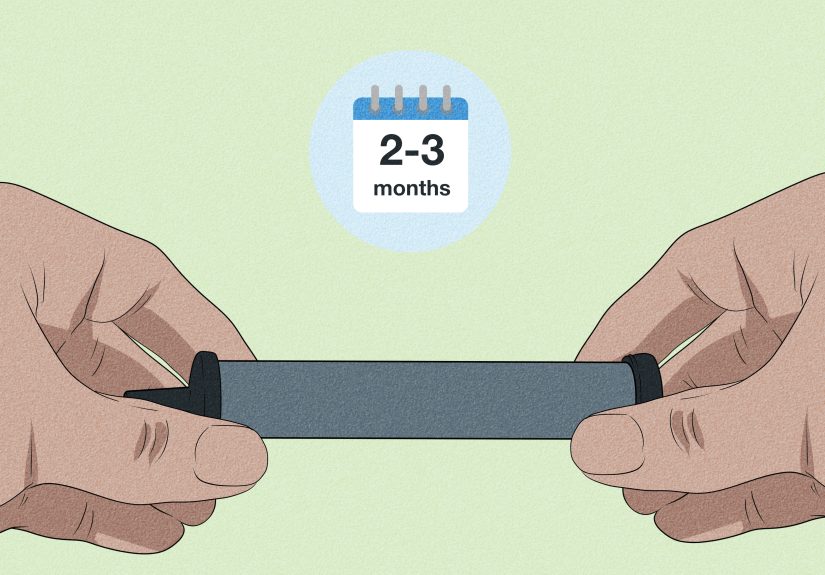
Most aquarium owners can clean air stones every four to eight weeks, depending on the tank. Heavily stocked aquariums, tanks with algae issues, hard water setups, and saltwater systems may need more frequent attention. If you notice fewer bubbles, uneven bubbling, louder pump noise, or reduced sponge filter flow, clean the air stone sooner.
For a simple routine, inspect the air stone during regular water changes. If it looks slimy or crusty, clean it. If it is still bubbling evenly, leave it alone. Aquarium maintenance is about consistency, not bothering every piece of equipment just because you are holding a bucket.
When Should You Replace an Air Stone?
Cleaning can restore many clogged air stones, but not all of them. Replace the air stone if it crumbles, cracks, sheds particles, stays clogged after deep cleaning, or produces large uneven bubbles no matter what you do. Wooden air stones, often used in some protein skimmers or specialty setups, usually have a shorter lifespan and may need replacement more often than ceramic stones.
In general, if cleaning takes more time than the air stone is worth, replace it. Keep a spare air stone in your aquarium cabinet so you are not forced into emergency shopping because your bubble situation has become emotionally complicated.
Common Mistakes to Avoid
Using Soap or Detergent
Soap residue can harm fish and invertebrates. Even a tiny amount trapped inside porous material can be difficult to remove. Stick with aquarium-safe cleaning approaches such as water, vinegar, hydrogen peroxide, or properly diluted bleach followed by dechlorinator.
Skipping the Dechlorinator After Bleach
Rinsing is important, but dechlorinator adds an extra safety step after bleach cleaning. If bleach was used, soak the air stone in dechlorinated water and run air through it before returning it to the tank.
Boiling Fragile Air Stones
Some hobbyists boil ceramic air stones for a few minutes to loosen debris, but boiling is not ideal for every type. It can weaken glued parts, crack fragile stones, or damage plastic fittings. If you are unsure what the stone is made of, use soaking methods instead.
Ignoring the Rest of the Air System
A clean air stone cannot fix a weak pump, clogged valve, or pinched airline. If bubbles remain weak after cleaning, inspect the full setup. Sometimes the villain is not the stoneit is the tubing hiding behind the tank like a guilty noodle.
Best Cleaning Method by Problem
- Light surface dirt: Rinse and scrub with a soft toothbrush.
- White mineral buildup: Soak in equal parts vinegar and water.
- Algae or biofilm: Soak in 3% hydrogen peroxide.
- Possible disease contamination: Use diluted unscented bleach, then dechlorinate thoroughly.
- Old, crumbling, or permanently clogged stone: Replace it.
Extra Experience: What Cleaning Air Stones Teaches You Over Time
After you have cleaned a few air stones, you start to recognize the personality of your aquarium. A lightly stocked tank with moderate lighting may go months before the air stone needs attention. A heavily fed goldfish tank, on the other hand, may clog air stones like it is training for an Olympic event. Goldfish are charming, but they are not exactly tidy roommates.
One useful habit is keeping two air stones in rotation. Use one in the aquarium while the other is clean, dry, and ready. When the working stone starts producing weak bubbles, swap it out and clean it without rushing. This is especially helpful if the air stone powers a sponge filter, because you do not want to leave filtration or aeration offline for long.
Another lesson is that bubble size tells a story. Fine, steady bubbles usually mean good airflow and an open surface. Large, irregular bubbles may indicate partial clogging. Bubbles from only one end often suggest that the internal pores are blocked unevenly. No bubbles at all may mean the stone is clogged, but it could also mean the check valve is backward, the pump is weak, or the tubing popped loose behind the aquarium. Always check the simple things first. Aquarium troubleshooting is basically detective work, except the witnesses are fish and they are terrible at giving statements.
Hard water tanks often create the most stubborn air stone problems. Mineral deposits can slowly narrow the pores until airflow becomes uneven. In those tanks, vinegar soaks are useful, and cleaning on a schedule works better than waiting until the air stone is nearly sealed shut. If you wait too long, the buildup can become difficult to remove completely.
Planted tanks bring a different challenge. They may develop green algae or biofilm on equipment, especially when light, nutrients, and flow are out of balance. In these setups, hydrogen peroxide can be helpful for cleaning removed equipment, but it should be used carefully and rinsed well. Also look at the bigger picture: if every air stone, tube, and decoration turns green quickly, the tank may need shorter lighting hours, better nutrient control, or improved maintenance.
Saltwater hobbyists may notice air stones clogging faster in certain setups because salt creep and mineral deposits can accumulate quickly. Wooden air stones, often used for very fine bubbles, are especially likely to lose performance over time. Cleaning may help briefly, but replacement is often part of normal maintenance.
The biggest experience-based tip is simple: do not overcomplicate it. Many air stones can be revived with a rinse, a scrub, and a short soak. Save bleach for situations that truly need disinfection or heavy-duty cleaning. Rinse more than you think you need to. Let the stone dry. Test it outside the aquarium. And keep a spare, because nothing humbles an aquarist faster than realizing a two-dollar air stone is the reason the whole tank sounds like a tired kazoo.
Conclusion
Cleaning an air stone is a small job that can make a big difference in your aquarium. Better bubbles mean better water movement, improved oxygen exchange, and happier equipment. Start with the gentlest method: rinse and scrub. Use vinegar for mineral deposits, hydrogen peroxide for organic buildup, and diluted unscented bleach only when deeper cleaning or disinfection is needed. Always rinse thoroughly, use dechlorinator after bleach, and test the air stone before returning it to the tank.
If the air stone still struggles after cleaning, replace it. Aquarium maintenance should protect your fish, not turn you into a full-time bubble archaeologist. With a simple cleaning routine and a spare air stone on hand, your tank can stay lively, healthy, and pleasantly fizzy.