Table of Contents >> Show >> Hide
- Why Shower Drains Clog (AKA: The Hair & Soap Scum Alliance)
- Drain Snake 101: Which Tool Should You Use?
- What You’ll Need
- Before You Snake: 2 Minutes of Prep That Saves 20 Minutes of Regret
- How to Clear a Clogged Shower Drain With a Drain Snake (Step-by-Step)
- Step 1: Remove the shower drain cover or strainer
- Step 2: Clear the easy stuff first
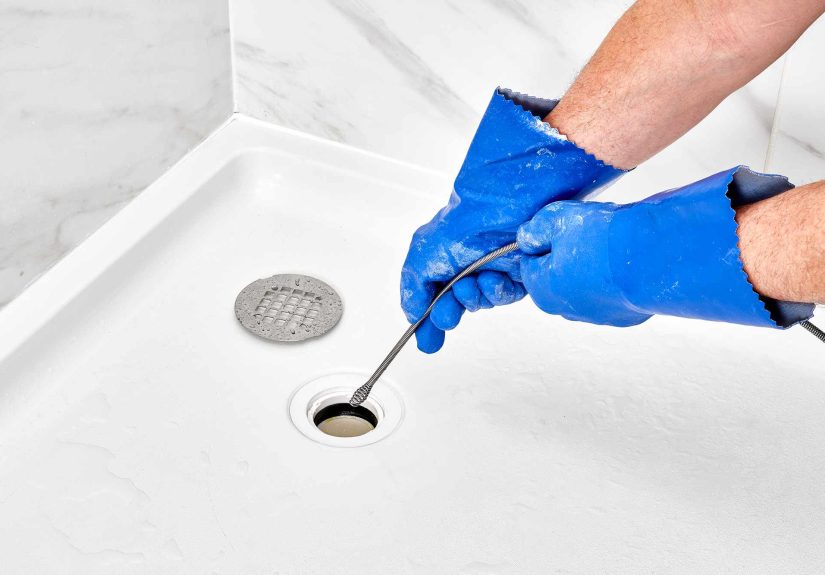
- Step 3: Feed the snake into the drain slowly
- Step 4: Rotate the handle when you feel resistance
- Step 5: Work the clog like a stubborn jar lid
- Step 6: Retrieve the snake slowly (and prepare for the gross reveal)
- Step 7: Flush with hot water and test the drain
- Step 8: Clean your snake and reassemble
- Troubleshooting: When the Snake Won’t Go Down (or Won’t Fix It)
- When to Stop DIY and Call a Plumber
- How to Prevent Shower Drain Clogs (So You Don’t Do This Again Next Month)
- of Real-World Experiences (What Usually Happens When People Snake a Shower Drain)
- Conclusion
Nothing humbles a person quite like a shower that turns into a shallow wading pool. One minute you’re enjoying a peaceful rinse,
the next you’re standing in ankle-high “mystery soup” wondering how your life led to this moment. The good news: most shower clogs
are totally beatable with a drain snake (also called a plumbing snake or drain auger).
And no, you don’t need to be a pro plumberor a wizardto do it.
In this guide, you’ll learn exactly how to unclog a shower drain with a drain snake, what tools work best,
what mistakes to avoid, and how to keep that drain flowing so you can go back to living your best, non-swampy life.
Why Shower Drains Clog (AKA: The Hair & Soap Scum Alliance)
Most shower drain clogs are a messy collaboration between hair, soap scum, shampoo residue,
and sometimes hard-water minerals. Hair acts like rebar; soap scum acts like cement. Together they build a tiny
underground fortress that blocks water from draining.
The clog often forms near the P-trap (the curved section of pipe designed to hold water and block sewer gases).
That’s why a drain snake works so wellit physically grabs or breaks up what’s stuck in there instead of hoping the clog feels like leaving.
Drain Snake 101: Which Tool Should You Use?
Not all snakes are created equal. Choosing the right one makes the job faster, cleaner, and less likely to end with you
whispering apologies to your plumbing.
1) Plastic “hair snake” (zip tool)
This is the simple, barbed plastic strip that pulls up hair from shallow clogs. It’s cheap, easy, and great for clogs close to the drain opening.
If your shower is just starting to drain slowly, try this first.
2) Hand-crank/drum auger (the classic drain snake)
A drum auger is the go-to for most clogged shower drains. It has a coiled cable inside a drum and a crank handle
that feeds the cable into the pipe. This is the tool this article focuses on.
3) Drill-powered snake (use with caution)
Some hand augers can attach to a drill for extra power. It’s effective, but easier to kink the cable or get overly enthusiastic.
If you’re new to snaking, start manually. You can always level up later.
What You’ll Need
- Drain snake/drum auger (usually 15–25 feet is plenty for a shower)
- Rubber gloves (because you deserve joy, not drain gunk under your nails)
- Safety goggles (hair clogs occasionally “snap back” like they’re auditioning for a horror film)
- Screwdriver or Allen wrench (for many drain covers/stopper styles)
- Old towel or rag, plus a small trash bag
- Bucket (optional, but helpful if you remove parts or pull up a lot of wet debris)
- Flashlight (you’re about to explore the underworld)
Before You Snake: 2 Minutes of Prep That Saves 20 Minutes of Regret
Step 1: Skip harsh chemicals (especially right before snaking)
If you recently poured chemical drain cleaner down the drain, be extra careful: snaking can splash or bring chemicals back up.
Wear gloves and goggles. If the drain has standing chemical solution, follow product safety guidance before proceedingor call a pro.
Step 2: Protect the shower floor
Lay down an old towel near the drain. You’re going to pull up wet hair and sludge. This is not the moment to test whether
your grout is “easy to clean.”
Step 3: Remove standing water (if needed)
If water is pooling, bail out some into a bucket or use a cup. You don’t need the shower bone-dry, but less water means less splash
and a better view of what you’re doing.
How to Clear a Clogged Shower Drain With a Drain Snake (Step-by-Step)
Step 1: Remove the shower drain cover or strainer
Most strainers are held by screws. Some pop up or twist off. If there’s a set screw, loosen it just enough to remove the stopper/cover.
Pull the cover off and clean any hair stuck to it. (Yes, that is a shocking amount of hair. No, you don’t need to name it.)
Step 2: Clear the easy stuff first
If you can reach a clump of hair right under the opening, remove it by hand (gloved) or with a plastic hair tool. This quick win can
make snaking easier because you’re not immediately battling a surface-level hair monster.
Step 3: Feed the snake into the drain slowly
Insert the snake’s tip into the drain opening. Feed a few inches at a time, keeping gentle forward pressure. If you’re using a drum auger,
you’ll typically loosen the cable, feed it, then tighten/lock it to crank.
Pro tip: Don’t shove aggressively. If the cable kinks or doubles back, you’ll create a new problemone that doesn’t drain, and also hates you.
Step 4: Rotate the handle when you feel resistance
When the snake hits resistance, it could be:
- The clog (most likely)
- A bend in the pipe (also possible)
- The P-trap area (very common)
Lock the cable (if your auger has a lock) and rotate the handle slowly. You’re trying to either hook the hair/gunk or
break it apart. Use a steady rhythm. Think “patiently persistent,” not “angry drill sergeant.”
Step 5: Work the clog like a stubborn jar lid
If you’re not getting movement, try a gentle “push-and-pull” motion while cranking. The goal is to bite into the clog. Once you feel the
resistance changelike the snake suddenly advancesyour clog is probably loosening.
Step 6: Retrieve the snake slowly (and prepare for the gross reveal)
Reverse direction if needed and pull the snake out slowly. Hair and debris often come up tangled at the end. Remove the gunk into a trash bag.
Repeat the process if you only got part of itmany clogs are layered like an unpleasant lasagna.
Step 7: Flush with hot water and test the drain
Run hot water for a minute or two (not “volcanic”) to flush out loosened debris and confirm the shower drains normally.
If it’s still slow, snake againsometimes the first pass only opens a small channel through the clog.
Step 8: Clean your snake and reassemble
Wipe down the cable, rinse if appropriate, then dry it before storing to prevent rust and stink. Put the drain cover back on,
pat yourself on the back, and enjoy your shower like the civilized person you are.
Troubleshooting: When the Snake Won’t Go Down (or Won’t Fix It)
If the snake won’t advance past a bend
Ease off and rotate gently. Try feeding with smaller increments. Forcing it can kink the cable.
If you consistently can’t get past a certain point, you may be hitting a tight trap/bend or an obstruction that’s too solid for a basic hand snake.
If you’re pulling up nothing (but the drain is still slow)
The clog may be deeper than you think, or it may be mostly soap scum buildup rather than a hair wad.
Try multiple passes, flushing with hot water between attempts. A drain snake is mechanicalsometimes it needs a few “laps” to do the full job.
If the clog returns quickly
That usually means you didn’t remove enough of the debris, or there’s ongoing buildup. Add a drain cover/hair catcher
and do simple maintenance (see the prevention section below).
When to Stop DIY and Call a Plumber
DIY is greatuntil it isn’t. Consider calling a plumber if:
- The shower drain is still clogged after multiple snaking attempts
- Multiple drains in your home are slow or backing up (possible main line issue)
- You hear gurgling, see water backing up elsewhere, or smell persistent sewer gas
- You have older or fragile plumbing and are worried about damage
- You suspect a deeper obstruction that needs professional equipment (motorized auger, inspection camera, etc.)
Professionals can bring stronger tools and diagnose bigger problems without turning your weekend into a plumbing-themed mini-series.
How to Prevent Shower Drain Clogs (So You Don’t Do This Again Next Month)
Use a hair catcher and clean it often
This is the easiest win. A simple strainer stops hair before it enters the drain line, which means fewer clogs and fewer gross surprises.
Do a quick hot-water flush weekly
Run hot water for a minute after a shower a couple of times a weekespecially if your household has long hair or heavy product use.
It helps move soap residue before it hardens into buildup.
Monthly “gentle maintenance” (optional)
Many homeowners use a baking soda + vinegar routine occasionally, followed by hot water, to help loosen minor buildup.
It’s not a miracle cure for a serious clog, but it can be helpful for maintenance when drainage starts to slow.
Be realistic about what goes down the drain
Hair, thick conditioners, body scrubs, and “oops that’s a lot of shampoo” moments all add up. Your drain isn’t a trash chute.
Treat it kindly and it’ll return the favor by not flooding your feet.
of Real-World Experiences (What Usually Happens When People Snake a Shower Drain)
In real homes, shower drain clogs don’t arrive with a polite RSVPthey creep in. The first sign is usually a “slow swirl” moment:
you turn the water off, and instead of disappearing, it hesitates like it’s thinking about staying for dessert. Most people ignore it
(because who wants to add “drain maintenance” to their personality?), until the day the shower becomes a tiny indoor pool.
One of the most common experiences is the “I tried the plastic hair tool and it worked… kind of” cycle. You pull up a disturbing
little clump, the water improves, and you declare victory. Then, a week later, it’s slow again. That’s usually because the surface hair
was only the appetizer. Deeper down, hair has been catching on soap scum in the trap, building layers. When people finally switch to
a drum auger, the first pass often feels anticlimacticnothing comes out, just a little resistance. But the second or third pass?
That’s when the clog gives up, and the snake comes back wearing a wig made of wet hair and conditioner sludge. It’s gross, yes, but also
weirdly satisfyinglike pulling a splinter out of a pipe.
Another classic moment is realizing the drain cover is part of the problem. Many folks try snaking through the small openings in the cover,
and they end up frustrated because the snake can’t grab the clog properly. Once the cover is removed, everything gets easier: you can see
what you’re doing, feed the snake straight, and retrieve debris without it getting caught on the grate. The lesson: access is half the battle.
People also commonly discover that technique matters more than strength. The best results usually come from a steady rotation and gentle
back-and-forth movement, not brute force. When someone cranks too hard, the cable can kink, or the snake can get stuck. Then you’re dealing
with a second problem: the tool itself becomes the drama. The most successful DIYers tend to move slowly, rotate consistently, and stop to
reset when they feel the cable fighting back.
Finally, a lot of homeowners report that once the clog is gone, they become true believers in prevention. A simple hair catcher suddenly feels
like the most underrated invention of the modern era. Some even set a monthly reminder to do a quick maintenance routinebecause the memory of
standing in lukewarm ankle water is powerful motivation. The overall takeaway from these everyday experiences is comforting:
most shower clogs are very fixable, and the drain snake is often the tool that turns “I guess I live in a swamp now” back into
“my shower drains like it’s supposed to.”
Conclusion
A clogged shower drain is annoying, but it’s usually not mysterious. With the right drain snake, a little patience,
and a willingness to face some truly unforgettable hair blobs, you can clear most clogs without calling in reinforcements.
Go slow, use safety gear, remove the drain cover for proper access, and snake until you’ve actually removed the blockagenot just poked a tiny tunnel through it.
Then add a hair catcher so this doesn’t become your new weekend hobby.