Table of Contents >> Show >> Hide
- Why Flank Steak Gets a Bad Rap (And Why It Doesn’t Deserve It)
- The One Rule That Matters: Cut Against the Grain
- Your Step-by-Step: The Tender Slice Method
- Step 0: Rest ItBut Don’t Turn It Into a Whole Lifestyle
- Step 1: Use the Right Knife (Sharp Beats Fancy)
- Step 2: Cheat Like a ProMark the Grain Before You Cook
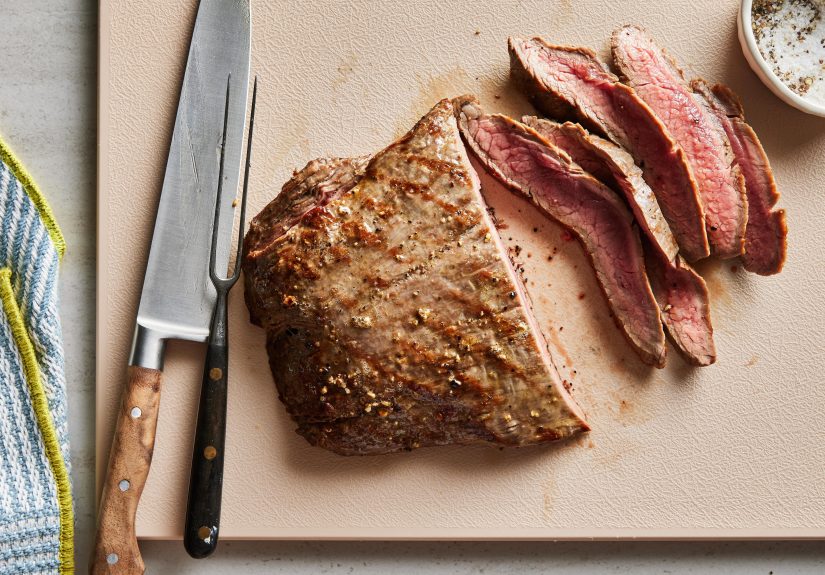
- Step 3: Slice Against the GrainThen Go on a Bias
- Step 4: Keep the Slices Thin and Consistent
- Step 5: If You Want Ultra-Thin Slices, Chill It Briefly
- A Quick Visual: With Grain vs. Against Grain
- Knife, Board, and Posture: The Unsexy Stuff That Makes You Look Like a Pro
- Common Mistakes That Make Flank Steak Tough
- How You Cook It Still Matters (Because Slicing Can’t Do Miracles)
- Slice Styles for Real Life: Fajitas, Stir-Fry, and Steak Salad
- FAQ: Flank Steak Slicing Questions People Whisper to Themselves
- Conclusion: Tender Flank Steak Is a Knife Skill, Not a Lottery
- Extra: of Real-Life Flank Steak Cutting Wisdom (a.k.a. Lessons Earned the Hard Way)
Flank steak is the friend who’s always down for a good timefajitas, stir-fry, steak salads, late-night “I swear this is meal prep” sandwiches
but also the friend who will absolutely embarrass you in public if you treat them wrong. Cook it nicely, sure… and then slice it the wrong way, and
suddenly you’re chewing like you’re trying to break a tiny leather belt with your molars.
The good news: tenderness isn’t a mystery, a secret handshake, or something only restaurants get right. With flank steak, it’s mostly a geometry
problem. Learn how to spot the grain and cut across it the right way, and you’ll get tender bites every timewithout pretending you “meant to make it
chewy for texture.”
Why Flank Steak Gets a Bad Rap (And Why It Doesn’t Deserve It)
Flank steak is lean, flavorful, and usually more affordable than the super-luxe cuts. It comes from a hardworking area of the cow, which means it has
longer, more obvious muscle fibers (aka “the grain”). Those fibers are like a bundle of cooked spaghetti: if you leave them long, your teeth have to do
the heavy lifting. If you cut them short, every bite feels dramatically more tender.
Translation: flank steak isn’t “naturally tough.” It’s “naturally honest.” It tells you exactly what you did with your knife.
The One Rule That Matters: Cut Against the Grain
If you remember only one thing, make it this: slice flank steak against the grain. The grain is the direction the muscle fibers run.
Cutting against it shortens those fibers, which makes each bite easier to chew and feel tender.
How to Find the Grain (Raw and Cooked)
On raw flank steak: Look for long, parallel lines running across the surface. Tilt it under a light or near a windowthose lines will
show up more clearly. If you gently tug the steak from both ends, you’ll often see the fibers “stand out” a little.
On cooked flank steak: Sometimes a good sear can camouflage the lines. In that case, look at the sides of the steak and identify which
way the fibers are aligned. You can also gently pull the meat apart with your fingers; it naturally separates along the grain, which helps reveal the
direction.
What If the Grain Changes Direction?
Flank steak is usually consistent, but you can still run into sections where the grain subtly shifts. Don’t fight it. The move is simple:
cut the steak into two or three smaller sections first, then rotate each piece so you can keep slicing against the grain throughout.
Your jaw will thank you, and your dinner guests will stop doing that polite “this is… interesting” chewing face.
Your Step-by-Step: The Tender Slice Method
Here’s the no-drama method that works whether you grilled it, broiled it, pan-seared it, or cooked it in a moment of chaos and optimism.
- Rest it (briefly) so it’s not lava-hot.
- Identify the grain direction.
- Cut into shorter sections if needed.
- Slice against the grain, thinly.
- Use a slight angle (bias cut) for extra tenderness and better texture.
Step 0: Rest ItBut Don’t Turn It Into a Whole Lifestyle
You’ll hear “always rest your steak” said like it’s a sacred chant. The truth is more nuanced: resting is helpful, but it’s not magic fairy dust that
guarantees juiciness. What resting reliably does is:
- Make the steak easier (and safer) to slice cleanly.
- Let carryover heat settle so you don’t overshoot your preferred doneness by slicing immediately.
- Reduce the amount of surface juice that runs out the second you cut (which is mostly a timing/temperature thing).
For flank steak, a 5–10 minute rest is usually plenty. Keep it warm by loosely tenting with foil if you want, but don’t wrap it tight
(that can soften your nice crust).
Step 1: Use the Right Knife (Sharp Beats Fancy)
A sharp knife matters more than the brand name on the blade. For slicing flank steak, a long slicing/carving knife is ideal, but a sharp chef’s knife
works just fine. The goal is clean, confident strokesless “sawing through a tree branch,” more “one smooth glide.”
Step 2: Cheat Like a ProMark the Grain Before You Cook
This is the easiest “why didn’t I always do that?” trick: while the steak is still raw and the grain is obvious, make 2–3 shallow little notches on one
edge perpendicular to the grain. After cooking, those notches are your roadmap. You’ll never again stare at a beautiful steak like it’s a
difficult math problem.
Step 3: Slice Against the GrainThen Go on a Bias
Once you’ve oriented the steak so the grain runs left-to-right in front of you, slice straight down perpendicular to the fibers. Then
level up: angle your knife about 45 degrees for a bias cut. This creates wider, thinner-looking slices that feel more tender in the
mouth and look fancier on the plate (a rare win-win in life).
Step 4: Keep the Slices Thin and Consistent
Thickness is a tenderness multiplier. A common sweet spot for flank steak is about 1/4 inch slices for serving. For fajitas, salads, or
sandwiches, you can even go a bit thinner. The thinner the slice (while still against the grain), the shorter the fibers per bite.
Step 5: If You Want Ultra-Thin Slices, Chill It Briefly
Want deli-thin steak slices for stir-fry, pho-style toppings, or next-level steak sandwiches? Pop the cooked (or even raw) steak into the freezer just
long enough to firm it up slightly. You’re not trying to turn it into a beef popsiclejust giving it structure so your knife can glide instead of drag.
A Quick Visual: With Grain vs. Against Grain
If the fibers run like this: ||||||||||||
Wrong (with the grain): cut like this: |||||||||||| (long fibers stay long = chewy)
Right (against the grain): cut like this: ────────── (fibers get chopped short = tender)
Yes, it’s basically “don’t slice your spaghetti the long way.” Congratulations, you now know more than the version of you from 10 minutes ago.
Knife, Board, and Posture: The Unsexy Stuff That Makes You Look Like a Pro
Stabilize the cutting board
Put a damp paper towel or thin kitchen towel under your cutting board. A sliding board is how people end up inventing new swear words.
Slice with long strokes
Use the length of the blade. Short little hacks tear the meat and make the surface ragged. Clean slices are tender slices.
Cut across the board’s grain too (yes, really)
If your board has deep grooves or texture, rotate it so your knife isn’t fighting the board. Smooth cutting = smooth meat.
Common Mistakes That Make Flank Steak Tough
- Cutting with the grain. The #1 reason flank steak turns chewy.
- Cutting thick slices. Thick slices leave longer fibers per bite.
- Using a dull knife. Dull blades tear; tearing feels tougher.
- Slicing immediately while it’s screaming-hot. Harder to control, messier slices, and more juice on the board.
- Overcooking. Even perfect slicing can’t fully rescue a dry, overcooked flank steak.
- Ignoring the “grain shift.” If the grain changes, adjust your slicing direction instead of powering through.
How You Cook It Still Matters (Because Slicing Can’t Do Miracles)
Cutting correctly is hugebut it’s not a time machine. If you cook flank steak to the texture of a baseball glove, slicing won’t suddenly make it
filet mignon. For most people, flank steak is best around medium-rare to medium, then sliced against the grain.
If you’re marinating, aim for flavor and surface tendernessnot a 48-hour acid bath that turns the outside mushy. Balance acids (like citrus or vinegar)
with oil, salt, aromatics, and a bit of sweetness if you like. Then cook hot and fast, rest briefly, and slice correctly.
Slice Styles for Real Life: Fajitas, Stir-Fry, and Steak Salad
Fajitas
Slice against the grain into thin strips (often 1/4 inch or thinner). A slight bias cut gives you wide, tender strips that stay juicy under peppers,
onions, salsabasically under the delicious chaos that is fajita night.
Stir-fry
Go thinner. If you’re slicing cooked steak, chill it briefly for cleaner cuts. If you’re slicing raw steak for stir-fry, cut against the grain into
thin pieces so it cooks fast and stays tender.
Steak salad or grain bowls
Bias-cut slices look great and eat even better. Keep slices uniform so every bite feels consistentnobody wants the “mystery chewy chunk.”
FAQ: Flank Steak Slicing Questions People Whisper to Themselves
Can I cut flank steak into pieces before cooking?
Yes. If you need it to fit a pan or grill zone, cut it into manageable sections before cooking. Pro tip: if you’re cutting it ahead of time,
you can cut with the grain to portion it, then after cooking you’ll still slice against the grain for serving.
How thin should I slice flank steak?
For most serving styles, aim for about 1/4 inch. For fajitas, sandwiches, and stir-fry, thinner is often betteras long as you’re still
slicing against the grain.
What if I truly can’t see the grain?
Look at the side edges, not just the top. Gently pull the meat apart to see which direction it naturally separates. And next time, mark the grain with
notches before cookingfuture-you deserves nice things.
Does slicing on a 45-degree angle really help?
Yes. A bias cut increases the surface area of each slice and makes the bite feel more tender and pleasantespecially for lean cuts like flank steak.
It’s not a gimmick; it’s geometry doing you a favor.
Is flank steak the same as skirt steak?
They’re cousins, not twins. Both are flavorful and benefit from high heat and slicing against the grain. Skirt is usually thinner and can have an even
more pronounced grain. The slicing rule remains the same: against the grain, thin, and ideally on a bias.
Conclusion: Tender Flank Steak Is a Knife Skill, Not a Lottery
If flank steak has ever been tough in your kitchen, odds are the steak wasn’t the problemyou were just cutting it in the direction the muscle fibers
wanted you to (which is rude of them, honestly). The fix is straightforward: find the grain, slice against it, keep the slices thin, and add a bias cut
for maximum tenderness. Do that consistently and flank steak becomes one of the most reliable, flavor-packed meals you can make on a weeknight or for a
crowd.
Extra: of Real-Life Flank Steak Cutting Wisdom (a.k.a. Lessons Earned the Hard Way)
The first time I cooked flank steak “for real,” I treated it like any other steak: season, sear, flip, rest (briefly), then slice. I was feeling
unstoppableuntil the chewing began. Not the casual, “this is delicious” chewing. The kind where you start doing mental math on how many chews you’ve
invested and whether it’s too late to pretend you’re suddenly late for an appointment.
Here’s what happened: I sliced it like a loaf of bread, straight down the length of the steak. Beautiful presentation, absolutely haunted texture. That’s
when I learned flank steak is basically a “show your work” cut. If you cut with the grain, the steak faithfully delivers long fibers. It’s not being
meanit’s just following the laws of meat physics.
The biggest breakthrough wasn’t even the “against the grain” rule (though yes, that’s the crown jewel). It was learning to set myself up for
success before cooking. Now I always find the grain while the steak is raw, then notch one edge. That single move has saved me from the post-cook
guessing game, where you rotate a hot steak like a steering wheel and hope the universe reveals the answer.
I also used to think thin slices were just for fancy restaurants or people who own matching plates. Wrong. Thin slicing is how you make flank steak feel
tender even when it’s lean. Once, I served flank steak at a backyard hang where the sides were plentiful (chips, salsa, grilled veggies, the whole vibe).
I sliced the steak a bit thick, thinking it would feel “hearty.” Everyone ate it… but slowly. The next time, I sliced it thinner on a bias, and suddenly
people were building tacos like it was an Olympic event. Same steak, same cook, different knife work. The compliments were suspiciously louder.
Another real-world tip: if you’re making steak for a crowd, don’t slice it in the kitchen and let it sit there drying out while you hunt for tongs.
Instead, have your board and knife ready, rest the steak briefly, then slice right before serving. If you need a little buffer time, keep the steak whole
under loose foil and slice in batches. That way, the last slices aren’t the sad, cold ones that taste like they’ve been thinking about their life choices.
And yes, I’ve done the “partial-freeze” trick when I wanted super thin slices for sandwiches. The first time I left it in too long and learned a new rule:
don’t attempt razor-thin slicing when the meat is halfway to becoming a beef glacier. But when you do it rightjust firm, not frozenit’s like the knife
suddenly learned manners.
The overall lesson? Flank steak rewards a tiny bit of planning and a whole lot of slicing confidence. Once you build the habitgrain, rotate, thin slices,
slight angleyou stop worrying about tenderness. Then you can focus on the fun parts: marinades, char, and deciding whether it’s socially acceptable to eat
the “chef’s sample” slice directly over the cutting board (it is).