Table of Contents >> Show >> Hide
If your cat has a greasy patch at the base of the tail that looks like it lost a fight with a bottle of cooking oil, you may be dealing with stud tail. The name sounds dramatic, but the condition is usually manageable once you know what to look for. Also called supracaudal gland hyperplasia or tail gland hyperplasia, stud tail happens when the oil-producing glands near the top of the tail base go into overdrive. The result can be greasy fur, blackheads, scaling, odor, hair loss, and sometimes infection.
Stud tail is most common in intact male cats, which is how it earned its memorable name, but neutered males and even female cats can get it too. In mild cases, it is mostly a cosmetic nuisance. In more serious cases, the area can become inflamed, painful, crusty, and infected. The good news? A clear diagnosis, sensible skin care, and the right veterinary treatment can usually get things under control.
This guide breaks the process into 14 practical steps, from spotting the early signs to treating infected skin and preventing repeat flare-ups. Think of it as a tail-to-tip game plan for cat parents who want answers without the fluff.
What Is Stud Tail in Cats?
Stud tail develops when the sebaceous glands on the top side of the tail base produce too much oil, or sebum. That excess oil can clog hair follicles, make the fur look waxy or matted, and create the perfect setup for blackheads, scaling, irritation, and bacterial overgrowth. It behaves a bit like feline acne, just in a less glamorous location. If a cat licks, bites, or rubs the area, the irritation can snowball fast.
How to Diagnose Stud Tail in Cats
-
Step 1: Check the exact location
Stud tail usually appears on the top side of the tail base, a few centimeters below the back. That location matters. If the greasy patch is farther down the tail, under the tail, or all over the rump, you may be looking at something else. True stud tail tends to camp out in one very specific neighborhood.
-
Step 2: Look for the classic signs
The most common clues are greasy or matted hair, hair thinning, blackheads, scales, crusts, and a waxy buildup on the skin. Some cats also develop a funky odor, darker skin pigment, or thickened, bumpy skin over time. If the tail looks like it has been styled with motor oil and bad decisions, put stud tail on your suspect list.
-
Step 3: Notice whether your cat seems itchy or sore
Mild stud tail may not bother a cat much. More advanced cases can itch, sting, or become painful. A cat may chew the tail, rub the area on furniture, or lick obsessively. If you see redness, swelling, discharge, or open sores, the condition may have moved past “messy fur” and into “please call the vet.”
-
Step 4: Consider your cat’s risk factors
Intact male cats are the usual headliners because male hormones can stimulate extra oil production. But hormones are not the whole story. Poor grooming can also contribute, especially in cats that are overweight, arthritic, stressed, elderly, or generally not winning any self-care awards lately. Multi-cat housing, shelter settings, and breeding environments may also make the condition more noticeable.
-
Step 5: Check for look-alikes
Not every crusty tail is stud tail. Fleas, bite wounds, ringworm, skin mites, allergies, and generalized seborrhea can mimic it. Tail-head chewing can also show up with flea allergy, stress-related overgrooming, or pain. That is why home detective work is useful, but it is not the same as a veterinary diagnosis. Your cat’s tail is not a magic eight ball.
-
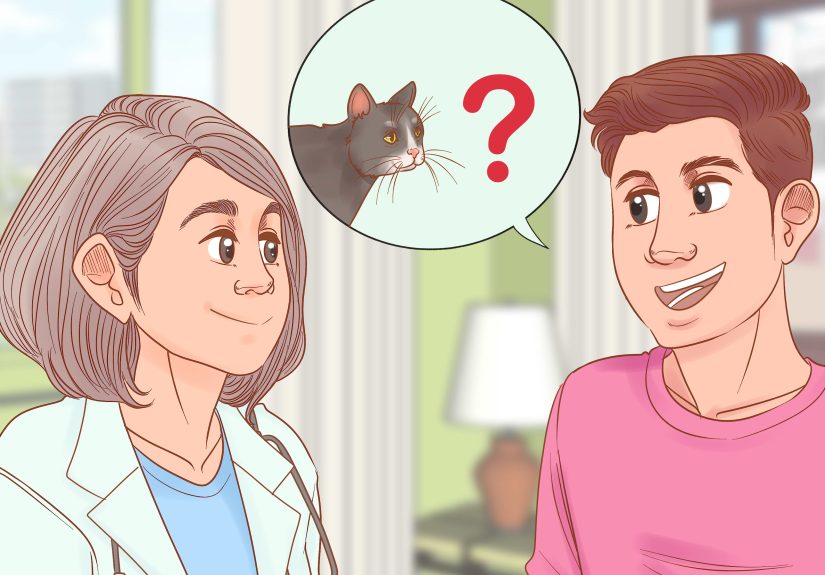
Step 6: Book a veterinary exam when the signs are more than mild
A vet can often diagnose stud tail based on appearance and physical exam, but that is only part of the job. If the area smells bad, oozes, forms scabs, or looks ulcerated, your veterinarian may recommend additional testing. Intact males may also be checked for testicular problems if hormone-related changes seem severe.
-
Step 7: Let your vet run the right tests
Depending on the case, your veterinarian may do skin cytology to look for bacteria or yeast, culture any draining material, perform skin scrapings to rule out mites, or run a fungal culture to rule out ringworm. A biopsy is rarely needed, but it can help in stubborn or unusual cases. If poor grooming seems part of the problem, your vet may also look for obesity, pain, arthritis, stress, or other health issues that keep your cat from grooming normally.
How to Treat Stud Tail in Cats
-
Step 8: Start with gentle cleaning and debris removal
For mild cases, the first line of treatment is usually basic hygiene. The goal is to remove excess oil, loosen crusts, and keep the area from becoming a tiny grease trap. Your vet may recommend clipping some of the fur, combing out debris, and using a medicated cleanser or shampoo. Do not scrub the skin like you are stripping paint off a porch. Gentle and consistent beats aggressive every time.
-
Step 9: Use the right topical products
Veterinarians commonly use anti-seborrheic or degreasing products that contain ingredients such as benzoyl peroxide, salicylic acid, or chlorhexidine. These can help flush hair follicles, reduce oil, and lower the microbial load on the skin. The important catch: benzoyl peroxide can be very drying and irritating if overused, so follow veterinary instructions closely.
-
Step 10: Skip the human acne aisle
This is not the moment to raid your bathroom cabinet. Human benzoyl peroxide products are often stronger than veterinary formulas and may irritate your cat’s skin even more. Cats also have a remarkable talent for licking things they absolutely should not lick. Use only products your veterinarian recommends for feline use, and follow the directions exactly.
-
Step 11: Treat infection fast
If the skin is red, swollen, smelly, draining, or painful, infection may already be in the picture. In those cases, topical care alone may not be enough. Your veterinarian may prescribe oral antibiotics, topical antibiotics, or both. When possible, treatment may be guided by culture results, which helps match the medication to the bacteria causing the trouble instead of playing pharmaceutical roulette.
-
Step 12: Stop the licking, chewing, and tail drama
Once a cat starts irritating the area, the damage can escalate quickly. An Elizabethan collar may be necessary for cats that keep chewing or rubbing the tail. It is not glamorous, and your cat may act like you have betrayed the kingdom, but preventing self-trauma can be the difference between a quick recovery and a longer, messier treatment plan.
-
Step 13: Address the underlying cause
Stud tail is easier to manage when you fix the reason it started or keeps recurring. If your cat is intact, neutering can reduce hormone-driven oil production and may stop the condition from progressing. If grooming problems are part of the picture, your plan may also include weight management, arthritis treatment, better mobility support, stress reduction, or a more predictable home routine. In other words, sometimes the tail is tattling on a bigger issue.
-
Step 14: Build a maintenance routine
Some cats bounce back quickly. Others need ongoing upkeep, especially if they are female, neutered, or have chronic skin issues. Regular brushing, occasional medicated cleansing, quick checks for odor or waxy buildup, and follow-up veterinary visits can prevent a relapse from sneaking up on you. Long-term control is often realistic even when a one-time cure is not.
When to Call the Vet Right Away
- There is bleeding, pus, or a strong foul odor.
- Your cat cries, lashes the tail, or acts painful when touched.
- The skin is swollen, raw, or developing draining tracts.
- Your cat is lethargic, hiding, not eating well, or grooming far less than usual.
- The greasy patch keeps coming back despite home care.
What Recovery and Prevention Look Like
Most cases of stud tail improve when the skin is kept clean, infection is treated promptly, and any hormonal or grooming-related trigger is addressed. Prevention usually comes down to the basics: regular coat checks, routine brushing, weight control, good flea prevention, early treatment of itch or pain, and seeing your vet before a greasy patch turns into a crusty tail catastrophe.
It also helps to know your cat’s normal coat texture. Cats are masters of pretending nothing is wrong, so a subtle oily strip on the tail may be the earliest sign that something is off. Catching it early usually means simpler treatment, fewer medications, and a much happier cat.
Common Cat-Owner Experiences With Stud Tail
One of the most common experiences cat owners describe is sheer confusion at the beginning. They expect fleas, a dirty coat, or maybe a weird patch of shedding, but not a condition with a name like “stud tail.” A lot of people first notice that the fur near the tail base looks damp, clumpy, or darker than the rest of the coat. Then they touch it and realize it is greasy. That moment usually leads to one of two reactions: “Huh, that’s odd,” or “Why does my cat feel like a tiny frying pan?”
Owners of intact male cats often say the problem seems to appear almost out of nowhere. Their cat may still be energetic, eating well, and acting perfectly normal, but the tail suddenly looks slick and develops blackheads or crusting. In many of those cases, a vet visit, a medicated cleansing routine, and neutering make a big difference. The skin does not always go back to magazine-cover perfection overnight, but the greasy buildup often becomes far easier to manage once the hormonal fuel is reduced.
Another very common experience involves older or overweight cats. These cats may not have classic hormone-driven stud tail at all, or hormones may be only part of the story. What owners notice is that their cat is not grooming like it used to. The coat looks rougher, the tail base gets oily, and the cat may seem stiff when jumping or turning around. Once arthritis pain, reduced flexibility, or excess weight is addressed, grooming often improves and the skin problem settles down too. In those cases, the tail issue turns out to be less of a random skin mystery and more of a clue that the cat needed help elsewhere.
Some owners also describe recurring flare-ups in female cats or neutered males. That can be frustrating because it makes people assume they are doing something wrong. Usually, they are not. These cats may simply need maintenance care instead of a one-and-done fix. A vet-approved cleanser once in a while, regular brushing, and staying alert for odor or blackheads can become part of the routine, much like managing mild allergies or seasonal shedding. Not thrilling, but very doable.
Stress can sneak into these stories too. Cats that move homes, enter shelters, live in crowded environments, or deal with social tension may groom oddly or overgroom some areas while neglecting others. Owners sometimes report that once the household becomes calmer, the cat’s coat quality improves overall. That does not mean stud tail is “all in the cat’s head.” It means skin, grooming, pain, hormones, and stress can all overlap in real life, which is why treatment works best when it looks at the whole cat, not just the tail.
The biggest lesson most cat owners share is simple: do not ignore the greasy patch. Stud tail is often manageable, but it is much easier to handle before it becomes infected, smelly, and painful. Early action usually means easier cleaning, fewer medications, and less wrestling with an offended cat who now believes you have declared war on the tail.
Conclusion
Stud tail in cats may look strange, but it is usually a treatable skin condition rather than a disaster. The key is to identify the classic signs early, rule out look-alike problems, and treat both the oily buildup and any infection or grooming issue behind it. For intact males, neutering can be a major part of the solution. For other cats, long-term control often depends on good skin care, better grooming support, and attention to pain, weight, or stress.
So yes, the name is ridiculous. But the treatment plan does not have to be. With the right diagnosis and a little consistency, your cat’s tail can go back to being a tail instead of a medical mystery.