Table of Contents >> Show >> Hide
- Before You Start: A Tiny Wildlife Reality Check
- Why Catching a Butterfly by Hand Can Work
- The 6 Steps to Catch a Butterfly with Your Hand
- Common Mistakes That Make Catching Harder
- Where You Are Most Likely to Succeed
- When You Should Not Catch a Butterfly by Hand
- A Better Alternative: Attract Instead of Chase
- Real-Life Experiences: What People Usually Learn the Hard Way
- Conclusion
- SEO Tags
Butterflies are basically tiny flying confetti with opinions. They drift, they dodge, they land exactly where your arm is not, and they somehow make even the calmest person look like they are doing interpretive dance in the yard. So if you have ever thought, “How do I catch one with my hand without looking ridiculous or hurting it?” you are not alone.
The good news is that catching a butterfly with your hand can be done gently and safely if you do it the right way. The better news is that the easiest method is not a dramatic clap, a wild swipe, or a backyard action scene. In most cases, success comes from patience, timing, and letting the butterfly make half the decision for you.
This guide walks you through six simple steps for catching a butterfly by hand as gently as possible, along with mistakes to avoid, ethical tips, and real-life experiences that can save you from becoming the neighborhood villain in a flower bed. The goal is brief handling, a quick look if needed, and immediate release.
Before You Start: A Tiny Wildlife Reality Check
If your goal is just to admire a butterfly, the best approach is still observation, not handling. Butterflies are delicate animals, and while careful contact does not automatically ruin them, rough or repeated handling can damage wing scales, stress the insect, and make flight harder. Some species are sturdier than others, but “sturdier” does not mean “please squeeze me like a stress ball.”
Also, never try this with a butterfly that looks freshly emerged, has wet or crumpled wings, is stuck, or seems injured. And if you are in a protected natural area or you think the butterfly may be rare, threatened, or part of a research site, leave it alone and enjoy the view like a civilized butterfly fan.
Why Catching a Butterfly by Hand Can Work
Here is the trick most beginners miss: you do not usually “catch” a butterfly the same way you would catch a baseball. You intercept a calm moment. Butterflies are easier to approach when they are resting, feeding on nectar, basking in the sun, drying their wings, or simply acting like tiny solar-powered gliders that need a moment to recharge.
That means the smartest strategy is to work with butterfly behavior, not against it. When a butterfly is darting from flower to flower like it just had three espressos, leave it alone. When it is settled on a bloom, perched on a leaf, or slowly warming itself in a sunny patch, your odds improve dramatically.
The 6 Steps to Catch a Butterfly with Your Hand
Step 1: Choose the Right Butterfly Moment
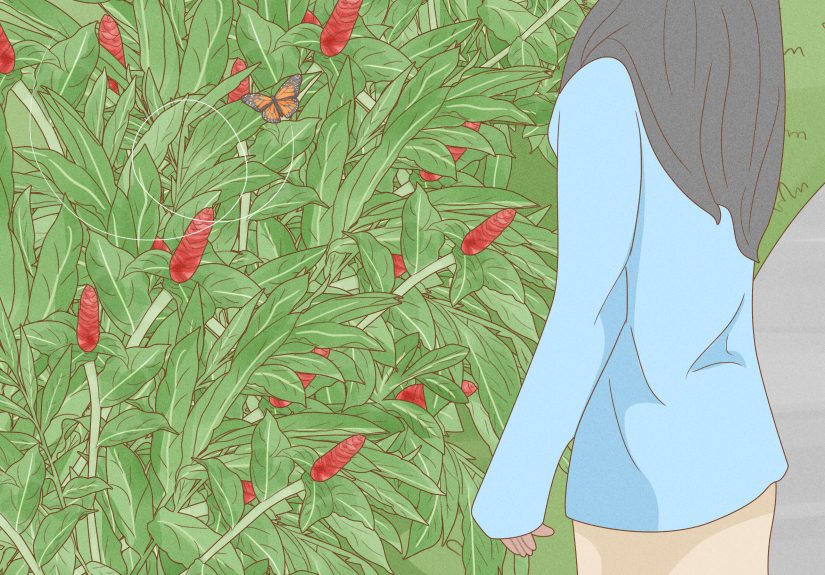
The first step is timing. A butterfly that is calm is easier to approach and less likely to be stressed. Look for one that is resting on a flower, perched on a stem, or basking with its wings open. Cooler parts of the day can help because many butterflies are less active before they fully warm up. Windy, stormy, or very hot conditions are not ideal, for you or for the butterfly.
Do not chase a butterfly in open flight if you can help it. That almost always ends with missed grabs, crushed plants, and you looking like you lost an argument with a shrub. Instead, wait for it to land. Patience beats speed here.
Step 2: Approach Like You Are Not a Problem
Move slowly and from the side or slightly behind if possible. Sudden overhead movement can make you look like a predator. Keep your hands low, your motions smooth, and your shadow off the butterfly when you can. This is not the time for enthusiasm in uppercase.
If the butterfly is feeding on a flower, pause a few inches away and let it get used to your presence. Many people ruin the whole operation by getting excited the second they are close enough and lunging like they are claiming the last cookie. Be calm. Be boring. Be the human equivalent of elevator music.
Step 3: Try the “Step-On” Method First
This is the gentlest method and, in many cases, the easiest. Slowly place one finger in front of the butterfly’s legs or just under the perch it is standing on. Sometimes a butterfly will simply step onto your finger, especially if it is calm, newly warmed, or focused on feeding. You can also lightly nudge the surface beneath its front legs.
If it steps on, great. You win. No pinching needed. Keep your hand steady and move slowly. Most butterflies will stay put for a few seconds if they feel stable. At that point, you can observe it briefly or carry it a short distance to a flower or shrub for release.
This method is especially useful when the butterfly is perched low and not in a hurry. It is also the best option for people who want a close look without handling the wings at all.
Step 4: If Needed, Use a Gentle Two-Finger Hold
If the butterfly is active enough that it will not step onto your finger, but calm enough that you are close, you can use a very gentle hold. The key is not to grab the wing tips and not to pinch randomly. If you must hold the butterfly, do it briefly and carefully with the wings closed together.
The safest technique is to hold all four wings together in their upright, folded position, as close to the body as practical, using thumb and forefinger. Think “light control,” not “firm handshake.” The goal is to prevent frantic flapping for just a moment while you reposition and release.
Never squeeze the abdomen. Never press the wings flat. Never grab the ends of the wings. And never keep a butterfly in your hand longer than necessary just because it looks photogenic. Butterflies are not props. They are tiny flying professionals with a schedule.
Step 5: Keep Handling Brief and Calm
Once the butterfly is on your finger or in a gentle hold, keep the interaction short. A few seconds is plenty. Avoid rubbing the wings, rotating the butterfly around for a better angle, or passing it from person to person like a party favor. The more handling, the more risk.
If the butterfly starts fluttering hard, do not panic and clamp down. That makes things worse. Move toward a nearby flower, leafy branch, or shrub and let it go. A calm release is always more important than “winning” the catch.
Also, if you notice the wings look wet, soft, or newly expanded, release immediately and do not try again. Freshly emerged butterflies need time for their wings to dry and harden before normal flight.
Step 6: Release It Where It Can Recover Fast
The best release spot is a stable perch: a flower head, leafy stem, shrub branch, or sunny plant. Let the butterfly step off on its own if possible. If you used a gentle wing hold, place it on vegetation and release smoothly so it can settle before taking off.
Do not toss it upward into the air like you are launching a miniature kite. Do not drop it onto grass. Do not release it in strong wind. A butterfly should leave your hand with dignity, not confusion.
If the butterfly sits for a moment after release, that is not automatically a problem. It may just be regrouping, warming up, or deciding whether you are an idiot. Give it space.
Common Mistakes That Make Catching Harder
Trying to Grab a Butterfly Mid-Flight
It looks possible in cartoons. It is not a great plan in real life. Mid-air grabs usually fail and can injure the butterfly if contact is rough.
Touching the Wings Repeatedly
Butterfly wings are covered in tiny scales. Losing a few does not always spell disaster, but repeated rubbing or rough contact can still damage the insect and reduce the quality of flight. “It survived” is not the same as “that was a good idea.”
Holding Too Tight
People often assume they need a stronger grip because the butterfly is delicate. Ironically, that is exactly why the grip must be light. Gentle control beats pressure every time.
Keeping It Too Long
If you catch a butterfly, the job is not to turn the moment into a 15-minute photo shoot. The mission is simple: brief contact, quick look, safe release.
Where You Are Most Likely to Succeed
If you want better odds, go where butterflies already feel comfortable. Flower gardens, pollinator patches, butterfly gardens, sunny edges of yards, and areas with nectar plants are your best bet. Butterflies are especially drawn to clusters of blooms rather than lonely single flowers. Flat-topped or easy landing-pad flowers can be especially inviting.
You may also notice butterflies visiting damp sand, shallow muddy areas, or overripe fruit. Some species seek minerals and moisture from these places. Translation: a butterfly may ignore your expensive landscaping and head straight for a muddy spot like it has excellent bad taste. Nature has a sense of humor too.
When You Should Not Catch a Butterfly by Hand
- When its wings are wet, soft, or newly emerged
- When it appears injured, weak, or stuck
- When you suspect it may be a protected or rare species
- When you are in a protected park area that discourages wildlife handling
- When you are doing it only for entertainment and not for a brief, careful observation
- When a child is likely to squeeze first and ask questions later
A Better Alternative: Attract Instead of Chase
If your real goal is to enjoy butterflies up close, attracting them is easier than catching them. Plant nectar flowers, include host plants for caterpillars, provide sunny shelter from strong wind, and keep a shallow damp area for minerals. When butterflies start treating your yard like a preferred lunch stop, you will get plenty of close encounters without doing any awkward tiptoeing through flower beds.
And here is the surprising bonus: butterflies that feel safe often land near people on their own. That means your best butterfly-catching strategy may actually be gardening, standing still, and becoming less annoying.
Real-Life Experiences: What People Usually Learn the Hard Way
The first real experience most people have with hand-catching a butterfly is that it is far less about speed and far more about restraint. Beginners usually start with too much excitement. They spot a butterfly on a zinnia, march toward it with heroic confidence, and then make one fast move that sends it gliding away like it had your number the whole time. After two or three failed attempts, the lesson becomes obvious: butterflies reward calm people, not dramatic ones.
Another common experience is discovering that flowers matter more than open space. People often assume the best place to catch a butterfly is somewhere wide and clear, like a lawn. In reality, many of the best opportunities happen when a butterfly is feeding. When it is busy on a flower cluster, it often gives you a second or two of grace. That second is everything. It is the difference between “I got close enough to see the wing details” and “I just chased one into my neighbor’s tomatoes.”
Many first-timers also report that the gentlest catches feel almost accidental. They do not really “grab” the butterfly at all. They hold out a finger, nudge lightly beneath the legs, and the butterfly steps on as if boarding a tiny bus. That moment surprises people because it feels calmer than expected. Instead of a frantic insect, they find a poised, lightweight creature that settles for a second, flexes its wings, and then decides whether to stay or leave. It is one of those tiny nature moments that feels much bigger than it should.
There is also an important emotional lesson: once you hold a butterfly briefly and feel how light and delicate it is, your whole attitude changes. People who start with the idea of “catching” often end with the much better idea of “guiding.” The experience tends to replace the urge to possess with the urge to protect. Suddenly, the yard looks different. You notice which flowers are busy, which spots get sun, where the wind is too harsh, and why a patch of native plants might be more useful than another piece of decorative mulch.
Parents and kids often learn another truth: the adult must model calm behavior first. Children copy the energy they see. If the grown-up moves slowly, speaks softly, and treats the butterfly like a living thing instead of a toy, the child is much more likely to do the same. If the adult is loudly shouting, “Get it! Get it! Get it!” then, well, the butterfly becomes the most emotionally mature participant in the yard.
Gardeners often describe the most rewarding experience of all as the one where they do not need to catch a butterfly anymore. After planting nectar flowers, adding host plants, and creating a more butterfly-friendly space, they find that butterflies come close on their own. At that point, hand-catching becomes less of a goal and more of an occasional, careful interaction when necessary. That is probably the best outcome. You begin by wanting to catch a butterfly, and you end by learning how to make one comfortable enough to stay nearby. That is a much nicer skill to have.
Conclusion
If you want to catch a butterfly with your hand, the easiest method is also the gentlest one: wait for a calm moment, approach slowly, let it step onto your finger if possible, and only use a brief two-finger wing hold when absolutely necessary. Keep the interaction short, avoid wet or newly emerged butterflies, and release the insect onto a safe perch right away.
In other words, success comes from patience, not reflexes. Forget the dramatic pounce. The butterfly does not care that you watched sports in high school. It responds to stillness, timing, and respect. Do it right, and you get a close-up moment with one of the most beautiful insects in the yard. Do it wrong, and you are just a large mammal flailing near petunias.