Table of Contents >> Show >> Hide
- Why a CARFAX Report Matters in the First Place
- Step 1: Find the VIN Before You Do Anything Else
- Step 2: Search CARFAX Used Car Listings First
- Step 3: Check Dealer Websites for “Free CARFAX” Links
- Step 4: Look for Partner Listings on Major Car Shopping Sites
- Step 5: Ask the Seller or Dealer to Share the Report
- Step 6: Use Free VIN Tools When a Free CARFAX Is Not Available
- Step 7: Verify the Report With an Inspection and Real-World Questions
- What If You Need Information on a Car You Already Own?
- Common Mistakes People Make When Trying to Get a Free CARFAX
- Final Thoughts
- Real-World Experiences: What People Learn When Trying to Get a Free CARFAX
- SEO Tags
Shopping for a used car can feel a little like online dating: the photos look great, the description is suspiciously flattering, and everyone claims they have “a clean history.” That is exactly why so many buyers want a CARFAX report before they commit.
Here is the important truth up front: there is no magical, always-free CARFAX loophole hiding in a dusty corner of the internet. In most cases, the legitimate way to get a free CARFAX is through a dealer listing, a marketplace listing, or a seller who already paid for the report and is willing to share it. The good news? That still gives you several smart ways to get the information without opening your wallet every time you spot a promising sedan.
In this guide, you will learn seven practical steps to get a CARFAX for free, what to do when a free report is not available, and how to avoid being fooled by a report that looks impressive but does not tell the full story. Because when you are spending thousands on a vehicle, “looks fine to me” is not exactly a professional buying strategy.
Why a CARFAX Report Matters in the First Place
A CARFAX report can reveal details that a seller may forget to mention, such as reported accidents, title issues, ownership history, mileage records, service entries, or whether the vehicle was used commercially. It is one of the best-known vehicle history tools for a reason: it gives buyers a fast snapshot of a car’s paper trail.
But a CARFAX report is not a crystal ball and it is not the entire biography of the vehicle. If an accident, repair, or service event was never reported to the databases CARFAX uses, it may not appear. That means a clean-looking report is helpful, but it is not permission to skip the inspection, ignore recalls, or drive off into the sunset humming victory music.
Think of CARFAX as one smart checkpoint in the buying process, not the whole process.
Step 1: Find the VIN Before You Do Anything Else
Your first mission is simple: get the VIN, or Vehicle Identification Number. Without it, you are basically trying to investigate a car using vibes alone.
The VIN is a 17-character code tied to that specific vehicle. You can usually find it in a few common places:
- On the lower driver-side corner of the windshield
- Inside the driver-side door jamb
- On the registration paperwork
- On the insurance card or policy documents
If you are looking at an online listing, the VIN may be shown directly in the vehicle details. If it is missing, ask for it. A seller who refuses to share the VIN before a sale is not being mysterious and interesting. They are being a problem.
Once you have the VIN, you can start hunting for a free CARFAX and cross-check the car with other free tools later on.
Step 2: Search CARFAX Used Car Listings First
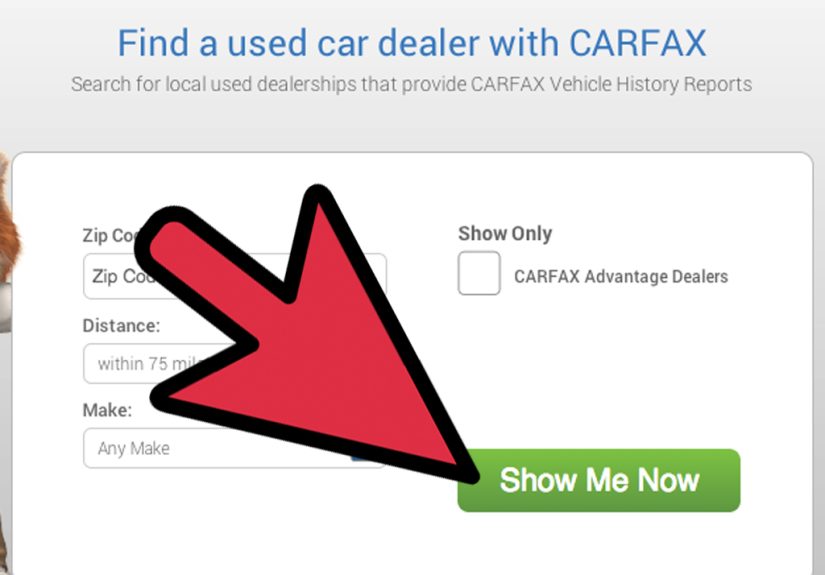
One of the easiest legitimate ways to get a CARFAX for free is to start on CARFAX’s own used-car listings platform. CARFAX states that every used vehicle listed there comes with a free CARFAX report. That makes this one of the cleanest, least annoying paths available.
This is especially helpful if you are early in the shopping process and comparing several vehicles. Instead of paying for report after report, you can browse listings that already include one. It is efficient, legal, and dramatically less sketchy than random websites promising “unlimited free vehicle history” with eleven pop-ups and a suspicious countdown timer.
Use this step to narrow your shortlist. Look for patterns such as:
- Repeated ownership changes in a short time
- Major accident or structural damage entries
- Inconsistent mileage reporting
- Gaps in service history that raise questions
- Title branding such as salvage or rebuilt status
If a vehicle already looks questionable on paper, that is a gift. Better to discover trouble from your couch than after signing financing documents under fluorescent dealership lighting.
Step 3: Check Dealer Websites for “Free CARFAX” Links
Many dealerships that subscribe to CARFAX make free reports available right on their used inventory pages. This is one of the most common ways buyers get a CARFAX without paying.
When you visit a dealer’s website, search the listing carefully. You may see buttons or phrases like:
- View Free CARFAX
- See Vehicle History Report
- One-Owner CARFAX
- Accident-Free CARFAX
If the listing mentions CARFAX but does not include a clickable report, do not give up. Some dealers can email it to you or pull it at the showroom. CARFAX itself says many dealer websites offer free reports and advises shoppers to ask if the link is missing.
This step works especially well when you have already identified a specific vehicle and want the actual history before making the trip. There is no reason to spend your Saturday driving across town just to discover the car has more baggage than an airport carousel.
Step 4: Look for Partner Listings on Major Car Shopping Sites
CARFAX reports also show up on some major used-car marketplaces. CARFAX notes that thousands of vehicles listed on sites like Cars.com may include a free history report, and automotive shopping content from sites such as Kelley Blue Book has noted that many Autotrader listings include links to free CARFAX reports as well.
Here is how to use that to your advantage:
- Search the exact year, make, model, trim, and zip code.
- Open listings from dealerships first, since they are more likely to provide reports.
- Scan the listing details for vehicle history callouts.
- Open only the cars that already include the report link.
This approach saves time and money because it filters out vehicles that require extra digging right away. It also gives you a better apples-to-apples comparison between two similar cars. If one listing includes a free report and the other does not, guess which one earns your attention first.
Convenience is not everything, but in used-car shopping, it is definitely worth points.
Step 5: Ask the Seller or Dealer to Share the Report
Sometimes the easiest strategy is also the most overlooked: ask.
If you are dealing with a dealership, request the CARFAX by email or text before you visit. If you are buying from a private seller, ask whether they already have a recent CARFAX report. Many sellers buy one to make the vehicle easier to sell, and some listing platforms specifically mention that shoppers can obtain a free report by requesting one during a private-party transaction.
When you ask, keep it simple and direct:
“Can you send me the CARFAX or vehicle history report for this car before I come see it?”
A confident seller usually has no issue sharing it. A seller who gets weirdly defensive, changes the subject, or says “trust me, it’s clean” is handing you a bright red flag with both hands.
This step is also useful as a negotiation filter. Serious, transparent sellers tend to make the buying process smoother. The ones who resist basic documentation often bring extra drama, and nobody needs a used-car purchase that feels like a courtroom thriller.
Step 6: Use Free VIN Tools When a Free CARFAX Is Not Available
If you cannot get a free CARFAX on a specific vehicle, do not panic. You can still gather valuable information through free VIN tools while you decide whether the car is worth deeper investigation.
Use NICB VINCheck
NICB VINCheck is free and helps identify whether a vehicle has been reported stolen and not recovered, or reported as salvage by participating insurers. It is not a full CARFAX replacement, but it is a powerful screening tool. If this check throws a problem at you, that is your cue to back away slowly and with dignity.
Use NHTSA Recall Lookup
NHTSA’s recall lookup lets you check for open safety recalls using the VIN. A car can look clean on a history report and still have unresolved recall work that matters for safety and future repair hassle.
Use Pricing and Appraisal Tools
Sites like Edmunds and Kelley Blue Book help you compare the asking price with market value. This does not replace a history report, but it tells you whether the price makes sense given the age, mileage, and condition being advertised. An “amazing deal” can lose its sparkle fast when the vehicle history later explains exactly why it was so cheap.
These tools help you decide whether a car is worth pursuing even if the seller never produces a CARFAX. They are the research equivalent of turning on the lights before walking into the basement.
Step 7: Verify the Report With an Inspection and Real-World Questions
Once you get the free CARFAX, do not stop there. Use it as a conversation starter and a fact-checking tool.
Bring the report with you and compare it against the car in front of you. Check whether the mileage matches. Ask about any accident entries. If the report shows regular maintenance, ask where the work was done and whether receipts are available. If there are gaps, ask why.
Then do the two things smart buyers sometimes try to skip:
- Take a real test drive with city and highway driving if possible
- Get an independent pre-purchase inspection by a trusted mechanic
Federal consumer guidance and used-car experts consistently recommend combining a vehicle history report with a mechanic’s inspection and the dealer’s Buyers Guide. That combination gives you a far more reliable picture than a report alone.
A CARFAX can tell you what was recorded. A mechanic can tell you what is happening now. You want both.
What If You Need Information on a Car You Already Own?
If the vehicle is already yours, CARFAX Car Care may be useful. It is a free service that helps owners track service history reported to CARFAX, stay on top of service reminders, and monitor open recalls. It is not the same thing as getting a fresh full purchase report for a car you are considering, but it can still be handy for managing your current vehicle.
This is particularly useful if you plan to sell your car later and want organized records. Buyers love paperwork. It makes them feel safe, and in fairness, it should.
Common Mistakes People Make When Trying to Get a Free CARFAX
Assuming every listing includes one
Many do, but not all. If there is no link, that does not automatically mean the car is bad. It may simply mean the seller or dealer has not provided one.
Trusting a “clean report” too much
A clean report is good news, not final proof. Some events never get reported into the databases.
Ignoring recalls and theft checks
A free CARFAX is great, but it should be paired with NHTSA recall lookups and NICB theft or salvage checks for extra confidence.
Skipping the inspection to save money
This is the classic false economy move. Saving a little now can cost a lot later.
Using shady “free report” websites
If a site looks like it was built in a hurry and asks for too much personal information, leave. The legitimate paths are simpler and safer.
Final Thoughts
If you want to get a CARFAX for free, the smartest strategy is not hunting for secret hacks. It is knowing where free access is legitimately offered and using that access at the right moment.
Start with the VIN. Search CARFAX used-car listings. Check dealer inventory pages. Look for partner marketplace listings that include the report. Ask the seller directly. If the report is missing, use free VIN tools like NICB VINCheck and NHTSA recalls to screen the car before going further. Then, once you do get the report, verify it with a test drive and a mechanic’s inspection.
That is how you buy a used car like a careful adult instead of a hopeful gambler. And honestly, the careful adult usually wins.
Real-World Experiences: What People Learn When Trying to Get a Free CARFAX
One of the most common experiences buyers report is realizing that the easiest free CARFAX is often attached to the cars that are already listed most transparently. A shopper may spend hours searching random corners of the internet for a “free report,” only to discover that a dealer two towns over has the same model, similar mileage, and a full report linked right on the listing. The lesson is simple: organized listings often save more time than bargain-hunting for the report itself.
Another common experience happens with private sellers. A buyer finds a promising used Honda or Toyota, reaches out, and asks for the VIN. A good seller usually sends it over quickly and may even offer a CARFAX or another history report without being asked twice. But when the answer becomes vague, delayed, or strangely emotional, that often tells the buyer something useful before they even see the car. In used-car shopping, paperwork habits can reveal as much about the deal as the paint condition.
Many shoppers also learn that a free CARFAX feels reassuring right up until they compare it with the actual vehicle. For example, the report may show no major red flags, but the test drive reveals rough shifting, uneven braking, or mystery noises that sound like a metal band warming up in the trunk. That experience teaches a powerful rule: history matters, but current condition matters too. A report can tell you where the car has been; it cannot promise what it will do next Tuesday.
There is also the experience of finding a free report and using it as leverage in negotiation. A buyer may notice that the CARFAX shows multiple owners in a short period, a fleet history, or an accident entry the seller barely mentioned. Suddenly, the conversation changes. Instead of negotiating based on the seller’s glowing description, the buyer has documentation. That does not always kill the deal, but it often improves the terms. Information is not just protection. It is negotiating power wearing a seatbelt.
Then there are buyers who cannot get a free CARFAX for a specific vehicle and think the trail has gone cold. In practice, that is often where the smartest research begins. They run the VIN through NICB, check recalls through NHTSA, compare pricing on appraisal sites, and ask sharper questions. Sometimes that process confirms the car is worth pursuing. Other times it reveals enough concerns to walk away early, which can be just as valuable. Avoiding a bad purchase is still a win, even if you never got the exact report you wanted.
Perhaps the biggest shared experience is this: people start out wanting a free CARFAX, but they end up wanting confidence. The report is part of that confidence, not all of it. The best outcomes usually come from buyers who combine the report with a recall check, an inspection, service records, and a healthy amount of skepticism. That combination may not feel glamorous, but it is how people avoid expensive surprises and sleep better after the purchase.