Table of Contents >> Show >> Hide
- The 5-Second No-Zap Method (Do This First)
- Why You Get Shocked Getting Out of a Car
- How to Prevent Static Shock in Your Car (Long-Term Fixes)
- Gas Station Bonus: Don’t Let Static Pick the Worst Possible Moment
- Myth-Busting: Common Questions (Answered Like a Human)
- A Simple “No-Zap” Routine You Can Actually Remember
- Experiences and Real-World Scenarios (500+ Words)
- Conclusion
You know that tiny lightning bolt that jumps from your fingertip to the car door and instantly convinces you the universe is mad at you? Yepstatic electricity. It’s harmless for most people, but it’s also the perfect way to start every errand with a dramatic “OW!” in the parking lot.
The good news: you can stop getting zapped without buying a lab coat or negotiating with the laws of physics. In this guide, you’ll learn exactly how to get out of a car without getting shocked by static electricity using a simple technique that takes about five seconds, plus longer-term fixes for winter weather, staticky fabrics, and “why is it always this one car?” situations.
The 5-Second No-Zap Method (Do This First)
If you only remember one thing, remember this: keep contact with bare metal on the car while you’re exiting. That lets the charge drain gradually instead of building up and dumping all at once through your fingertip (the drama queen of body parts).
Method A: Hand-on-metal while you exit (most effective)
- Open the door.
- Place your hand on a bare metal part of the car’s frame (door frame, roof edge, or the metal around the door opening). Avoid painted areas if you canpaint can act like a thin insulator.
- Keep your hand there while you swing your legs out and put your feet on the ground.
- Once both feet are on the ground, you can let go and stand up fullywithout the “parking lot lightning.”
Why it works: the charge that built up from sliding on the seat gets a chance to equalize through the car body while you’re still moving, so it doesn’t “wait” and then bite you when you reach back to close the door.
Method B: The key (or coin) trick (great backup)
If you forgot Method A and you’re already standing there thinking, “If I touch this handle, I’m going to yelp,” use a metal object as a buffer:
- Hold your key (or a coin) firmly.
- Touch the metal end of the key/coin to the car’s metal (door frame or handle) before your skin touches it.
- Then grab the door and close it normally.
You’re basically letting any spark happen at the key instead of your fingertip. You may still get a tiny snap, but it’s typically far less painful.
Method C: Knuckle or palm instead of fingertip (for sensitive zappers)
If you can’t do the other methods, avoid “single-point contact.” Fingertips concentrate the discharge and feel sharper. Try:
- Touch with your knuckle first, then grab the handle.
- Use your palm to touch the metal more broadly, then close the door.
- Use your elbow/forearm to nudge the door (carefullydon’t smash your sleeve in the latch like a cartoon).
Why You Get Shocked Getting Out of a Car
Static electricity is basically a charge imbalance. In a car, it usually happens when your clothing rubs against the seat (especially fabric seats), and electrons transfer through friction. That charge sits on you until it finds a fast way to equalizeoften through a metal door frame the moment your feet are on the ground.
The usual culprits
- Sliding across the seat as you exit (more friction = more charge).
- Dry air (static is worse in winter and dry climates because charge doesn’t “leak away” as easily).
- Synthetic fabrics like polyester, fleece, nylon, and some winter outerwear that loves to cling and crackle.
- Rubber-soled shoes that insulate you from the ground, letting charge hang around longer.
Important note: your car’s tires don’t perfectly insulate it from the ground, and the car body can exchange charge with the environment. But in the “car door zap” scenario, the painful part is usually the sudden discharge when you become the convenient path.
How to Prevent Static Shock in Your Car (Long-Term Fixes)
If this happens once in a while, Method A is enough. If it happens every time, you’ll get better results by reducing charge buildup. Here’s what actually helps.
1) Change the way you exit (reduce friction)
- Lift and step instead of sliding. Even a small changelifting your hips slightlyreduces friction.
- Try to keep your clothing from dragging across the seat edge as you pivot out.
- If you’re wearing a puffy coat or fleece, consider unzipping before driving so you’re not rubbing a synthetic “static blanket” against the seat.
2) Choose less staticky clothing (when practical)
You don’t need a new wardrobe, but if you’re already dressing for a cold day, small swaps can help:
- More cotton, fewer ultra-synthetic layers.
- Leather (or less clingy outer layers) tends to build less static than some fleeces.
- If you love fleece (and who doesn’t?), keep Method A in your muscle memory and you’re fine.
3) Add a little moisture to the air (especially in winter)
Dry indoor heat can turn your life into a static-themed comedy show. More humidity helps charges dissipate more gently. If your home or garage air is desert-dry, a humidifier can reduce overall static, including the car-seat variety.
4) Use an anti-static spray (carefully)
Anti-static sprays can reduce charge buildup on fabric seats and carpets. If you try this:
- Pick a product intended for fabrics or car interiors.
- Spot test in an inconspicuous area first (some materials stain or discolor).
- Let it dry fully before driving.
5) Consider a static strap or anti-static keychain
If you’re constantly getting shockedsame car, same seasonhardware options can help:
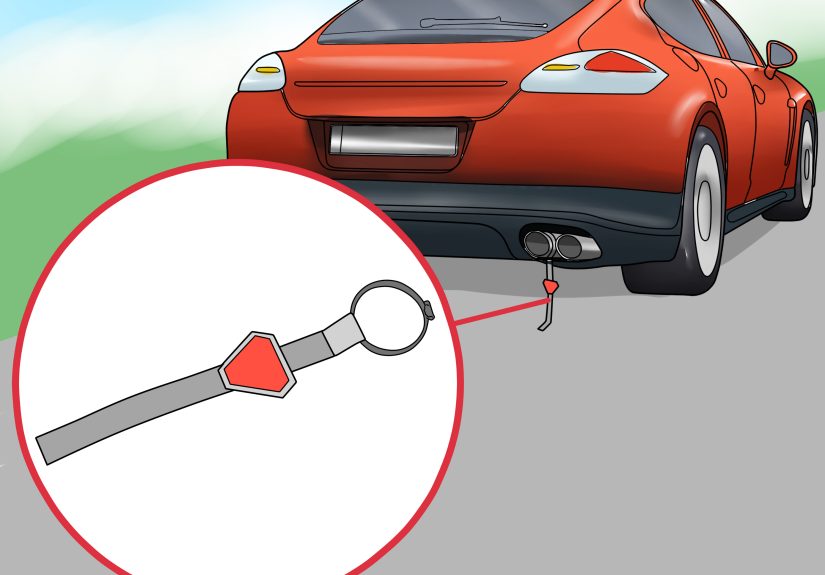
- Static straps mount under the car and can help dissipate charge (some people don’t love the look).
- Anti-static keychains are designed to discharge static through a device before you touch the door.
6) Quick interior tweaks that sometimes help
- Seat covers made of less “charge-friendly” materials can reduce friction charging (results vary by fabric).
- Keep the cabin from getting extremely dryrunning heat nonstop can lower humidity.
- If you use fabric softener or anti-static products on clothing, follow label directions (overuse can irritate skin).
Gas Station Bonus: Don’t Let Static Pick the Worst Possible Moment
Static shocks at the pump are rare, but the “high drama” version of this problem is building charge by getting back into your car while fueling, then stepping out and reaching for the nozzle. The safer habit is:
- Don’t re-enter your car while fueling unless you truly need to.
- If you do re-enter, touch metal on the outside of the car away from the fuel area when you step back out, before you reach for the nozzle.
Translation: if you’re going to let static be a thing, don’t invite it to the gas pump party.
Myth-Busting: Common Questions (Answered Like a Human)
Why does static shock happen more in winter?
Because winter air tends to be drierespecially indoors with heating. Dry air doesn’t conduct charge away as easily, so charge builds up until it finally jumps when you touch metal.
Is it my car battery? Am I driving a rolling taser?
Usually, no. The classic “door handle zap” is static electricity from frictionclothes + seat + dry air. It’s annoying, not a sign your car is secretly powered by mischief.
What if I get shocked while driving or touching random interior buttons?
That’s less typical for simple static. If shocks feel strong, happen in unusual ways, or you notice electrical problems (flickering lights, burning smell, odd behavior), have the vehicle inspected. And if you’re working under the hood while the engine is running, ignition systems can deliver painful shocksdon’t treat that like the harmless door-handle zap.
A Simple “No-Zap” Routine You Can Actually Remember
- Before you stand up, grab bare metal on the door frame.
- Keep contact while your feet hit the ground.
- If you forgot, touch the car with your key first before your skin makes contact.
Do that, and you’ll stop flinching like the door handle is plotting against you.
Experiences and Real-World Scenarios (500+ Words)
Let’s talk about the “lived reality” of car staticbecause the science is helpful, but what you really want is to stop doing that awkward little post-zap dance in public like you just got roasted by a tiny ghost.
Scenario 1: The Winter Coat Betrayal. It’s a crisp, dry morning. You’re wearing a puffy jacket layered over a fleece because you’re basically a responsible adult now. You slide out of the driver’s seat, grab the door edge with one finger, andZAP. Suddenly you’re wide awake, and the people walking past you pretend not to notice (which somehow feels worse). In this situation, your outfit is doing two things: (1) building charge like a champion through friction, and (2) insulating you so the charge doesn’t bleed off until the most inconvenient moment. The fix is beautifully low-effort: keep your hand on the metal frame while you exit. You can still dress like a cozy marshmallow. Just don’t exit like a human pinball.
Scenario 2: The Rental Car Curse. You rent a car on a trip and suddenly you’re getting shocked every time you step out. Your brain whispers, “This vehicle is haunted.” More likely, it’s a perfect storm: different seat fabric, different cabin humidity, and you wearing travel clothes that love static (hello, stretchy synthetics). This is when the key trick shinesbecause you already have keys in hand. Tap the metal with the key before your fingers touch it, close the door, and move on with your life like a person who is not being bullied by electrons.
Scenario 3: The Kid Witnesses It (and Laughs). If you’ve ever been zapped in front of a child, you know they treat it like free entertainment. “Do it again!” they say, as if you’re performing a magic show. The best part about the hand-on-metal method is that it looks normal. No dramatic flinch. No yelp. No encore. You get out, you close the door, and you keep your dignitywhich is priceless, because children trade dignity like baseball cards.
Scenario 4: The Gas Station Moment. You’re fueling up, then remember your wallet is in the car. You hop back in, hop back out, and reach for the nozzleexactly when you don’t want any surprises. This is why “don’t re-enter while fueling” is common advice. But life happens, so if you do get back in, step out and touch metal on the outside of the car away from the fuel area before you grab the nozzle. Think of it as a quick, silent handshake with the car: “Hello, yes, I’d like to discharge any static before we do something flammable.”
Scenario 5: The ‘It Only Happens at This One Parking Garage’ Mystery. Some places are just drier (heated garages, windy lots, certain climates), and sometimes your shoes and the ground surface change the story. Rubber soles on dry concrete can make you feel like a walking capacitor. Don’t overthink itjust use the routine. Touch metal first, keep contact while exiting, and you’ll stop treating every door closure like a suspense movie.
The common thread in all these experiences is simple: static shock is predictable once you know the triggers. Dry air + friction + insulating materials equals charge buildup. Your goal isn’t to “remove static from the universe.” Your goal is to control how it dischargesslowly and quietly, not suddenly and painfully.
Conclusion
If you want to get out of a car without getting shocked by static electricity, don’t wait until the door handle hits your fingertip. Touch bare metal on the car frame before you stand up and keep contact until your feet are on the ground. That one habit solves most car-door zaps immediately.
If static is a frequent visitor, reduce friction (stop sliding out), watch staticky fabrics, consider anti-static spray (tested carefully), add a little humidity in winter, and use a key as your emergency “static lightning rod.” The goal isn’t to fear the carit’s to exit like a calm, un-zapped adult who definitely did not just lose a fight to invisible electricity.