Table of Contents >> Show >> Hide
- Understanding When Pregnancy Can Happen
- How To Find Your Fertile Window
- Best Time To Have Sex To Conceive
- What Can Improve Your Chances of Pregnancy?
- Things That Do Not Deserve So Much Hype
- When To See a Doctor About Fertility
- How Age Affects the Best Time To Conceive
- Conclusion
- Trying To Conceive in Real Life: Common Experiences and What They Teach You
- SEO Metadata
If you are trying to get pregnant, timing matters. Not in a “set three alarms, light a candle, and consult the moon” kind of way, but in a very real, very biological way. The best time to conceive is tied to ovulation, which is when an ovary releases an egg. Miss that window, and your odds for that cycle can drop fast. Hit it well, and you give yourself the best possible chance without turning your love life into a corporate project plan.
The good news is that conception does not require a secret hack, a bizarre sex position, or an internet stranger shouting about pineapple core. It mostly comes down to understanding your fertile window, having sex at the right time, and setting yourself up for pregnancy with healthy habits. In other words: less magic, more timing.
This guide breaks down exactly when you are most fertile, how to track ovulation, what actually improves your chances, and when it is time to call a doctor. If you have been wondering about the best time to conceive, here is the no-fluff version.
Understanding When Pregnancy Can Happen
To get pregnant, sperm has to meet an egg during a small monthly window. That window is centered around ovulation. In a textbook 28-day menstrual cycle, ovulation often happens around day 14. But real life is not a textbook, and many healthy cycles are shorter, longer, or just a little unpredictable.
What matters most is this: ovulation usually happens about 12 to 14 days before your next period starts, not always on day 14 of the calendar. So if your cycle is 30 days long, you may ovulate closer to day 16. If it is 26 days long, it may be closer to day 12. That is why simply counting from the first day of your last period can be helpful, but not perfect.
Your fertile window includes the five days before ovulation, the day of ovulation, and possibly the day after. Why so wide? Because sperm can survive in the reproductive tract for up to five days, while an egg lives for only about 12 to 24 hours after ovulation. Translation: sperm can wait around for the egg, but the egg is not known for patience.
If you are aiming for the best time to get pregnant, the highest-value days are usually the two to three days before ovulation and the day ovulation happens. That is the sweet spot.
How To Find Your Fertile Window
If your cycles are regular, tracking ovulation can be fairly straightforward. If they are irregular, you may need a few tools and a little detective work. Either way, the goal is the same: figure out when ovulation is likely to happen, then time intercourse before that day rather than after it.
1. Use the calendar method as a starting point
If your period is fairly predictable, start by counting your cycle length from the first day of one period to the first day of the next. Then estimate ovulation at about 14 days before your next period. This method is simple and free, which is always charming, but it works best when your cycle length does not bounce around wildly from month to month.
If your periods range from “pretty regular” to “surprise plot twist,” a calendar alone may not give you the best answer.
2. Watch for changes in cervical mucus
As ovulation approaches, cervical mucus often becomes clearer, stretchier, and more slippery, kind of like raw egg whites. Glamorous? No. Helpful? Absolutely. This change means your body is creating a more sperm-friendly environment, which is exactly what you want when trying to conceive.
If you notice this type of discharge, consider it a giant biological billboard flashing fertile window now open.
3. Try an ovulation predictor kit
Ovulation predictor kits, or OPKs, test urine for the surge in luteinizing hormone that typically happens before ovulation. They can be especially helpful if you want a clearer signal than a calendar can provide. A positive OPK often means ovulation is likely within the next day or so, which makes it one of the most practical tools for timing sex.
If you like data, peeing on a stick may become your oddly specific hobby for a few months.
4. Track basal body temperature for patterns
Basal body temperature is your temperature at complete rest, taken first thing in the morning before you get out of bed. After ovulation, progesterone causes a slight rise in body temperature. This can help confirm that ovulation probably happened.
But there is a catch: basal body temperature is better at showing ovulation after it occurs than predicting it in time for that same cycle. Think of it as a rearview mirror, not a GPS. It is useful for spotting patterns over a few months, especially when paired with other signs.
Best Time To Have Sex To Conceive
If you want the best chance of getting pregnant, have sex during the fertile window, ideally every day or every other day. That advice sounds almost suspiciously simple, but it is backed by fertility guidance. The goal is to make sure sperm is already present before the egg arrives.
If you can identify ovulation fairly well, aim to have sex in the two to three days before ovulation and again on the day of ovulation. If you cannot predict ovulation that precisely, having sex every two to three days throughout the cycle is a smart fallback plan. It covers your bases without forcing your relationship into a spreadsheet.
Some couples worry that sex “too often” will lower sperm quality. For most couples, that is not a reason to hold back. Intercourse every one to two days during the fertile window is generally considered ideal, and more frequent sex is not usually associated with lower chances of pregnancy in couples without a known male-factor issue.
What Can Improve Your Chances of Pregnancy?
Timing is huge, but it is not the whole story. Fertility is also affected by age, ovulation patterns, sperm health, body weight, medical conditions, and daily habits. No single smoothie can override biology, but several practical steps can stack the odds more in your favor.
Take folic acid before you conceive
If you are trying to get pregnant, start a prenatal vitamin or make sure you get 400 micrograms of folic acid daily. This is one of the most important preconception steps because it helps reduce the risk of certain neural tube defects very early in pregnancy, often before you even know you are pregnant.
Schedule preconception care
A pre-pregnancy checkup is not just for ultra-organized people with color-coded planners. It is a smart move for anyone trying to conceive. A clinician can review medications, chronic conditions, vaccinations, cycle history, family history, and anything else that could affect fertility or a future pregnancy.
This visit is especially important if you have diabetes, thyroid disease, high blood pressure, PCOS, endometriosis, a history of sexually transmitted infections, or previous pregnancy complications.
Maintain a healthy weight
Being underweight or overweight can interfere with ovulation. For some people, even a modest improvement in weight and nutrition can help cycles become more regular. That does not mean chasing perfection. It means aiming for habits that support hormone balance, ovulation, and overall health.
Stop smoking, vaping, and using recreational drugs
These can affect fertility and pregnancy outcomes. If you smoke or vape nicotine or marijuana, this is an excellent time to quit. The same goes for recreational drugs. It is not glamorous advice, but it is powerful advice.
Skip alcohol when trying to conceive
If pregnancy is possible this cycle, it is safest to avoid alcohol. You do not get a push notification the instant implantation happens, so a cautious approach makes sense when you are actively trying.
Keep caffeine moderate
You do not need to mourn your morning coffee. Moderate caffeine intake is generally considered acceptable, but this is not the season for turning yourself into a human espresso machine. Keep it sensible, especially as you move from trying to conceive into early pregnancy.
Do not forget sperm health
Pregnancy is not a one-person project. Sperm health matters too. Male fertility can be affected by smoking, alcohol, drug use, obesity, certain medications, medical conditions, and age. If conception is not happening, both partners may need evaluation. That is not blame. That is biology being a team sport.
Things That Do Not Deserve So Much Hype
When people search for how to get pregnant fast, the internet often responds with a parade of myths wearing lab coats. So let us clear a few out of the room.
Special sex positions
No evidence shows that one sexual position is the magic fertility key. Gravity is not the star of this show. Sperm are built for travel, and they start moving quickly after ejaculation.
Lying still forever afterward
Resting for a few minutes is fine if it makes you feel less like you are rushing to catch a bus, but you do not need to perform a post-sex headstand worthy of an Olympic trial. Timing matters much more than acrobatics.
Random supplements with dramatic promises
Be skeptical of anything marketed like a miracle. A standard prenatal vitamin makes sense. A mystery capsule that promises twins, instant implantation, and glowing skin should probably stay on the shelf.
Using just any lubricant
Some lubricants may interfere with sperm movement. If you need one, ask about sperm-friendly options rather than grabbing whatever is in the nightstand from 2019.
When To See a Doctor About Fertility
Most couples do not get pregnant on the very first try, despite what movie montages may suggest. It can take time. But there are clear points when it makes sense to get help.
- If you are under 35 and have been trying for 12 months without pregnancy, schedule an evaluation.
- If you are 35 or older, get checked after 6 months of trying.
- If you are over 40, many experts recommend talking with a clinician sooner rather than later.
You should also seek care earlier if you have irregular or absent periods, known PCOS, endometriosis, pelvic inflammatory disease, a history of chemotherapy, recurrent pregnancy loss, severe pelvic pain, sexual dysfunction, or concerns about sperm health.
Fertility problems can involve ovulation, blocked fallopian tubes, uterine issues, endometriosis, low sperm count, hormonal problems, or a mix of factors. Sometimes the cause is clear. Sometimes it is maddeningly unclear. Either way, earlier evaluation can help you avoid wasting time.
How Age Affects the Best Time To Conceive
Age is one of the biggest factors in fertility, and it deserves honesty, not doom. Fertility does not fall off a cliff on your 35th birthday, but it does gradually decline over time, with a faster drop in the mid-to-late 30s and beyond. Egg quality and egg quantity both change with age, which can make conception take longer and can increase miscarriage risk.
That does not mean pregnancy in your late 30s or 40s is impossible. Far from it. Many people conceive naturally during those years. It simply means timing becomes more important, delays matter more, and seeking help sooner is often wise.
Conclusion
If you want to know the best time to conceive, the answer is simple: the days just before ovulation and the day ovulation occurs. Your fertile window is short, which is why learning your cycle can make such a difference. Have sex every day or every other day during that window, take folic acid, keep your health habits solid, and get medical guidance if pregnancy is not happening within the recommended time frame.
Trying to conceive can feel exciting, confusing, hopeful, exhausting, and weirdly educational all at once. One minute you are buying a prenatal vitamin, and the next minute you somehow have opinions about cervical mucus. Welcome to the club. The key is to focus on what actually works: timing, consistency, and evidence-based care. Leave the fertility myths to the internet gremlins.
Trying To Conceive in Real Life: Common Experiences and What They Teach You
For many people, the experience of trying to get pregnant is emotionally louder than they expected. At first, it can seem exciting and simple. You stop birth control, download an ovulation app, and assume nature will handle the rest by next Thursday. Then a cycle passes. Then another. Very quickly, trying to conceive can start to feel like a mix of hope, math, and emotional whiplash.
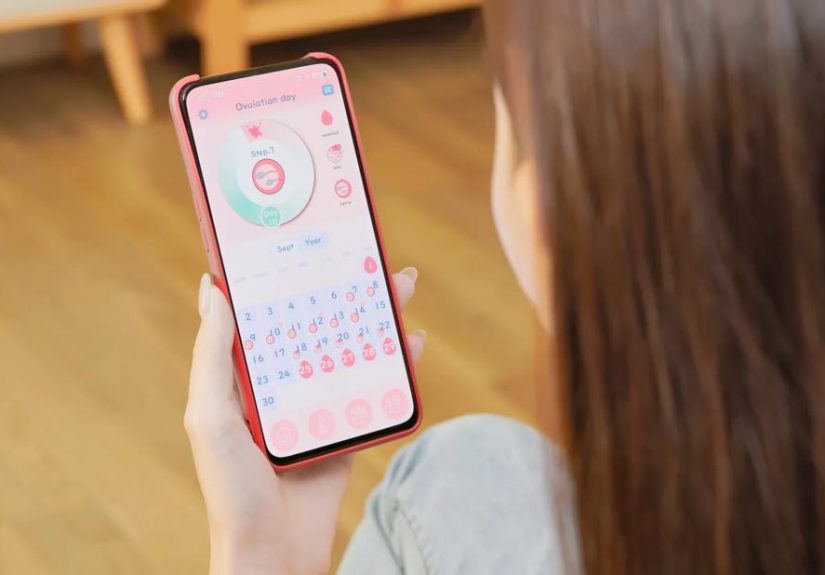
One of the most common experiences is realizing that “normal” is much wider than you thought. Some people discover their cycle is not as predictable as they assumed. Others learn that ovulation apps can estimate fertile days, but they are not mind readers. This is often the point when people begin paying closer attention to body signs, start using ovulation predictor kits, or track basal body temperature. It can feel empowering, but it can also make every bathroom trip feel like a lab experiment.
Another common experience is the pressure that can sneak into a relationship. Sex that used to happen naturally may start arriving with a calendar invite. Even couples with great communication can feel the strain when intercourse starts to feel scheduled. Many people say it helps to keep some humor in the process, talk openly about stress, and remember that closeness matters too. Fertility advice often focuses on timing, but emotional connection deserves a place in the conversation as well.
People with irregular cycles often describe a different kind of frustration: they are trying to time ovulation without a reliable map. That uncertainty can be especially hard because it is difficult to know whether the fertile window was missed or never clearly appeared. In those situations, many people feel relieved once they talk to a clinician and get a more structured plan. Sometimes that plan includes lab work, treatment for an ovulation disorder, or simply better guidance on cycle tracking.
There is also the monthly emotional roller coaster known as the “two-week wait,” which is the stretch between ovulation and when you can reasonably take a pregnancy test. During that time, every cramp, twinge, mood shift, or sudden need for pickles can start to look suspicious. Many people find themselves symptom-spotting with the intensity of a crime detective. This experience is incredibly common, and it can be draining. Setting limits on testing, doom-scrolling, and constant self-monitoring can make the process feel more manageable.
Perhaps the biggest lesson people report is that trying to conceive often becomes easier emotionally when they separate what they can control from what they cannot. You can learn your fertile window. You can time intercourse well. You can take folic acid, avoid smoking, get checked if needed, and support your overall health. What you cannot do is guarantee pregnancy on a specific cycle. That part is hard. But understanding that uncertainty is normal can make the process feel less like personal failure and more like human biology doing what human biology sometimes does: moving on its own timeline.