Table of Contents >> Show >> Hide
- What Are Hand Warts (and Why Won’t They Chill)?
- Before You Start: Three “Don’t Make It Worse” Rules
- How to Get Rid of Warts on Hands: 13 Steps
- Step 1: Confirm It’s Probably a Wart (Not a Look-Alike)
- Step 2: Decide If You Actually Need to Treat It Today
- Step 3: Stop the Spread (This Is Part of Treatment)
- Step 4: Soften the Wart (5 Minutes, Warm Water)
- Step 5: Gently File the Surface (Disposable Tools Only)
- Step 6: Protect the Healthy Skin Around It
- Step 7: Use Salicylic Acid Correctly (Your Best At-Home First-Line Option)
- Step 8: Add Occlusion (Covering Helps)
- Step 9: Repeat Daily (Yes, Really) for Up to 8–12 Weeks
- Step 10: Try the Duct Tape Method (A Cheap Sidekick, Mixed Evidence)
- Step 11: Consider OTC Freezing Kits Carefully (They’re Not Office Liquid Nitrogen)
- Step 12: Escalate to In-Office Treatment if It’s Stubborn or Spreading
- Step 13: Prevent the Encore (Recurrence and Re-Spread Prevention)
- When to See a Dermatologist (Don’t “DIY” These Situations)
- FAQ: Hand Wart Removal, Answered Like a Real Person
- Conclusion
- Real-Life Experiences (What People Commonly Run Into) ~
Hand warts are like that one party guest who wasn’t invited, shows up anyway, and then refuses to leave. The good news: most are harmless, many go away on their own, and the ones that don’t can usually be evicted with a little strategy, consistency, and (occasionally) professional backup.
This guide walks you through 13 practical, dermatologist-aligned steps to get rid of warts on handsfrom smart at-home options like salicylic acid and occlusion to in-office treatments like cryotherapy and other “last resort” methods. You’ll also learn how to stop warts from spreading to your other fingers, your family, or your favorite nail file (RIP).
Quick note: This article is for general education, not a diagnosis. If you’re unsure whether it’s a wart, if it’s painful/bleeding, or if you have diabetes, poor circulation, immune system issues, or nerve problems in your handsloop in a clinician early.
What Are Hand Warts (and Why Won’t They Chill)?
Most warts on hands are common warts caused by certain types of human papillomavirus (HPV). The virus gets into skin through tiny cuts or breaks, then encourages your skin cells to build a little “speed bump” of tissue. That bump can feel rough, look grainy, and sometimes has tiny dark dots (clotted blood vessels, not “wart seeds,” despite what the internet says).
Two important realities make hand wart removal feel unfair:
- They’re contagious (skin-to-skin contact and shared tools can spread them).
- They’re stubborn because you’re not just removing a bumpyou’re persuading your immune system to notice and clear a virus.
Before You Start: Three “Don’t Make It Worse” Rules
- Don’t pick, bite, or shave over warts. That spreads HPV to nearby skin and can create more warts.
- Don’t share nail tools, towels, gloves, or pumice/emery boards. You’ll basically be gifting HPV.
- Don’t use wart acids on the face or genitals (and be careful near nails and sensitive skin).
How to Get Rid of Warts on Hands: 13 Steps
Step 1: Confirm It’s Probably a Wart (Not a Look-Alike)
Common imposters include calluses, corns, skin tags, eczema patches, or (rarely) more serious skin growths. Warts often feel rough, interrupt normal skin lines, and may have tiny black dots. If it’s rapidly growing, oddly colored, bleeding, very painful, or you’re unsureskip the guessing game and get it checked.
Step 2: Decide If You Actually Need to Treat It Today
Many warts resolve without treatmentespecially in kids, but adults can clear them too. If it’s small, not spreading, and not bothering you, “watchful waiting” is a legitimate plan. If it’s multiplying, embarrassing, snagging on everything, or you just want it gone yesterday, keep going.
Step 3: Stop the Spread (This Is Part of Treatment)
Think of this as “wart quarantine,” minus the drama:
- Cover it with a bandage if you’ll be touching shared surfaces (gym equipment, tools, etc.).
- Wash hands after touching the wart or applying treatment.
- Keep nail biting in check (HPV loves tiny skin breaks).
Step 4: Soften the Wart (5 Minutes, Warm Water)
Before most at-home treatments, soak the wart in warm water for about 5 minutes. This softens thick skin so medication can penetrate better. You’re not making teayou’re prepping for removal.
Step 5: Gently File the Surface (Disposable Tools Only)
Use a disposable emery board or a pumice stone reserved only for that wart to remove dead surface skin. Be gentleno sanding your hand like a DIY furniture project. Filing helps treatments like salicylic acid work more effectively.
Step 6: Protect the Healthy Skin Around It
Wart removers can irritate normal skin. Add a thin barrier (like petroleum jelly) around the wartespecially if the wart is small and your aim isn’t perfect. Consider this the “do not disturb” zone for your healthy skin cells.
Step 7: Use Salicylic Acid Correctly (Your Best At-Home First-Line Option)
Salicylic acid is a common over-the-counter wart treatment in liquids, gels, and pads. For common hand warts, many products use around 17% salicylic acid. Apply it to the wart (not the surrounding skin), let it dry, then cover if directed.
What to expect: peeling, mild irritation, and slow-but-steady progress. This is a marathon, not a microwave.
Step 8: Add Occlusion (Covering Helps)
Occlusion means covering the wart after applying medicationoften with a bandage or tape. Dermatology guidance commonly notes that occlusion can improve results, especially when used on top of salicylic acid. Translation: don’t just apply and hopeapply, cover, and commit.
Step 9: Repeat Daily (Yes, Really) for Up to 8–12 Weeks
This is where most people lose the plot: consistency. Many effective at-home plans require daily application for weeks, sometimes up to 12 weeks. Missing days slows momentum. If you’re someone who forgets, set a nightly reminderbecause warts thrive on chaos.
Step 10: Try the Duct Tape Method (A Cheap Sidekick, Mixed Evidence)
Duct tape occlusion is popular because it’s low-cost and strangely satisfying. Research results are mixed, but some clinicians still suggest itespecially as an add-on to salicylic acid.
A common routine: cover the wart with duct tape for several days, remove it, soak, gently file, leave uncovered overnight, then repeat. If your skin gets irritated, take a break. The goal is irritation for the wartnot a full-blown hand rebellion.
Step 11: Consider OTC Freezing Kits Carefully (They’re Not Office Liquid Nitrogen)
Over-the-counter “freeze off” products can help some people, but they’re typically not as cold or as targeted as in-office liquid nitrogen. They can also cause pain, blistering, or skin damage if used incorrectly. If you have poor circulation, diabetes, nerve issues, or sensitive skin, this is a “talk to a clinician first” category.
Step 12: Escalate to In-Office Treatment if It’s Stubborn or Spreading
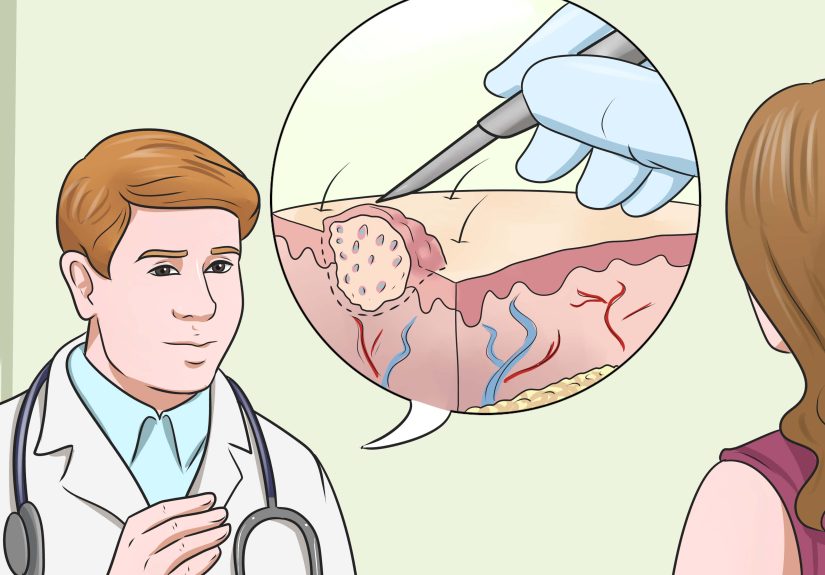
If your wart is persistent, multiplying, painful, or messing with your daily life, a clinician can offer stronger options, such as:
- Cryotherapy (liquid nitrogen freezing): quick in-office freezing; often repeated every few weeks.
- Cantharidin: applied in-office to create a blister under the wart so it lifts off.
- Prescription topicals: stronger peeling agents or targeted therapies.
- Procedures: electrosurgery, laser treatment, or excision for select cases.
Many people need multiple sessions. That’s normal. Warts are persistent; dermatology is more persistent.
Step 13: Prevent the Encore (Recurrence and Re-Spread Prevention)
Even after a wart disappears, HPV can be tricky. Lower the odds of new warts by:
- Not sharing nail clippers/files and disinfecting tools you keep.
- Covering warts during treatment to reduce spread.
- Moisturizing cracked hands (micro-cuts make it easier for HPV to enter).
- Taking care of your immune system basics: sleep, stress management, and nutrition (not magic, but helpful).
When to See a Dermatologist (Don’t “DIY” These Situations)
- The growth is painful, bleeding, rapidly changing, or looks unusual.
- You have many warts, or they keep spreading.
- You’ve tried consistent OTC treatment for 8–12 weeks with no improvement.
- The wart is around the nail (periungual), where treatment can be tricky.
- You have diabetes, poor circulation, neuropathy, or immune suppression.
FAQ: Hand Wart Removal, Answered Like a Real Person
Do hand warts go away on their own?
Often, yesbut it can take months, sometimes longer. If you’re not patient (no judgment), treatment can speed things up.
Why does salicylic acid take so long?
Because it removes layers gradually and relies on consistent use. It’s effective for many people, but it’s not instant.
Is it okay to cut a wart off?
Please don’t. Cutting can cause bleeding, infection, scarring, and spread HPV to nearby skin. Also, it hurts. A lot.
What’s the fastest way to get rid of a wart on a hand?
“Fastest” often means in-office treatment like cryotherapy. But even then, you may need multiple sessions.
Will the HPV vaccine prevent hand warts?
The HPV vaccine primarily targets HPV types linked to cancers and genital warts. Hand warts are typically caused by different HPV types, so don’t count on the vaccine as a hand-wart shieldthough it’s still an important preventive vaccine for other reasons.
Conclusion
Getting rid of warts on hands is mostly about smart technique + consistency. If you do the basics wellsoak, gently file, apply salicylic acid, cover, and repeatyou’ll often win the long game. If you don’t, that’s not a character flaw; it’s just a sign to bring in the pros for treatments like cryotherapy or other dermatologist options.
And remember: the goal isn’t to declare war on your skin. It’s to remove the wart while keeping the rest of your hand happy, healthy, and available for important taskslike texting, cooking, and dramatically pointing at things during conversations.
Real-Life Experiences (What People Commonly Run Into) ~
1) The “I Thought It Was a Callus” Phase
A lot of people start out convinced they have a callus from lifting weights, gripping tools, or living life with enthusiasm. The bump feels rough, so they moisturize it… and nothing changes. Then they notice the skin lines don’t flow through the spot like normal, or they see tiny black dots. That’s often the moment they realize: “Oh. This is a wart.” The best move here is to stop scraping it aggressively (which can spread HPV) and switch to a measured plan: soak, gentle filing, salicylic acid, cover, repeat.
2) The “I Used It for Four Days and It Didn’t Work” Trap
This is the most common derailment. Salicylic acid isn’t a one-weekend relationship; it’s a long-term commitment. Many people give up right when they’re starting to make progressbecause the wart looks “whiter” or the skin peels and it feels like nothing is happening. What’s actually happening: layers are coming off, and you’re slowly exposing more of the wart tissue to treatment. The people who succeed usually treat it like brushing teethsmall daily effort, no dramatic expectations.
3) The “Duct Tape Confidence Era”
Duct tape can feel like a magical hack because it’s simple and oddly satisfying. People love telling friends, “Just slap duct tape on it!” The reality is more nuanced: it may help, it may not, and it often works best as an add-on (especially over medication). Common issues include skin irritation from adhesive, tape that won’t stay on hands (hello, handwashing), and forgetting to reapply. The trick is to keep it practicaluse it when it fits your routine, and don’t force it if your skin gets angry.
4) The “Why Are There Two Now?!” Moment
Hand warts can spread to nearby fingers, especially if you pick at them or reuse the same nail file. People often notice a second tiny bump and panic. Don’t panictighten your process. Use disposable filing tools, wash hands after treatment, cover the wart, and keep the surrounding skin moisturized to prevent tiny cracks. Many people find that once they stop accidental spread, they can focus on clearing what’s already there.
5) The “Fine, I’m Calling Dermatology” Relief
There’s a turning point where people realize they’re spending more time negotiating with a wart than they spend choosing a streaming show. In-office treatments like cryotherapy can feel like a reset buttonfast appointment, short procedure, and a clearer plan. It can sting, blister, or need repeats, but many people feel relieved just having a professional confirm it’s a wart and map out options. Sometimes the “best” treatment isn’t the most aggressiveit’s the one you can actually follow consistently.
Bottom line: the most realistic “experience” of wart removal is learning patience, building a simple routine, and knowing when to level up to professional care. Your hands do a lot for youso treat the wart firmly, but treat your skin kindly.