Table of Contents >> Show >> Hide
- Before You Start: Why Wax Behaves Like It Owns the Place
- Tools and Materials to Gather
- The Two Strategies That Work Almost Everywhere
- How to Get Wax Off Painted Walls
- How to Get Wax Off Wood (Finished vs. Unfinished)
- How to Get Wax Off Wallpaper (Without Making It Cry)
- Troubleshooting: Common Wax-Removal Problems
- Preventing the Next Wax Incident (Because It Will Happen Again)
- Clean-Up and Disposal
- of Real-Life Wax-Removal Experiences (So You Don’t Repeat Them)
Candlelight is a vibeuntil gravity decides your wall needs a “modern art” wax drip. The good news: getting wax off
walls, wood, and wallpaper is usually a low-drama job if you use the right method for the surface. The bad news:
the wrong method can turn a simple drip into a smeary mess, a scratched finish, or wallpaper that peels like a sunburn.
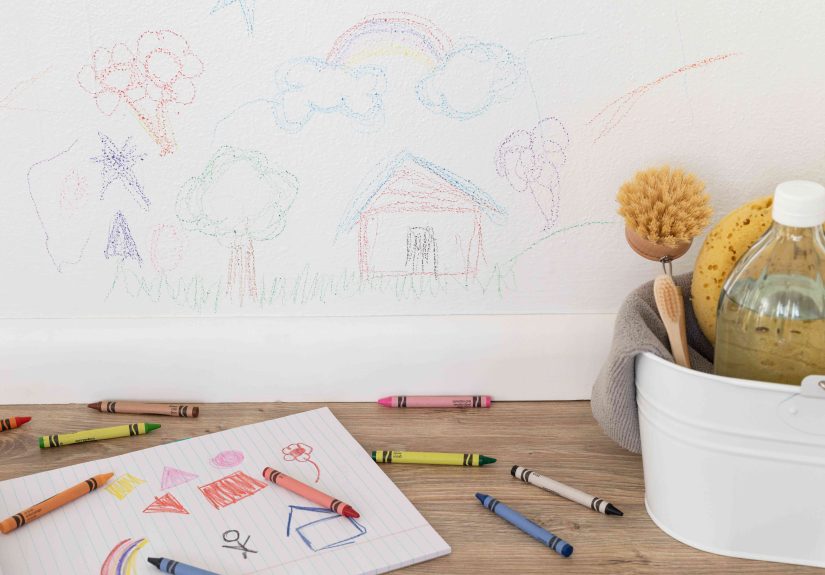
This guide breaks down the safest, most effective ways to remove candle wax (and crayon wax, because kids) from
painted walls, finished and unfinished wood, and delicate wallpaperwithout panic-scrubbing your way into a repair project.
You’ll also get a troubleshooting section for stubborn residue and colored wax stains, plus real-life “learned it the hard way”
experiences at the end.
Before You Start: Why Wax Behaves Like It Owns the Place
Wax is sneaky. When it’s hot, it can seep into tiny pores or texture (hello, orange-peel drywall and wood grain). When it cools,
it hardens into a brittle layer that can often be lifted cleanlyunless you smear it around while it’s semi-soft.
That’s why the golden rule is:
- Don’t wipe warm wax. Let it harden, or harden it faster with cold.
- Remove the bulk first (lift/scrape), then tackle the faint residue with gentle cleaning.
- Match the method to the surface. Painted drywall isn’t hardwood. Wallpaper is… basically a trust fall exercise.
Tools and Materials to Gather
You won’t need a hardware-store parade, but having the right basics prevents “I used a steak knife on my wall” decisions.
- Ice cubes + a sealable plastic bag
- Plastic scraper or an old credit card (plastic is your friend)
- Hair dryer (or a low-heat setting on a heat gun, if you’re careful)
- Paper towels (plain, not lotion-infused)
- Microfiber cloths (lint-free = less fuzz stuck to wax)
- Dish soap + warm water
- Distilled white vinegar (handy for waxy residue)
- Baking soda (especially useful on unfinished wood)
- Optional for tough stains (use cautiously): rubbing alcohol, adhesive remover
- For wallpaper only (optional): iron on the lowest setting
The Two Strategies That Work Almost Everywhere
1) The Cold Method (Best for thick drips)
Cold makes wax brittle so it “pops” off instead of smearing. Use this when wax is thick, raised, or you’re working on
sensitive finishes.
- Put ice in a plastic bag and press it against the wax for 30–60 seconds.
- Lift/scrape gently with a plastic edge.
- Repeat in short bursts rather than forcing it in one go.
2) The Heat-and-Blot Method (Best for thin films)
Heat softens wax so you can blot and lift it into paper towels or clothwithout digging at the surface.
Use this when a thin wax “shadow” remains after you remove the bulk.
- Warm the wax gently (hair dryer on low/medium).
- Blot immediately with paper towels; switch to clean sections often.
- Finish with a mild cleaner to remove the oily residue.
How to Get Wax Off Painted Walls
Painted walls (drywall or plaster) are common wax victimsespecially near candle shelves, sconces, and that one “cozy corner”
everyone posts on social media. Your priorities are: don’t gouge the paint and don’t spread the wax.
Step-by-step: The Safe Wall Method
-
Soften the wax with gentle heat.
Use a hair dryer on medium heat, keeping it a few inches away. Warm for short bursts until the wax looks slightly glossy.
(If it starts running, you’re too hotback up and cool down.) -
Lift the wax with plastic.
Use a thin plastic scraper or old credit card at a low angle. Think “scoot it off,” not “chiseling marble.”
Wipe the tool on a paper towel as you go. -
Remove the oily residue.
Mix warm water with a small amount of dish soap and wipe gently. If it still feels slick, a diluted vinegar-and-water wipe
can help cut the waxy film. Keep cloths dampnot drippingso you don’t soak the wall. -
Dry and inspect.
Buff with a dry microfiber cloth. Check from an angle (side lighting reveals leftover “shiny” wax).
If the wax is in texture (orange peel, knockdown, popcorn ceiling edge)
Texture traps wax like it’s collecting rent. Use cold first to pop off what you can, then heat-and-blot for the thin remainder.
Avoid aggressive scrubbingit can burnish paint and leave a shiny patch that looks worse than the original drip.
What about colored wax stains on paint?
Colored wax can leave dye behind, especially on flat paint. Start mild:
- Dish soap + warm water (gentle passes, no scrubbing frenzy).
- Spot-test rubbing alcohol on a hidden area first; it can dull or lift some paints.
- Adhesive remover can work on stubborn discoloration, but always spot-testsome products soften paint.
If you still see a faint tint after cleaning, you may be looking at pigment absorbed into the paint film. At that point,
a tiny touch-up with matching paint is often the cleanest “professional-looking” solution.
Paint safety note (especially in older homes)
If your home was built before 1978 and you’re scraping paint aggressively, be cautious. It’s rare that wax removal requires
heavy paint disturbance, but if paint is already peeling or flaking, avoid turning this into a “mini renovation” moment.
Gentle methods are bestand if you suspect old paint hazards, follow lead-safe guidance.
How to Get Wax Off Wood (Finished vs. Unfinished)
Wax on wood is all about the finish. A sealed, finished surface lets you lift wax cleanly. Unfinished wood can absorb wax into the grain,
which takes a little more patience.
Finished wood (furniture, sealed paneling, baseboards, varnished trim)
-
Harden the wax (optional but helpful).
Press an ice bag on the wax to make it brittle. -
Scrape gently with plastic.
Slide a plastic edge under the wax. Work with the grain when possible. -
Soften and blot what remains.
Use a hair dryer on low/medium, moving it continuously so you don’t overheat the finish. Blot with paper towels or a soft cloth. -
Clean the haze.
A mild vinegar-and-water wipe can help remove residue. Dry immediately. -
Restore the sheen.
Buff with a clean cloth. If the finish looks uneven, a small amount of furniture polish or wax (appropriate for your finish)
can blend the spotbuff a wider area so the repair doesn’t look like a “target.”
Hardwood floors: extra caution
Floors get scratched easily, and many are sealed with finishes that don’t appreciate harsh solvents or sharp scraping.
Use ice + plastic scraping first, then a gentle heat-and-lift if needed. Avoid steel wool, abrasive scrub pads, and metal blades.
When you’re done, buff with a product meant for your floor’s finish.
Unfinished wood (raw wood, unsealed trim, rustic shelves)
On unfinished wood, wax can cling inside the grain. The goal is to lift wax out without grinding it deeper.
- Scrape off raised wax gently with plastic.
-
Brush the grain.
Use an old toothbrush to work along the grain and loosen wax from grooves. -
Use a mild abrasive paste.
A little baking soda on damp bristles can help “grab” waxy residue. - Wipe and dry. Use a lightly damp cloth (water or diluted vinegar), then let it air-dry fully.
If a slight wax darkening remains in raw wood, light sanding (very fine grit) can helpbut only after the wax is mostly removed,
otherwise sanding can smear wax into the fibers.
How to Get Wax Off Wallpaper (Without Making It Cry)
Wallpaper is the most delicate surface in this whole story. Too much water can loosen adhesive. Too much heat can warp or shine the finish.
Too much scraping can tear it. So we go slow, gentle, and strategic.
Step-by-step: The Wallpaper Method
-
Freeze the wax.
Press an ice bag against the wax briefly to harden it. -
Lift with a credit card.
Use a plastic edge to gently pop off wax. Keep the tool nearly flat to avoid gouging. -
Heat-and-absorb the thin remainder.
Stack several paper towels over the area. With an iron on the lowest setting, press for short bursts
so the towels absorb softened wax. Do not lingershort, controlled presses are safer than one long press.
Vinyl wallpaper vs. paper wallpaper
-
Vinyl wallpaper is more washable and can sometimes tolerate a tiny bit of gentle solvent on a cotton ball
for stainsbut spot-test first. -
Paper, fabric, and grasscloth wallpaper are much more likely to stain or tear. Stick to cold + careful lifting,
then minimal heat-and-absorb. Avoid water-heavy cleaning.
If you’re left with a faint spot
Sometimes the wax itself is gone but the dye or oil has left a shadow. For washable wallpaper, try a barely damp cloth with a drop
of dish soapthen blot dry immediately. For delicate wallpaper, it may be safer to stop once wax is removed and consider
cosmetic options (strategic decor, or replacing a single strip if you have leftover wallpaper).
Troubleshooting: Common Wax-Removal Problems
The wax keeps smearing
- You’re working while it’s semi-soft. Harden it with ice first, or use less heat.
- Switch paper towels oftenonce they’re waxy, they stop absorbing.
The wall looks shiny in that spot
- That’s usually leftover wax residue or burnished paint. Clean gently with mild soap solution, then dry-buff with microfiber.
- Avoid abrasive pads or “eraser” sponges unless you’re okay with changing the paint sheen.
The wood finish looks dull afterward
- Buff with a clean cloth first.
- If needed, use a finish-appropriate polish and blend beyond the spot so it doesn’t look patched.
Wallpaper edge is lifting
- Too much heat or moisture can loosen adhesive. Stop, let it dry, and press it back gently.
- If it won’t re-adhere, wallpaper seam adhesive may be needed (follow product directions).
Preventing the Next Wax Incident (Because It Will Happen Again)
- Use candle plates, trays, or drip guardsespecially for tapers.
- Keep candles away from drafts (drafts make flames flicker and wax drip more).
- Trim wicks to reduce soot and uneven burning.
- Don’t burn candles where kids/pets can tail-swipe them into a wall. (Ask any cat owner.)
Clean-Up and Disposal
Let removed wax cool and throw it away in the trash. Don’t wash big wax pieces down a sinkwax can re-solidify in pipes and cause clogs.
If a cloth or tool is waxy, wipe off as much as possible with paper towels before washing.
of Real-Life Wax-Removal Experiences (So You Don’t Repeat Them)
Wax removal always sounds easy until you’re holding a hair dryer in one hand, a paper towel in the other, and wondering why the wall now has
a glossy patch shaped like a sad comma. The most common “oops” is trying to wipe wax while it’s still warm. It feels logicallike cleaning up
spilled soupbut wax isn’t soup. Warm wax smears into paint texture and turns one drip into an entire smear zone that looks like your wall is
auditioning for a candle commercial. The better move is counterintuitive: do less at first. Freeze it, lift the chunks, then deal with the thin residue.
Another classic moment: using whatever scraper happens to be closest. That’s how “I’ll just use this metal spatula” becomes “Why do I have a
scratch that catches the light from three zip codes away?” Plastic feels too gentle until you realize gentle is the whole point. A credit card
you don’t love anymore is basically a hero in disguise. (Bonus: it finally gives you something positive to associate with old receipts and bad decisions.)
Wood has its own personality quirks. On a glossy, sealed table, wax can pop right off and make you feel like a home-care wizard. On raw wood,
wax moves into the grain like it’s trying to start a long-term lease. The mistake there is sanding too early. Sanding before you’ve lifted most of the wax
just pushes it deeper, like buttering toast with your elbow. The smarter sequence is: scrape, brush the grain, use a mild abrasive like baking soda,
thenonly if neededvery light sanding once the wax is mostly gone.
Wallpaper is where patience earns a trophy. People tend to overreact with water or heavy scrubbing because wallpaper “looks washable.”
Some wallpaper is washable; some wallpaper is basically fancy paper wearing a confident outfit. The best wallpaper saves come from short, controlled steps:
freeze, lift, then quick, low-heat presses with paper towels. The goal is to transfer wax into the towels, not re-melt it into the wallpaper adhesive.
And if you get a faint shadow afterward, sometimes the win is “wax is gone and nothing is torn.” Not every stain needs to be fought to the last molecule.
Finally, the weirdly comforting truth: most wax accidents are fixable, and the ones that aren’t perfect can still look perfectly fine once you stop
shining a flashlight at them from three inches away. Clean it, dry it, step back, and let normal lighting be the judge. If you can’t see it unless you
squint like a detective, congratulationsyou have successfully removed wax like a functional adult.