Table of Contents >> Show >> Hide
- Understanding the Pineapple Plant
- Step 1: Choose the Right Pineapple
- Step 2: Prepare the Pineapple Crown
- Step 3: Potting Your Pineapple
- Step 4: Everyday Pineapple Plant Care
- Step 5: From Plant to Fruit
- Step 6: Harvesting Your Homegrown Pineapple
- Common Pineapple Plant Problems (and Fixes)
- FAQ: Quick Answers About Growing Pineapples
- Real-World Experiences: What It’s Actually Like to Grow a Pineapple
If you’ve ever sliced into a juicy pineapple and thought, “I wish I could grow one of these,” good news: you can. Even better news? You can grow a pineapple plant from the leftover crown of a grocery-store fruit and eventually harvest your own sweet, spiky masterpiece. It takes patience, sunshine, and a little know-howbut the process is surprisingly simple and a lot of fun.
This guide walks you through how to grow a pineapple plant into delicious fruit, whether you’re gardening outdoors in a warm climate or growing a container pineapple indoors as a houseplant. We’ll cover everything from picking the right fruit and potting mix to everyday pineapple plant care, flowering, and harvesting.
Understanding the Pineapple Plant
Pineapples (Ananas comosus) are tropical bromeliads, not trees, and each plant grows as a rosette of spiky leaves from a short stem. In warm regions of the United Statesroughly USDA zones 9–11pineapples can be grown outdoors year-round. In cooler areas, they make excellent container plants that you can move inside for winter.
A pineapple plant is not a quick crop. From a freshly rooted crown, it usually takes about 18 months to 3 years to produce a ripe fruit, depending on climate, variety, and care. Think of it as the slow cooker of gardening: low effort, long timeline, big payoff.
Climate, Light, and Temperature
- Temperature sweet spot: Pineapples like it warmabout 65–90°F (18–32°C). Temperatures below the low 60s can stall growth, and a hard frost can kill the plant.
- Sunlight needs: Aim for at least 6 hours of bright light daily. Outdoors, full sun is ideal. Indoors, choose a south- or west-facing window or supplement with grow lights.
- Humidity: Moderate humidity (around 50–70%) helps, but pineapples are tough and can tolerate drier indoor air if watering is on point.
Soil and Container Basics
Pineapples have shallow roots and do best in a loose, well-draining mix. Think “cactus or citrus soil with a tropical twist.” You can use a high-quality potting mix amended with sand, perlite, or bark to prevent soggy roots.
- Starter pot: A 6–8 inch (15–20 cm) pot for a newly rooted crown.
- Mature pot: Gradually size up to a 3–7 gallon (11–26 L) container for a fruiting plant.
- Drainage: Non-negotiable. Make sure the pot has drainage holes and never let it sit in standing water.
Step 1: Choose the Right Pineapple
Your future plant starts with the pineapple you bring home from the store. Since the crown becomes the plant, you want it in good shape.
How to Pick a Good “Parent” Pineapple
- Healthy crown: Look for fresh, green leaves with no rot or mushy spots at the base.
- Firm fruit: The body should be firm but not rock hard, without large soft spots or mold.
- Pleasant smell: A sweet, fruity aroma at the base is good. Sour or fermented smells mean it’s overripe.
You’ll eat the fruit, but the leafy top is the real star here. Try to work with the crown as soon as possible after cutting so it doesn’t dry out excessively.
Step 2: Prepare the Pineapple Crown
This part feels a little like performing vegetable surgerywith much less pressure.
- Remove the crown. Grasp the fruit in one hand and the crown in the other and twist. The top should pop off cleanly. If it doesn’t, slice off the top with about an inch of flesh attached, then carefully trim away the extra fruit so you’re left with the fibrous base and leaves.
- Strip the lower leaves. Peel off 1–2 inches of the lowest leaves to expose the small brown root buds around the stem. These are where new roots will form.
- Let it dry. Set the prepared crown in a warm, airy place for 1–3 days. This allows the cut surface to callus over, which reduces the risk of rot once it’s planted.
Optional: Rooting in Water vs. Directly in Soil
You have two options for rooting your pineapple plant:
- Rooting in water: Place the crown in a glass of water so only the exposed stem base is submerged, not the leaves. Change the water every few days. After 2–6 weeks, you’ll see roots. Once roots are about 1–2 inches long, transfer the crown to soil.
- Rooting directly in soil: Skip the water step and plant the dried crown straight into a small pot with moist, well-draining soil. This is simpler and avoids the “oh no, I forgot to change the water” problem.
Both methods work. Water rooting lets you watch the roots develop, which is especially fun if you’re doing this with kids or just really like plant drama.
Step 3: Potting Your Pineapple
- Choose your pot. Start with a 6–8 inch pot with drainage holes. Dark pots warm faster in the sun, which pineapples don’t mind.
- Fill with soil mix. Use a light potting mix amended with perlite or sand. Aim for slightly acidic to neutral pH (around 5.5–6.5), but most general mixes are fine.
- Plant the crown. Make a small hole, set the crown in place, and bury the stem up to where the lowest leaves begin. Firm the soil gently around the base so the plant is stable.
- Water lightly. Give the plant a small drink to settle the soil. Don’t drench it; young crowns are vulnerable to rot.
- Provide bright light and warmth. Place the pot in a warm, sunny location. Indoors, a bright window; outdoors, filtered sun for the first week, then gradually move to full sun.
Over the next 1–3 months, the plant will focus on rooting. You might not see much happening above the soil at first. As long as the crown looks firm and leaves aren’t collapsing, it’s probably doing its thing underground.
Step 4: Everyday Pineapple Plant Care
Light: Give It a Sunny Vacation Spot
Pineapple plants are sun-lovers. Outdoors in warm areas, place them in full sun. Indoors, they need the brightest spot you haveideally a south- or west-facing window. If your windows are shy on sunshine, use a full-spectrum grow light 6–12 inches above the plant for 12–16 hours a day.
Watering: Moist but Never Soggy
If pineapples could text, they would send “pls stop overwatering.” Their roots are shallow and hate sitting in water.
- Check the soil: Stick your finger 1–2 inches into the pot. If it feels dry, it’s time to water. If it’s damp, wait.
- How to water: Water thoroughly until it drains out the bottom, then empty the saucer. Let the soil dry slightly before watering again.
- Seasonal changes: In warm, bright conditions, you’ll water more often. In winter or lower light, scale back to avoid rot.
Feeding: Slow and Steady
Pineapples aren’t heavy feeders, but they do appreciate a snack.
- Wait the first 2–3 months after potting before fertilizing, while roots establish.
- Then, feed every 4–6 weeks during spring and summer with a balanced, water-soluble fertilizer diluted to half strength.
- You can pour the solution over the soil and lightly over the leaves, since pineapple leaves also absorb nutrients.
Temperature, Wind, and Moving Indoors
Keep your pineapple plant away from cold drafts and blasting air conditioning vents. If you grow it outdoors in summer in a cooler climate, bring it inside when nighttime temperatures consistently drop below 60°F.
Step 5: From Plant to Fruit
Once your pineapple plant is well established, the real waiting game begins. Before it can flower, the plant has to reach a mature sizeusually at least 25–30 long leaves and a broad rosette.
How Long Until a Pineapple Fruits?
- Average timeline: 18 months to 3 years from a crown to ripe fruit.
- Faster in the tropics: In consistently warm, sunny climates, it may fruit sooner than in cooler or indoor locations.
- After flowering: Once a flower stalk forms in the center, expect another 4–6 months before the fruit is mature.
Can You Encourage Flowering?
In commercial and hobby growing, some gardeners use ethylene (a natural ripening gas) to nudge pineapples into flowering once they’re large enough. A simple home hack some people try is enclosing the plant with a ripe apple or piece of fruit for a week or two to increase ethylene exposure. Results vary, and you should only attempt this on a plant that already looks mature and healthy.
Step 6: Harvesting Your Homegrown Pineapple
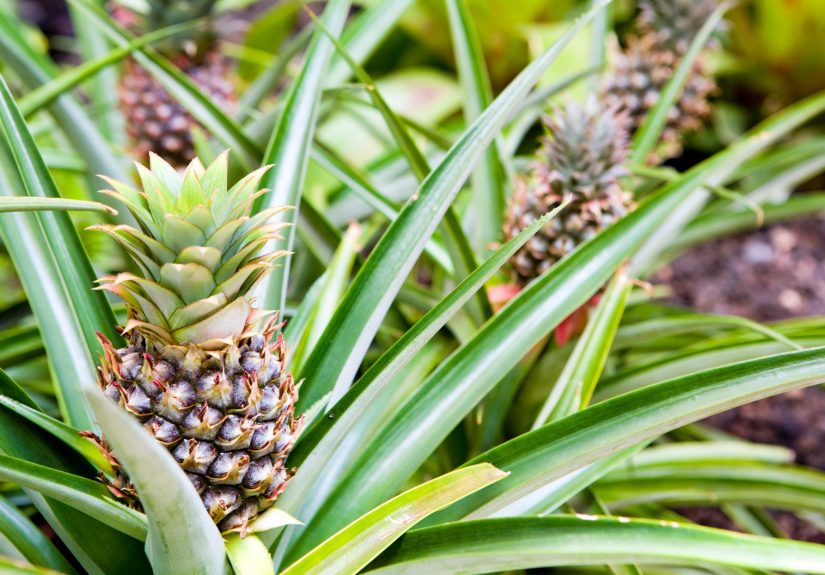
Eventually, the center of the plant produces a flower spike that turns into a tiny pineapple, which slowly swells and changes color. This is the plant’s grand finale, so enjoy watching it progress.
How to Tell When a Pineapple Is Ripe
- Color: The fruit turns from mostly green to more golden yellow starting at the base.
- Aroma: A sweet, tropical smell at the base indicates ripeness.
- Feel: It should be firm with a slight give when gently squeezed, not rock hard or mushy.
To harvest, use a sharp knife or pruning shears to cut the fruit off the stalk close to the base. Resist the temptation to yank it; you don’t want to damage the plant.
After fruiting, the main plant will eventually slow down, but it often produces side shoots called “pups” around the base. These pups can be separated and grown into new pineapple plants, continuing the cycle without another trip to the grocery store.
Common Pineapple Plant Problems (and Fixes)
1. Yellow or Brown, Mushy Leaves
Likely cause: Overwatering or poor drainage.
Fix: Let the soil dry out more between waterings. Check that the pot has drainage holes and the mix is not heavy or compacted. In severe cases, unpot the plant, trim rotten roots, and repot into fresh, well-draining soil.
2. Leaves Turning Pale or Stretching
Likely cause: Not enough light.
Fix: Move the plant to a brighter location or add a grow light. Indoors, a pineapple in a dim corner will survive but may never fruit.
3. Growth Is Extremely Slow
Likely causes: Cool temperatures, low light, or minimal nutrients.
Fix: Warm things up, increase light, and feed regularly during the growing season. Remember that pineapples are naturally slow, so manage expectationsyou’re growing a fruit, not a radish.
4. Pests
Pineapples are generally tough, but indoors they can occasionally attract mealybugs, scale, or spider mites.
- Inspect leaves regularly, especially along the midrib and in tight leaf rosettes.
- Wipe pests off with a damp cloth or cotton swab dipped in mild soapy water.
- For persistent issues, use insecticidal soap or horticultural oil according to label directions.
FAQ: Quick Answers About Growing Pineapples
Can I Grow a Pineapple Plant Indoors All Year?
Yes. As long as your plant receives enough bright light and stays warm, it can live indoors permanently. Fruiting indoors is possible but may take longer and almost always requires very bright conditions or grow lights.
Do Pineapple Plants Die After Fruiting?
The main rosette slowly declines after producing a fruit, but it usually creates pups at the base. You can pot these up individually to continue your pineapple empire.
Do Pineapples Ripen After Harvest?
Not really. They may soften slightly, but they don’t become significantly sweeter after being picked. That’s why it’s worth waiting until your homegrown pineapple looks and smells fully ripe on the plant before harvesting.
Real-World Experiences: What It’s Actually Like to Grow a Pineapple
The step-by-step instructions are helpful, but real-life pineapple growing comes with its own surprises, small victories, and “is this thing doing anything?” moments. Here are some experience-based tips and observations to help you stay patient and successful.
It Will Look Boring Before It Looks Impressive
For the first several months, your pineapple plant might not seem to be doing much. New leaves appear slowly and close to the center. Many new growers worry they’re doing something wrong because the plant doesn’t explode with growth the way herbs or tomatoes do. That slow pace is normal. Pineapples are marathon runners, not sprinters.
A good rule of thumb is to check progress once a month instead of every day. Take a photo from the same angle monthly. Over time, you’ll see the rosette widening, leaves lengthening, and the plant gradually gaining presence. The side-by-side comparison is surprisingly satisfying.
The Root Check Trick
One common anxiety: “Did my crown actually root?” After a couple of months, you can gently test. Grip the plant at the base and very lightly tug upward. If it slides easily, roots may not have formed yet or may have rotted. If you feel resistance, roots are anchoring the plant. This simple tug test is often more reassuring than any amount of staring at the soil surface.
Pineapples Love Stable Conditions
Another real-world lesson is that pineapples dislike being moved constantly. Shuffling the plant from shade to full sun, indoors to outdoors, or from one window to another every few days forces it to keep adjusting. Try to find a good spot and stick with it. A bit of acclimation when moving from indoors to outdoors in spring is helpful, but once the plant is settled, consistency is your friend.
The “Vacation Plant” Effect
Many gardeners report coming back from a short trip to find their pineapple looks better than when they left. This usually means two things: the plant appreciated the break from enthusiastic overwatering, and it enjoyed several days of steady light and temperature. Use that as a hint. If your plant is thriving when you leave it alone, your routine might be a bit too intense. A relaxed, “check it once or twice a week” style often works best.
Expect a Sudden Growth Spurt Before Flowering
In the year or so before blooming, many pineapple plants suddenly hit a growth spurt. Leaves get noticeably longer and broader, and the rosette thickens. When you see this, you’re entering the exciting “maybe it will flower soon” stage. The central leaves will eventually produce a thick stalk, followed by a cluster of tiny purple or reddish flowers that merge into the pineapple fruit.
Fruit Size vs. Care
Homegrown pineapples are often smaller than store-bought onesbut they’re usually incredibly sweet and fragrant. Size is influenced by variety, sunlight, and nutrition. A plant that receives lots of bright light and consistent, moderate fertilizing tends to produce a plumper fruit. If yours is petite, don’t be disappointed; the flavor payoff is usually worth the wait.
Keep the PupsThey’re Your Shortcut
Once you’ve grown your first pineapple and harvested the fruit, don’t toss the plant. Look near the base and sometimes along the stalk for pupssmall rosettes of leaves that look like miniature versions of the main plant. When pups are a decent size (about 6–8 inches tall), you can cut them off with a clean knife and pot them individually.
These pups often reach maturity faster than a brand-new crown because they start with a more developed root system and energy reserves. Over time, you can build a little family of pineapple plants that are all descended from your very first grocery-store fruit.
The Emotional Payoff
Growing a pineapple plant into delicious fruit isn’t just about gardening; it’s about playing the long game. You’ll have moments when you wonder if you’re just babysitting a decorative bundle of spiky leaves. But when that flower stalk appears, it feels like a tiny miracle. Watching the fruit swell and ripen makes every month of waiting worth it.
And when you finally slice into your homegrown pineapplea fruit you know by name because you’ve been staring at it for monthsthe flavor is more than sweet. It’s the taste of patience, sunshine, and a little bit of everyday magic in a pot.