Table of Contents >> Show >> Hide
- What Is a Root Beer Plant, Exactly?
- Why Gardeners Love Growing Root Beer Plant
- The Best Growing Conditions for Root Beer Plant
- How to Plant Root Beer Plant the Right Way
- How to Grow Root Beer Plant in Containers Like a Pro
- How to Feed and Maintain a Healthy Plant
- How to Propagate Root Beer Plant
- Common Problems and How to Fix Them
- Can You Grow It Outdoors Year-Round?
- Pro Tips for Bigger Leaves and Better Growth
- Real-World Growing Experiences and Lessons Learned
- Final Thoughts
Note: Body-only HTML, ready for web publishing; source-code artifacts removed as requested.
If you have never met a root beer plant in person, let me set the scene. You brush past a giant, velvety leaf, give it a polite little rub, and suddenly the garden smells like an old-fashioned soda fountain had a baby with a tropical jungle. That, dear gardener, is the magic of the root beer plant.
In most American gardening circles, the “root beer plant” usually refers to Piper auritum, also known as hoja santa or Mexican pepperleaf. It is grown for its dramatic foliage, bold fragrance, and lush tropical presence more than for tiny flowers or neat-and-tidy manners. In other words, this is not the plant for people who want their garden to behave like a perfectly folded fitted sheet. It spreads, it stretches, and it absolutely knows how to make an entrance.
If you want to grow a root beer plant like a pro, the secret is not complicated. Give it warmth, moisture, rich soil, filtered light, and just enough space to show off without staging a leafy takeover. Once you understand its rhythm, it becomes one of the most rewarding conversation plants you can grow.
What Is a Root Beer Plant, Exactly?
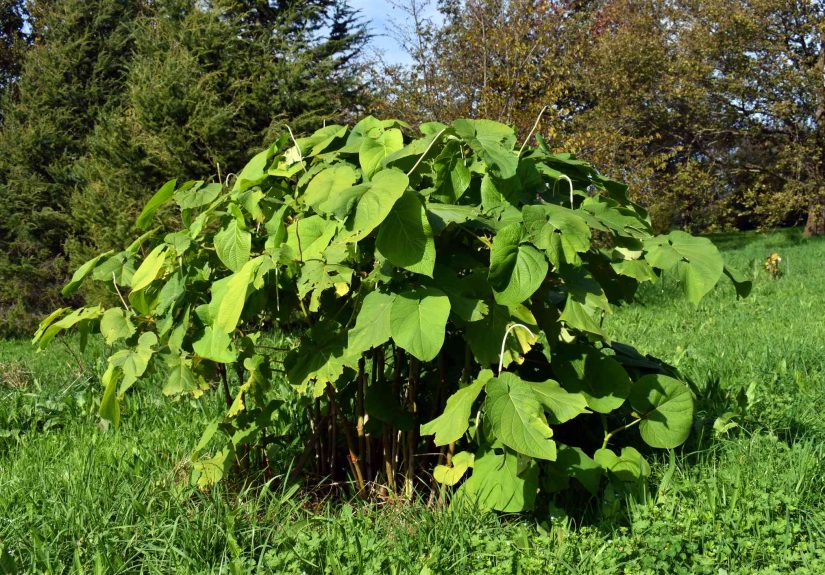
The root beer plant is a tropical perennial in the pepper family. It is known for huge, heart-shaped leaves that can give off a scent people describe as root beer, sassafras, anise, clove, licorice, or some magical combination of all four. Basically, it smells like your spice cabinet and a vintage candy shop decided to collaborate.
Its leaves are the main attraction. They are broad, soft, and lush, which makes the plant look almost architectural in the garden. In warm climates, it can grow into a large shrub-like clump. In cooler regions, many gardeners treat it as a container plant or bring it indoors when temperatures drop.
One important reality check: in the United States, this plant is best grown as an ornamental and fragrance plant, not as a DIY beverage ingredient. The scent is part of the charm, but smart gardeners appreciate the aroma without turning every interesting leaf into a kitchen experiment.
Why Gardeners Love Growing Root Beer Plant
It delivers instant tropical drama
If your yard looks a little too polite, this plant fixes that in a hurry. Its oversized leaves create a bold, layered look that makes ordinary garden beds feel lush and designed.
It thrives where fussier plants complain
Many flashy plants demand full sun and perfect conditions. Root beer plant is more forgiving as long as it gets moisture and protection from harsh afternoon heat. It performs beautifully in bright shade, filtered light, or morning sun.
It gives you a multi-sensory garden
This is not just a “look at me” plant. It is a “come closer and smell this” plant. It adds texture, fragrance, movement, and personality, which is why gardeners tend to talk about it with the enthusiasm usually reserved for great pie and surprisingly good weather.
The Best Growing Conditions for Root Beer Plant
Light: Think bright but gentle
The sweet spot is dappled light, bright shade, or morning sun with protection from intense afternoon rays. Too much direct hot sun can cause wilting, scorched edges, or stressed leaves. If your summer sun is fierce, afternoon shade is your best friend.
Soil: Rich, loose, and moisture-retentive
Root beer plant likes soil that drains well but never feels bone dry for long. The ideal mix is rich in organic matter, slightly loose, and able to stay evenly moist without becoming swampy. Think “forest edge” rather than “parking lot planter.”
Before planting, work compost into the soil. If you are growing it in a pot, use a quality potting mix and improve it with organic matter so it holds moisture without turning dense and soggy.
Water: Keep it evenly moist
If there is one rule you should tape to your watering can, it is this: do not let the root beer plant dry out completely. This is a moisture-loving plant. It looks best when the soil stays evenly damp. Not waterlogged. Not crunchy. Not “I forgot for four days and hoped for the best.” Evenly moist.
Mulch helps a lot. A two- to three-inch layer around the base keeps roots cooler, slows evaporation, and cuts down on watering drama during hot spells.
Temperature and humidity: Warmth wins
This plant likes warm, humid conditions. It grows most actively when the weather is comfortably warm and nights are not cold. In frost-prone areas, the top growth may die back, but established roots can sometimes return if protected. In colder zones, container growing is the more reliable strategy.
How to Plant Root Beer Plant the Right Way
The best time to plant is in spring, after the danger of frost has passed and the soil has started to warm. That gives the plant time to settle in before cool weather returns.
Step 1: Pick the right location
Choose a sheltered spot with filtered light or morning sun. Avoid exposed windy sites, because large leaves can tear and thin stems can look rough after repeated weather tantrums.
Step 2: Prepare the soil
Loosen the planting area and mix in compost. If your soil dries out too quickly, add even more organic matter. If your soil stays soggy after rain, improve drainage before planting.
Step 3: Plant at the proper depth
Set the plant at the same depth it was growing in its nursery pot. Backfill gently, water thoroughly, and mulch around the base.
Step 4: Water consistently during establishment
The first several weeks matter. Keep the soil evenly moist while the plant settles in and starts pushing new growth.
How to Grow Root Beer Plant in Containers Like a Pro
Container growing is a brilliant move if you live outside the warmest zones or if you simply do not trust a rhizomatous plant with unrestricted real estate. Frankly, that is a wise and experienced attitude.
Choose a roomy container with drainage holes. Bigger is better, because the plant grows fast and dries out more quickly in a cramped pot. Use a moisture-retentive but well-draining potting mix, and never let the container sit dry for long. During active growth, you may need to water more often than you expect, especially in summer.
Place the pot where it gets bright light without punishing afternoon sun. In cool-weather regions, move it indoors before the first hard cold snap. Indoors, give it the brightest possible spot, decent humidity, and regular moisture. It may slow down in winter, but it can still hold its own as a dramatic houseplant.
How to Feed and Maintain a Healthy Plant
Fertilizer
Root beer plant is not outrageously needy, but it does appreciate fertile soil. A compost-rich bed may be enough. In containers or lean soil, a balanced fertilizer during the growing season helps support larger leaves and stronger growth. Go easy on heavy feeding, though. You want lush growth, not a plant that acts like it is training for the leafy Olympics.
Pruning
Pruning is mostly about shape and control. Remove damaged or ragged leaves as needed. If the plant gets too tall or floppy, cut stems back to encourage fresh shoots. In cooler areas, you can also clean up winter-damaged growth in spring once new shoots appear.
Spread control
This is where “like a pro” really matters. Root beer plant spreads through rhizomes, and warm climates can encourage it to travel. If you want to keep it civilized, grow it in a contained bed, large pot, or raised planter. Root pruning can also help keep wandering shoots from colonizing nearby territory.
How to Propagate Root Beer Plant
Propagation is wonderfully simple. The easiest method is dividing rhizomes or rooted offsets. If the plant has sent up new shoots away from the main clump, you can dig a section with roots attached and replant it elsewhere.
That simplicity is both a blessing and a warning. Yes, it means you can multiply your plant without drama. It also means the plant is perfectly capable of multiplying itself when you are not paying attention. Gardeners call this “vigor.” The rest of us call it “surprise landscaping.”
Common Problems and How to Fix Them
Wilting in summer
This usually points to heat stress, dry soil, or too much direct sun. Check soil moisture first. If the plant is getting blasted by late-day sun, move it or create more shade.
Brown leaf edges
Dry air, inconsistent watering, or harsh sunlight can cause crisp edges. Raise humidity, water more steadily, and protect the plant from intense heat.
Weak or stunted growth
Cold temperatures, poor soil, or a root-bound container can slow things down. Refresh the potting mix, step up the feeding slightly, or move the plant to a warmer location.
Unwanted spreading
Containers, raised beds, root pruning, and regular monitoring are your best tools. Do not wait until it is auditioning for the role of neighborhood takeover artist.
Can You Grow It Outdoors Year-Round?
That depends on your climate. In warm regions, root beer plant can live outdoors year-round and develop into a striking landscape specimen. In cooler parts of the United States, it is often better as a patio plant that summers outside and winters indoors.
If you live in a region where this plant is considered invasive or potentially invasive, do not plant it casually in the ground. Check local guidance first. A container can give you the beauty without the botanical rebellion.
Pro Tips for Bigger Leaves and Better Growth
Want that lush, magazine-worthy look? Focus on three things: moisture, organic matter, and gentle light. The biggest mistakes gardeners make are giving the plant too much harsh sun and not enough water. When those two issues are fixed, the plant usually responds fast.
Also, do not underestimate placement. Root beer plant looks fantastic near paths, patios, shaded borders, or water features where people can admire the leaves up close. It is the kind of plant that deserves an audience.
Real-World Growing Experiences and Lessons Learned
The first time many gardeners grow a root beer plant, they expect it to behave like an ordinary herb. Then it starts putting out giant leaves, stretching sideways, and perfuming the air like a soda shop that moved to the tropics. That is usually the moment expectations get updated. Fast.
One of the most common experiences is discovering how dramatically the plant responds to water. When the soil stays evenly moist, the leaves look lush, broad, and soft, almost theatrical. Miss a few hot days, though, and the plant can look like it has written a formal complaint to management. The good news is that it often rebounds quickly once watered well. In that sense, it is dramatic, but not especially fragile.
Another lesson gardeners learn is that sunlight can be a trickster. A spot that seems “bright but gentle” in April can become “leaf-roasting interrogation lamp” in July. Root beer plant may tolerate more sun in mild weather, but during peak summer heat it usually looks happiest with afternoon protection. Many growers figure this out after seeing a few droopy leaves and thinking, “Wow, that escalated quickly.” Once moved to filtered light, the plant often settles down and resumes its lush look.
Container growers have their own stories. A root beer plant in a pot can be easier to manage, but it is also a little thirstier and more opinionated. It dries out faster, asks for a larger container sooner than expected, and may sulk if ignored near a hot wall or windy corner. Still, plenty of gardeners end up loving container culture because it solves two big issues at once: winter protection and spread control. You get the fragrance and the foliage without giving the rhizomes a blank check.
There is also the “show-and-tell” factor. This plant gets noticed. Guests rub the leaves. Kids think the smell is hilarious. Gardeners compare notes on whether it smells more like root beer, anise, cloves, or a spice rack with excellent public relations. It becomes a plant people remember, which is not something you can say about every shrub in the yard.
Perhaps the biggest practical lesson is that root beer plant rewards attention but does not demand constant pampering. Once established in the right spot, it is not an impossible diva. It just wants the basics done well: rich soil, regular moisture, warm weather, and sensible light. Give it that, and it usually grows with confidence. Ignore those basics, and it will absolutely let you know.
Experienced growers often say the same thing in different words: the secret is not doing something fancy. It is learning the plant’s personality. Root beer plant wants to feel like it is living at the edge of a warm, moist tropical woodland, not baking in reflective heat or gasping through drought. Once you understand that, the plant stops feeling mysterious and starts feeling easy. And that is the moment you begin growing it like a pro.
Final Thoughts
If you want a plant that smells unforgettable, looks lush, and instantly gives your garden a tropical upgrade, the root beer plant is hard to beat. It is bold, fragrant, fast-growing, and just unusual enough to make people stop and ask questions. Grow it in rich soil, keep it moist, protect it from harsh afternoon sun, and manage its spread with a little common sense. That is the professional formula.
In return, you get enormous heart-shaped leaves, a one-of-a-kind fragrance, and a garden plant with real personality. And honestly, in a world full of forgettable landscaping, a plant that smells like old-school root beer is doing important work.