Table of Contents >> Show >> Hide
- How to Have a Fun Sleepover: 15 Steps That Actually Work
- 1. Choose the Right Guest List
- 2. Set a Clear Theme or Vibe
- 3. Send Invitations With the Important Details
- 4. Talk About House Rules Before the Fun Begins
- 5. Create a Comfortable Sleeping Space
- 6. Plan Food That Is Fun but Not Too Complicated
- 7. Keep Food Safety in Mind
- 8. Start With an Icebreaker Activity
- 9. Prepare a Mix of Active and Calm Games
- 10. Pick Movies or Shows Before Everyone Gets Tired
- 11. Set Screen and Phone Boundaries
- 12. Make Everyone Feel Included
- 13. Build in a Wind-Down Time
- 14. Have a Plan for Homesickness or Discomfort
- 15. End With an Easy Morning Routine
- Fun Sleepover Ideas for Different Ages
- What to Pack for a Sleepover
- Common Sleepover Mistakes to Avoid
- Experience Notes: What Really Makes a Sleepover Memorable
- Conclusion
- SEO Tags
A great sleepover is not just “throw pillows on the floor and hope everyone survives until pancakes.” The best sleepovers feel exciting, relaxed, safe, and just a little magical. There are snacks, games, late-night whispers, maybe a movie marathon, and hopefully no one discovers that glitter slime can permanently bond with carpet.
Whether you are hosting your first slumber party, planning a birthday sleepover, or trying to make a simple weekend hangout feel special, the secret is balance. You want enough structure to avoid chaos, but not so much structure that the night feels like a corporate retreat in pajamas. This guide breaks down how to have a fun sleepover in 15 steps, with practical planning tips, safety reminders, activity ideas, food suggestions, and real-life experience notes to help the night run smoothly.
The goal is simple: create a sleepover where everyone feels included, comfortable, entertained, and ready to say, “That was awesome,” instead of, “Why did we eat nachos at midnight and then try yoga?”
How to Have a Fun Sleepover: 15 Steps That Actually Work
1. Choose the Right Guest List
A fun sleepover starts with the right mix of people. Smaller groups are usually easier to manage, especially for younger kids or first-time hosts. Three to six guests can feel lively without turning the living room into an airport terminal. Think about personalities, too. Invite guests who are likely to get along, include others, and respect house rules.
If the sleepover is for tweens or teens, ask about comfort levels. Some guests may love big groups, while others prefer a quieter night with one or two close friends. A good guest list is not about popularity; it is about chemistry, kindness, and whether everyone can share popcorn without starting a civil war.
2. Set a Clear Theme or Vibe
A theme makes a sleepover feel special without requiring a Hollywood budget. Try a spa night, pajama movie marathon, mystery game night, glow party, baking challenge, friendship bracelet night, backyard camping, or cozy “breakfast at midnight” theme. The theme helps guide decorations, snacks, music, games, and even what guests should bring.
For example, a “cozy cabin” sleepover could include hot cocoa, fuzzy socks, board games, fairy lights, and a nature movie. A “DIY spa” night could include face masks, nail polish, cucumber water, and calming playlists. The theme does not need to be perfect. In fact, slightly imperfect themes often become the funniest memories.
3. Send Invitations With the Important Details
Even casual sleepovers need clear communication. Include the date, drop-off time, pick-up time, address, what guests should bring, and whether dinner or breakfast is included. If parents are involved, make sure they know who is supervising, what activities are planned, and how to reach the host.
A simple text invitation works fine: “Sleepover at my house Friday from 6 p.m. to 10 a.m. Bring pajamas, sleeping bag, toothbrush, and any favorite snacks. We are doing pizza, games, and a movie.” Clear details prevent confusion and reduce the classic sleepover question: “Wait, was I supposed to bring a blanket?”
4. Talk About House Rules Before the Fun Begins
Rules do not ruin a sleepover. Vague rules ruin a sleepover. Before everyone gets too excited, explain the basics: which rooms are off-limits, where guests will sleep, when quiet time starts, how devices will be handled, and what to do if someone feels uncomfortable or wants to call home.
Keep the tone friendly. Instead of announcing rules like a prison warden with a snack tray, say, “Here is how we will keep tonight fun for everybody.” Rules should feel like guardrails, not punishment. The best sleepover rules protect comfort, privacy, safety, and sleep.
5. Create a Comfortable Sleeping Space
The sleeping area should be cozy, clean, and easy to navigate in the dark. Use sleeping bags, air mattresses, blankets, pillows, and soft lighting. Keep a clear path to the bathroom so no one has to perform Olympic-level obstacle jumping over backpacks at 2 a.m.
If guests are younger, consider assigning spots to avoid arguments. For teens, let them arrange the room as long as everyone has enough space. Add a basket with extra blankets, tissues, hair ties, and a night-light. Small comforts can turn a regular room into a sleepover headquarters.
6. Plan Food That Is Fun but Not Too Complicated
Sleepover food should be easy, shareable, and not likely to require an emergency carpet cleaner. Pizza, tacos, pasta bars, sliders, fruit skewers, popcorn, pretzel mixes, mini pancakes, and build-your-own sundaes are popular choices. For healthier balance, add easy options like grapes, apple slices, yogurt cups, veggie sticks, cheese cubes, or smoothies.
Always ask about allergies, dietary needs, and food restrictions before the sleepover. If a guest has a serious food allergy, talk with their parent or guardian in advance and make a plan. Keep ingredients visible, avoid guessing, and consider having safe snacks set aside. Fun food is only fun when everyone can enjoy it safely.
7. Keep Food Safety in Mind
Snack tables can get chaotic fast. Perishable foods should not sit out for hours while everyone debates which movie to watch. Keep cold foods cold, hot foods hot, and refrigerate leftovers promptly. Wash hands before eating, especially after crafts, outdoor games, pets, or touching every pillow in the house like a detective searching for clues.
A practical trick: serve food in waves. Put out dinner first, clean up, then bring out snacks later. This keeps the room neater and helps avoid the mysterious “warm ranch dip at midnight” situation that nobody needs in their life.
8. Start With an Icebreaker Activity
Even friends can feel awkward at the beginning of a sleepover. Start with a low-pressure activity that helps everyone relax. Try “two truths and a lie,” a funny question bowl, a quick scavenger hunt, or a decorate-your-own pillowcase station.
Icebreakers work best when they are silly rather than embarrassing. Good prompts include “What snack would you eat forever?” or “What song would play when you enter a room?” Avoid questions that put people on the spot or reveal private information. The point is laughter, not emotional interrogation under fairy lights.
9. Prepare a Mix of Active and Calm Games
A fun sleepover needs variety. Too many high-energy games can make bedtime impossible, but too many quiet activities can make the night feel sleepy before it is supposed to. Start with active games earlier in the evening, then shift to calmer activities later.
Great active options include charades, dance challenges, indoor scavenger hunts, balloon volleyball, or minute-to-win-it games. Calm options include board games, card games, friendship bracelets, coloring, journaling, karaoke, trivia, or storytelling games. Keep a backup list ready in case the first plan flops. A good host is basically a cruise director in pajamas.
10. Pick Movies or Shows Before Everyone Gets Tired
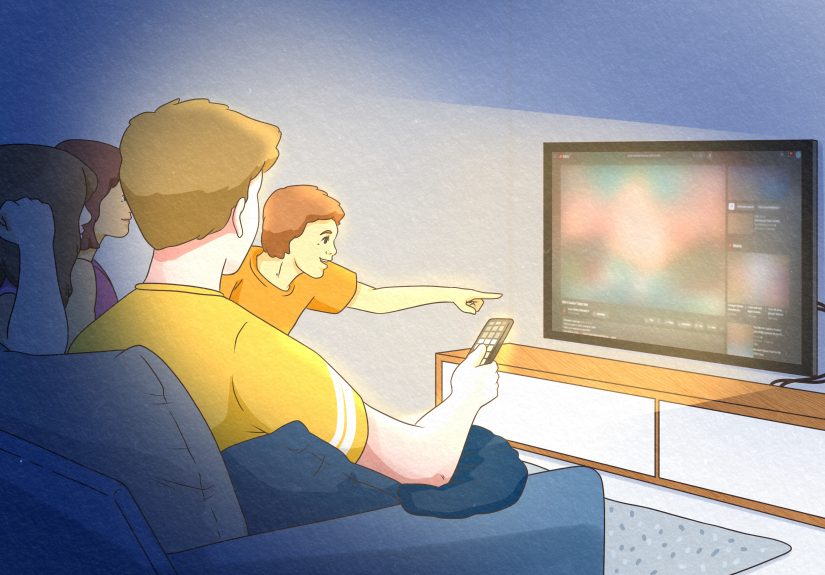
Choosing a movie at a sleepover can take longer than the movie itself. Save time by choosing two or three approved options in advance. Make sure the content fits the age group and comfort level of all guests. If parents have media rules, respect them.
For younger kids, go with light adventure, comedy, animation, or friendship stories. For teens, choose something fun but not so intense that no one wants to walk to the bathroom alone. Movie night works best with popcorn, blankets, dim lights, and a clear agreement that nobody spoils the ending just because they watched it once in 2021.
11. Set Screen and Phone Boundaries
Phones can be useful, but they can also pull attention away from the group. Decide ahead of time whether guests can use phones freely, only during certain times, or not in the sleeping area. Many families prefer a charging station outside the sleep space during quiet hours.
Also talk about photos and videos. A simple rule is powerful: no posting anyone online without permission. Sleepovers should be safe places, not surprise content factories. Encourage guests to enjoy the moment instead of documenting every chip bowl from seventeen angles.
12. Make Everyone Feel Included
The fastest way to ruin a sleepover is letting one person feel ignored, teased, or left out. Plan activities that work for the whole group, not just the loudest guest. Watch for inside jokes that exclude someone, whispering that makes others uncomfortable, or games where the same person keeps losing in a not-fun way.
If you are hosting, inclusion is part of the job. Rotate partners, invite quiet guests into conversations, and offer choices. For example, “Do we want karaoke or bracelet-making next?” gives everyone a voice. A sleepover is more fun when the group energy feels warm instead of competitive.
13. Build in a Wind-Down Time
Yes, it is a sleepover. No, that does not mean everyone must stay awake until sunrise like tiny raccoons with snack access. Build in a wind-down period before lights-out. Turn down bright lights, lower the music, pause high-energy games, and switch to calmer activities like reading, quiet chatting, journaling, or a low-key movie.
Kids and teens need enough sleep to feel and function well, so even a fun night should include a realistic bedtime plan. It does not have to be strict down to the minute, but having a “quiet time” helps avoid next-day crankiness. Nobody wants the morning-after mood to feel like a room full of grumpy houseplants.
14. Have a Plan for Homesickness or Discomfort
Even excited guests can suddenly miss home. This is normal, especially for younger kids or first-time sleepover guests. Make it easy for anyone to call or text a parent without embarrassment. A guest should never feel trapped at a sleepover just because everyone else is having fun.
Hosts can help by being calm and kind. Offer water, a quiet space, a comforting activity, or a chance to talk. If a guest wants to go home, respect it. A successful sleepover is not measured by whether everyone stays until breakfast; it is measured by whether everyone feels safe and cared for.
15. End With an Easy Morning Routine
The morning matters more than people think. After a night of games and giggles, guests may wake up hungry, sleepy, and slightly confused about where their left sock went. Plan a simple breakfast such as pancakes, bagels, cereal, fruit, muffins, scrambled eggs, or yogurt parfaits.
Set aside time for packing, cleanup, and a relaxed goodbye. If parents are picking up at a specific time, have bags ready so the morning does not become a scavenger hunt for chargers, stuffed animals, retainers, and one suspiciously missing hoodie. Ending smoothly helps everyone leave happy.
Fun Sleepover Ideas for Different Ages
For Kids
Younger kids usually enjoy structured activities. Try treasure hunts, pajama parades, cookie decorating, story time, stuffed animal fashion shows, simple crafts, and short movies. Keep bedtime predictable and make sure each child knows where the bathroom is.
For Tweens
Tweens often like a little independence but still need guidance. Good ideas include DIY spa stations, karaoke, board games, room decorating, cupcake challenges, talent shows, and glow-stick dance parties. Let them vote on activities while keeping rules clear.
For Teens
Teens may prefer less structure and more atmosphere. Try themed movie marathons, murder mystery games, playlist battles, cooking challenges, photo booth corners, video game tournaments, or backyard firepit chats with adult supervision. Give them space, but keep safety expectations firm.
What to Pack for a Sleepover
A good sleepover packing list prevents last-minute panic. Guests should bring pajamas, a toothbrush, toothpaste, a hairbrush, any needed medication, a sleeping bag or blanket, a pillow, clean clothes, phone charger, and personal comfort items. Younger kids may want a favorite stuffed animal or small night-light. Teens may want skincare items, headphones, or a book.
Hosts should also keep extra basics available. Someone will forget toothpaste. Someone will forget socks. Someone may bring a charger that fits absolutely nothing in the house. A small “sleepover rescue basket” with extra toothbrushes, wipes, tissues, chargers, and hair ties can save the night.
Common Sleepover Mistakes to Avoid
Overplanning Every Minute
Too much structure can make a sleepover feel stiff. Leave room for spontaneous fun, random conversations, and the kind of harmless silliness that becomes a memory.
Ignoring Quiet Guests
Some guests will not announce that they feel left out. Check in gently and offer activities that do not require being loud or competitive.
Letting Snacks Take Over the Night
Treats are part of the fun, but too much sugar too late can make bedtime harder. Mix sweet snacks with water, fruit, and protein-rich options.
Skipping Parent Communication
For kids and younger teens, parent communication is essential. Share plans, contact numbers, pickup times, food details, and any important safety information.
Experience Notes: What Really Makes a Sleepover Memorable
The sleepovers people remember years later are rarely the ones with the most expensive decorations. They are the ones where everyone felt comfortable enough to laugh loudly, be a little silly, and relax. A fancy balloon arch is nice, but it will not save a night where guests feel awkward or excluded. On the other hand, a living room full of mismatched blankets can feel unforgettable if the mood is warm and welcoming.
One of the best real-life sleepover lessons is that small traditions matter. Maybe everyone makes a custom snack mix in a paper cup. Maybe the group votes on a “quote of the night.” Maybe each guest writes a funny award for someone else, like “Most Likely to Start Laughing During a Serious Movie Scene” or “Best Blanket Burrito.” These tiny rituals create shared memories and give the night its own personality.
Another experience-based tip: always have a backup activity that does not depend on technology. Wi-Fi can fail. Streaming apps can glitch. A controller can mysteriously stop working right when the tournament gets dramatic. When that happens, a card game, craft box, question jar, or charades list can rescue the vibe. Low-tech activities often lead to the most laughter because nobody is hiding behind a screen.
Food also becomes part of the story, but it does not need to be complicated. A pancake bar in the morning, popcorn with mix-ins, or build-your-own mini pizzas can feel more fun than a perfectly catered spread. Guests usually enjoy food they can customize. It gives them something to do, something to talk about, and something to proudly announce as “my creation,” even when that creation is a waffle topped with chocolate chips, strawberries, and questionable confidence.
Comfort is another detail hosts sometimes underestimate. Not everyone falls asleep easily in a new place. Some guests may need a night-light, extra blanket, fan, or quiet corner. Some may want to text home before bed. These needs should not be treated like a big deal. The more normal you make comfort, the easier it is for everyone to enjoy the night.
The best hosts also know when to gently shift the energy. Early in the evening, excitement is great. Later, the group may need help moving from wild games to calmer fun. This does not mean yelling, “Everyone sleep now!” from the doorway like a pajama referee. It means dimming lights, starting a calmer movie, offering water, or suggesting quiet conversations. A smooth wind-down keeps the night fun without turning the next morning into a festival of crankiness.
Finally, remember that a sleepover does not have to be perfect to be successful. Someone may spill juice. Someone may snore. Someone may laugh so hard that everyone has to restart the movie. These little imperfections are often what make the night feel real. The true recipe for a fun sleepover is simple: kind guests, clear expectations, cozy space, good snacks, flexible activities, and a host who cares more about people than perfection.
Conclusion
Learning how to have a fun sleepover is really about learning how to mix excitement with comfort. Start with a thoughtful guest list, communicate plans clearly, prepare a cozy sleeping area, offer easy food, choose age-appropriate activities, and set boundaries around screens, privacy, and safety. Then leave enough room for laughter, inside jokes, and the delightful weirdness that only happens when friends gather in pajamas after dark.
A great sleepover does not need to be expensive or flawless. It needs to feel welcoming. When guests are included, parents feel informed, and the plan has just enough structure, the night becomes more than a party. It becomes a memoryone with popcorn crumbs, sleepy smiles, and at least one person asking, “Can we do this again next weekend?”