Table of Contents >> Show >> Hide
- What Is Prickly Pear Cactus?
- Before You Kill It: Decide Whether Removal Is Necessary
- Safety First: Gear Up Before Touching Prickly Pear
- Best Method for Small Patches: Dig Out the Plant
- How to Dispose of Prickly Pear Cactus
- Using Herbicide to Kill Prickly Pear Cactus
- What Not to Use on Prickly Pear Cactus
- Mechanical Control for Large Areas
- Can Fire Kill Prickly Pear Cactus?
- How to Prevent Prickly Pear from Coming Back
- How Long Does It Take to Kill Prickly Pear Cactus?
- Best Strategy: Integrated Prickly Pear Control
- Common Mistakes When Removing Prickly Pear
- Experience Notes: What Real Prickly Pear Removal Teaches You
- Conclusion
Prickly pear cactus looks charming when it is blooming, dramatic when it is fruiting, and downright heroic when it survives a summer that turns the rest of the yard into toast. But when it spreads into a pasture, garden bed, fence line, walking path, or dog-friendly backyard, the charm can fade faster than sunscreen in July. Learning how to kill prickly pear cactus is not just about attacking a spiky plant. It is about removing a tough, drought-loving survivor without creating fifty new cactus problems in the process.
The big trick? Prickly pear cactus, also called Opuntia, can regrow from pads that touch the soil. That means the “chop it up and walk away” method is less of a solution and more of a cactus relocation program. A single pad left on the ground can root, grow, and quietly begin plotting its comeback. If weeds had villain origin stories, prickly pear would have a very prickly one.
This guide explains the safest, most practical ways to remove prickly pear cactus, including manual digging, pad disposal, herbicide options, follow-up control, and what not to do. Whether you are dealing with a few plants near the driveway or a stubborn patch in a pasture, the goal is the same: kill the cactus, protect desirable plants, avoid injuries, and prevent regrowth.
What Is Prickly Pear Cactus?
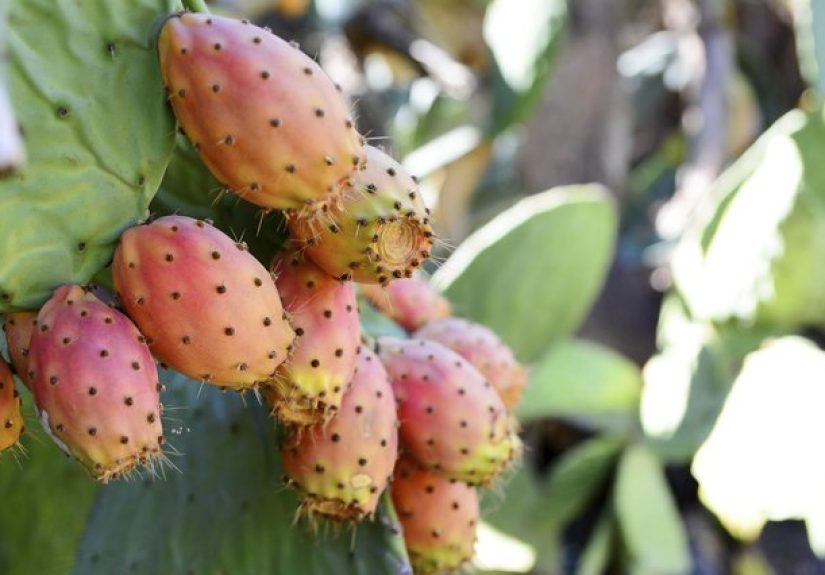
Prickly pear cactus is a group of cactus species in the genus Opuntia. It is known for flattened, jointed pads, showy yellow, orange, red, or pink flowers, and fleshy fruit often called tunas. In many parts of the United States, especially the Southwest, Great Plains, and warmer regions, prickly pear is native and can provide food and cover for wildlife. In some landscapes, it is a beautiful low-water plant. In others, it becomes an armored groundcover with an attitude problem.
Why Prickly Pear Is So Hard to Kill
Prickly pear cactus is built for survival. Its thick pads store water, its waxy surface helps reduce moisture loss, and its spines discourage animals and unlucky gardeners from disturbing it. Many species also have tiny barbed hairs called glochids. These are the sneaky little fibers that seem to jump into skin, gloves, socks, and possibly your soul.
Prickly pear spreads in two major ways: by seed and by vegetative reproduction. Wildlife and livestock can move seeds after eating fruit. Pads can break off, fall to the ground, and root. Machinery, shoes, tires, and rakes can also move pieces into new areas. This is why effective prickly pear cactus removal requires careful handling, not random hacking.
Before You Kill It: Decide Whether Removal Is Necessary
Not every prickly pear cactus needs to be eliminated. In some dry landscapes, it is valuable because it requires little water, supports pollinators, feeds wildlife, and produces edible pads and fruit when properly prepared. However, removal makes sense when it:
- Invades pastures and reduces usable forage
- Creates a hazard for children, pets, livestock, or foot traffic
- Spreads into vegetable gardens, lawns, orchards, or driveways
- Blocks fence maintenance or irrigation access
- Forms dense patches that outcompete desirable plants
If the cactus is growing in a natural area, check local rules first. Some native cactus species may be protected or important to local ecosystems. If you are unsure, contact a county extension office, local weed district, or native plant specialist before launching a full-scale cactus campaign.
Safety First: Gear Up Before Touching Prickly Pear
The safest way to remove prickly pear starts before the shovel touches the soil. Dress like the cactus owes you money.
- Wear thick leather gloves or cactus-handling gloves.
- Use safety glasses or goggles to protect your eyes from glochids and spines.
- Wear long sleeves, long pants, and sturdy boots.
- Use long-handled tools, such as a grubbing hoe, shovel, mattock, or loppers.
- Keep pets and children far away from the work area.
Do not handle pads with bare hands, even if they look “mostly spineless.” The tiny glochids can be harder to see than a teenager’s clean bedroom. Use tongs, a shovel, cardboard, or a tarp when moving detached pads.
Best Method for Small Patches: Dig Out the Plant
For homeowners and small properties, manual removal is often the best way to kill prickly pear cactus. It avoids unnecessary chemical use and gives you immediate control over where the plant pieces go.
Step 1: Work During Hot, Dry Weather
If possible, remove prickly pear during hot, dry conditions. Dry weather stresses the plant and helps detached pads dry out faster. Avoid working immediately before rain, because moisture helps loose pads root more easily.
Step 2: Cut the Main Root Below the Soil Surface
Use a shovel, grubbing hoe, or mattock to cut the main root several inches below the soil surface. For small plants, digging 2 to 4 inches below ground level is often enough to detach the crown. Larger plants may need deeper digging, especially if they have been growing undisturbed for years.
Do not simply slice the pads off at ground level and leave the base behind. The plant may regrow from remaining tissue, and loose pads can become new plants. The goal is to remove the crown and enough root structure to stop recovery.
Step 3: Lift the Plant Carefully
Once the root is severed, lift the cactus with a shovel, fork, or heavy cardboard. Avoid shaking it aggressively, because broken pads can scatter. For large clumps, cut the plant into manageable sections with long-handled loppers, but collect every piece.
Step 4: Remove Every Pad and Fragment
This is where many removal jobs fail. Any pad left in contact with soil can root. Walk the area slowly and collect detached pieces. Check under nearby grass, rocks, mulch, and fence lines. A single forgotten pad can turn your victory lap into a sequel.
How to Dispose of Prickly Pear Cactus
Disposal is just as important as removal. Do not toss live pads into a brush pile where they can touch soil and root. Do not run over them with a mower. Do not scatter them into a field. Prickly pear pieces are not confetti; they are potential baby cacti with bad manners.
Best Disposal Options
- Bag and discard: Place pads and roots in heavy-duty bags and dispose of them according to local waste rules.
- Dry on a tarp: Lay the cactus pieces on a tarp, concrete, metal sheet, or other dry surface until they shrivel completely.
- Haul to approved green waste: Use this only if your local facility accepts cactus and processes material hot enough to destroy it.
- Burn only where legal: Burning may be allowed in some rural areas, but only with proper permits and safe conditions.
A cool backyard compost pile is usually not reliable for live prickly pear pads. Unless the material is fully dried, shredded, and composted under hot conditions, pieces may survive. When in doubt, bag it. Your compost pile does not need a cactus subplot.
Using Herbicide to Kill Prickly Pear Cactus
For large patches, pasture infestations, and cactus growing where digging is not practical, herbicide may be an option. Herbicide control can work well, but it must be done carefully. Prickly pear does not always die quickly. Treated plants may persist for months, and in some cases it can take more than a year for full collapse.
Always read and follow the product label. The label is the law, and it tells you where the product can be used, how much to apply, whether it is safe around grazing animals, how to protect water, and what personal protective equipment is required. Some effective herbicides for prickly pear control are restricted-use products and may require a certified applicator.
Pad-and-Stem Spray Method
The pad-and-stem spray method targets individual plants. Instead of spraying the entire landscape, you coat the cactus pads and stems thoroughly with a labeled herbicide solution. This approach is commonly used for scattered plants, fence lines, and thinner stands where you can reach each cactus safely.
Good coverage matters. The spray needs to contact the pads and stems, not just lightly mist the top. A marker dye can help show which plants have already been treated. Avoid spraying when wind could carry droplets to desirable plants. Also avoid applying herbicide to cactus growing directly under valuable trees or shrubs unless the label and a local expert say it is safe. Some herbicides can move through soil and affect nearby roots.
Broadcast Applications for Pastures
In pasture or rangeland settings, broadcast applications may be used for larger infestations. This is not a casual backyard job. Broadcast control requires the right product, equipment calibration, timing, weather conditions, and awareness of surrounding vegetation. In many cases, it is best handled by land managers, licensed applicators, or ranchers working with local extension guidance.
Why Herbicide Results Look Slow
Do not expect prickly pear cactus to dramatically flop over the next morning like a defeated cartoon villain. After treatment, pads may swell, discolor, dry, wrinkle, or slowly collapse. Some plants remain visible for six to eight months or longer. Slow decline does not automatically mean failure. However, missed pads, poor coverage, drought after treatment, or unsuitable herbicide choice can reduce control.
What Not to Use on Prickly Pear Cactus
The internet is full of “quick fixes” for killing stubborn plants. Some are ineffective, some are unsafe, and some are excellent ways to ruin soil while leaving the cactus unimpressed.
Do Not Use Salt
Salt can damage soil, harm nearby plants, and create long-term problems. It may burn some cactus tissue, but it is not a smart or environmentally responsible control method.
Do Not Pour Gasoline or Diesel on the Plant
Using fuel as a homemade herbicide is dangerous, illegal in many situations, and harmful to soil and groundwater. It also creates fire risk. Keep fuels in fuel containers, not in your weed-control strategy.
Do Not Rely on Vinegar Alone
Household vinegar may burn tender plant tissue, but prickly pear pads are thick, waxy, and resilient. Vinegar is unlikely to kill the root system of established cactus. Strong horticultural vinegar can injure skin, eyes, and desirable plants, so it is not a magic safe alternative.
Do Not Mow or Chop Without Cleanup
Mowing, shredding, or chopping prickly pear can spread pads and create more plants if fragments are left on the ground. Mechanical work must be paired with cleanup, drying, disposal, or follow-up treatment.
Mechanical Control for Large Areas
Large cactus patches may require equipment such as grubbers, loaders, or specialized mulching machinery. Heavy mechanical methods can remove top growth, but they can also scatter pads. This is why equipment-based control should be planned carefully.
If machinery is used, clean the equipment afterward. Pads and seeds can cling to tires, tracks, blades, buckets, and undercarriages. Moving from an infested area into a clean pasture without cleaning equipment is like giving prickly pear cactus a free Uber ride.
Follow-Up Is Not Optional
After mechanical removal, inspect the site regularly. Look for small pads rooting along the soil surface or new seedlings emerging after rain. Treat or dig them while they are small. A five-minute follow-up today can prevent a five-hour wrestling match next season.
Can Fire Kill Prickly Pear Cactus?
Fire can damage prickly pear, but it is not a simple backyard solution. Cactus pads contain moisture, and fire must be hot and sustained enough to rupture plant tissue. Light burning may only scorch the top while allowing regrowth. In some rangeland systems, prescribed fire may be used as part of an integrated program, often followed by herbicide treatment. But prescribed fire requires planning, permits, trained people, the right weather, and enough fuel to carry the burn.
For most homeowners, burning prickly pear is not recommended. Dry grass, fences, sheds, pets, neighbors, and insurance policies all prefer that you not test your luck with a flamethrower fantasy.
How to Prevent Prickly Pear from Coming Back
Killing existing cactus is only half the job. Preventing new cactus is what keeps the area usable.
Replant with Competitive Vegetation
Bare ground invites weeds and cactus seedlings. After removal, replant the area with suitable grass, groundcover, native plants, or landscape material that fits your climate. Healthy plant cover helps compete with cactus seedlings and reduces erosion.
Inspect After Rain
Rain can trigger rooting and seedling growth. Walk the area after wet periods and remove new pads before they establish. Young cactus is much easier to handle than old cactus.
Control Fruit and Seed Spread
If nearby prickly pear is producing fruit, birds, mammals, livestock, and gravity can move seeds. You do not have to remove every native cactus in sight, but monitor edges and high-traffic areas where new seedlings are likely.
Keep Tools and Vehicles Clean
After working in cactus areas, check boots, gloves, tires, buckets, mower decks, and trailers. Remove pads and fragments before leaving the site. This small habit helps stop the cactus from spreading to clean areas.
How Long Does It Take to Kill Prickly Pear Cactus?
Manual removal can kill the plant immediately if the crown, root connection, and all pads are removed. However, the site still needs monitoring for missed fragments and seedlings.
Herbicide control takes longer. Some treated plants may show symptoms within weeks, but full collapse can take months. In dry regions or with certain products, prickly pear may take one to three years to fully disappear. This slow timeline surprises many people, but patience is part of cactus control. Prickly pear did not become tough by being dramatic and fast.
Best Strategy: Integrated Prickly Pear Control
The most effective approach usually combines several methods. For small patches, dig the cactus, remove all pads, and monitor the site. For large patches, combine mechanical removal, spot herbicide, reseeding, equipment cleaning, and follow-up inspections. For pastures, work with local extension recommendations because herbicide rules and best products vary by state, grass type, soil, and land use.
A practical plan might look like this:
- Identify the cactus and decide which plants must be removed.
- Choose manual removal for small or sensitive areas.
- Use labeled herbicide only where appropriate and legal.
- Collect, dry, bag, or properly dispose of all pads.
- Clean tools, boots, and equipment.
- Replant bare ground with desirable vegetation.
- Inspect the area every few weeks during the growing season.
Common Mistakes When Removing Prickly Pear
Leaving Pads on the Ground
This is the number-one mistake. Pads root easily. If you leave them, you are not killing cactus; you are planting cactus.
Digging Only the Visible Top
Removing pads without severing the crown or main root can allow regrowth. Get below the soil surface and remove the main growing point.
Spraying Once and Never Checking Again
Herbicide treatment often requires follow-up. Missed pads and seedlings can survive. Monitor and retreat according to the label if needed.
Using the Wrong Product
Not all weed killers work well on prickly pear cactus. Products designed for ordinary broadleaf weeds may disappoint you. Use only herbicides labeled for the site and target plant, and ask a local extension office for guidance.
Ignoring Safety
Spines and glochids can cause painful skin irritation and eye injuries. Wear protective gear and avoid rushing. The cactus is already armed; there is no need to make the job more exciting.
Experience Notes: What Real Prickly Pear Removal Teaches You
The first lesson from removing prickly pear cactus is that confidence is good, but overconfidence needs tweezers. Many people walk up to a patch thinking, “It is just a plant.” Ten minutes later, they are standing in the driveway with tape on their fingers, trying to remove invisible glochids while questioning their life choices. Good gear is not optional. Thick gloves, eye protection, and long-handled tools turn the job from painful chaos into manageable work.
The second lesson is that small cactus patches are much easier to defeat early. A few pads near a fence can be dug out in an afternoon. Wait a few seasons, and that same patch may become a sprawling colony that requires repeated treatment. Prickly pear rewards procrastination by multiplying. If you see new pads rooting where you do not want them, handle them while they are young.
The third lesson is that cleanup matters more than the digging itself. People often remove the main plant and feel victorious, but the real test is what happens to the broken pieces. If pads are dropped along the path, tossed behind the shed, or dumped on bare soil, the cactus may return in several locations instead of one. A tarp is one of the simplest tools for this job. Drag it next to the plant, load the pads directly onto it, and move everything without scattering fragments.
The fourth lesson is that herbicide is not instant. Treated prickly pear can look ugly for months before it finally collapses. This delay makes some people spray again too soon or assume the product failed. Follow the label, take notes, mark treated plants, and give the treatment time to work. If regrowth appears later, treat that regrowth specifically rather than blindly spraying the whole area again.
The fifth lesson is that the site needs a future plan. Once cactus is removed, the bare ground should not sit empty. In a lawn, repair the turf. In a pasture, encourage desirable grasses. In a landscape bed, add mulch, gravel, or well-adapted plants. Empty space is an invitation for weeds, erosion, and new cactus seedlings. The best long-term prickly pear control is not just killing the cactus; it is helping something better occupy the space.
Finally, patience wins. Prickly pear cactus is tough because it is supposed to be tough. It survives heat, drought, grazing pressure, poor soil, and neglect. Be systematic, not dramatic. Dig carefully, dispose thoroughly, use herbicide responsibly when needed, and check the area again and again. That steady approach works better than shortcuts, and it keeps you from turning one cactus problem into a prickly pear empire.
Conclusion
Knowing how to kill prickly pear cactus means understanding how the plant survives. It stores water, roots from pads, spreads by seed, and resists casual removal. The best control method depends on the size of the infestation and the location. For small patches, dig out the crown and roots, collect every pad, and dispose of the material carefully. For larger areas, use an integrated approach that may include mechanical removal, labeled herbicide, reseeding, and ongoing monitoring.
Avoid shortcuts like salt, gasoline, careless mowing, or random chopping. They can create safety hazards, damage soil, or spread the cactus. Instead, use protective gear, work methodically, and remember that follow-up is part of the job. Prickly pear cactus may be stubborn, but with the right plan, you can take back your yard, pasture, fence line, or garden without donating your skin to the cactus kingdom.
Note: This article is written for general educational use and synthesizes practical guidance commonly recommended by U.S. university extension and land-management resources. Always follow local regulations and herbicide labels, and contact your county extension office for site-specific advice.