Table of Contents >> Show >> Hide
- Introduction: The Art of Looking Tired Without Actually Being Tired
- How to Look Sleepy: 8 Steps
- 1. Start With the Sleepy Mindset
- 2. Relax Your Face and Lower Your Energy
- 3. Use Slow Blinks and Soft Focus
- 4. Create Subtle Under-Eye Shadows With Makeup
- 5. Add Gentle Puffiness or SoftnessWithout Hurting Your Skin
- 6. Mess Up Your Hair Strategically
- 7. Choose Clothes That Suggest Low Energy
- 8. Act Sleepy Through Posture, Voice, and Timing
- Common Mistakes to Avoid
- Safe Makeup Tips for a Sleepy Look
- Best Uses for a Sleepy Appearance
- Extra Experience Section: Realistic Lessons From Trying to Look Sleepy
- Conclusion
Note: This guide is written for harmless creative usesacting, cosplay, theater, costume parties, character photos, or storytelling. It is not meant to help anyone mislead parents, teachers, doctors, employers, or friends. Also, please do not actually deprive yourself of sleep to “sell the look.” Real sleep loss is not a beauty hack; it is your brain waving a tiny white flag.
Introduction: The Art of Looking Tired Without Actually Being Tired
There are many reasons someone might want to learn how to look sleepy. Maybe you are playing a tired detective in a school play. Maybe your Halloween costume is “overworked college student with one remaining brain cell.” Maybe you need a realistic sleepy expression for a photo shoot, short film, cosplay character, or comedy sketch. Whatever the reason, the goal is simple: create the appearance of drowsiness without harming your skin, eyes, schedule, or sanity.
Real sleepiness often shows up through small, recognizable details: heavier eyelids, slower movements, repeated yawning, reduced facial energy, softer posture, puffy eyes, dark under-eye shadows, and a slightly unfocused expression. The trick is not to overdo any one feature. If you pile on black eye shadow, stumble around dramatically, and yawn every four seconds, you may look less “sleepy” and more “haunted raccoon auditioning for community theater.” Subtlety wins.
This guide breaks the process into eight practical steps. You will learn how to adjust your face, posture, voice, hair, clothing, and makeup safely, while keeping the result natural. Think of it as building a believable sleepy character from the outside inwith a little acting technique, a little styling, and a lot of common sense.
How to Look Sleepy: 8 Steps
1. Start With the Sleepy Mindset
Before reaching for makeup or messing up your hair, decide what kind of sleepy you want to portray. Sleepy after a long road trip looks different from sleepy after studying late. A cozy morning sleepy look is different from “I have survived three meetings and a group project” sleepy. The more specific your scenario, the more natural your appearance will feel.
Ask yourself: Why is this person tired? Did they wake up too early? Stay up reading? Work through a long shift? Wait at an airport? Your answer affects the whole look. A person who just woke up may seem soft, slow, and slightly confused. A person who has been awake too long may appear tense, distracted, and irritable. A character who is emotionally tired may have stillness in the face rather than exaggerated yawning.
For acting or photos, imagine your body becoming heavier. Your shoulders drop a little. Your focus softens. Your reactions slow by half a beat. This mental preparation helps the physical details look connected instead of random. Sleepiness is not just an eye-shadow color; it is a full-body mood.
2. Relax Your Face and Lower Your Energy
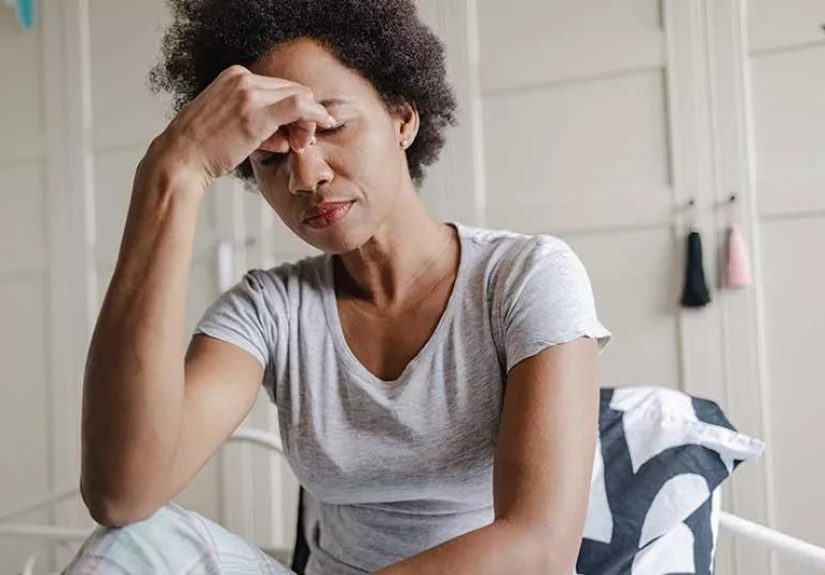
The fastest way to look sleepy is to remove alertness from your face. Alert people tend to hold their eyes open wider, lift their brows, smile quickly, and react sharply. A sleepy person does less. Their expression is smaller, softer, and slower.
Let your eyelids rest slightly lower than usual. Do not squint hard; that can look suspicious or angry. Instead, imagine your upper eyelids are a little heavy, like they are considering retirement. Relax your forehead so your eyebrows do not look overly lifted. Let your mouth rest naturally, perhaps slightly parted, especially if you are acting out a just-woke-up moment.
Try this in a mirror: make your normal alert face, then reduce everything by 25 percent. Less eyebrow movement. Less smile. Less sharp eye contact. Less “I just drank two iced coffees and solved a mystery.” That small reduction often reads as sleepy more convincingly than dramatic facial acting.
3. Use Slow Blinks and Soft Focus
Heavy eyelids and frequent blinking are classic signs people associate with drowsiness. To imitate this safely, use slow, relaxed blinks rather than forcing your eyes open or rubbing them aggressively. A slow blink says, “I am tired.” Rubbing your eyes like you are sanding furniture says, “I need eye drops and supervision.”
Soft focus also helps. Instead of staring intensely at one point, let your gaze drift gently. Look slightly downward or past the person you are talking to, then bring your focus back slowly. In a scene, this can suggest your character is fighting to stay awake. In a photo, it creates a dreamy, tired look without requiring any risky tricks.
Avoid putting irritants near your eyes to make them red or watery. Do not use soap, perfume, dust, chili, menthol, or random internet nonsense. Your eyes are not props; they are expensive little biology cameras. If you use makeup near the eyes, choose products intended for that area and remove them carefully later.
4. Create Subtle Under-Eye Shadows With Makeup
Under-eye darkness is one of the most recognizable visual shortcuts for a sleepy appearance. The key word is subtle. You are aiming for “tired but human,” not “I lost a fight with a chimney.”
Use a matte taupe, muted brown, soft gray, or slightly cool beige shade under the lower lash line and toward the inner under-eye area. Blend well with a clean brush or fingertip. Keep the color sheer and uneven in a natural way. Real tiredness rarely creates perfect symmetrical half-moons, so avoid drawing harsh circles.
If your skin tone is deep, choose a shadow shade that is only slightly darker or cooler than your natural under-eye tone. If your skin tone is fair, avoid using pure black or deep purple unless the look is theatrical. A tiny amount of muted mauve or brown can suggest fatigue without looking like costume makeup.
For a realistic sleepy makeup look, skip heavy shimmer and glitter around the eyes. Sparkly particles can fall into the eye and cause irritation. Matte textures usually look more natural and are safer for a soft, tired effect. Also, use clean brushes. Dirty brushes can irritate skin, spread bacteria, and turn your “sleepy character” into an unplanned dermatology side quest.
5. Add Gentle Puffiness or SoftnessWithout Hurting Your Skin
Puffy eyes can make someone look like they woke up from a legendary nap, but do not try to create puffiness through irritation, crying on command for too long, rubbing, salt-loading, or skipping sleep. Those methods can backfire, and some are genuinely unhealthy.
Instead, fake softness with makeup and styling. Apply a little less concealer than usual under the eyes, or use a satin-finish base rather than a bright, lifted look. If you normally use sharp contouring, soften it. A very polished face can fight against the sleepy illusion because it says, “I woke up at 6 a.m. and organized my sock drawer.”
You can also slightly blur the lower eye area with a thin layer of moisturizer before makeup, then use a small amount of neutral shadow to create dimension. Keep the skin comfortable. If a product stings, burns, or makes your eyes water, remove it. Realism is not worth irritation.
6. Mess Up Your Hair Strategically
Sleepy hair is not the same as completely chaotic hair. The best version looks accidental but still intentional enough for the camera. Think: flattened roots, a few uneven pieces, a slightly loose part, or hair tucked behind one ear without much effort.
For short hair, rub your fingers lightly through it, then press down a section near the crown or side to make it look like you leaned on a pillow. For longer hair, loosen your ponytail, pull out a few face-framing strands, or create a soft, imperfect bun. If your character just woke up, a few flyaways are your friends. If your character is exhausted after a long day, hair that has slowly lost its shape may be more convincing.
Do not over-style the mess. The moment every strand is perfectly placed to look imperfect, the sleepy effect becomes fashion editorial rather than believable tiredness. Unless that is the goalin which case, congratulations, your bedhead has a management team.
7. Choose Clothes That Suggest Low Energy
Clothing helps sell the sleepy look before anyone notices your eyelids. Soft, loose, slightly rumpled clothing works well: hoodies, oversized sweaters, pajama-style tops, worn-in T-shirts, joggers, cardigans, or cozy socks. Neutral colors, faded tones, and relaxed fabrics can make the whole look feel more drowsy.
If the scene is set at home, pajamas or lounge clothes make sense. If the character is tired in public, choose regular clothes worn with less polish: an untucked shirt, a slightly crooked collar, a loose sleeve, or a backpack hanging from one shoulder. Small details matter more than big costume choices.
Accessories can help too. A blanket, pillow, mug, book, headphones, or messy notebook can support the story. However, avoid props that make the situation confusing or unsafe. A sleepy look should be expressive, not a suggestion that someone should drive, operate equipment, or do anything risky while drowsy.
8. Act Sleepy Through Posture, Voice, and Timing
Once your face, makeup, hair, and clothing are set, your body has to agree with the look. Sleepy body language usually includes slower movement, reduced tension, lowered shoulders, a relaxed neck, and less precise gestures. Let your posture soften. Shift your weight as if standing takes slightly more effort than usual. Sit back into chairs instead of perching on the edge.
Your voice can also help. Speak a little more quietly, with slower pacing and fewer sharp changes in tone. You do not need to mumble every word. In fact, clear but low-energy speech is often more believable than cartoon mumbling. Add a tiny delay before answering, as if your brain needs to walk down the hallway and find the correct file.
For acting, remember that tired people often try to hide how tired they are. That creates interesting contrast. A character may force a smile, blink slowly, then lose the smile. They may start a sentence confidently and trail off. They may straighten up when someone notices them, then slump again when attention moves away. These tiny shifts make the performance feel alive.
Common Mistakes to Avoid
Do Not Actually Skip Sleep
The number one mistake is thinking you need to become tired to look tired. You do not. Real sleep deprivation can affect mood, focus, reaction time, school performance, physical health, and safety. For teens especially, good sleep supports learning, emotional balance, and growth. A believable sleepy look should come from styling and acting, not from sabotaging your rest.
Do Not Irritate Your Eyes
Red eyes may look tired, but intentionally irritating your eyes is a bad plan wearing a fake mustache. Avoid unsafe products, glitter too close to the eye, expired makeup, unapproved color additives, lash dyes used at home, or anything not meant for the eye area. Never share mascara or eyeliner. Remove eye makeup before sleeping, even if your character would not. Your character can make poor choices; you do not have to.
Do Not Overdo the Yawning
Yawning is useful, but too much turns the performance into a weather report: “Heavy yawns expected every five seconds.” Use yawns sparingly. Pair them with slow blinks, a softer voice, and relaxed posture for a more natural effect.
Do Not Make the Look Too Perfect
Sleepiness is uneven. One eye may look heavier. Hair may fall differently on one side. Clothing may be slightly off. A perfect smoky eye and flawless blowout usually communicate glamour, not drowsiness. Let the look breathe a little.
Safe Makeup Tips for a Sleepy Look
Because many sleepy-look techniques involve the eye area, safety matters. Use cosmetics labeled for eye use. Avoid applying eyeliner directly on the waterline if your eyes are sensitive. Skip glitter, metallic flakes, or craft products near the eyes. Keep brushes clean and replace old mascara regularly. If you develop irritation, redness, pain, or unusual discharge, remove the makeup and talk to a trusted adult or healthcare professional.
When removing the look, be gentle. Use an eye-safe makeup remover or gentle cleanser. Do not scrub hard under the eyes, because that skin is delicate. Press, soften, wipe gently, rinse, and moisturize. The goal is to look sleepy for the project, not to wake up the next day looking like your skin filed a complaint.
Best Uses for a Sleepy Appearance
A sleepy look works well in many creative settings. In theater, it can show a character’s exhaustion before they speak. In film, subtle tiredness can make a scene feel more realistic. In cosplay, sleepy styling can match characters known for late nights, dreaminess, or chaotic schedules. In photography, sleepy expressions can create softness, vulnerability, humor, or a relaxed morning mood.
The look can also be useful for comedy. A character wearing pajama pants, holding a mug, blinking slowly, and answering questions with a three-second delay can be instantly funny. The humor comes from recognition: everyone knows the feeling of being awake before the brain has officially opened for business.
Extra Experience Section: Realistic Lessons From Trying to Look Sleepy
One of the biggest lessons from creating a sleepy appearance is that people notice behavior before they notice makeup. You can apply the perfect under-eye shadow, but if you walk into the room with superhero posture and laser-beam eye contact, the illusion disappears. The body has to carry the story. Lower energy, slower reactions, and softer focus often do more than cosmetics.
Another useful experience is learning that “messy” needs boundaries. The first time someone tries sleepy styling, they may make the hair too wild, the clothes too wrinkled, and the eyes too dark. The result can look more like a shipwreck survivor than a tired student, actor, or cozy morning character. A better approach is to choose two or three sleepy signals and keep the rest normal. For example: slightly messy hair, soft under-eye shadows, and slow blinking. That is enough.
Lighting also changes everything. Bright overhead light can flatten makeup and make under-eye shadows look harsh. Softer side lighting can make the face look naturally tired, especially in photos. If you are filming or taking pictures, test the look on camera before deciding it is finished. What looks subtle in the mirror may look invisible on camera, while what looks dramatic in the mirror may look perfect under stage lights.
For school plays or amateur films, the most believable sleepy acting usually comes from small habits. A character may rub their forehead once, lean on a desk, blink slowly while listening, or lose track of a sentence for a moment. These details feel more realistic than constant yawning. Real tiredness is often about effort: the effort to stay polite, stay awake, stay focused, or stay upright when your body would rather become furniture.
Makeup experience teaches a similar lesson. Under-eye darkness should be blended outward and softened at the edges. A little muted color near the inner corners and lower lash line can create the impression of fatigue. Too much dark pigment creates a bruise-like effect, which changes the meaning of the look. Cream products can appear more skin-like, while powder products are easier to control. Either can work if applied lightly.
Comfort matters more than drama. If your eyes feel irritated, your skin feels itchy, or your hair product gives you a headache, the look is not worth it. A sleepy style should be easy to wear and easy to remove. Keep water nearby, use clean tools, and give yourself time to wash everything off. The best creative looks are the ones you can enjoy without regretting them later.
Another practical tip: match the sleepy look to the setting. A person waking up at home may have soft hair, bare feet, and relaxed clothing. A person exhausted at school may still be dressed normally but show tiredness through posture and expression. A fantasy character who has traveled all night might need dusty clothing, slower movement, and a distant gaze. The more the details match the story, the more believable the result becomes.
Finally, remember that sleepy does not have to mean unattractive. A sleepy look can be cute, funny, dramatic, mysterious, or emotionally honest. The goal is not to make yourself look “bad.” The goal is to communicate a state: low energy, drowsiness, late-night effort, or just-woke-up softness. When done safely and thoughtfully, learning how to look sleepy becomes less about faking tiredness and more about understanding visual storytelling.
Conclusion
Learning how to look sleepy is really about combining believable details: relaxed eyelids, soft focus, subtle under-eye shadows, low-energy posture, slightly messy hair, comfortable clothing, and slower timing. The best sleepy look is not extreme. It is a collection of small signals that work together naturally.
Keep the process safe. Do not skip sleep, irritate your eyes, use unsafe cosmetics, or rely on unhealthy tricks. For acting, cosplay, photos, or costumes, you can create a convincing sleepy appearance with gentle makeup, thoughtful styling, and good body language. In other words, you can look like you stayed up all night without actually making your brain suffer through the sequel.