Table of Contents >> Show >> Hide
- What Are Bypass Pruners?
- Why Bypass Pruner Maintenance Matters
- Supplies You Need to Maintain Bypass Pruners
- Daily Maintenance: What to Do After Each Use
- Deep Cleaning Bypass Pruners
- How to Disinfect Bypass Pruners
- How to Sharpen Bypass Pruners
- Adjusting the Pivot and Spring
- Seasonal Bypass Pruner Maintenance Schedule
- Common Mistakes to Avoid
- Troubleshooting: What Your Pruners Are Trying to Tell You
- My Practical Experience Maintaining Bypass Pruners
- Conclusion
- SEO Tags
Bypass pruners are the garden tool equivalent of a favorite kitchen knife: small, sharp, frequently used, and mysteriously always missing when you need them most. When they are clean and tuned, they slice through green stems with a satisfying snip. When neglected, they chew, crush, squeak, stick, rust, and make every shrub feel like it is being trimmed with office scissors from 1998.
Learning how to maintain bypass pruners is not complicated. You do not need a professional workshop, a mysterious sharpening ritual, or a degree in metalworking. You need a few basic supplies, a little patience, and the willingness to stop tossing wet, sappy pruners into a bucket after every gardening session. Good bypass pruner maintenance helps your tools last longer, keeps cuts cleaner, reduces plant damage, and makes pruning much easier on your hands.
This guide explains how to clean, disinfect, sharpen, oil, adjust, and store bypass pruners properly. Whether you are deadheading roses, trimming herbs, shaping perennials, cutting back ornamental grasses, or tidying up fruiting shrubs, a well-maintained pair of pruners will make the job faster, smoother, and much less dramatic.
What Are Bypass Pruners?
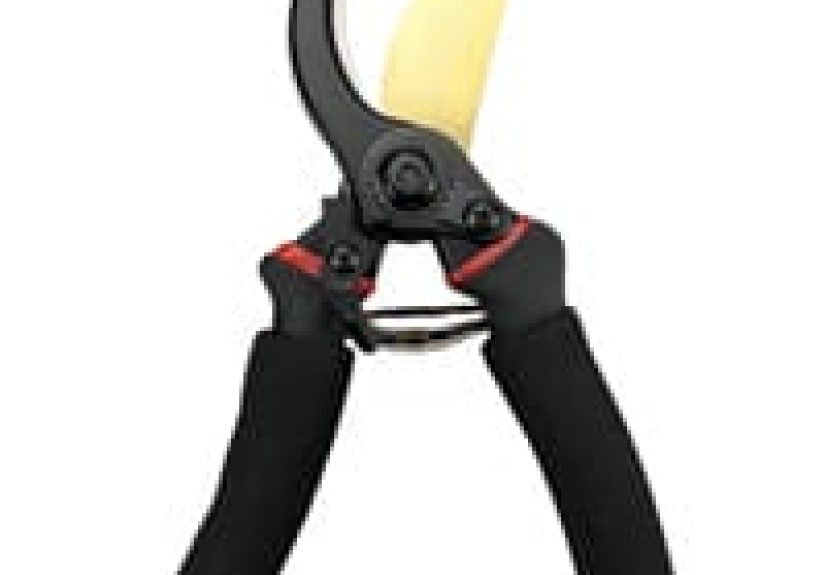
Bypass pruners are hand pruners with two blades that pass by each other like scissors. One blade is sharp and curved, while the other is thicker and acts as a hook or counter-blade. This design makes bypass pruners ideal for cutting living, green stems because they create a clean, close cut without crushing plant tissue.
That clean-cutting action is the main reason gardeners love them. A sharp bypass pruner can glide through rose canes, tomato suckers, hydrangea stems, herbs, small twigs, and young shrub growth. Anvil pruners, by contrast, press a blade down against a flat surface. They can be useful for dead or dry wood, but they are more likely to crush tender stems. For living plants, bypass pruners are usually the better choice.
However, the same scissor-like design that makes bypass pruners so precise also means they need regular care. If sap builds up on the blades, the cutting action gets sticky. If the pivot screw loosens, the blades may separate instead of sliding cleanly. If the cutting edge dulls, the tool starts mashing stems instead of slicing them. In short, bypass pruners are excellent workers, but they are not fans of neglect.
Why Bypass Pruner Maintenance Matters
Maintaining bypass pruners is about more than keeping your tool drawer looking respectable. It affects plant health, gardening comfort, and the life of the tool itself.
Clean cuts help plants heal
A sharp, clean blade leaves a smooth wound. That matters because ragged cuts can tear bark, bruise stems, and create more surface area where disease organisms or pests may enter. Plants do not “heal” exactly like humans do, but they do seal off wounds. A clean cut gives them a better starting point.
Sharp pruners reduce hand fatigue
Dull pruners make you squeeze harder. That extra pressure can strain your hand, wrist, and forearm, especially during big seasonal pruning sessions. If your pruners make you feel like you are arm-wrestling a lilac bush, the problem may not be the bush. It may be the blade.
Cleaning slows rust and sap buildup
Moisture, soil, plant sap, and fertilizer residue can encourage corrosion. Sticky blades also create friction, which makes the tool harder to open and close. A simple wipe-down after use prevents many common problems.
Disinfection can reduce disease spread
When pruning diseased plant material, pruners can carry pathogens from one stem or plant to another. Disinfecting the blades during disease-prone jobs is one of the easiest ways to avoid turning one infected branch into a garden-wide group project.
Supplies You Need to Maintain Bypass Pruners
You do not need a huge kit. A small maintenance box is enough. Keep it near your potting bench, garage shelf, or wherever your pruners tend to disappear.
- Clean rags or shop towels
- Warm water and mild dish soap
- Small brush, old toothbrush, or scrub pad
- Fine steel wool for rust or sticky residue
- 70% isopropyl alcohol for disinfecting
- Bleach and water for occasional stronger disinfection, when appropriate
- Diamond file, sharpening stone, ceramic stone, or pruner sharpener
- Light machine oil, mineral oil, or tool oil
- Small wrench or screwdriver for the pivot nut and screws
- Gloves and eye protection, especially when sharpening or using disinfectants
Optional but useful supplies include a small parts tray, a phone for taking disassembly photos, and replacement springs or bolts if your pruner model allows repair. Many quality bypass pruners are designed so parts can be replaced, which is a big advantage over cheaper tools that become landfill confetti after one rough season.
Daily Maintenance: What to Do After Each Use
The easiest pruner maintenance routine takes less than two minutes. Think of it as brushing your teeth, but for a tool that has spent the afternoon cutting through rose stems and mystery goo.
Step 1: Wipe off dirt and plant sap
After pruning, wipe the blades with a dry rag. If the blades are sticky, use a damp cloth with a little mild dish soap. Pay attention to the area around the pivot bolt because sap and fine debris love to collect there.
Step 2: Dry the tool completely
Do not put pruners away wet. Water left on metal parts encourages rust, especially if the tool is stored in a humid shed or garage. Dry the blades, spring, handles, and pivot area before storage.
Step 3: Add a drop of oil
Apply a small amount of oil to the pivot point and spring. Open and close the pruners several times to work the oil into the moving parts. Wipe away excess oil so it does not attract dirt. The goal is smooth movement, not a pruner that looks like it fell into a deep fryer.
Step 4: Store them locked and dry
Close the safety latch before putting pruners away. Store them somewhere dry and easy to find. Hanging them on a hook is better than burying them under bags of potting soil, where they will spend the winter questioning your life choices.
Deep Cleaning Bypass Pruners
A deeper cleaning is useful at the start of the season, at the end of the season, after heavy use, or anytime your pruners feel sticky, gritty, or stiff.
1. Decide whether to disassemble them
If your pruners are designed to come apart easily, disassembly makes cleaning and sharpening much easier. Before removing parts, take a photo of the tool from both sides. This gives you a handy reference when it is time to reassemble everything. If your pruners are not easy to take apart, do not force the issue. You can still clean and sharpen them while assembled.
2. Wash away grime
Use warm, soapy water and a brush or scrub pad to remove dirt, dried sap, and plant residue. Clean around the pivot, spring, blade channel, and handle grooves. Rinse lightly if needed, then dry immediately and thoroughly.
3. Remove stubborn sap
Sticky sap can be surprisingly stubborn. A little rubbing alcohol on a rag often helps dissolve residue. Fine steel wool can remove tougher buildup, but use a gentle touch. Avoid scraping aggressively on coated blades because you may damage the finish.
4. Treat light rust
For light surface rust, rub the area with fine steel wool, then wipe it clean and oil the metal. If rust is heavy, apply a penetrating oil, let it sit briefly, and scrub again. Deep pitting may not be fully reversible, but regular cleaning can stop the problem from getting worse.
How to Disinfect Bypass Pruners
Cleaning and disinfecting are not the same. Cleaning removes visible dirt, sap, and debris. Disinfecting helps reduce plant pathogens on the blades. For everyday pruning of healthy plants, a wipe and oil may be enough. But when cutting diseased branches, moving between plants, or pruning vulnerable fruit trees and shrubs, disinfection is smart.
Use 70% isopropyl alcohol for convenience
For most home gardeners, 70% isopropyl alcohol is one of the easiest disinfectants to use. Wipe, spray, or dip the blades, then allow them to dry. Alcohol does not require long soaking, and it is less corrosive to metal than bleach. Keep it away from flames and heat sources because it is flammable.
Use bleach carefully when needed
A common bleach disinfecting solution is one part household bleach to nine parts water. Bleach can be useful in certain disease situations, but it can corrode metal. If you use bleach, wear gloves, work in a ventilated area, never mix bleach with other cleaners, rinse the blades afterward, dry them well, and apply oil to protect the metal.
Disinfect more often when disease is present
If you are pruning a plant with visible disease, disinfect pruners between plants. In serious cases, disinfect between cuts. One practical trick is to keep two pairs of pruners available: use one while the other is being disinfected. This may sound like overkill until you have watched a disease spread through a prized shrub collection like gossip at a neighborhood barbecue.
How to Sharpen Bypass Pruners
Sharpening is where many gardeners get nervous, but the basic idea is simple: maintain the original bevel of the cutting blade. Do not invent a new angle. Do not grind both sides like a kitchen knife. Do not attack the blade with random enthusiasm. Bypass pruners need controlled, consistent strokes.
Understand the cutting blade and counter-blade
On bypass pruners, only one blade does the cutting. This blade has a beveled edge. The other blade, often called the hook or counter-blade, supports the stem as the cutting blade slides past it. Sharpen the beveled cutting blade. Do not sharpen the flat counter-blade as if it were another cutting edge.
Match the factory bevel
Place your sharpening stone or diamond file against the existing bevel. Keep the same angle throughout the stroke. Many high-quality bypass pruners have a bevel in the low-20-degree range, but the exact angle is less important than following the bevel already built into your tool.
Sharpen in one direction
Move the sharpener from the inner part of the blade toward the tip, following the curve of the cutting edge. Use smooth, even strokes. Avoid sawing back and forth. Five to ten careful strokes may be enough for routine maintenance; a very dull blade may need more attention.
Remove the burr
After sharpening the beveled side, a tiny burr may form on the flat back side of the blade. To remove it, lay a fine stone flat against the back side and make one or two light passes. Keep it flat. The goal is to remove the burr, not create a second bevel.
Test the cut
Test sharpness on a sheet of paper, a thin twig, or a fresh stem. A sharp pruner should cut cleanly without tearing, folding, or crushing. If the cut is ragged, sharpen a little more and check blade alignment.
Adjusting the Pivot and Spring
Even sharp pruners can cut poorly if the pivot is too loose or too tight. The blades should slide closely past each other without wobbling. If they gap apart, stems may jam or tear. If the pivot is too tight, the tool may be tiring to open and close.
To adjust the pivot, tighten the nut or screw slightly, then test the action. Open and close the pruners several times. The movement should feel smooth and controlled. If your pruners have a spring, inspect it for rust, bending, or weakness. A worn spring can make the handles slow to reopen. On repairable pruners, replacing the spring is often simple and inexpensive.
Also check the locking mechanism. A latch that does not hold securely can allow the blades to open in your pocket or tool bag, which is an exciting way to ruin both your pants and your afternoon.
Seasonal Bypass Pruner Maintenance Schedule
A maintenance schedule keeps pruner care from becoming a once-a-decade archaeological event. Use this simple rhythm:
After every use
- Wipe off sap, moisture, and soil.
- Dry the blades and handles.
- Add a small drop of oil to the pivot if needed.
- Lock and store the pruners in a dry place.
During heavy pruning season
- Clean the blades more thoroughly once a week.
- Sharpen lightly when cuts become ragged.
- Check the pivot nut, spring, and latch.
- Disinfect when pruning diseased plants.
At the end of the season
- Deep clean the entire tool.
- Remove rust and sap buildup.
- Sharpen the cutting blade.
- Oil metal parts and moving joints.
- Store in a dry location for winter.
Common Mistakes to Avoid
Using bypass pruners on branches that are too large
Most hand pruners are meant for small stems and twigs. For thicker branches, use loppers or a pruning saw. Forcing bypass pruners through oversized wood can bend the blade, damage the pivot, and make your hand regret every decision that led to that moment.
Putting pruners away dirty
Dirt and moisture are rust’s best friends. Sap hardens, grit collects, and the next time you pick up the tool it feels like it was stored in pancake syrup. A quick wipe after each use prevents most of this.
Sharpening the wrong side
Do not sharpen both sides of the cutting blade equally. Follow the factory bevel on the beveled side, then remove the burr from the flat side with a very light pass.
Skipping disinfection during disease pruning
If a plant has suspicious cankers, blight, fungal issues, or other disease symptoms, disinfecting your pruners is worth the extra time. Otherwise, the tool can move problems from one plant to another.
Over-oiling the tool
Oil is helpful, but more is not always better. Excess oil attracts dust and debris. Apply a small amount, work it into the joint, and wipe off the extra.
Troubleshooting: What Your Pruners Are Trying to Tell You
They squeak
The pivot or spring probably needs cleaning and oil. Wipe away debris, apply a drop of oil, and open and close the handles several times.
They crush stems
The blade may be dull, the pivot may be loose, or you may be cutting material that is too large or too woody for hand pruners.
They stick closed
Sap buildup is the likely suspect. Clean the blades and pivot area with soapy water or alcohol, dry thoroughly, and lubricate the moving parts.
They leave ragged cuts
Sharpen the cutting blade and check that the blades pass closely together. If the blade is nicked or bent, it may need professional repair or replacement.
They rust quickly
The tool is likely being stored damp or dirty. Clean, dry, and oil the blades before storage. Move the pruners to a less humid location if possible.
My Practical Experience Maintaining Bypass Pruners
The first thing I learned about bypass pruner maintenance is that the “I’ll clean them later” plan is a trap. Later becomes tomorrow, tomorrow becomes next weekend, and by the time you remember them, your pruners are sitting on a potting bench wearing a fashionable crust of sap, soil, and regret. The best routine is the one that happens immediately after pruning, while the tool is still in your hand.
One useful habit is to keep a small rag and a little bottle of alcohol near the garden door. After trimming herbs, roses, peppers, or shrubs, wipe the blades before walking away. This tiny step makes a big difference. Fresh sap is easy to remove. Dried sap acts like glue with a personal grudge. When it hardens around the pivot, the handles start sticking, and suddenly a simple pruning job feels like using a hand exerciser at the gym.
Another lesson: sharp pruners make you a more careful gardener. When a tool cuts cleanly, you naturally make better cuts. You are less tempted to twist, yank, or chew through a stem. This is especially noticeable on roses, young fruit trees, and tender perennials. A sharp bypass pruner gives you control. A dull one encourages bad behavior, and plants have enough problems without being hacked by a tired gardener in muddy shoes.
Sharpening also becomes less intimidating with practice. The first time, it is easy to overthink the angle. The trick is to look closely at the existing bevel and follow it. Use slow, steady strokes. You are not trying to redesign the blade; you are refreshing the edge. A few light passes every so often are better than waiting until the pruners are so dull they could safely be used by a toddler. Not that toddlers should use pruners. Please do not test that sentence.
Disinfecting is another habit that pays off. When pruning obviously diseased material, keep alcohol nearby and wipe the blades frequently. If you are dealing with a serious disease issue, disinfect between cuts or between plants. It can feel fussy in the moment, but it is easier than watching a preventable problem spread through a bed of shrubs you have spent years growing.
Finally, storage matters more than most people think. A dry hook in the garage is better than a damp bucket, an open tray outside, or the mysterious black hole beneath the potting bench. Lock the blades, hang the tool, and keep it visible. The more accessible your maintenance supplies are, the more likely you are to use them. Bypass pruner care is not about perfection. It is about small, consistent habits that keep your favorite cutting tool sharp, smooth, and ready for the next stem that needs a tidy little snip.
Conclusion
Maintaining bypass pruners is simple, but it makes a big difference. Clean blades create healthier cuts. Sharp edges reduce crushing and hand fatigue. Disinfection helps prevent disease spread. Oil protects metal parts and keeps the tool moving smoothly. Proper storage prevents rust and saves you from buying replacements too often.
The best approach is routine care: wipe after every use, disinfect when disease is involved, sharpen when cuts become rough, tighten loose parts, and store pruners dry. Treat your bypass pruners well, and they will reward you with years of clean cuts, smoother pruning, and fewer moments where you mutter at a shrub like it personally offended you.