Table of Contents >> Show >> Hide
- Why a Bookcase Makes a Great Ottoman Base
- Before You Start: The Smart Planning Checklist
- Materials and Tools You’ll Need
- Step-by-Step: How to Turn a Bookcase into an Ottoman
- Best Design Ideas for a DIY Bookcase Ottoman
- Mistakes to Avoid
- Safety Tips That Matter
- How to Make It Look More Expensive
- Conclusion
- Real-Life Experiences and Lessons from Making a DIY Ottoman out of a Bookcase
If you have an old bookcase collecting dust in a corner, congratulations: you are one cushion away from pretending you always meant to become a furniture designer. Turning a bookcase into a DIY ottoman is one of those clever home projects that feels equal parts practical and smugly satisfying. You get seating, hidden or open storage, and a custom piece that looks far more expensive than its humble beginnings suggest.
The trick is not just slapping foam on top of a shelf and calling it a day. A good DIY ottoman out of a bookcase needs the right base, a sturdy top, enough cushioning to be comfortable, and a finish that makes the whole thing look intentional. In other words, we are aiming for “stylish storage ottoman,” not “garage experiment with fabric.”
This guide walks you through the full process, from choosing the right bookcase to upholstering the seat and styling the finished piece. Whether you want a storage ottoman for an entryway, a padded bench for a reading nook, or a living room footrest with secret organization powers, this project can get you there without requiring a workshop worthy of a television carpenter.
Why a Bookcase Makes a Great Ottoman Base
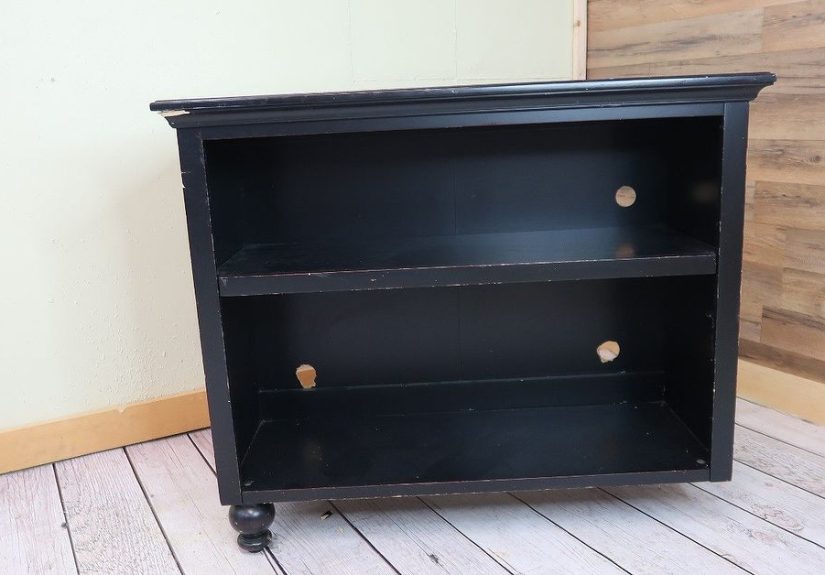
A bookcase already does half the work for you. It provides a boxy frame, built-in storage, and flat surfaces that make it easy to add a padded top. Low shelving units, cube organizers, and short horizontal bookcases are especially useful because they are already close to bench height and feel visually balanced once upholstered.
The best candidates are sturdy, low-profile units made from plywood, solid wood, or a well-built engineered wood product. If your bookcase has a wobbly back panel, split sides, or shelves that sag like they have given up on life, skip it. An ottoman should feel secure enough for feet, trays, and occasional seating. If the base is flimsy, no amount of cute fabric will save it.
This is also where a little common sense matters: do not turn a tall upright bookcase into an ottoman and assume all is well. For this project, the safest approach is to use a short bookcase or a cube unit placed horizontally so the center of gravity stays low. If children are around, stability matters even more.
Before You Start: The Smart Planning Checklist
1. Choose the right size
Think about where the ottoman will live. In a living room, it may work as a coffee-table alternative. In an entryway, it may need enough room underneath for baskets or shoes. In a bedroom, it may become a bench at the foot of the bed. Measure the space first so your finished piece fits comfortably and still leaves walking room.
2. Decide how it will be used
If you mainly want a footrest, you can keep the cushion relatively plush. If you want it to double as extra seating or hold a tray, go with firmer foam and a very stable top. The more jobs your ottoman needs to do, the more important strong construction becomes.
3. Inspect the bookcase
Check for loose joints, peeling veneer, damaged corners, and any signs that the piece hates commitment. Tighten screws, add wood glue where needed, and reinforce weak spots before you move on. The makeover starts with structure, not paint.
4. Think through storage
One of the biggest perks of a bookcase ottoman is the storage. Open cubbies can hold baskets, blankets, books, game controllers, dog toys, or the random throw pillows that seem to multiply when no one is looking. If you want a cleaner look, plan to add bins or fabric baskets later.
Materials and Tools You’ll Need
Here is a practical starter list for most builds:
- Low bookcase or cube organizer
- 3/4-inch plywood cut to the size of the top
- Upholstery foam, usually 2 to 3 inches thick
- Batting
- Upholstery fabric, canvas, faux leather, or other durable fabric
- Spray adhesive for foam and batting
- Staple gun and staples
- Screws and drill
- Wood filler if needed
- Sandpaper
- Paint, stain, or topcoat if refinishing the base
- Optional trim, piping, buttons, legs, or casters
If your home improvement store cuts plywood for you, take that offer. It saves time, improves accuracy, and greatly reduces the chance of a dramatic “I measured with confidence and still got it wrong” moment.
Step-by-Step: How to Turn a Bookcase into an Ottoman
Step 1: Prep the bookcase
Remove any loose hardware, stickers, or unnecessary shelves. Clean the entire unit thoroughly because dust and old grime love to sabotage paint and glue. Tighten every fastener you can find. If the back panel feels weak, reinforce it with screws or corner braces.
At this stage, decide whether you want the cubbies to stay open or if you will add baskets later. Open storage gives the piece a casual, functional look. Baskets create a tidier finish and can make a basic cube organizer look much more custom.
Step 2: Sand and finish the base
If you are painting or staining the bookcase, do it before upholstery. Sand rough edges, patch holes with wood filler, and smooth everything down once it dries. Then prime and paint, or stain and seal, depending on the look you want.
For a modern ottoman, go with a crisp painted base in black, white, charcoal, or soft greige. For a warmer, farmhouse-inspired piece, a wood-toned finish works beautifully. For a family room that sees real life, not just decorative magazines, choose a finish that is forgiving and easy to wipe clean.
Step 3: Cut and test-fit the plywood top
The plywood top is what transforms the project from “bookcase with cushion” into an actual upholstered furniture piece. Cut the plywood so it matches the top dimensions of the bookcase. You can make it flush with the sides for a cleaner profile, or let it overhang slightly for a more bench-like look.
Set the plywood on top and check the fit before attaching anything. It should sit evenly without rocking. If the bookcase edges are not perfectly square, adjust now. Future you will be grateful.
Step 4: Attach the foam
Place the plywood on a flat work surface. Lay the foam on top and trim it to size if needed. A utility knife or electric carving knife works well for clean cuts. If you want softer edges, slightly round the corners of the foam instead of leaving them square.
Use spray adhesive to secure the foam to the plywood. This step helps prevent shifting while you wrap the batting and fabric. If you are going for an ottoman that feels more like a bench seat, use firm foam. If you want cozy footrest energy, choose something softer but still supportive.
Step 5: Wrap with batting
Batting is the unsung hero of good upholstery. It softens the edges, smooths out the seat, and helps prevent the final fabric from looking lumpy. Cut a piece large enough to wrap around the foam and the underside of the plywood. Pull it taut, but not so tight that the foam compresses strangely, then staple it underneath.
Trim excess batting so the underside stays neat. Nobody may see it often, but messy layers under the seat can make attaching the final piece more annoying than it needs to be.
Step 6: Add the upholstery fabric
Now for the glow-up. Lay your fabric face down, center the padded plywood on top, and wrap the fabric over each side. Start stapling at the center of one long side, then the opposite side, then the short sides. Work outward gradually, pulling the fabric snug as you go.
The corners are where confidence goes to be tested. Fold them neatly like you are wrapping an expensive gift for someone you are trying to impress. There are different ways to fold upholstery corners, but the goal is the same: crisp, tidy, and secure.
If you are using a patterned fabric, double-check alignment before you staple too far. Nothing says “weekend project” faster than stripes that suddenly decide to become diagonal.
Step 7: Attach the upholstered top to the bookcase
Once the cushion is done, center it on the bookcase and attach it from underneath with screws. Make sure the screws are short enough that they do not poke through the upholstered top. This is one of those details that sounds obvious until it is not.
For some designs, you can also leave the top removable. That is useful if you want easier access to storage or plan to wash a removable cover later. But if the piece will be used often, a fixed top usually feels sturdier and more furniture-like.
Step 8: Add finishing details
This is where the project moves from functional to polished. You can add trim to hide plywood edges, decorative nailheads for a traditional look, tapered wood legs for a mid-century vibe, or low-profile casters if you want mobility. Just remember that extra height changes how the ottoman feels, so keep proportions in mind.
Best Design Ideas for a DIY Bookcase Ottoman
Entryway storage bench ottoman
Use a two-cube or three-cube bookcase with baskets underneath for shoes, hats, reusable bags, and all the small daily clutter that otherwise migrates to the floor. Choose a durable fabric because entryways are tough on furniture.
Living room storage ottoman
A longer horizontal bookcase can become a coffee-table ottoman. Use a firm cushion so the surface can support a tray for drinks, remotes, or decorative objects. This setup works especially well in family rooms where softness matters more than sharp table corners.
Reading nook bench
If you are building a cozy corner, a bookcase ottoman is almost too on-theme in the best possible way. Store novels, throws, and baskets in the cubbies, then top it with a soft upholstered cushion and a few pillows. Suddenly your house looks like it has opinions about tea.
Bedroom bench
At the foot of the bed, a slim bookcase ottoman can hold spare blankets, slippers, or seasonal accessories. Upholster it in linen-look fabric or faux leather for a cleaner, more tailored finish.
Mistakes to Avoid
- Using a tall or unstable bookcase: Low and sturdy is the rule.
- Skipping reinforcement: If the base wobbles now, it will still wobble after fabric.
- Choosing weak top material: A padded seat needs a strong board underneath.
- Using thin decorative fabric only: Pretty is nice; durable is nicer.
- Ignoring the room’s proportions: A massive ottoman in a tiny room can feel like a polite space invasion.
- Forgetting safety: If children might climb on it, stability and anchoring matter.
Safety Tips That Matter
Repurposed furniture should never skip the safety conversation. If your ottoman is built from a bookcase, make sure the base is low, level, and sturdy before anyone uses it as seating. Test it gradually with weight rather than assuming it is ready because it looks finished.
If children are in the home, avoid anything top-heavy or unstable. Keep heavier items in lower cubbies. If the piece sits against a wall and behaves more like a bench than a movable ottoman, anchoring the furniture base can add peace of mind. Stylish DIY is great; stylish DIY that does not tip is better.
How to Make It Look More Expensive
There is a big difference between homemade and custom. To push your project toward the second category, focus on clean lines and intentional materials. Choose one of these upgrade moves:
- Add wood trim around the base or top edge
- Use textured upholstery fabric like woven performance fabric, boucle, or faux leather
- Install matching baskets in every cubby
- Paint the base in a rich, saturated color
- Add furniture feet in a finish that matches nearby decor
- Use piping or welting for a tailored cushion look
Even small details can make a basic cube shelf look like a custom upholstered bench from a boutique store with lighting so flattering it could make cardboard look luxurious.
Conclusion
Making a DIY ottoman out of a bookcase is one of the smartest ways to upcycle furniture while adding real function to your home. It gives you a seat, a footrest, a storage solution, and a chance to customize the exact look you want. Better yet, it works in spaces that need practical furniture with personality, from entryways and bedrooms to living rooms and reading nooks.
The secret to a successful build is balancing creativity with structure. Start with a sturdy low bookcase, reinforce it well, add a solid plywood top, and upholster the cushion with enough care that it looks intentionally designed rather than quickly assembled. Once you nail those steps, the rest is style. Paint, fabric, baskets, legs, and trim can all help shape the final result.
If you have been looking for a budget-friendly furniture project that does not feel cheap, this is it. A bookcase ottoman DIY is approachable, customizable, and genuinely useful. And unlike many trendy projects, this one earns its keep every single day.
Real-Life Experiences and Lessons from Making a DIY Ottoman out of a Bookcase
One of the most interesting things about this project is how often it starts with a very ordinary problem: a bookcase that no longer fits the room, a corner that feels unfinished, or a need for storage that does not look like storage. In real homes, a DIY ottoman made from a bookcase often ends up being less about crafting for crafting’s sake and more about solving a layout issue without spending a fortune.
A common experience is realizing that the bookcase you almost donated is actually the perfect size for an entry bench or window-seat-style ottoman. Many people begin with a cube organizer because it is already low, simple, and easy to work with. Once baskets slide into the cubbies and a padded top goes on, the piece suddenly looks far more substantial. It stops reading as shelving and starts reading as furniture.
Another real-world lesson is that fabric changes everything. The same bookcase can look casual, elegant, rustic, modern, or kid-friendly depending on the upholstery. A neutral woven fabric makes the piece feel calm and upscale. Faux leather gives it a slightly dressier look and is easier to wipe down. A bold print can turn the ottoman into an accent piece, though many DIYers discover that patterns are less forgiving when it is time to line everything up. Few experiences are as humbling as proudly stapling half a cushion before noticing the stripes are drifting like they have weekend plans of their own.
Comfort is another area where experience matters. People often underestimate how much foam density affects the final result. A cushion that is too soft may look fluffy at first but can flatten quickly. A cushion that is too firm may feel better for seating and tray use. The sweet spot usually depends on the room. In a reading nook, softer can feel cozy. In a living room where the ottoman doubles as a coffee table, a firmer seat generally performs better.
There is also a practical satisfaction that comes from the storage. In everyday life, the cubbies often become the real stars of the project. Shoes disappear. Blankets get a home. Board games stop living in random stacks. Pet toys finally have boundaries. That hidden usefulness is what makes the project feel worth the effort long after the paint dries.
Perhaps the biggest lesson people learn is that preparation matters more than speed. The builds that turn out best are rarely the ones rushed in a single burst of enthusiasm. They are the ones where the base was reinforced properly, the plywood was measured carefully, and the fabric was pulled tight with patience. It is not glamorous advice, but it works. The more careful the prep, the more custom the final ottoman looks.
In the end, this project tends to be memorable because it transforms something overlooked into something useful and attractive. That is the magic of a good DIY furniture makeover. It is not just about saving money. It is about making a piece that fits your home, your habits, and your style better than an off-the-shelf option ever could.