Table of Contents >> Show >> Hide
- Sticky Rice 101: What It Is (and What It Isn’t)
- What You’ll Need
- The Best Sticky Rice Method in a Rice Cooker (Soaked)
- If Your Rice Cooker Has a “Sweet Rice” Line or Setting
- No-Soak Sticky Rice in a Rice Cooker (Fast Method)
- How to Make Coconut Sticky Rice for Mango Sticky Rice (Rice Cooker Version)
- Troubleshooting Sticky Rice in a Rice Cooker
- Storage, Reheating, and Food Safety (Yes, This Matters)
- Easy Ways to Serve Sticky Rice
- FAQ: Sticky Rice in a Rice Cooker
- Experiences: What Making Sticky Rice in a Rice Cooker Actually Feels Like ()
- Conclusion
Sticky rice has two personalities: it can be the chewy, glossy sidekick to grilled meat… or the sweet, coconutty bed for mango that makes you consider writing poetry to fruit. Either way, it’s one of those foods that looks simpleuntil you try it once and end up with either (a) crunchy pebbles or (b) a rice pudding situation you absolutely did not consent to.
The good news: you can make excellent sticky rice in a rice cooker. The better news: once you learn the “barely cover the rice” trick (plus a quick rinse-and-soak routine), you’ll get that tender, clingy, pull-apart texture without babysitting a bamboo steamer like it’s a newborn.
This guide covers the most reliable rice-cooker method, a faster no-soak option, coconut sticky rice for desserts, and fixes for the most common sticky-rice crimes.
Sticky Rice 101: What It Is (and What It Isn’t)
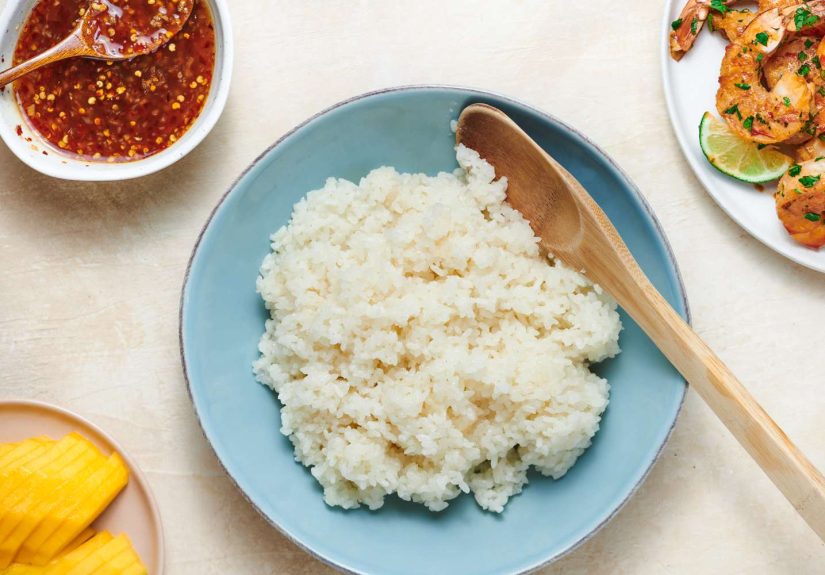
Sticky rice is a specific type of riceusually labeled glutinous rice or sweet rice. It gets sticky because it’s high in a starch called amylopectin and low in amylose, which makes the grains cling together when cooked. Important PSA: glutinous rice does not contain gluten. The word “glutinous” is about the gluey texture, not wheat protein.
Sticky rice vs. “my rice turned out sticky”
Regular jasmine or long-grain rice can get sticky if it’s overcooked, under-rinsed, or stressed out by too much stirring. But it won’t have the same chewy, elastic bite that true glutinous rice has. If you want authentic Thai-style sticky rice or the right base for mango sticky rice, start with the correct rice.
What to buy at the store
- Thai glutinous rice (often long-grain): classic for Thai and Lao sticky rice.
- Japanese sweet rice (mochigome): shorter grain, very sticky, great for desserts and some savory dishes.
What You’ll Need
Ingredients
- Glutinous rice (sweet rice)
- Water
- Optional: pinch of salt (especially for savory uses)
Equipment
- Rice cooker (any basic model works; “Sweet Rice” setting is a bonus)
- Fine-mesh strainer
- Mixing bowl (for soaking)
- Rice paddle or silicone spatula
The Best Sticky Rice Method in a Rice Cooker (Soaked)
If you want the most dependable chewy-but-tender texture, soaking is the move. It helps the grains hydrate evenly, so your rice cooker doesn’t have to do all the heavy lifting with heat alone. Many trusted cooking sources recommend soaking anywhere from a few hours up to overnight for classic sticky rice texture.
Step 1: Rinse like you mean it
Measure your rice (start with 1 cup dry glutinous rice for practice). Put it in a bowl, cover with cold water, swirl with your hand, and drain. Repeat until the water looks mostly clearusually 3–5 rinses.
Why rinse? It removes excess surface starch so the rice turns sticky and clumpy in a good wayindividual grains that clingrather than forming a single rice boulder.
Step 2: Soak
Cover the rinsed rice with plenty of water (at least a couple inches above the rice; it expands). Soak:
- Minimum: 2–4 hours
- Ideal: 6–12 hours
- Max: up to 24 hours (still fine, especially in a cool kitchen)
In a hurry? You can speed things up by soaking in warm water for a shorter time, but the best texture usually comes from a longer, cool soak.
Step 3: Drain well (but don’t dry it out)
Drain the soaked rice in a fine-mesh strainer for a minute or two. You want it well-drained so your water ratio stays accurate, but you don’t need to blow-dry it with a hair dryer. (Please don’t.)
Step 4: Add rice + water to the cooker
Transfer the drained rice to the rice cooker pot and level it out.
Sticky rice water ratio (the part everyone argues about)
Because rice cooker sizes, rice brands, and soaking times vary, you’re aiming for a visual target more than a single “forever ratio”:
- Soaked sticky rice: add water so it just barely covers the rice, or so the water level is roughly the same height as the rice in the pot.
If you prefer measuring: many home-cook methods land around about 1:1 rice-to-water after soaking (sometimes slightly less or slightly more depending on the brand and how long it drained). The “barely cover” rule is the easiest way to make your rice cooker behave.
Step 5: Cook
Close the lid and cook on:
- “Sweet Rice” setting if your cooker has it
- Otherwise, use the regular White Rice / Cook function
Step 6: Rest (don’t skip this)
When the cooker clicks to “Warm,” let the rice rest 10–15 minutes with the lid closed. This finishes steaming and smooths out any slightly firm spots.
Step 7: Fluff and “fold,” not stir
Use a rice paddle to gently turn the rice from the bottom up. Think of it as folding a blanket, not whisking eggs. Over-stirring can make sticky rice gummy.
If Your Rice Cooker Has a “Sweet Rice” Line or Setting
Some rice cookers (especially higher-end models) include a Sweet Rice water line in the inner pot and a matching menu option. If you have it, use it. It’s designed for glutinous rice and can take the guesswork out of water levels.
Pro tip: Even with a “Sweet Rice” line, rinsing is still a good idea. And if your rice comes out softer than you like, reduce the water slightly next time. Sticky rice is forgivingyour preferences can be picky.
No-Soak Sticky Rice in a Rice Cooker (Fast Method)
Some cooks skip soaking and still get good resultsespecially with certain brands of glutinous rice and modern cookers. Texture can be a little less evenly chewy, but it’s a legitimate option for weeknights when you didn’t plan ahead because you are a human person with a life.
Fast steps
- Rinse glutinous rice thoroughly (this matters even more without soaking).
- Drain well.
- Add to rice cooker.
- Add water around 1:1 by volume as a starting point (adjust later based on your results).
- Cook on White Rice (or Sweet Rice if available).
- Rest 10–15 minutes, then fluff.
When to choose the fast method: bowls, stir-fries, meal prep, or when you’ll season the rice heavily (like coconut sticky rice). For the most “traditional” chewy pull-apart sticky rice, the soaked method usually wins.
How to Make Coconut Sticky Rice for Mango Sticky Rice (Rice Cooker Version)
If you’re making dessert, you’re not just cooking sticky riceyou’re turning it into a coconut-scented hug. Here’s a simple approach that tastes legit without requiring a culinary degree or a passport stamp.
Ingredients
- 2 cups cooked sticky rice (from the methods above)
- 1 cup full-fat coconut milk
- 2–4 tbsp sugar (adjust to taste)
- 1/4–1/2 tsp salt (yes, salttrust the process)
Method
- Warm coconut milk with sugar and salt in a small saucepan until dissolved (don’t boil aggressively).
- Pour about 3/4 of the coconut mixture over the hot cooked sticky rice.
- Fold gently, cover, and let it sit 10 minutes so the rice absorbs flavor.
- Use the remaining coconut sauce for drizzling. Serve with ripe mango slices.
Flavor note: Salt is what keeps coconut sticky rice from tasting like “sweet sunscreen.” It sharpens the coconut flavor and makes the mango taste even more mango-y.
Troubleshooting Sticky Rice in a Rice Cooker
Problem: Rice is hard or undercooked
- Cause: not enough water, too short a soak, or the cooker switched to Warm early.
- Fix: sprinkle 2–4 tbsp water over the rice, close the lid, and let it steam on Warm for 10–15 minutes. If needed, run another short Cook cycle.
- Next time: soak longer, drain a little less aggressively, or add a splash more water.
Problem: Rice is mushy or wet
- Cause: too much water (most common), not draining soaked rice enough, or stirring too much.
- Fix: spread rice on a tray for 10 minutes to let steam escape. You can also leave the cooker open briefly (carefulhot!) to vent moisture.
- Next time: use the “barely cover” water level and resist the urge to add “just a little extra” water.
Problem: Rice isn’t sticky enough
- Cause: wrong rice (not glutinous), or it was rinsed but not cooked properly.
- Fix: confirm the bag says glutinous/sweet rice. Regular rice can’t cosplay its way into becoming sticky rice.
Problem: Burned or crusty bottom
- Cause: cooker runs hot, water was too low, or rice layer was uneven.
- Fix: soak and use slightly more water; level the rice before cooking. If you like crispy bits, call it “intentional” and serve it with confidence.
Storage, Reheating, and Food Safety (Yes, This Matters)
Cooked rice is delicious… and also something you should treat with basic respect. Food safety guidance recommends refrigerating leftovers within 2 hours (and within 1 hour if the room is very hotabove 90°F). Store rice in a shallow container so it cools faster.
How to store sticky rice
- Refrigerator: cool quickly and store airtight. Quality is best in the first 1–2 days.
- Freezer: portion into small bags, flatten, and freeze for quick reheating.
How to reheat without turning it into a brick
- Microwave: sprinkle a tablespoon of water over the rice, cover loosely, and heat in short bursts, fluffing between rounds.
- Steam: place rice in a heatproof bowl, add a small splash of water, and steam until soft.
Sticky rice tip: It firms up as it cools (normal starch behavior). Gentle moisture + heat brings it back.
Easy Ways to Serve Sticky Rice
- Thai-style: with grilled chicken, papaya salad, and a spicy dipping sauce.
- Chinese-inspired: mix into a savory bowl with mushrooms, scallions, and a soy-sesame drizzle.
- Breakfast: warm sticky rice + coconut milk + sliced banana + toasted sesame.
- Dessert: mango sticky rice, of coursebecause joy is important.
FAQ: Sticky Rice in a Rice Cooker
Can I use jasmine rice or sushi rice?
You can cook them in a rice cooker, absolutely. But you can’t make true sticky rice without glutinous/sweet rice. Sushi rice gets sticky-ish, but the texture is differentless chewy, more tender and glossy.
Do I really have to soak?
Not always. Some rice cooker methods work without soaking, but soaking improves consistency and texture for most brands of glutinous rice. If you want that classic chewy pull-apart feel, soaking is your best friend.
Why does sticky rice harden so fast?
Starches in cooked rice re-set as they cool. Sticky rice, with its starch makeup, tends to firm up noticeably. That’s why warm sticky rice is magical and cold sticky rice is… determined.
Experiences: What Making Sticky Rice in a Rice Cooker Actually Feels Like ()
The first time you make sticky rice in a rice cooker, it’s easy to assume it’ll behave like normal rice. You rinse, you add water, you hit “Cook,” and you wait for the little happy click that says dinner is ready. Then you lift the lid and realize sticky rice has its own personalitylike a cat that doesn’t care how many articles you’ve read about cats.
If you go in with too much confidence (and too much water), you’ll get something that tastes fine but looks like it should be served with a ladle. That’s the “oops, accidental rice pudding” batch. It’s not a total loss, though. You can spread it out to let steam escape, and suddenly it’s edible again. Also: that batch is a fantastic reminder that sticky rice is happiest when the water just barely covers it. Sticky rice is clingy, not thirsty.
On the other side of the emotional spectrum is undercooked sticky ricethe batch that looks done on top but has a slightly crunchy attitude underneath. It’s the culinary version of stepping on a LEGO. The good thing is that rice cookers are basically tiny steam rooms, so you can usually rescue it with a splash of water and another warm, covered rest. And once you’ve fixed it once, you stop panicking the next time it happens. Sticky rice stops being mysterious and starts being… a little dramatic, but manageable.
The soak is where the “aha” moment tends to happen. When you soak glutinous rice, you’re not just following a ruleyou’re preloading the grains with moisture so the cooker can finish the job evenly. When you drain it and see how the grains feel heavier and slightly opaque, it’s like the rice is quietly saying, “Okay, I’m ready now.” Then you add just enough water to barely cover the rice and it cooks into that iconic chewy texture that’s sticky without being soupy.
There’s also a small but real satisfaction in learning your rice cooker. Some cookers run hot, some are gentle, and some have a “Sweet Rice” setting that feels like a secret button you shouldn’t be allowed to have. After a couple batches, you’ll notice patterns: maybe your cooker likes a tiny splash more water, or maybe it needs a longer rest after cooking. Once you’re tuned in, making sticky rice becomes less like following a strict recipe and more like doing a reliable kitchen ritual.
And then comes the fun part: serving it. Sticky rice is a social food. It’s the kind of side dish that makes everything else taste bettergrilled chicken, spicy stir-fries, saucy curries. It also transforms into dessert with coconut milk and mango so effortlessly that it feels unfair to every other dessert that requires baking. By the time you’ve made it a few times, you’ll catch yourself soaking rice “just in case” because you might want sticky rice tomorrow. That’s when you know you’ve fully joined the club.
Conclusion
Making sticky rice in a rice cooker is all about the right rice, a good rinse, and a smart water level. If you soak and drain properly, then cook with water that barely covers the grains, you’ll get tender, chewy sticky rice that’s ready for everything from savory bowls to mango sticky rice. Once you dial in your rice cooker’s preferences, it becomes one of the easiest “wow” sides you can makeno bamboo steamer required.