Table of Contents >> Show >> Hide
- What exactly is a keloid (and why is it so stubborn)?
- Can you remove a keloid scar at home?
- At-home options that can actually help (or at least aren’t nonsense)
- Home remedies people try (and why you should be cautious)
- Dermatologist treatments that actually shrink or flatten keloids
- What to expect: timeline, results, and recurrence
- How to prevent keloids if you’re prone
- Bottom line: can home remedies help remove keloid scars?
- Experiences People Commonly Have With Keloid Scars (And What They Learn Along the Way)
Keloids are the overachievers of the scar world. Instead of stopping when the wound heals, a keloid keeps building scar tissue like it’s trying to win “Most Extra” at the Skin Awards. If you’re here because you want to remove keloid scarspreferably at home, preferably yesterdayyou’re not alone.
Here’s the honest answer up front: most keloids can’t be fully erased at home. But many can be flattened, softened, and made less noticeableand the itching, tenderness, or “why does my shirt hate this spot?” discomfort can often improve with the right plan. The key is knowing which “home remedies for keloids” are actually reasonable and which ones are just a fast track to irritation (or a chemical burn you didn’t order).
What exactly is a keloid (and why is it so stubborn)?
A keloid is a type of raised scar that forms when the skin produces excess collagen during healing. The hallmark feature: it grows beyond the original injury. That’s different from a hypertrophic scar, which is raised but usually stays within the boundaries of the wound.
Keloids can show up after acne, piercings, surgery, cuts, burns, chickenpoxbasically anything that tells your skin, “Hey, fix this.” They’re common on the earlobes, chest, shoulders, upper back, and jawline. They’re not dangerous to your physical health, but they can be frustrating, itchy, painful, or emotionally annoying (and yes, that counts as a real problem).
Why do some people get keloids and others don’t?
Some people are simply more prone to keloids due to genetics and individual skin biology. If you’ve had one keloid, there’s a higher chance you’ll develop another after future skin injuries. Keloids also tend to be more common in younger people (often teens through 30s) and in people with more melanin-rich skin tonesthough anyone can get them.
Can you remove a keloid scar at home?
If “remove” means make it completely disappear, then home treatment usually can’t deliver that. Even in a dermatologist’s office, the goal is often management: flatten the scar, reduce symptoms, improve color and texture, and lower the chance it comes back.
That said, there are a few at-home approaches that are worth discussing because they’re commonly used as part of evidence-based keloid scar treatmentespecially for newer or smaller keloids, or after in-office procedures to help prevent recurrence.
At-home options that can actually help (or at least aren’t nonsense)
1) Silicone gel sheets or silicone gel
Silicone is one of the best-supported nonprescription tools for raised scars, including keloids. It doesn’t “melt” the scar away, but consistent use can help soften and flatten raised scar tissue over time and may reduce itchiness. It works best on scars that are still changing rather than very old, fully “settled” ones.
How to use it: Apply silicone sheets or gel only after the skin is fully closed and healedno open wounds or scabs. For many people, results require daily, consistent use for weeks to months. Think of silicone like brushing your teeth: not dramatic on Day 3, but it adds up.
- Pro tip: If you live in a hot/humid climate, irritation can happen under occlusion. Wash the area gently, dry well, and follow product directions.
- Reality check: If a product promises to “erase keloids in 48 hours,” it’s selling fantasy, not science.
2) Pressure therapy (mainly for earlobe keloids)
Pressure therapy is commonly used for certain keloids, especially earlobe keloids after piercings. “Pressure earrings” or compression devices aim to reduce blood flow and mechanical tension that can drive scar overgrowth.
The catch: It often requires wearing the device for many hours a day for months. Not exactly glamorousbut for the right person, it can be part of a strong prevention strategy after treatment.
3) Sun protection (small step, big payoff)
UV exposure can make scars look darker or more noticeable, especially in the first year. While sunscreen won’t remove a keloid, it can help prevent hyperpigmentation and reduce that “this scar has its own spotlight” effect.
- Use a broad-spectrum sunscreen on exposed areas.
- Consider protective clothing if the keloid is on the chest/shoulders and you’re outdoors often.
4) Symptom care: soothing itch and irritation safely
Keloids can itch, feel tight, or become irritated by friction. If symptoms are mild, simple measures may help:
- Fragrance-free moisturizer to reduce dryness
- Avoid rubbing, scratching, or picking (your scar is not a scratch-off lottery ticket)
- Reduce friction from straps, collars, and jewelry when possible
If itching is intense, painful, or persistent, that’s often a sign it’s time to discuss medical treatment options, because symptom control is one of the best reasons to treat a keloid.
Home remedies people try (and why you should be cautious)
Let’s talk about the “DIY corner” of the internet. Many popular home remedies for keloids are backed mostly by anecdotes, not solid clinical evidence. Some may be harmless for some peoplebut others can irritate the skin and potentially worsen discoloration or inflammation.
Onion extract gels, vitamin E, aloe, and plant-based oils
Some topical ingredients (like onion extract) have been studied more broadly for scar appearance, but evidence is mixed and often stronger for hypertrophic scars or postsurgical scar management than for true keloids. Vitamin E is particularly tricky: some people tolerate it, but others develop contact dermatitis (itchy rash), which is the opposite of helpful.
If you want to try an OTC scar gel: consider starting with medical-grade silicone first. If you try other topicals, patch-test on a small area, stop if irritation occurs, and don’t combine six products at once (your skin is not a chemistry lab).
Apple cider vinegar, lemon juice, hydrogen peroxide, “scar acids,” and abrasive scrubs
Please don’t. Acids and oxidizers can irritate or burn skin, especially on raised scars, and they can trigger more pigment changesparticularly on melanin-rich skin. Abrasive scrubs can add trauma and inflammation. Keloids already have enough drama; they don’t need a sequel.
Dermatologist treatments that actually shrink or flatten keloids
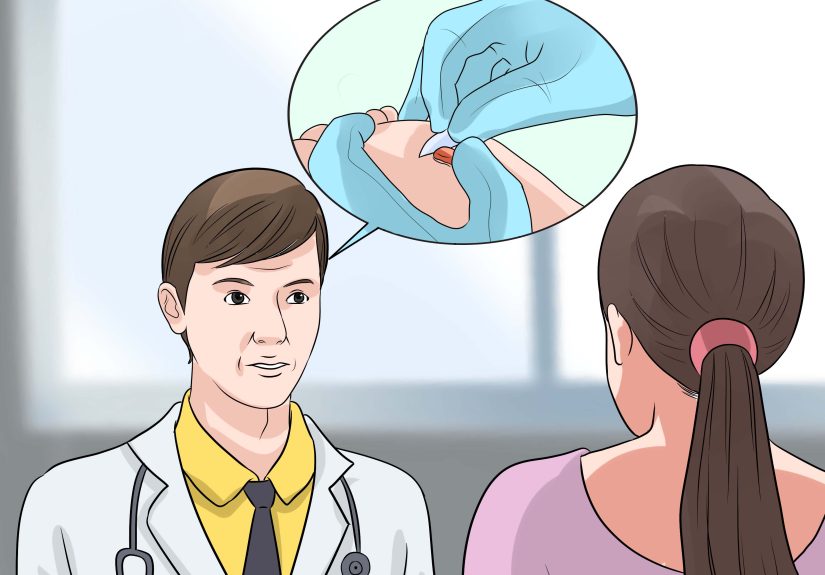
If a keloid is growing, painful, itchy, frequently irritated, or cosmetically distressing, professional treatment is often the most effective route. Many treatment plans use combination therapy because keloids have a high tendency to recur, and stacking treatments improves the odds.
1) Corticosteroid injections (intralesional steroids)
These injections are a common first-line treatment. They can help reduce inflammation and collagen production, which may flatten and soften the keloid and improve itching or tenderness. Treatments are usually repeated over multiple visits.
Possible downsides: Skin thinning, small dents, or lightening/darkening of the skin can occur in the treated area. Your clinician can adjust dose and spacing to lower risk.
2) Cryotherapy (freezing)
Cryotherapy uses extreme cold (often liquid nitrogen) to shrink scar tissue. It may be especially useful for smaller keloids and is sometimes combined with steroid injections for better results.
Possible downsides: Changes in skin pigment can occur, which is particularly important to discuss if you have a deeper skin tone.
3) Laser therapy
Laser treatment may reduce redness and improve texture. For keloids, lasers are often used alongside injections or other therapies rather than as a solo act. Some lasers can also help improve medication penetration when combined with topical or injected treatments.
4) Surgical removal (excision) usually with “backup” treatment
Surgery can remove the bulk of a keloid, but here’s the plot twist: surgery alone can lead to recurrence and sometimes an even larger keloid. That’s why clinicians often pair excision with additional treatments like steroid injections, pressure therapy (especially for earlobes), silicone therapy, and in selected cases, postoperative radiation.
5) Radiation therapy (carefully selected cases)
Low-dose radiation may be used after surgical removal to reduce recurrence risk by targeting scar-forming cells. This is typically reserved for more severe or recurrent keloids and is planned carefully due to the nature of radiation exposure.
6) Other injections and combination approaches
When standard options aren’t enough, some specialists use additional intralesional medications (such as 5-fluorouracil or other agents) in combination with steroids. These approaches can be helpful for certain stubborn keloids, but they’re individualized and depend on scar location, size, skin type, and prior treatments.
What to expect: timeline, results, and recurrence
Keloid treatment is usually more “marathon” than “makeover.” Even with excellent care, keloids can be persistent. Your best outcomes often come from:
- Early treatment (newer keloids are often easier to calm down)
- Consistency with at-home maintenance (like silicone)
- Combination therapy when needed
- Prevention planning if you’re prone (especially before piercings, tattoos, elective procedures)
When should you see a dermatologist?
Consider a professional evaluation if:
- The scar is growing beyond the original wound
- You have significant itching, pain, burning, or tenderness
- The keloid is frequently irritated by clothing/jewelry
- You’re considering removal (because strategy matters)
- You’ve had keloids before and want a prevention plan
How to prevent keloids if you’re prone
If you know you form keloids, prevention becomes your superpower:
- Avoid unnecessary skin trauma (especially piercings in high-risk areas)
- Discuss prevention steps before elective procedures
- Follow wound care instructions carefully after injuries or surgery
- Ask about early silicone therapy once skin is healed, if appropriate
- Get acne treated early if you tend to scar on the chest/back
Bottom line: can home remedies help remove keloid scars?
Home remedies rarely remove keloid scarsbut smart home care can absolutely support keloid management. If you want the best “at-home” starting point, silicone gel sheets or silicone gel are often the most practical, evidence-supported option. For meaningful flattening of established keloids, professional treatments (especially steroid injections and combination approaches) usually offer the strongest results.
If you’re feeling stuck, don’t treat that as a personal failure. Keloids are biologically stubborn. The goal is progress: flatter, softer, less itchy, less noticeable, and less likely to return.
Experiences People Commonly Have With Keloid Scars (And What They Learn Along the Way)
When people talk about keloids, the story is often about more than skinit’s about surprises, trial-and-error, and figuring out what’s actually worth the effort. A very common experience starts with something “minor,” like a small ear piercing bump. At first it may look like a normal healing issue, so people try to baby it with ointments, rotate the earring, orthanks to the internetapply everything from tea tree oil to vinegar. Then the bump keeps growing and becomes firm, shiny, and annoyingly persistent. That’s often the moment someone realizes this isn’t just a normal scar; it’s a keloid, and it needs a different strategy.
Another familiar pattern: someone gets acne on the chest or shoulders, the acne heals, and later a raised scar forms that slowly expands beyond the original spot. Because it doesn’t happen overnight, people often don’t connect it to the earlier acne. They’ll try a new “scar cream” for two weeks, see no change, and abandon itthen repeat that cycle with a different product. Many people eventually learn the same lesson: keloid management is less like a quick fix and more like training a very stubborn pet. The treatments that help most (like silicone or in-office injections) tend to be the ones that require patience and consistency.
For those who try silicone sheets seriously, the experience is usually mixed but instructive. Some people love the simplicityapply, forget, go about lifeuntil reality hits: the sheet peels up on high-movement areas, or sweat makes it itchy, or the adhesive loses grip. People who stick with it often become accidental engineers, experimenting with trimming pieces, rotating between gel and sheets, and scheduling “silicone time” like it’s part of their morning routine. Many report that silicone doesn’t make a keloid vanish, but it can make the scar feel less tight and look less raised over timeespecially if the keloid is newer.
Those who pursue steroid injections often describe them as the first treatment that feels “real.” The keloid may soften after a couple of sessions, and itchiness can calm down. But people also learn that injections are not a one-and-done deal. It can take multiple visits, and changes may be gradual. Some experience temporary tenderness, or notice skin lightening or thinning in the treated arealeading to another common takeaway: it matters who treats you, and it matters that the plan is tailored to your skin type and scar location.
Perhaps the most emotionally relatable experience is frustration with recurrence. People often assume that if a scar is removed surgically, it’s gone. Then they discover the hard truth: keloids can come back, sometimes bigger, especially if surgery isn’t paired with preventive follow-up like silicone, pressure therapy, injections, or in select cases, radiation. Many people who have been through this become strong advocates for combination therapy and for asking detailed questions up front: “What’s the plan to prevent regrowth?” and “What maintenance do I need after the procedure?”
Finally, a quieter but important theme is confidence. People learn to choose clothing that reduces friction, to protect scars from sun, to stop picking at texture when stressed, and to seek treatment for symptoms (like itch or pain) instead of focusing only on appearance. Over time, many find that the “best” outcome isn’t perfectionit’s a scar that no longer dominates their day.