Table of Contents >> Show >> Hide
- What Does “¿Cómo estás?” Mean in Spanish?
- How to Answer “¿Cómo estás?” Naturally
- 13 Easy Answers to “¿Cómo estás?” in Spanish
- 1. Bien, gracias. Good, thanks.
- 2. Muy bien. Very well.
- 3. Muy bien, gracias. Very well, thanks.
- 4. Estoy bien. I’m fine.
- 5. Todo bien. Everything’s good.
- 6. Bastante bien. Pretty well.
- 7. Más o menos. So-so.
- 8. Regular. Okay / so-so.
- 9. No muy bien. Not very well.
- 10. Mal. Bad.
- 11. Muy mal. Very bad.
- 12. Excelente. Excellent.
- 13. Bien, ¿y tú? Good, and you?
- Formal vs. Informal Replies: Which One Should You Use?
- Common Mistakes Learners Make
- Mini Dialogue Examples You Can Actually Use
- Which Answer Sounds Most Natural?
- Final Thoughts
- Experiences Learners Often Have When Using “¿Cómo estás?”
- SEO Tags
If you have ever said hola with confidence and then instantly forgotten every Spanish word you have ever learned the moment someone replied, welcome to the club. It is a large club. It is a nervous club. It is a club powered almost entirely by panic and flashcards.
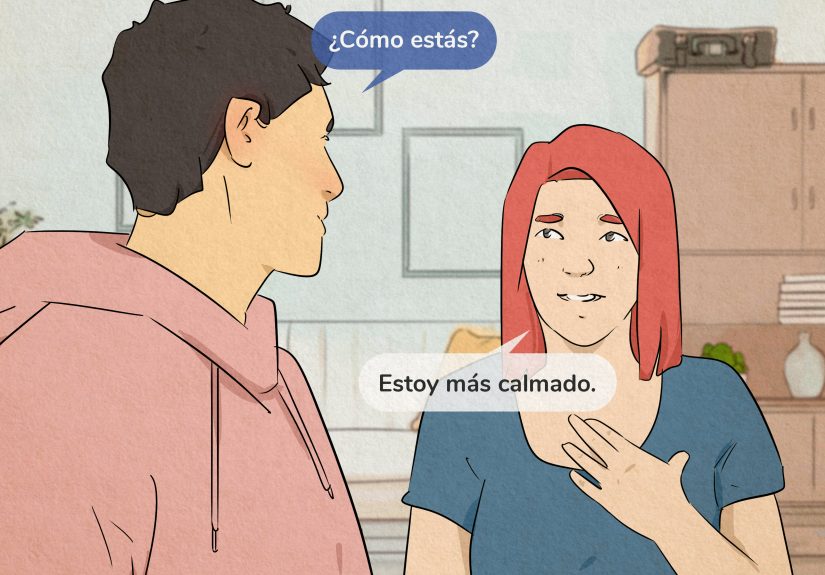
One of the most common greetings you will hear in Spanish is ¿Cómo estás? It means “How are you?” and it shows up everywhere: classrooms, cafés, work chats, travel conversations, and those brave moments when you try to order food in Spanish without pointing at the menu like a confused archaeologist. The good news is that answering it is much easier than most learners think.
In this guide, you will learn exactly how to respond to ¿Cómo estás? in Spanish, when to sound casual, when to sound polite, and which answers are easy enough to remember even when your brain has temporarily left the building. We will also look at mini examples, common mistakes, and some real-life experiences that make this tiny question much more useful than it looks.
What Does “¿Cómo estás?” Mean in Spanish?
¿Cómo estás? is the informal way to say “How are you?” in Spanish. You would usually use it with friends, classmates, siblings, coworkers you know well, or people around your age in relaxed situations. Think of it as friendly, normal, and extremely common.
If you need to be more polite, Spanish often switches to ¿Cómo está? or ¿Cómo está usted? That version is better for formal situations, older adults, teachers, customers, interviewers, or anyone you want to address respectfully. In other words, when in doubt, a little politeness never hurts. It is the verbal equivalent of showing up with clean shoes.
Why the Accent Marks Matter
Write it as ¿Cómo estás? with accents. Without them, como estas looks wrong and can change the meaning of the words. Spanish is not being dramatic here. Those tiny marks do real work, so give them the respect they deserve.
How to Answer “¿Cómo estás?” Naturally
Most answers are short. You do not need a full speech, a weather report, and a philosophical update on your soul. In fact, Spanish often sounds more natural when the reply is quick and simple. A one-word answer can be completely fine.
Here is the basic pattern:
Answer + optional thanks + optional return question
For example:
Bien, gracias. ¿Y tú? = Good, thanks. And you?
That one answer alone can carry you through an impressive number of conversations. But let us give you more range than a microwave dinner.
13 Easy Answers to “¿Cómo estás?” in Spanish
1. Bien, gracias. Good, thanks.
This is the safest answer in the Spanish-speaking universe. It is polite, simple, and works almost everywhere. If you only memorize one reply, make it this one. It is not flashy, but neither is a seatbelt, and both are excellent choices.
Example: Hola, Ana. ¿Cómo estás? Bien, gracias.
2. Muy bien. Very well.
Use this when you want to sound a little more upbeat. It is short, positive, and easy to remember. It works in casual conversations and can also fit many polite situations.
Example: ¿Cómo estás? Muy bien.
3. Muy bien, gracias. Very well, thanks.
This is just the slightly warmer cousin of Bien, gracias. It sounds friendly and complete without turning into a TED Talk. Great for everyday use.
Example: Buenos días. ¿Cómo está? Muy bien, gracias.
4. Estoy bien. I’m fine.
This one is a full sentence, which can feel helpful for beginners. Native speakers often shorten replies to simply bien, but Estoy bien is absolutely clear and correct.
Example: ¿Cómo estás hoy? Estoy bien.
5. Todo bien. Everything’s good.
This sounds relaxed and natural. It is the kind of answer you might use with friends or people you already know. It gives off a calm, no-dramatic-fire-to-report energy.
Example: ¿Qué tal? ¿Cómo estás? Todo bien.
6. Bastante bien. Pretty well.
This is useful when life is not perfect, but it is also not collapsing like a cheap folding chair. It sounds a little more nuanced than just bien.
Example: ¿Cómo estás? Bastante bien, gracias.
7. Más o menos. So-so.
Classic, practical, and extremely useful. Use this when you are okay-ish. Not great, not terrible, just somewhere in the middle where your coffee has not kicked in yet.
Example: ¿Cómo estás esta mañana? Más o menos.
8. Regular. Okay / so-so.
This also means “so-so” in many learning materials and common conversation contexts. It is a handy option when you want something slightly different from más o menos. It can sound more matter-of-fact.
Example: ¿Cómo te va? Regular.
9. No muy bien. Not very well.
This is a soft, polite way to say you are not doing great. It is useful because it communicates honesty without sounding extra dramatic. Sometimes subtlety is your best friend.
Example: ¿Cómo estás? No muy bien.
10. Mal. Bad.
Short, direct, and impossible to misunderstand. This works when you really are having a rough day. That said, because it is blunt, it usually fits best with people you know.
Example: ¿Cómo estás? Mal.
11. Muy mal. Very bad.
This is stronger than mal and should be used when you genuinely mean it. Save it for days when everything has gone wrong, your Wi-Fi has betrayed you, and your snack disappeared under suspicious circumstances.
Example: ¿Cómo estás después del examen? Muy mal.
12. Excelente. Excellent.
Cheerful, energetic, and beautifully simple. If you are in a great mood, this is a fun way to sound more positive than the usual bien. It can make your Spanish sound a little more lively.
Example: ¡Hola! ¿Cómo estás? Excelente.
13. Bien, ¿y tú? Good, and you?
This is one of the most useful answers because it keeps the conversation going. It also sounds friendly and natural. In formal situations, switch it to Bien, ¿y usted? Same idea, better manners.
Example: ¿Cómo está? Bien, ¿y usted?
Formal vs. Informal Replies: Which One Should You Use?
If the question is informal, your answer can usually be informal too. If the setting is formal, keep your reply polite. That does not mean Spanish turns into a tuxedo, but it does mean small choices matter.
Casual examples:
¿Cómo estás? Todo bien.
¿Qué tal? Más o menos.
Polite examples:
¿Cómo está? Muy bien, gracias. ¿Y usted?
Buenos días, ¿cómo está usted? Bien, gracias.
When you are unsure, choose the more polite version. Nobody has ever ruined a conversation by sounding respectfully normal.
Common Mistakes Learners Make
Using the wrong level of formality
A lot of learners memorize ¿Cómo estás? first and use it for absolutely everyone: teachers, bosses, strangers, and maybe the queen if given the chance. In many cases people will still understand you, but using ¿Cómo está? in formal situations sounds smoother and more respectful.
Answering with a giant paragraph
In English, “How are you?” is often just a social greeting. In Spanish, it can be a real question too, but short answers are still very common. You usually do not need to explain your back pain, lunch plans, emotional development, and browser history.
Forgetting to ask back
Bien, ¿y tú? or Bien, ¿y usted? is conversational gold. It keeps the exchange balanced and friendly. Think of it as tossing the ball back instead of proudly holding it like a squirrel with a stolen peanut.
Spelling it without accents
Again: ¿Cómo estás? Please do not let the accents wander off unsupervised.
Mini Dialogue Examples You Can Actually Use
With a friend
A: Hola, ¿cómo estás?
B: Todo bien, ¿y tú?
A: Muy bien.
With a teacher or customer
A: Buenos días, ¿cómo está?
B: Muy bien, gracias. ¿Y usted?
A: Bien, gracias.
On a rough day
A: ¿Cómo estás?
B: No muy bien.
A: ¿Qué pasó?
Notice how the answer shapes what happens next. A cheerful answer keeps things light. A more honest answer can open the door to a deeper conversation.
Which Answer Sounds Most Natural?
For beginners, the most natural and useful options are usually these:
Bien, gracias.
Muy bien.
Bien, ¿y tú?
Bien, ¿y usted?
Más o menos.
Those cover happy, polite, neutral, and mildly grumpy. That is already a pretty good starter pack for human interaction.
Final Thoughts
Learning how to respond to ¿Cómo estás? in Spanish is one of those small skills that pays off immediately. It makes your Spanish sound more natural, helps you survive real conversations, and gives you a little confidence boost every time you use it correctly. And confidence, frankly, is half the battle when learning a language. The other half is pretending you meant to say the weird thing you just said.
Start with one or two replies you like. Practice them out loud. Add a formal version. Then keep a follow-up ready, such as ¿Y tú? or ¿Y usted? Once that becomes automatic, Spanish greetings stop feeling like a test and start feeling like, well, a conversation.
That is when language learning gets fun. Also slightly less sweaty.
Experiences Learners Often Have When Using “¿Cómo estás?”
One of the funniest things about learning Spanish is how often ¿Cómo estás? shows up before you feel ready for it. Many learners study greetings on a quiet afternoon, feel pretty confident, and then freeze the first time a real person says the phrase at normal speed. Suddenly the simple question sounds like a machine-generated blur, and the learner who knew five solid answers five minutes ago can only smile like a very polite statue.
A common experience happens in class. A teacher walks in, smiles, and says, “¿Cómo están?” Half the room confidently says, “Bien,” three students answer in English, one person says “gracias” for no clear reason, and someone in the back nods with the deep seriousness of a person buying time. This is completely normal. Language learning is messy, and greetings are often the first place where that mess becomes visible.
Travel creates another classic moment. You walk into a café, the staff member says, “Hola, ¿cómo estás?” and for one glorious second you think, “This is it. My moment.” You answer, “Muy bien, gracias. ¿Y tú?” and the whole exchange feels amazing. It is only three seconds long, but it feels like winning a tiny international award. Those small victories matter because they prove that your Spanish works outside a textbook.
There is also the experience of discovering that tone matters. A learner may memorize mal and use it too casually, only to realize it sounds stronger than intended. Another learner says muy bien so enthusiastically that it sounds like they just won the lottery when they were really just buying toothpaste. Over time, students learn that vocabulary is only part of communication. Rhythm, context, facial expression, and who you are talking to all shape what your answer feels like.
Many people also remember the moment they first used the formal version correctly. Saying Bien, ¿y usted? to a teacher, customer, older neighbor, or host family member can feel surprisingly satisfying. It is a small sign that you are not just translating words anymore. You are noticing social cues and responding in a more culturally aware way. That is a big step in real language growth.
Eventually, ¿Cómo estás? stops being a scary question and becomes a familiar doorway into conversation. You stop rehearsing every syllable. You stop panicking. You start answering naturally. And one day, without even realizing it, you ask the question back and keep the conversation moving. That is the magic of beginner Spanish: one tiny phrase, repeated often enough, turns into confidence.