Table of Contents >> Show >> Hide
- Why Staying Underwater Feels Harder Than It Looks
- Safety First: Read This Before Going Underwater
- Step 1: Get Comfortable With Your Face in the Water
- Step 2: Use a Calm, Normal Breath
- Step 3: Submerge Slowly Instead of Dropping Fast
- Step 4: Exhale Slowly Through Your Nose or Mouth
- Step 5: Adjust Your Buoyancy Carefully
- Step 6: Keep Your Body Long and Streamlined
- Step 7: Use Gentle Kicks to Stay Down or Move Forward
- Step 8: Use Your Hands for Control
- Step 9: Practice in Shallow Water First
- Step 10: Learn How to Surface Smoothly
- Common Mistakes When Trying to Stay Underwater
- How to Stay Underwater Longer Safely
- What to Do If Water Gets in Your Nose
- What to Do If Your Ears Feel Uncomfortable
- Simple Beginner Drill: The Three-Second Submerge
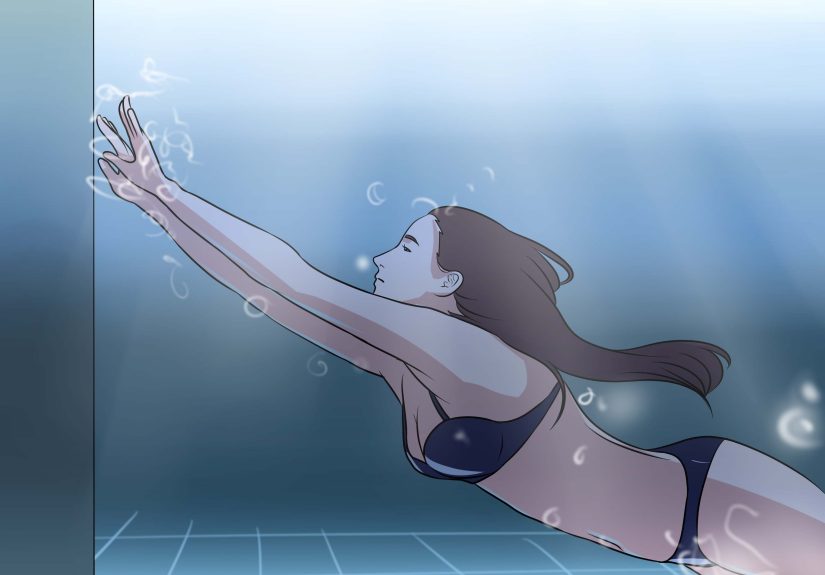
- Intermediate Drill: Wall Push and Glide
- Advanced Comfort Skill: Staying Low Without Struggling
- Who Should Be Extra Careful?
- Experiences Related to Staying Underwater in a Swimming Pool
- Conclusion
Staying underwater in a swimming pool sounds simple until your body behaves like a surprised pool noodle and pops back to the surface. The good news is that learning how to stay underwater is not about fighting the water like it owes you money. It is about understanding buoyancy, breathing calmly, using smart body positioning, andmost importantlypracticing safely.
This guide explains how to stay underwater in a swimming pool for short, controlled moments, whether you are practicing swimming skills, retrieving a diving toy, improving comfort in the water, or simply trying not to look like a human cork. It is not a guide to extreme breath-holding, underwater challenges, or pushing your limits. Pool safety comes first, second, and third. Looking cool underwater is somewhere around number 47.
Why Staying Underwater Feels Harder Than It Looks
Humans are naturally buoyant because our lungs hold air, and air helps us float. When you take a big breath, your chest becomes a built-in flotation device. That is helpful when you want to stay at the surface, but less helpful when you want to sink gently beneath it.
Body composition, lung volume, body position, and movement all affect whether you float, sink, or hover. Some swimmers can relax underwater easily, while others feel as if the pool has personally rejected their request to submerge. Neither reaction is strange. Water responds to physics, not confidence speeches.
Safety First: Read This Before Going Underwater
Before learning underwater techniques, it is important to understand one rule: never practice underwater swimming or breath control alone. Even strong swimmers can get into trouble if they hold their breath too long, hyperventilate, or ignore the urge to breathe.
Never Hyperventilate Before Going Underwater
Do not take repeated deep, fast breaths before submerging. Hyperventilating can lower carbon dioxide levels in your blood and delay the natural urge to breathe. That may sound useful, but it is dangerous because your oxygen level can drop before your body gives you a strong warning signal. This can lead to hypoxic blackout, which can happen quickly and silently.
Do Not Try to Set Breath-Holding Records
This article is about staying underwater briefly and safely, not winning a contest with your lungs. Avoid breath-holding games, underwater distance challenges, and dares. If you feel uncomfortable, lightheaded, panicky, or strongly need air, surface immediately.
Use the Buddy System
Practice with another responsible person nearby, preferably in a supervised pool with a lifeguard. Children should always be closely watched by an adult. A safe pool session is one where everyone goes home tired, happy, and maybe smelling faintly like chlorinenot one where someone has to become a rescue story.
Step 1: Get Comfortable With Your Face in the Water
If putting your face underwater makes your brain shout, “Absolutely not,” start small. Stand in shallow water, hold the pool wall, and lower your mouth and nose into the water. Practice blowing bubbles gently through your nose or mouth.
Bubble practice teaches breath control and helps your body understand that water on your face is not an emergency. Try short rounds: inhale above the surface, dip your face in, exhale slowly as bubbles, then lift your head. Repeat until it feels ordinary.
Step 2: Use a Calm, Normal Breath
Before going underwater, breathe normally. Take one relaxed inhalenot a giant gulp that makes your shoulders rise to your ears. A comfortable breath gives you enough air for a short submersion without making you overly buoyant or tense.
A huge breath can make it harder to stay down because it increases flotation. On the other hand, exhaling too much can make you uncomfortable quickly. Aim for balance: enough air to feel calm, not so much that you become a balloon with goggles.
Step 3: Submerge Slowly Instead of Dropping Fast
To go underwater, bend your knees, lower your body, and let your head slip below the surface. If you are in shallow water, you can gently push down with your hands or hold the pool wall for control. Avoid jumping into shallow areas or diving unless the pool is clearly marked for diving and you know proper technique.
Once your head is underwater, pause. Let your body adjust. The first goal is not to stay down for a long time. The goal is to feel calm while submerged for a few seconds.
Step 4: Exhale Slowly Through Your Nose or Mouth
One of the best ways to feel more controlled underwater is to release a slow stream of bubbles. This prevents the “chipmunk cheeks of panic” effect and helps you avoid holding tension in your face and chest.
Many swimmers use steady bubble-blowing as part of breathing rhythm. When your face is underwater during swimming, exhaling gently helps prepare you to inhale when you return to the surface. The trick is not to blast all your air out at once. Think slow leak, not popped tire.
Step 5: Adjust Your Buoyancy Carefully
If you keep floating up, it may be because your lungs are full of air, your body is tense, or your legs are drifting upward. To stay underwater briefly, relax your body and let out a small amount of air. This can reduce buoyancy enough to help you settle lower.
Do not force yourself to stay down by emptying your lungs completely. That can create discomfort and increase urgency. Instead, practice small adjustments. A gentle exhale can help you descend slightly; a fuller breath can help you rise.
Step 6: Keep Your Body Long and Streamlined
Body position matters. If you curl up tightly, wave your arms wildly, or kick in random directions, you create drag and waste energy. A streamlined body is easier to control underwater.
Try this position:
- Keep your head in line with your spine.
- Extend your arms in front of you or keep them gently at your sides.
- Point your toes lightly.
- Relax your shoulders and neck.
- Move slowly and deliberately.
The calmer your body, the less oxygen you use. The less oxygen you use, the more comfortable a short underwater moment feels.
Step 7: Use Gentle Kicks to Stay Down or Move Forward
If you want to move underwater, use small, steady kicks rather than big splashes. Flutter kicks work well for beginners. Keep your legs mostly straight but not stiff, and kick from the hips instead of only from the knees.
If your legs sink, kick lightly. If your legs float too high, angle your body slightly downward. Underwater movement should feel smooth, not frantic. Imagine you are a calm dolphin, not a blender with feet.
Step 8: Use Your Hands for Control
Your hands can help you balance underwater. Small sculling motionsgentle side-to-side movements with your handscan help you stay level. You can also press your palms slightly downward to help keep your body submerged for a moment.
Avoid pushing hard or flailing. Big movements burn energy and make you want air sooner. Small movements give you more control and make underwater swimming feel easier.
Step 9: Practice in Shallow Water First
Start where you can stand comfortably. Shallow water lets you stop at any time by simply standing up. Practice dipping below the surface, blowing bubbles, relaxing your body, and resurfacing calmly.
Once you are comfortable, you can practice short underwater glides from the wall. Push off gently, glide for a second or two, blow bubbles, then stand up or surface. Keep the distance short and easy.
Step 10: Learn How to Surface Smoothly
Knowing how to come back up is just as important as going down. When you are ready to surface, look slightly upward, press down with your hands, and kick gently. As your face reaches the air, exhale any remaining bubbles and take a normal breath.
Do not wait until you are desperate for air. Surface while you still feel in control. Safe swimmers do not negotiate with their lungs at the last second.
Common Mistakes When Trying to Stay Underwater
Mistake 1: Taking Too Big of a Breath
A giant breath makes you float more. Use a calm, comfortable inhale instead.
Mistake 2: Holding Your Face Too Tightly
Tension wastes energy. Relax your jaw, cheeks, neck, and shoulders.
Mistake 3: Kicking Too Hard
Powerful kicks may push you upward or tire you out. Use smaller, smoother kicks.
Mistake 4: Practicing Alone
Never practice underwater breath control without supervision. Even experienced swimmers need safety backup.
Mistake 5: Ignoring Discomfort
If you feel dizzy, anxious, cold, tired, or out of breath, stop and rest. The pool will still be there after your break. It is not going anywhere unless someone has invented portable swimming pools with commitment issues.
How to Stay Underwater Longer Safely
The safest way to improve underwater comfort is not to force longer breath holds. Instead, improve relaxation, swimming efficiency, and breathing rhythm. Take swim lessons if possible. A trained instructor can help you correct body position, reduce wasted movement, and build confidence.
Focus on these safe improvements:
- Practice steady bubble-blowing.
- Improve floating and gliding skills.
- Learn efficient kicking.
- Stay relaxed before submerging.
- Surface before you feel urgent discomfort.
- Rest between attempts.
Over time, your underwater confidence may improve naturally because you are using less energy. Comfort comes from skill, not from forcing yourself to suffer underwater like a dramatic movie submarine captain.
What to Do If Water Gets in Your Nose
Water in the nose is one of the most common reasons beginners dislike going underwater. To reduce this problem, exhale gently through your nose while submerged. The outward flow of air helps keep water from rushing in.
You can also practice humming underwater. Humming naturally releases air through the nose and can make the sensation less intimidating. If nose discomfort continues, a swim instructor may suggest a nose clip for certain drills.
What to Do If Your Ears Feel Uncomfortable
In a normal swimming pool, ear pressure is usually mild, especially in shallow water. If your ears feel uncomfortable, do not force yourself deeper. Stay shallow, rise slowly, and stop if pain continues.
After swimming, dry your ears gently with a towel. Tilt your head to each side to help water drain. People who are prone to swimmer’s ear may benefit from earplugs, but it is smart to ask a healthcare professional for advice, especially for children or anyone with ear tubes, repeated infections, or ear pain.
Simple Beginner Drill: The Three-Second Submerge
This drill builds comfort without pushing limits.
- Stand in chest-deep or waist-deep water.
- Hold the pool wall if needed.
- Take one calm breath.
- Lower your face underwater.
- Blow bubbles slowly for three seconds.
- Lift your head and breathe normally.
- Rest before repeating.
Once three seconds feels easy, focus on staying relaxed rather than adding time. Smoothness matters more than duration.
Intermediate Drill: Wall Push and Glide
This drill helps you feel streamlined underwater.
- Stand facing the pool wall in shallow water.
- Place both feet against the wall.
- Extend your arms forward.
- Take a relaxed breath and put your face in the water.
- Push off gently and glide.
- Blow bubbles as you move.
- Stand up or surface after a short glide.
Keep the glide short. You are practicing control, not auditioning to be a torpedo.
Advanced Comfort Skill: Staying Low Without Struggling
If you are already a comfortable swimmer, you can practice staying lower in the water by combining body angle, gentle exhaling, and controlled kicks. Start near the wall or in a lane where you are not blocking others.
Angle your chest slightly downward, release a slow stream of bubbles, and use small kicks to maintain position. Keep your hands quiet. Surface early and rest. The goal is graceful control, not maximum time underwater.
Who Should Be Extra Careful?
Some swimmers should take extra precautions before underwater practice. This includes young children, beginners, older adults, people with seizure disorders, people with heart or lung conditions, people taking medications that affect balance or alertness, and anyone who feels anxious in water.
If you have a medical condition, ask a healthcare professional before practicing underwater swimming. If you are new to swimming, take lessons from a qualified instructor. There is no shame in learning correctly. Even Olympic swimmers once had to figure out which end of the pool was doing what.
Experiences Related to Staying Underwater in a Swimming Pool
Many people first try to stay underwater as children, usually because a bright plastic diving ring has sunk to the bottom and suddenly become the most important treasure in the universe. The first attempt often goes like this: big breath, dramatic plunge, instant floating, confused kicking, accidental nose water, and a quick return to the surface with the facial expression of someone who has just lost an argument with gravity.
That experience is normal. Staying underwater is not only about courage; it is about learning how water supports the body. One swimmer may sink easily, while another pops up no matter what they do. The difference can come from lung volume, body fat percentage, muscle density, body position, and how tense the person feels. Beginners often think they need more effort, but usually they need less. Relaxed bodies are easier to control than stiff ones.
A useful real-world experience is practicing with a friend in the shallow end. The swimmer starts by holding the wall, dipping the face under, and blowing bubbles. At first, three seconds may feel like a long underwater vacation. After several relaxed tries, the swimmer notices that the water feels less shocking. The sound becomes softer. The body stops fighting. The mind finally says, “Fine, maybe we are not being attacked by soup.”
Another common experience is learning that a huge breath is not always helpful. Many beginners inhale as much air as possible, then wonder why they cannot stay down. Their lungs act like flotation tanks. When they switch to a comfortable breath and slowly release bubbles, they often find it easier to settle below the surface for a short moment. That small adjustment can make underwater practice feel completely different.
Swimmers also discover that movement matters. Fast kicking and wild arm motions create panic and use oxygen quickly. Slow, narrow kicks and quiet hands feel better. A short glide from the wall can teach this beautifully. Push off, stretch long, blow bubbles, and let the water carry you. For one or two seconds, everything feels smooth. Then you stand up, breathe, and realize underwater swimming is not magicit is technique wearing goggles.
For adults, the emotional side can be just as important as the physical side. Some adults feel embarrassed because they are not comfortable underwater. But pools do not grade people. They simply provide water and a slightly suspicious amount of echo. Starting with tiny, safe steps is enough. A person who can calmly put their face in the water today may be able to glide tomorrow and retrieve a sinking toy next week.
The best experience is when underwater practice becomes calm instead of dramatic. You stop rushing. You stop forcing. You learn to breathe normally before going under, exhale gently while submerged, and come up before discomfort takes over. That is the sweet spot: safe, controlled, and surprisingly satisfying.
Conclusion
Learning how to stay underwater in a swimming pool is really about learning how to work with water instead of wrestling it. Start in shallow water, practice with supervision, use calm breathing, blow bubbles slowly, relax your body, and move with control. Avoid hyperventilation, breath-holding contests, and long underwater attempts. The safest swimmers are not the ones who stay under the longest; they are the ones who know when to surface.
With patience and smart practice, underwater swimming can become more comfortable, controlled, and enjoyable. Keep it safe, keep it simple, and remember: the pool is not impressed by panic. It rewards calm technique.
Note: Practice underwater skills only for short, comfortable periods, never alone, and never after hyperventilating. If you are new to swimming or feel anxious in the water, work with a qualified swim instructor or practice in a supervised pool.