Table of Contents >> Show >> Hide
- What Is the Third Eyelid in Cats?
- Common Causes of Third Eyelid Protrusion in Cats
- How to Treat Third Eyelid Protrusion in Cats: 8 Steps
- Step 1: Observe the Eye Without Touching It
- Step 2: Decide Whether It Is an Emergency
- Step 3: Keep the Eye Clean, Gently
- Step 4: Prevent Rubbing and Self-Trauma
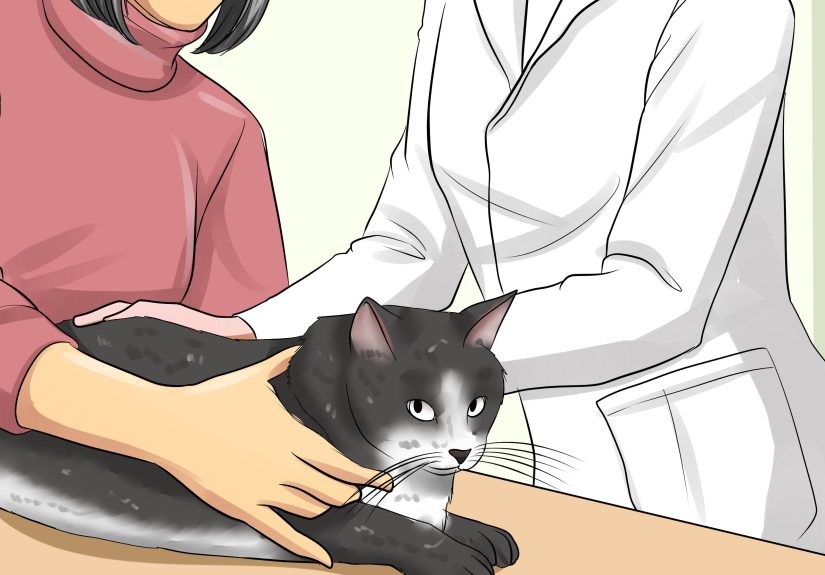
- Step 5: Schedule a Veterinary Exam for Diagnosis
- Step 6: Follow the Specific Treatment Plan
- Step 7: Avoid Dangerous Home Treatments
- Step 8: Monitor Recovery and Prevent Recurrence
- When One Eye Is Affected vs. Both Eyes
- How Veterinarians May Diagnose the Problem
- Practical Experience: What Cat Owners Often Learn the Hard Way
- Conclusion
Note: This article is for educational purposes and is not a replacement for a veterinary exam. A visible third eyelid can be a small clue or a big red flag, so when in doubt, let a veterinarian be the detective.
If your cat suddenly looks like it has a tiny pink curtain sliding across one or both eyes, you may be seeing the third eyelid, also called the nictitating membrane. Cats are mysterious enough already; they do not need bonus eyelids appearing like a plot twist. Still, this membrane is normal anatomy. It helps protect the eye, spread tears, and sweep away small debris. The problem begins when it stays visible, looks swollen, appears red, or comes with squinting, discharge, appetite changes, or that classic “I am not feeling fabulous” cat expression.
Third eyelid protrusion in cats is not a disease by itself. It is a sign. The cause may be eye irritation, conjunctivitis, corneal injury, dehydration, gastrointestinal upset, Horner’s syndrome, a prolapsed tear gland, trauma, infection, or another underlying illness. That is why the smartest treatment plan is not “poke it and hope.” The right move is to observe carefully, protect the eye, and get veterinary guidance before using any medication.
This guide explains how to treat third eyelid protrusion in cats in eight practical steps, with real-world examples, safety tips, and enough common sense to keep both you and your whiskered roommate calm.
What Is the Third Eyelid in Cats?
The third eyelid sits near the inner corner of the eye and can move diagonally across the eyeball. In healthy cats, it usually hides out of sight, like a shy stagehand. You might briefly notice it when your cat is sleepy, waking up, recovering from anesthesia, or deeply relaxed. A momentary glimpse is usually not alarming.
However, a third eyelid that remains visible for hours, covers part of the eye, appears in both eyes, or comes with other symptoms deserves attention. One eye showing the third eyelid may suggest local eye pain, injury, infection, or nerve changes. Both eyes showing it can happen with systemic illness, dehydration, gastrointestinal problems, parasites, or Haw’s syndrome. The pattern matters, but it does not replace a proper exam.
Common Causes of Third Eyelid Protrusion in Cats
Before treating anything, you need to understand what may be behind the symptom. Common causes include:
- Conjunctivitis: Inflammation of the tissue around the eye, often linked to viral or bacterial infections, allergies, or irritants.
- Corneal ulcers or scratches: Painful injuries on the clear surface of the eye. These can worsen quickly without treatment.
- Foreign bodies: Dust, plant material, litter particles, or tiny debris trapped around the eye.
- Horner’s syndrome: A neurological condition that may cause a protruding third eyelid, small pupil, droopy upper eyelid, and sunken-looking eye.
- Haw’s syndrome: A condition often involving both third eyelids, sometimes associated with diarrhea or gastrointestinal upset.
- Cherry eye: Prolapse of the gland of the third eyelid, usually seen as a pink or red mass near the inner corner of the eye. It is less common in cats than dogs but can happen.
- Dehydration or general illness: Sick cats may show their third eyelids when their body is under stress.
- Trauma: Falls, scratches, fights, or accidents can cause eye pain and third eyelid elevation.
How to Treat Third Eyelid Protrusion in Cats: 8 Steps
Step 1: Observe the Eye Without Touching It
The first step is simple: look, do not poke. Cats are not fond of amateur ophthalmology, and the eye is delicate. Check whether the third eyelid is showing in one eye or both. Notice the color of the membrane. A pale pink third eyelid may be less alarming than a bright red, swollen, or angry-looking one, but both still deserve monitoring.
Look for squinting, blinking, tearing, pawing at the face, cloudiness, unequal pupils, blood, swelling, or discharge. Clear watery discharge may occur with irritation, while yellow, green, or thick discharge often suggests infection or inflammation. If your cat is hiding, refusing food, acting painful, or keeping the eye shut, treat the situation as urgent.
Take a clear photo or short video in good lighting. This helps your veterinarian see what happened, especially if the third eyelid plays peekaboo and disappears during the appointment like it has hired a lawyer.
Step 2: Decide Whether It Is an Emergency
Some cases can wait for a regular veterinary appointment within a day or two. Others need same-day or emergency care. Contact a veterinarian right away if your cat has any of these warning signs:
- The eye is held closed or your cat is squinting constantly.
- There is thick, yellow, green, bloody, or foul-smelling discharge.
- The eye looks cloudy, blue, enlarged, or misshapen.
- Your cat is pawing at the eye or rubbing the face on furniture.
- There has been trauma, a fight, a fall, or possible chemical exposure.
- The pupils are different sizes.
- Your cat is lethargic, vomiting, has diarrhea, or will not eat.
- The third eyelid remains visible for more than a few hours without an obvious sleepy-cat explanation.
Eye problems can move from “hmm, that looks odd” to “why is my wallet crying at the emergency clinic?” faster than many pet owners expect. Corneal ulcers, glaucoma, infections, and injuries need prompt treatment to protect vision and reduce pain.
Step 3: Keep the Eye Clean, Gently
If there is mild discharge, you can clean around the eye while waiting for veterinary advice. Use a clean cotton pad or soft gauze dampened with warm water. Wipe from the inner corner outward, using a fresh pad for each wipe. Do not scrub. Do not press on the eyeball. Do not use hydrogen peroxide, alcohol, essential oils, tea, vinegar, human eye drops, or anything from the “my cousin’s internet forum said…” category.
If debris is visible around the eyelids, sterile saline may help rinse the area, but avoid forcing liquid into the eye. Never try to remove something stuck to the eyeball. That job belongs to a veterinarian with proper equipment, staining tests, pain control, and a much better chance of not being scratched by an offended patient.
Step 4: Prevent Rubbing and Self-Trauma
Many eye conditions itch or hurt. A cat that paws at the eye can make a small problem worse, especially if there is a corneal scratch or ulcer. If your cat is rubbing, use an Elizabethan collar, soft recovery cone, or inflatable collar if you have one. It may make your cat look like a grumpy satellite dish, but it protects the eye.
Keep your cat indoors, away from dusty areas, rough play, other pets, and anything that could bump the face. If the eye looks painful, avoid handling the head more than necessary. Cats can be surprisingly fast when they decide your help is terrible.
Step 5: Schedule a Veterinary Exam for Diagnosis
Because third eyelid protrusion is a symptom, treatment depends on the cause. During the exam, your veterinarian may check vision, pupil size, eye pressure, tear production, eyelid position, and the cornea. A fluorescein stain test may be used to detect corneal ulcers or scratches. The vet may also examine the ears, mouth, lymph nodes, hydration status, and overall body condition.
If both third eyelids are showing, your veterinarian may ask about appetite, stool, vomiting, recent stress, parasite prevention, diet changes, and exposure to other cats. If Horner’s syndrome is suspected, the exam may include neurological checks and ear evaluation. If a mass, severe swelling, or prolapsed gland is present, referral to a veterinary ophthalmologist may be recommended.
Do not be surprised if the vet seems interested in parts of your cat that are not the eye. The eye can be a billboard for broader health issues. Cats, being cats, prefer to write their medical complaints in tiny cryptic fonts.
Step 6: Follow the Specific Treatment Plan
Once the cause is identified, treatment may include one or more of the following:
- Antibiotic eye medication: Used when bacterial infection or a secondary infection is suspected.
- Antiviral treatment: Sometimes used for feline herpesvirus-related eye disease.
- Lubricating drops or ointment: Helpful when the eye is dry, exposed, or irritated.
- Anti-inflammatory medication: Used only when appropriate and prescribed by a veterinarian.
- Pain relief: Eye pain is real pain. Cats may hide it, but they are not tiny stoic monks.
- Parasite treatment: May be recommended if worms or gastrointestinal causes are suspected.
- Supportive care: Fluids, bland diet, or other care may be needed if dehydration or stomach upset is involved.
- Surgery: Necessary in some cases of cherry eye, eyelid abnormalities, masses, or serious structural problems.
Use medications exactly as directed. If your cat receives eye drops, wash your hands first, avoid touching the bottle tip to the eye, and reward your cat afterward. A treat can turn “betrayal with liquid” into a slightly more acceptable business transaction.
Step 7: Avoid Dangerous Home Treatments
The internet is full of home remedies for cat eye problems. Many are useless; some are dangerous. Do not use leftover eye drops from another pet, human allergy drops, steroid drops, antibiotic ointment from your medicine cabinet, herbal rinses, or pain medications meant for people. Steroid drops can be especially risky if a corneal ulcer is present because they may worsen the damage.
Also, never try to push the third eyelid back into place. If it is protruding because of pain, inflammation, nerve dysfunction, or gland prolapse, forcing it will not solve the problem. It may add injury, stress, and a dramatic chase under the bed.
The safest home care is limited: observe, photograph, gently clean discharge from the fur, prevent rubbing, keep the cat indoors, and arrange veterinary care.
Step 8: Monitor Recovery and Prevent Recurrence
After treatment begins, watch for improvement in comfort, appetite, eye openness, discharge, and third eyelid position. Some conditions improve within days. Others, such as Haw’s syndrome or Horner’s syndrome, may take weeks to resolve depending on the cause. Follow-up visits matter, especially if the vet diagnosed a corneal ulcer, infection, or prolapsed gland.
To reduce future risk, keep your cat’s vaccinations current, manage parasites, reduce stress, avoid dusty litter when possible, maintain good hydration, and schedule routine wellness exams. For cats with recurring viral eye disease, your veterinarian may discuss stress reduction, immune support, or specific medications during flare-ups.
Recovery is not always perfectly linear. A cat may look better one day and squinty the next. If symptoms worsen, the third eyelid becomes more prominent, or your cat seems painful, contact the clinic instead of waiting it out.
When One Eye Is Affected vs. Both Eyes
One Eye Showing the Third Eyelid
When only one third eyelid is visible, veterinarians often think about local eye problems first. These may include a scratch, ulcer, foreign object, conjunctivitis, trauma, glaucoma, uveitis, or Horner’s syndrome. One-sided signs are especially concerning when paired with squinting, cloudiness, swelling, or unequal pupils.
Both Eyes Showing the Third Eyelids
When both third eyelids are visible, the cause may be systemic. Dehydration, gastrointestinal upset, intestinal parasites, viral illness, or Haw’s syndrome may be considered. Cats with Haw’s syndrome often have normal vision and may not seem painful, but they still need evaluation to rule out more serious conditions.
How Veterinarians May Diagnose the Problem
A veterinary diagnosis usually starts with a physical exam and eye exam. The vet may use a bright light and magnification to inspect the cornea, conjunctiva, eyelids, and third eyelid gland. Fluorescein dye can reveal corneal scratches or ulcers. Tonometry may check eye pressure if glaucoma or uveitis is a concern. Tear testing may be used if dryness is suspected.
In some cases, additional testing is needed. A cat with diarrhea may need fecal testing. A cat with suspected Horner’s syndrome may need an ear exam or imaging. A cat with a red mass at the inner eye may need ophthalmology referral. The goal is not just to make the third eyelid disappear; it is to fix the reason it appeared in the first place.
Practical Experience: What Cat Owners Often Learn the Hard Way
Many cat owners first notice third eyelid protrusion during a quiet moment. The cat jumps onto the couch, blinks slowly, and suddenly there it is: a pale pink membrane sliding across the eye like a tiny biological window shade. The first reaction is usually panic, followed by frantic searching, followed by staring at the cat until the cat decides humans are weird and leaves the room.
One common experience is that cats hide discomfort extremely well. A dog with eye pain may act obviously miserable. A cat may simply blink more, sleep in a closet, or skip half a meal. That is why subtle signs matter. If the third eyelid is visible and the cat is squinting, do not assume it is “just allergies.” Eye pain can look quiet.
Another lesson: discharge tells a story, but not the whole story. Clear tearing may happen with irritation, allergies, viral infection, or a blocked tear duct. Thick yellow or green discharge points more strongly toward infection or significant inflammation. But even a watery eye can hide a corneal ulcer. Owners who wait because the discharge is “only clear” sometimes discover later that the cat has been dealing with real pain.
Cat parents also learn that medication time requires strategy. Eye drops are easier when you prepare everything first. Put the medication within reach, wash your hands, place your cat on a stable surface, and approach calmly from behind or the side rather than straight at the face. Some cats do best wrapped loosely in a towel, also known as the “purrito method.” Give a treat immediately afterward, even if the performance involved betrayal, gymnastics, and one sock lost under the sofa.
Household environment can make a difference during recovery. Dusty litter, strong cleaning sprays, smoke, scented candles, and rough play can irritate sensitive eyes. A quiet recovery space with clean bedding, fresh water, and low stress helps. If there are multiple pets, separate them if wrestling, grooming, or face-batting is likely. Your recovering cat does not need a sibling reenacting a tiny boxing match.
Owners often feel tempted to use leftover medications. This is one of the biggest mistakes. A bottle that helped one cat last year may be wrong for the current problem. Some medications expire, become contaminated, or are unsafe for ulcers. Human eye drops are not automatically cat-safe. The eye is too important for guesswork.
Finally, many cases improve beautifully once the underlying cause is treated. A cat with conjunctivitis may look brighter after proper medication. A cat with Haw’s syndrome may gradually return to normal as the gastrointestinal issue resolves. A cat with cherry eye may need surgery, but preserving the gland helps maintain tear production and long-term comfort. The best experience is usually the boring one: early vet visit, correct diagnosis, careful treatment, follow-up, and a cat who returns to judging everyone from the windowsill.
Conclusion
Third eyelid protrusion in cats is not something to ignore, but it is also not a reason to panic like your cat has grown a secret alien accessory. The third eyelid is normal anatomy; persistent visibility is the clue. The best treatment is to identify the underlying cause, protect the eye from rubbing, avoid unsafe home remedies, and follow your veterinarian’s plan.
If your cat’s third eyelid appears briefly during sleepiness, monitor calmly. If it stays visible, affects one eye with pain, appears in both eyes with illness, or comes with discharge, squinting, cloudiness, trauma, or appetite changes, call your veterinarian. Fast action can protect vision, reduce pain, and help your cat get back to more important duties, such as napping in laundry baskets and supervising your life choices.