Table of Contents >> Show >> Hide
- First, A Reality Check: What “Wild Mice” Actually Want
- What I Built: Cute On The Outside, Practical On The Inside
- How I Knew They Loved It (Without Writing Fanfiction About Rodents)
- The Analysis Part: Why Tiny Villages Work (Even If Mice Don’t Care About Your Shingles)
- Keep It Wholesome: Health, Hygiene, And “Please Don’t Invite Mice Indoors”
- But Aren’t Mice Bad For Gardens?
- Humane Boundaries: How To Enjoy A Mouse Village Without Creating A Mouse Problem
- Conclusion: A Tiny Village, A Big Reminder
- Bonus: Of Real Experiences From The Mouse Village
It started the way many questionable garden projects do: with me holding a tiny “door” cut from scrap wood and
thinking, Surely this will not escalate. I’d been tidying up the yard after a long stretch of indoor living
(you know the vibeeveryone became a houseplant with Wi-Fi), and I kept noticing quick, polite little movements in
the hedges at dusk. Not a horror-movie skitter. More like a shy neighbor hustling home before the streetlights come on.
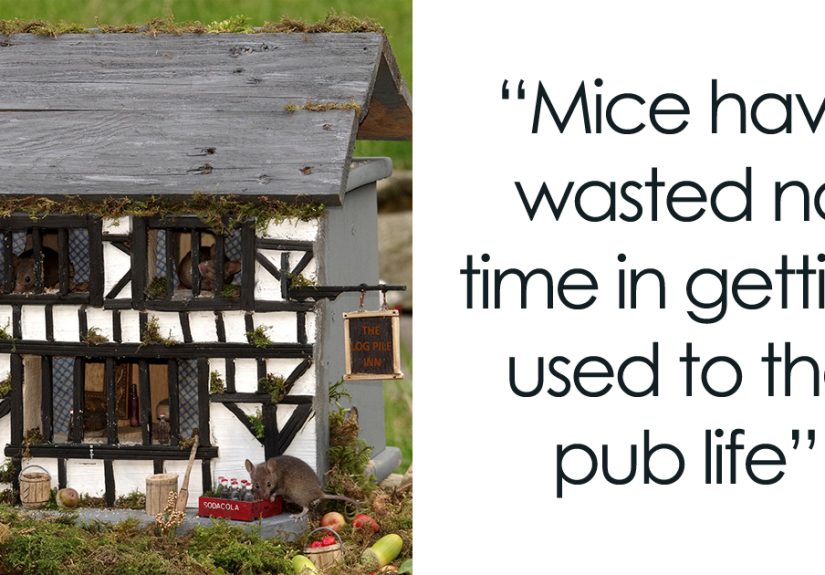
So I built them a scaled-down village. Not a mouse mansion. Not a rodent resort with room service. A tiny cluster of
miniature “structures” tucked into the back of my garden where I already had brush, stone borders, and dense plants.
And the wild micethose tiny, soft-footed citizens of the twilightbegan using it like it had been on their map the
whole time. I’m not saying they held a ribbon-cutting ceremony. But I’m also not not saying that.
First, A Reality Check: What “Wild Mice” Actually Want
Here’s the fun plot twist: wild mice aren’t looking for handcrafted cottages with tasteful shutters. They’re looking
for the four basics of habitatfood, water, cover, and spaceand they’ll choose safety and shelter
over aesthetics every time.
In many U.S. regions, the “garden mice” people spot are often deer mice or white-footed mice
(genus Peromyscus). They’re typically outdoors most of the year but may investigate buildings when the weather
turns. They’re not the same as the common house mouse that thrives indoors.
Why your garden is basically a five-star mouse neighborhood
- Cover: Tall grass, dense shrubs, woodpiles, groundcover, stone borders, and messy corners are safer than open lawn.
- Food: Fallen fruit, seeds, bird feeder spillover, compost buffet moments, and insects.
- Water: Drip irrigation leaks, bird baths, and moist soil after watering.
- Routes: Mice prefer protected “runways” along edgesfences, walls, mulch lines, and plant borders.
That means if your goal is to create a mouse village in the garden (or simply observe wildlife),
the best “architecture” is really landscaping that offers safe cover. My tiny buildings weren’t the
whole story. The village worked because it sat inside an already mouse-friendly zonedense planting, natural debris,
and hidden edges.
What I Built: Cute On The Outside, Practical On The Inside
I kept the project deliberately simple and low-impact. The village wasn’t meant to trap, tame, or encourage handling.
It was a set of non-invasive garden featureslittle hideouts and “streets” (read: pathways through
groundcover) that blended into the existing habitat.
The “village” elements (a.k.a. the set dressing)
- Mini facades: Small decorative fronts placed against rocks and logsmore visual than functional.
- Hidden shelter pockets: Natural cavities under logs, between stones, and within dense groundcover.
- “Alleyways”: Narrow protected routes along edges where plants meet hardscape.
- Camouflage: Everything looked like part of the gardenno shiny plastic, no bright paint, no “look at me” vibes.
The key is that it wasn’t a pet enclosure. It didn’t involve touching animals, relocating them, or feeding them by hand.
It stayed firmly in the lane of backyard wildlife observation.
How I Knew They Loved It (Without Writing Fanfiction About Rodents)
If you’re imagining mice applauding my craftsmanship with tiny paws, I regret to inform you that wild mice are not
emotionally available like that. But they do leave cluessubtle, consistent signs that an area is being used.
Signs the village became “occupied”
- Edge traffic: Regular movement at dusk along the same covered routes, especially near stone borders and shrubs.
- Quick pauses: Brief stops at shelter pointslike someone ducking into a doorway during a rainstorm.
- Repeat appearances: The same “schedule”: quiet daytime, active twilight and early night.
- Less open-lawn running: They stuck to cover, which is exactly what wild mice prefer for safety.
The biggest “they love it” indicator wasn’t that they used the facades. It was that the whole zone became a
safe micro-habitata place with consistent cover, routes, and protection.
The Analysis Part: Why Tiny Villages Work (Even If Mice Don’t Care About Your Shingles)
From a behavior standpoint, small rodents are driven by predation risk. Open spaces are dangerous. Dense, layered
cover reduces exposure. Studies and wildlife management guidance repeatedly emphasize that small mammals respond to
the structure of coverhorizontal and vertical clutter, not decorative housing.
So the “mouse village” is best understood as a cover-and-corridor design with a cute theme. If you
placed the same mini buildings in the middle of short lawn, you’d get… nothing. (Except maybe a confused squirrel
wondering why you built a tiny HOA.)
What matters more than the mini houses
- Location: Back of the garden, away from doors, sheds, garages, and anything you want mouse-free.
- Cover density: Groundcover + shrubs + natural debris = safer “layers.”
- Food discipline: Don’t create an all-you-can-eat situation. Observing wildlife is different than feeding it.
- Distance: You want wild mice to remain wildno contact, no handling, no “let me just” moments.
Keep It Wholesome: Health, Hygiene, And “Please Don’t Invite Mice Indoors”
I’m going to say this with love: wild mice are adorable the way campfires are adorable. Enjoy them respectfully,
from a safe distance, and don’t bring them into your living room.
Wild rodents can carry pathogens. In the U.S., hantavirus is the headline risk people hear about,
especially with deer mice in certain regions. Leptospirosis is another disease associated with
animal urine in contaminated soil or water, and rodents can be reservoirs. The practical takeaway isn’t panicit’s
basic safety.
Simple safety rules I followed
- No handling: No rescuing, no relocating, no picking up “injured” wildlife without expert help.
- No indoor encouragement: The village stayed far from the house and storage areas.
- Smart cleanup: If you ever find droppings in human spaces, use wet cleaning/disinfecting methodsdon’t sweep or vacuum dry material.
- Food storage discipline: Keep bird seed, pet food, and compost secure. Wildlife watching doesn’t require snacks.
If you’re thinking, “But I want them to visit!”great. Let them visit the garden habitat. Not your pantry.
The line between “cute wildlife moment” and “unplanned roommates” is often one forgotten bag of seed.
But Aren’t Mice Bad For Gardens?
Sometimes. And sometimes they’re just… present. In many yards, mice are part of a larger ecosystem:
they’re prey for owls, hawks, foxes, and snakes. They also interact with seeds and insects. But yes, they can chew
tender plants, nibble bulbs, or raid ripe produce if the opportunity is basically delivered to them on a leaf.
How I reduced garden damage without turning the project into a war movie
- Harvest on time: Overripe fruit on the ground is a rodent invitation with a red carpet.
- Trim the “bridge” zones: Keep dense cover away from the foundation of your home and sheds.
- Protect vulnerable plants: Use barriers where needed (especially around bulbs and young trees).
- Keep the village “wild”: No daily feeding routine that spikes population and pressure on plants.
In other words: the goal is coexistence with boundaries. Think “friendly neighbors,” not “they can use my Wi-Fi.”
Humane Boundaries: How To Enjoy A Mouse Village Without Creating A Mouse Problem
This is the part many whimsical posts skip: if mice get into structures, you don’t want a long-term indoor situation.
The most humane and effective approach is typically exclusionmaking it hard for rodents to enter
buildings in the first place.
The garden-friendly boundary mindset
- Observe outside: Keep the “village” well away from human entrances and storage.
- Remove easy indoor incentives: Secure trash, clean grills, store seed and food properly.
- Seal entry points: Mice can fit through very small gaps; take your home’s exterior seriously.
- If you need help, hire it: A reputable pest professional can focus on exclusion rather than constant trapping.
If you’re committed to the cute side of this idea, here’s the honest best practice: make the garden safer than the house.
Provide cover in a remote habitat zone, and keep your home sealed, tidy, and uninteresting to rodents.
Conclusion: A Tiny Village, A Big Reminder
Building a scaled-down village for wild mice ended up being less about miniature design and more about
seeing the garden as a living neighborhood. The mice didn’t fall in love with my craftsmanship.
They fell in love with cover, calm, and predictable safe routes. The village gave me a way to appreciate that
and it gave them another reason to stay outdoors, where they belong.
If you try something similar, keep it light, keep it wild, and keep it smart: enjoy the magic of backyard wildlife,
but build your boundaries like you mean it. Cute can be responsible. Whimsy can be hygienic. And yestiny doors can
coexist with practical common sense.
Bonus: Of Real Experiences From The Mouse Village
The first week after I finished the village, I acted like a nature documentarian with absolutely no chill. I’d step
outside at dusk, pretend to water a plant that did not need watering, and casually scan the area like I was
definitely not waiting for a tiny resident to appear. The funny part is that the more “normal” I behaved, the more
likely I was to see them. The moment I hovered with the energy of a fan at a celebrity sighting, the garden went
silentbecause wild mice are many things, but they are not here for your performance.
I learned quickly that the village was basically a stage set for meand a strategic shortcut network for
them. The mice didn’t linger to admire details. They moved with purpose: out from the shrub line, across a protected
edge, a quick dip behind a stone, then back into cover. One evening I saw a mouse pause at the edge of a miniature
facade, not because it loved the “house,” but because a cat in the distance had shifted its stance. The mouse waited,
reassessed, and took the safer route. That moment taught me more about their priorities than any cute photo ever could.
I also learned that “helping” wildlife can backfire if you confuse observation with feeding. Early on, I considered
leaving out a little snack, like some kind of woodland innkeeper. Then I remembered two things: first, I’m not trying
to boost a rodent population near my garden beds; and second, reliable food sources change animal behavior fast.
Instead, I focused on the garden itselfnative plants, seed heads left standing longer, and the kind of natural mess
that supports insects and shelter without turning into a buffet line.
Weather became another teacher. After a heavy rain, the area around the village stayed damp, and I noticed activity
shifted to slightly higher ground where cover was still thick but footing was better. On windy nights, they hugged
the most protected edges. The “village” didn’t override their instincts; it simply gave their instincts more options.
My biggest practical lesson was boundaries. The mice were charming in the back garden, but the second I found signs
of rodent curiosity near storage, I tightened up: better containers, fewer crumbs of bird seed, and less clutter near
structures. That’s the balance that kept the story wholesome. The mouse village can be a delightful garden project,
but it works best when it stays what it is: a quiet wildlife corner, not an invitation to move in.