Table of Contents >> Show >> Hide
- When a Family Story Turns Into a Medical “Fact”
- Why Nut Allergies Are No Joke
- Can Someone Really Think They Have a Nut Allergy and Be Wrong?
- The Emotional Fallout Is Bigger Than the Snack Drawer
- What Someone Should Do If Their Allergy Story Suddenly Looks Suspicious
- Why This Story Hit a Nerve Online
- Related Experiences People Share After Learning an Allergy Story Was Wrong or Incomplete
- The Bigger Lesson Here
Some family secrets are dramatic. Some are juicy. And some are weirdly wrapped in foil and hazelnut filling.
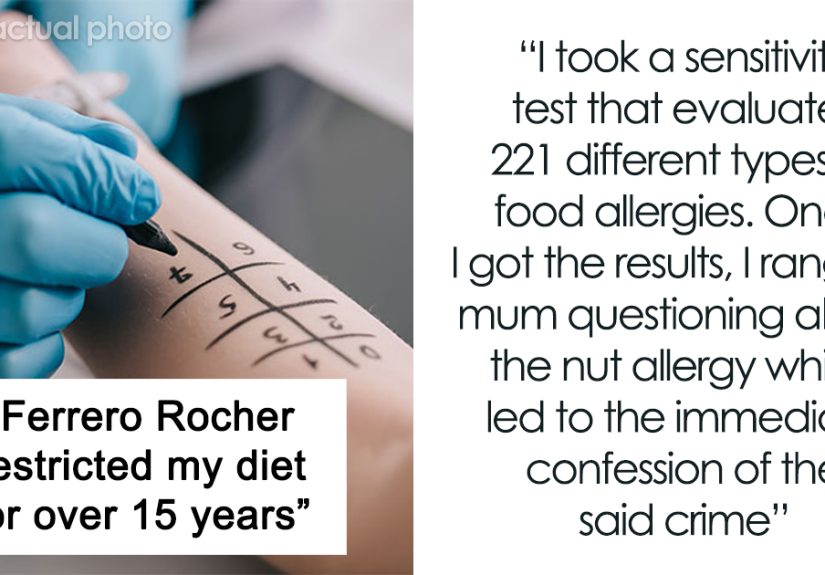
That is what makes this story hit so hard. A woman says she grew up believing she had a severe nut allergy, carefully avoiding anything that might contain nuts, only to later learn that her parents had allegedly made the whole thing up. The reason? Not some wild medical misunderstanding. Not a long-lost doctor’s note. Just a lie that reportedly started in childhood and somehow stuck around long enough to shape how she ate, worried, and moved through life.
It is the kind of story that sounds too ridiculous to be true until you remember how many things children accept as absolute fact. If your parents tell you lava is under the floorboards, you might side-eye the basement. If they tell you nuts could stop your breathing, you are going to treat every cookie tray like a crime scene.
But beneath the internet-drama sparkle is a real issue: food allergies are serious, emotionally exhausting, and medically complicated. That means lying about one is not just odd parenting. It can reshape a child’s relationship with food, trust, fear, and even their own body.
This story is not interesting just because it is outrageous. It is interesting because it sits at the intersection of two powerful things: the real danger of food allergies and the very real damage that happens when families turn health into fiction.
When a Family Story Turns Into a Medical “Fact”
Children do not build their first understanding of risk from journal articles or allergist visits. They build it from adults. If a parent says, “You cannot eat that, it is dangerous,” most kids do not launch a peer-reviewed investigation. They just believe it.
That is what makes this kind of lie especially loaded. A fake nut allergy is not like telling your kid the ice cream truck plays music when it is out of ice cream. It affects birthday parties, school lunches, Halloween candy, restaurant orders, travel, holidays, and every awkward moment when someone says, “Are you sure you can’t have just a little?”
Over time, the warning becomes identity. The child is not just someone who avoids nuts. She becomes the person with the nut allergy. That label can shape routines, friendships, food anxiety, and the amount of mental energy spent scanning ingredient lists like a tiny detective in permanent overtime.
So when the truth comes out, the betrayal is about far more than missing out on a few chocolates. It is about realizing your family wrote a fake medical chapter into your life and handed it to you as scripture.
Why Nut Allergies Are No Joke
Here is the part where we put the comedy candy bowl down for a second: real nut allergies can be extremely serious. Symptoms can include hives, swelling, vomiting, stomach cramps, wheezing, dizziness, throat swelling, trouble breathing, and, in severe cases, anaphylaxis. That is why people with confirmed food allergies are taught to read labels carefully, avoid the trigger food, and have an emergency plan.
In other words, the woman in this story was not irrational for being careful. She was behaving exactly the way people are taught to behave when they believe they have a dangerous food allergy. If you genuinely think a bite could land you in the emergency room, “better safe than sorry” stops being a slogan and becomes a lifestyle.
Peanuts and Tree Nuts Are Not the Same Thing
One reason allergy stories get muddled is that people casually lump all “nuts” together. But medically, peanut allergy and tree nut allergy are not identical. Peanuts are legumes. Tree nuts include foods like almonds, walnuts, cashews, pecans, pistachios, and hazelnuts. Some people are allergic to one and not the other. Some react to several. Some avoid all of them because of cross-contact concerns or because they have never had a full evaluation.
That matters because broad family rules often flatten the details. A parent might hear “nut issue” once, panic forever, and turn that into a blanket ban without ever confirming what is actually true. Then years pass, the myth grows roots, and suddenly a grown adult is side-eyeing brownies like they are carrying classified military secrets.
Diagnosis Is Not a Guessing Game
Another reason this story resonates is that allergy diagnosis is not supposed to be based on vibes, folklore, or one dramatic aunt. Allergists use medical history, testing, and sometimes carefully supervised oral food challenges to figure out whether a person has a true food allergy. That last part matters because testing is useful, but it is not perfect. In fact, experts warn that negative skin-test results can occasionally be misleading, which is one reason allergists consider the full clinical picture and may confirm uncertainty with additional testing or a medically supervised food challenge.
Translation: the right response to an unclear food reaction is not “Let’s just make something up and run with it until retirement.” The right response is evaluation.
Can Someone Really Think They Have a Nut Allergy and Be Wrong?
Absolutely. And there are several ways that can happen.
Sometimes a person has a food intolerance, not a food allergy. Sometimes they react to one ingredient in a mixed food and blame the wrong culprit. Sometimes a childhood reaction gets remembered incorrectly. Sometimes a kid is told to avoid one nut and eventually hears “all nuts.” Sometimes families overgeneralize from one scary incident. And sometimes, as in the viral story, people may have been flat-out lied to.
There is also another wrinkle: plenty of people avoid foods they might actually tolerate because no one ever revisits the diagnosis. An adult might continue a childhood restriction without updated testing. Someone with a peanut allergy may never have learned whether tree nuts are safe for them. Someone with a low-level sensitization on a test may live as though they have a confirmed clinical allergy because nobody explained the difference clearly.
That does not mean people should experiment at home with a spoonful of Nutella and a prayer. It means allergy status should be clarified with a qualified clinician, not left to family mythology, internet dares, or Uncle Dave’s medical school of “I’m pretty sure it’s fine.”
The Emotional Fallout Is Bigger Than the Snack Drawer
Food allergies already carry a heavy psychological burden for many people and families. Vigilance can be exhausting. Every label, menu, buffet, office party, airplane snack, and holiday dessert comes with extra mental math. There is a social toll too. People feel awkward asking questions, embarrassed about being “difficult,” or anxious that others will not take them seriously.
Now add deception to that equation.
If you discover that your restriction was invented by the very people who were supposed to protect you, the damage is not limited to taste buds and missed Ferrero Rocher. You may start replaying birthdays, school trips, sleepovers, and every time you felt afraid. You may wonder what else was exaggerated, minimized, or invented. You may feel foolish for believing it and furious that you had no reason not to.
That kind of reaction is not overdramatic. It makes sense. Trust is built when caregivers are consistent, honest, and validating. Once a person realizes a major health belief was fake, they are not just grieving lost snacks. They are grieving confidence in the people who taught them what was safe.
And yes, there is a deeply annoying second layer to all of this: if you finally learn you were never allergic, you still do not get your childhood desserts back. Nobody can Venmo you twelve lost Christmases and a tray of brownies from 2009.
What Someone Should Do If Their Allergy Story Suddenly Looks Suspicious
If this story sounds uncomfortably familiar, the answer is not reckless self-testing. It is a calm medical reset.
1. Start with Your History
Write down what you were told, what symptoms were ever observed, how old you were, whether you were tested, and what foods were involved. Many people realize the “evidence” is surprisingly thin once they put it on paper.
2. See an Allergist
An allergist can review your history and decide whether skin testing, blood testing, or other evaluation makes sense. This is especially important if the suspected allergy involves peanuts or tree nuts, because real reactions can be severe.
3. Do Not Treat Home Kitchens Like Laboratories
Trying a “tiny little bite” at home might sound practical, but food challenges are supposed to happen in a medical setting when there is any real uncertainty or risk. That is not dramatic. That is smart.
4. Update Your Food Rules Based on Evidence
If you learn that you are not allergic, or that you are allergic to one specific item but not all nuts, that information can dramatically improve quality of life. It can also reduce unnecessary fear and help you make more accurate decisions about labels, restaurants, and social events.
5. Deal With the Relationship Fallout Too
Medical clarification is one piece. Emotional repair is another. If the false allergy came from family deception, the issue is not only dietary. It is relational. Conversations, boundaries, and sometimes therapy may be part of the next chapter.
Why This Story Hit a Nerve Online
People did not latch onto this story just because it was weird. The internet sees weird every Tuesday before lunch. The reason it landed is that it taps into a universal fear: what if the people who shaped your basic understanding of safety were casually making things up?
That fear feels extra sharp around food because eating is daily, social, emotional, and deeply tied to memory. We remember the cupcakes we could not have. The candy we politely declined. The desserts we watched other people enjoy. We also remember the anxiety. The scanning. The double-checking. The feeling of being different at the table.
So when someone says, “Actually, that rule was fake,” it is not a cute plot twist. It is a rewrite of a person’s lived reality.
Related Experiences People Share After Learning an Allergy Story Was Wrong or Incomplete
Stories like this one also connect with a wider group of people who discover that their food restrictions were never fully explained, never properly confirmed, or were far more complicated than they were led to believe. Their experiences are different, but the emotional tone is often similar: confusion first, then curiosity, then anger, then a strange kind of grief mixed with relief.
Some adults say they grew up avoiding every nut on Earth because one childhood reaction involved peanuts, only to learn much later that peanut allergy and tree-nut allergy are not interchangeable. By the time they got evaluated, they had spent years skipping foods they might have tolerated safely under proper guidance. Their first reaction was not celebration. It was disbelief. After that came the slightly heartbreaking realization that dozens of “special occasion” foods had been unnecessarily off-limits.
Others describe living with vague family warnings that were never backed up with actual medical testing. Maybe a parent once noticed a rash after a cookie. Maybe a grandparent swore a child “looked funny” after eating trail mix. Maybe one doctor visit from years ago turned into family folklore with the accuracy of a game of telephone played inside a moving blender. Those people often say the hardest part was not the mistaken restriction itself but the feeling that nobody had bothered to find out the truth.
There are also people who discover the opposite problem: they were told a food issue was “probably nothing,” only to later learn they had a real allergy and should have been taken more seriously. That experience produces a different kind of anger, but it comes from the same place. Health misinformation inside a family can leave a lasting mark whether the problem was exaggerated, minimized, or invented.
Then there are the social experiences. People who believed they had a serious food allergy often describe becoming hyperaware around meals. They memorized ingredient lists. They learned which candies were safe and which bakery displays were basically glass-covered danger zones. They were the person asking questions at restaurants while everyone else pretended menus were self-explanatory. Even after learning they may not have needed all that caution, many say the habits do not vanish overnight. Fear has muscle memory.
A few people talk about the oddness of finally trying foods they had avoided for years. The first bite is rarely a glamorous movie moment with orchestral music and a single tear rolling down the cheek. More often it is hesitant, awkward, and followed by a lot of waiting. They do not just taste the food. They monitor their body. They brace for symptoms. They stare at the clock. The emotional residue of years of avoidance does not disappear because someone says, “Surprise, you’re fine.”
And in many of these stories, the missing piece is trust. Once someone realizes their family gave them inaccurate health information, they start reviewing old memories with new suspicion. What else was framed as fact without proof? What other rules were built on convenience, fear, or control? That is why the phrase “I feel betrayed” resonates so strongly here. It is not only about nuts. It is about what happens when the people who taught you how to stay safe turn out to have been guessing, misleading, or protecting their own preferences instead of your well-being.
The Bigger Lesson Here
The internet loves a shocking headline, and this one certainly delivers. But the lasting takeaway is not “wow, some people really wanted the fancy chocolate.” It is that food allergies deserve accuracy, seriousness, and honesty.
Real allergies are life-altering enough without fake ones being thrown into the mix. They require clear communication, careful diagnosis, label reading, emergency planning, and a whole lot of daily attention. Pretending someone has one for convenience, control, or family weirdness is not harmless. It hijacks trust and turns health into theater.
So yes, this story is absurd. It is darkly funny in the way only family nonsense can be. But it is also a reminder that when it comes to food allergies, the facts matter. If the story you were told about your body does not quite add up, do not let fear, habit, or family folklore make the final call. Get answers from medicine, not mythology.
Because nobody should have to spend half a lifetime dodging dessert just to find out the real allergy was dishonesty.