Table of Contents >> Show >> Hide
- What Is the Mouthwash Hack for Flowers?
- Why Cut Flowers Fade So Fast (The Not-So-Pretty Science)
- Why Mouthwash Might Help (And When It Might Not)
- My Experiment: Mouthwash vs. Plain Water vs. Flower Food
- Results: What Happened Day by Day
- So… Does Mouthwash Actually Work for Fresh-Cut Flowers?
- How to Try the Mouthwash Hack Safely (Without Overdoing It)
- What Florists and Extensions Recommend (That Works Even Better)
- The Biggest Mistakes That Kill Bouquets Faster Than Any Hack Can Save Them
- Quick FAQ
- Conclusion: My Take on the Mouthwash Hack
- Extra: of “I Actually Lived With This Bouquet” Experiences
I love fresh-cut flowers the way some people love fancy candles: I buy them with full optimism, place them proudly on the counter,
and then spend the next few days pretending not to notice the slow fade into “sad salad.” So when I heard the internet whispering,
“Put mouthwash in the vase,” I had two thoughts:
- That can’t be real.
- I absolutely have to try it.
The claim is simple: a small splash of mouthwash (usually alcohol-free) in vase water helps cut flowers last longer by keeping the
water cleaner. In other words, your bouquet gets a little spa day… with the same stuff you use after garlic bread.
In this article, I’ll break down what the mouthwash hack is, why it might work, what actually happened when I tried it,
and the best (and safest) ways to stretch the vase life of fresh-cut flowerswithout turning your dining room into a chemistry lab.
What Is the Mouthwash Hack for Flowers?
The mouthwash hack is exactly what it sounds like: you add a small amount of mouthwash to the water in your vase before adding your
flowers. Most versions of the tip recommend alcohol-free mouthwash and a small dosethink “capful,” not “full rinse
like you’re headed into a dentist appointment.”
The goal is to slow the gunk buildup that makes vase water cloudy and funky-smelling. If you’ve ever walked by a bouquet and thought,
“Why does this smell like a swampy aquarium?”that’s the problem the hack is trying to solve.
Why Cut Flowers Fade So Fast (The Not-So-Pretty Science)
Cut flowers don’t die because they’re dramatic. They die because the systems that kept them alive outdoors are suddenly doing a
tough job indoorswithout roots. These are the usual bouquet villains:
1) Bacteria and gunk in the water
Stems sit in water, leaves rot below the waterline, and microbes multiply. That buildup can clog stems and reduce water uptake.
Less water uptake = wilting, browning, drooping, and the slow-motion tragedy of petals falling like confetti you didn’t order.
2) Dehydration (even when the vase looks “full enough”)
Flowers constantly lose water through their petals and leaves. If they can’t replace it fast enough through the stem, they go limp.
Many “my bouquet died overnight” moments are really “my bouquet got dehydrated while I slept.”
3) Heat, sun, drafts, and fruit drama (ethylene)
Cut flowers generally last longer in cooler spots. Direct sun and heat speed aging, and ripening fruit releases ethylene gas,
which can make some flowers age faster. The bouquet doesn’t want to sit next to your banana bowl. It’s not personal.
Why Mouthwash Might Help (And When It Might Not)
Mouthwash is designed to reduce bacteria in your mouth. So the logic goes: if it reduces bacteria in a vase, the water stays cleaner,
stems stay less clogged, and flowers stay hydrated longer.
But here’s the catch: mouthwash isn’t flower food. It doesn’t provide the balanced “recipe” that commercial flower
food does. Many floral preservatives are built around three basics:
- Carbohydrates (food) to fuel blooms
- Acidifiers to help water move up stems
- Biocides to slow bacteria and fungi growth
Mouthwash mostly plays in the “biocide-ish” lane. It can help with cleanliness, but it may not deliver the nutrition or pH balance
that makes flowers thrive.
My Experiment: Mouthwash vs. Plain Water vs. Flower Food
I wanted something more convincing than “my cousin’s friend swears by it.” So I ran a simple countertop test using three identical
vases and similar stems from the same shopping tripbecause if you’re going to do science, you might as well do it next to the toaster.
What I used
- 3 clean glass vases (washed with hot soapy water, rinsed well)
- Fresh-cut mixed bouquet (think grocery-store classics: daisies, roses, filler flowers, greenery)
- Sharp scissors/garden snips (not the “mystery drawer” kitchen scissors)
- Cool tap water
- Alcohol-free mouthwash
- 1 packet commercial flower food (for one vase)
My setup rules (to keep the test fair)
- I removed all leaves that would sit below the waterline.
- I trimmed stems at a 45-degree angle and made sure each vase had a similar mix of flowers.
- I kept all vases in the same room, away from direct sun, heat vents, and fruit.
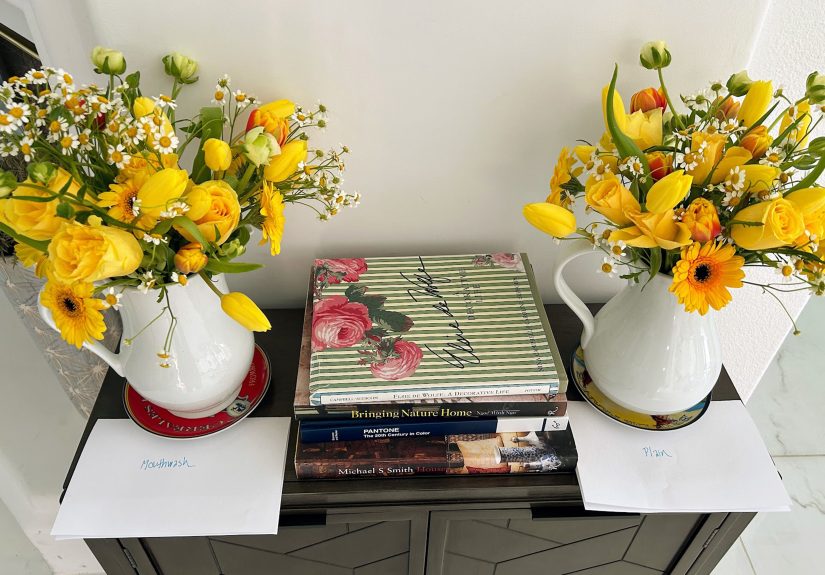
- I labeled each vase: Plain, Mouthwash, Flower Food.
The mouthwash “recipe” I tried
I added a small capful of alcohol-free mouthwash to one vase, then filled with water. I kept the dose modest on purpose.
With hacks like this, more is rarely more. More is usually “why do my flowers look pickled?”
Results: What Happened Day by Day
Day 1: Everybody looks fabulous
No surprises. Fresh stems are the overachievers of the plant world. All three vases looked bright and perky.
Day 2: The first difference shows up in the water
The plain-water vase started to look a little cloudy faster than the other two. Not terriblejust that “hmm” haze.
The mouthwash vase stayed clearer. The flower-food vase stayed the clearest.
Day 3: The “thirst test”
A couple of thirstier blooms (the ones that always faint first) began to soften slightly in the plain-water vase.
In the mouthwash vase, they were still holding shape. In the flower-food vase, they looked the most “just bought these” overall.
Day 4: Mouthwash helps… but it’s not magic
This is where the mouthwash hack earned its spot in the conversation. The mouthwash-treated vase looked a bit fresher than plain water,
especially on delicate filler flowers that tend to brown early. But it didn’t dramatically beat the flower-food vase.
Day 5–6: Small differences, big lesson
By this point, the biggest predictor of which vase looked best wasn’t the additiveit was the boring stuff:
whether I refreshed the water, recut stems, removed fading blooms, and kept everything clean.
When I was diligent, all vases did better. When I got lazy, the plain-water vase punished me first.
Day 7: The honest verdict
The flower-food vase had the best overall longevity. The mouthwash vase was usually second, and plain water was last.
The mouthwash hack seemed to help keep water clearer and reduce that “vase funk,” which likely supported hydration.
But it wasn’t a miracle curemore like a helpful supporting character, not the main hero.
So… Does Mouthwash Actually Work for Fresh-Cut Flowers?
In my test, yes, mouthwash helped a littlemainly by keeping the water cleaner for longer.
That matters because clean water helps stems keep drinking. But if you’re hoping mouthwash will turn a $9 grocery bouquet
into a two-week masterpiece… let’s call it “optimistic.”
Think of it like this: mouthwash can be a decent substitute when you don’t have flower food.
If you do have flower food, it’s still the better tool for the job.
How to Try the Mouthwash Hack Safely (Without Overdoing It)
If you want to test it at home, here’s a sensible approach:
Step-by-step
- Start with a truly clean vase. Soap + hot water, then rinse well.
- Strip leaves below the waterline. Anything underwater will rot and feed bacteria.
- Recut stems at an angle. A fresh cut helps water uptake.
- Use cool water. Fill the vase about 2/3 to 3/4 full for most bouquets.
- Add a small amount of alcohol-free mouthwash. Think “capful,” not “pour.”
- Refresh every 2–3 days. Dump water, rinse vase, recut stems, refill.
What mouthwash to avoid
- High-alcohol mouthwash: alcohol can be harsh and may dry tissues over time.
- Strong whitening/peroxide formulas: unpredictable for plant tissue.
- Anything super sugary or syrupy: sugar alone can feed bacteria if it isn’t balanced.
Also: keep additives out of reach of kids and pets. This is still mouthwashgreat for rinsing, not for sipping.
What Florists and Extensions Recommend (That Works Even Better)
1) Use the flower food packet (seriously)
Commercial flower food is designed specifically for cut stems, typically combining food + acidifier + bacteria control.
It’s the easiest “do what it says on the packet” win you’ll get all week.
2) DIY flower food (if you’re careful)
Several trusted gardening sources share versions of homemade preservative solutions that combine the same three ideas:
nutrition, acidity, and bacteria control. A common style includes a small amount of sugar, a small amount of bleach,
and citrus juice in water. The key word is small. Too much bleach can damage foliage and shorten vase life.
3) Water changes and stem trims are the real MVP
If you do nothing else, do this: change the water regularly, rinse the vase, and give stems a fresh cut.
This alone can noticeably extend the life of fresh-cut flowers.
The Biggest Mistakes That Kill Bouquets Faster Than Any Hack Can Save Them
- Dirty vase: bacteria starts strong and wins quickly.
- Leaves in the water: you’re basically composting in real time.
- Direct sun or heat: pretty for photos, brutal for petals.
- Ignoring water level: some flowers drink a lot; don’t let them run dry.
- Letting dead blooms hang around: remove fading flowers so they don’t drag the rest down.
Quick FAQ
Will mouthwash change the smell of the flowers?
In my experience, it reduced the “funky vase water” smell. If you use strongly scented mouthwash, you may notice a mild minty vibe
near the vaseusually subtle, unless you went overboard.
Does it matter if the mouthwash is colored?
I prefer clear mouthwash, just to avoid any chance of tinting porous stems or pale petals. It’s not common, but why risk turning
your white blooms into “mystery pastels”?
Do I still need to change the water if I use mouthwash?
Yes. Mouthwash isn’t a force field. Clean water and a clean vase still matter most.
Conclusion: My Take on the Mouthwash Hack
The mouthwash hack isn’t total nonsenseat least not in the way “spray your flowers with hairspray” sometimes is.
Used in a small amount, alcohol-free mouthwash can help keep vase water cleaner, which can support hydration and freshness.
But it works best as a backup plan, not a replacement for good flower care (or a proper packet of flower food).
If you want longer-lasting bouquets, your best “hack” is still the least glamorous one:
clean vase, trimmed stems, no underwater leaves, cool placement, and fresh water.
Mouthwash can help, but it’s not the main charactermore like the helpful friend who shows up with snacks.
Extra: of “I Actually Lived With This Bouquet” Experiences
Here’s what surprised me most after a full week of living with three vases like they were contestants on a reality show called
America’s Next Top Flower.
First: I didn’t expect water clarity to matter as much as it did. The mouthwash vase stayed noticeably clearer,
and that made me more likely to top it off and keep it “maintained,” which (plot twist) probably helped the flowers as much as the
mouthwash itself. The plain-water vase got cloudy faster, and I found myself procrastinating on dealing with it because it looked
like a tiny science fair project I didn’t sign up for.
Second: the filler flowers told the truth first. Big blooms like roses can sometimes hang on and look “fine-ish”
even when the bouquet is quietly failing. But the delicate stufftiny daisies, chamomile-style fillers, airy greensthose are the
early-warning system. In my vases, the mouthwash-treated filler stayed presentable longer than the plain-water filler. It wasn’t a
night-and-day transformation, but it was enough that I noticed it from across the room. (And yes, I absolutely did the thing where
I stared at flowers like they were going to confess their secrets.)
Third: the location of the vase mattered more than I wanted it to. I tried “pretty spots” first: near a sunny window,
closer to the stove, right where people could admire them. The flowers responded by aging in fast-forward. Once I moved all three vases
to a cooler, indirect-light area, everything improved. It was annoyingbut also validatingbecause it proved that flowers are basically
tiny divas who demand a good environment.
Fourth: I became weirdly passionate about removing leaves below the waterline. It’s the simplest step, and it feels
slightly fussy, like you’re giving the bouquet a haircut. But when I missed a couple of underwater leaves in the plain-water vase,
that vase’s water got cloudy faster and the smell turned “pond adjacent.” When I removed every submerged leaf in the mouthwash vase,
the water stayed cleaner longer. If you do nothing else, do this one thing. It’s the closest you’ll get to a guaranteed improvement.
Finally: the mouthwash hack taught me a bigger lessonconsistency beats cleverness. A small additive can help, sure.
But the bouquet that looked best at the end wasn’t the one with the fanciest trick; it was the one that got regular water changes,
occasional stem trims, and a clean vase. Mouthwash is a decent “I’m out of flower food” move. But the real glow-up comes from basic
care done reliablylike flossing, except your flowers can’t lie about whether you did it.