Table of Contents >> Show >> Hide
- What Is the Ichendorf Lotus Cruet?
- Why the Design Feels So Special
- Material Matters: Why Borosilicate Glass Works Here
- How the Ichendorf Lotus Cruet Fits Into Modern Kitchens
- Is It Worth Buying?
- Things to Know Before You Buy
- How to Style and Use It Well
- Experience and Living With the Ichendorf Lotus Cruet
- Final Thoughts
The Ichendorf Lotus Cruet is one of those rare kitchen objects that manages to be practical, sculptural, and just a little bit show-offy in the best possible way. It is, at heart, a vessel for oil, vinegar, or dressings. But in real life, it behaves more like functional table jewelry. You buy it because you need a cruet. You keep talking about it because it looks like something a stylish friend brought back from a design trip and then casually placed next to a loaf of sourdough as if elegance were effortless.
Part of the appeal comes from the brand itself. Ichendorf Milano has built a reputation around contemporary glassware that feels playful without becoming gimmicky. The Lotus collection, designed by Lina Obregón, follows that same philosophy. The form borrows visual cues from lotus petals, giving the cruet its soft scalloped silhouette and making it feel more refined than the average oil dispenser. Translation: this is not the plastic squeeze bottle hiding near the stove. This is the bottle that actually earns a seat on the table.
What Is the Ichendorf Lotus Cruet?
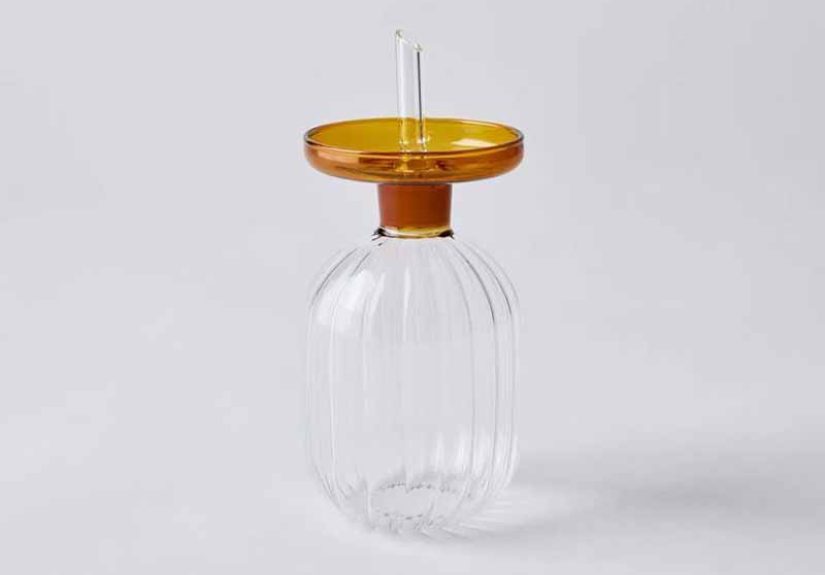
The Ichendorf Lotus Cruet is a borosilicate glass oil bottle or condiment vessel designed for everyday use. Depending on the retailer, you will see it described as a cruet, oil bottle, or oil can, and it appears in several sizes and finishes. Some sellers list smaller and larger capacities, while others highlight a medium version or sell a set of two. In other words, the exact configuration may vary, but the overall identity stays the same: a lightweight, decorative, functional glass cruet meant for oils, vinegars, and dressings.
Its design is where it really earns its flowers, lotus-inspired or otherwise. The body typically features a rounded profile with subtle ribbing or scalloped curves. That shape catches light beautifully, which is why the cruet can look understated in the morning and strangely glamorous by dinnertime. Add olive oil to the equation and the glass turns into a tiny stage for color, reflection, and texture. Who knew salad dressing could have a cinematic arc?
Why the Design Feels So Special
There are plenty of oil dispensers on the market, but most fall into one of two categories: aggressively utilitarian or trying much too hard. The Ichendorf Lotus Cruet lands in a sweet middle ground. It is elegant without being fussy and artistic without becoming hard to use. That balance matters, especially in kitchens where people want everyday objects to perform well but also contribute to the room’s overall look.
A Decorative Object That Still Has a Job
The genius of this cruet is that it does not ask you to choose between beauty and function. It stores oil. It pours. It sits on a counter or dining table. It also happens to look lovely next to a ceramic bowl of sea salt, a plate of tomatoes, or a slightly overconfident cheese board. For people who care about table styling, kitchen decor, and designer glassware, that matters a lot.
The lotus-inspired silhouette softens the look of the piece. Straight-sided bottles can feel clinical, and ultra-minimal vessels can sometimes read cold. The Lotus Cruet has curves, and curves tend to win people over. They feel organic, gentle, and a little more human. This is likely one reason the piece has been featured in design-oriented retail and decor coverage: it photographs well, styles easily, and makes ordinary ingredients look more intentional.
Lightness Is Part of the Luxury
Because it is made from borosilicate glass, the cruet tends to feel lighter than people expect. That is actually part of its charm. Heavier is not always better in tabletop design. A lighter bottle is easier to handle, easier to pass around, and easier to use daily. It feels delicate, yet the material itself is known for strong chemical durability and resistance to thermal shock compared with ordinary glass. That combination gives the piece a practical edge under all the visual flair.
Material Matters: Why Borosilicate Glass Works Here
Let us give a little applause to borosilicate glass, the overachiever of the glass world. This material is widely valued for low thermal expansion and strong chemical durability, which is why it is associated with laboratory glassware and heat-resistant kitchenware. In a tabletop product like the Ichendorf Lotus Cruet, borosilicate glass helps create a vessel that feels fine and airy without seeming flimsy.
That is important for a kitchen accessory used around oils, acidic dressings, and frequent handling. It also helps explain why so many modern design brands favor borosilicate for objects that need both elegance and resilience. A cruet made from this material can appear crystal-clear and refined while still being practical enough for real homes, real meals, and real people who occasionally bang things into the counter because they are trying to answer a text while making pasta.
How the Ichendorf Lotus Cruet Fits Into Modern Kitchens
One reason this piece has such staying power is that it fits a surprising number of interiors. In a minimalist kitchen, it adds shape without clutter. In a warm, layered dining room, it blends in with ceramics, linen napkins, and candlelight. In an eclectic home, it reads like a small collectible object with actual purpose. That versatility is a big deal for shoppers who want to invest in designer kitchen accessories that do not become visually obsolete after one trend cycle.
Countertop Styling
Placed near the stove or beside a cutting board, the cruet immediately upgrades the “working kitchen” look. It suggests that someone here knows how to finish roasted vegetables properly and might own flaky salt on purpose. Pair it with a pepper mill, a crock of wooden spoons, and a few lemons, and suddenly the counter looks curated instead of merely occupied.
Dining Table Use
The Lotus Cruet really shines on the table. It works beautifully for olive oil with bread, vinaigrette for salads, or even an infused oil for grilled vegetables. Since the bottle is attractive enough to stay visible, it supports a more generous, hospitable style of serving. Rather than hiding condiments in the kitchen, you bring them out and let the meal feel more communal.
Is It Worth Buying?
If you are purely looking for the cheapest possible oil dispenser, this is not your bottle. You can absolutely pour olive oil from something less glamorous and survive the experience. But if you care about design, material quality, and the pleasure of using beautiful objects every day, the Ichendorf Lotus Cruet makes a strong case for itself.
It is especially worth considering for shoppers who love:
Thoughtful Design
This is a product with a clear point of view. It is not generic, and it does not try to imitate farmhouse, industrial, or ultra-luxury aesthetics just because those keywords exist. It knows what it is: contemporary glassware with a poetic shape and a useful purpose.
Giftable Tabletop Pieces
The cruet makes a smart gift for housewarmings, weddings, newly renovated kitchens, or anyone who gets suspiciously excited about olive oil. It feels special without requiring a giant budget, and it is more memorable than another cutting board with “Gather” engraved on it. No offense to cutting boards. They have had a long run.
Everyday Luxury
There is a category of home product that does not scream luxury but quietly improves daily rituals. This cruet belongs there. It turns the tiny act of dressing a salad or drizzling oil over soup into a more tactile, more visually pleasing moment. That may sound dramatic, but so is spending half your paycheck on a sofa and still styling your kitchen with a plastic bottle. We contain multitudes.
Things to Know Before You Buy
Because the Lotus line appears through multiple retailers, details can differ slightly depending on the version. Capacity, finish, exact dimensions, and care instructions are not always presented the same way across listings. Some sellers mention dishwasher-safe use at low temperatures, while others recommend hand washing. If you want the safest long-term approach, gentle hand washing is the smart bet, especially for a decorative glass piece with a refined profile.
It is also worth checking whether you want a smaller cruet for tabletop use or a larger bottle for more frequent kitchen duty. Some shoppers may prefer a compact version that lives beside bread and salad, while others will want something bigger for daily cooking oil. Either way, the appeal remains the same: a design-forward vessel that looks better than most things in its category.
How to Style and Use It Well
Use a Good Oil
This may be obvious, but a beautiful cruet deserves something better than sad, dusty oil you forgot in the pantry. Fill it with a fresh extra-virgin olive oil, chili oil, or a homemade herb infusion. The color of the liquid becomes part of the presentation.
Keep the Surroundings Simple
The Lotus Cruet does not need much help. Set it beside white plates, natural wood, brushed metal, or stoneware, and let the glass catch the light. Overstyling can make a graceful object feel costume-y.
Make It Part of a Ritual
The easiest way to justify buying a beautiful cruet is to actually use it. Put it on the table for weeknight dinners. Use it when finishing grilled fish, soup, roasted potatoes, or burrata. Everyday rituals are where well-designed objects prove their worth.
Experience and Living With the Ichendorf Lotus Cruet
Living with the Ichendorf Lotus Cruet is less about ownership and more about atmosphere. The first thing most people notice is that it changes the mood of a kitchen almost instantly. You fill it with olive oil, set it near the stove, and suddenly the space feels more considered. It is a small shift, but a real one. The countertop looks less like a place where chores happen and more like a place where cooking is part of the home’s personality. That is a surprisingly big effect for one glass bottle.
In daily use, the experience is also tactile. The lightweight feel makes it pleasant to pick up, and the curved shape feels different from standard oil bottles that are all business and no charm. The Lotus Cruet has a softness to it. It slows you down just enough to notice what you are doing. Drizzling oil over tomatoes, bread, or roasted vegetables feels a bit more deliberate, which sounds wildly dramatic until you realize that many of the best kitchen tools work precisely because they make routine actions more enjoyable.
There is also the visual pleasure. Olive oil looks rich and golden inside clear glass. Infused oil becomes even more attractive, especially with rosemary, chili, or garlic lending color and texture. On a dining table, the cruet catches candlelight or afternoon sun and becomes part of the setting rather than just another condiment container. Guests tend to notice it. Not in a “What is that mysterious object?” way, but in a “That is lovely, where did you get it?” way. Home decor lovers know that this is the highest compliment a tabletop accessory can receive.
Another part of the experience is versatility. The Lotus Cruet can move from kitchen counter to dinner table without feeling out of place. It works during a casual lunch with sandwiches and salad, but it also fits into a more polished meal with linen napkins and a proper starter. That flexibility makes it feel useful rather than precious. Some beautiful objects end up becoming untouchable because owners are afraid to use them. This one avoids that trap. It is attractive, yes, but it still belongs in the rhythm of daily life.
There is something quietly satisfying about replacing factory packaging with a permanent vessel that feels intentional. Instead of pulling out a bulky grocery-store bottle with a loud label, you reach for something that aligns with the rest of your kitchen. That may not change the flavor of the oil, but it definitely changes the experience of cooking. And design, when it is good, often works exactly like that: not by shouting, but by removing small frictions and adding subtle pleasure.
Over time, the Ichendorf Lotus Cruet can also become part of personal hosting rituals. You may start using it automatically for bread service, caprese salad, burrata night, grilled vegetables, or that one soup you make whenever the weather acts gloomy. It becomes one of those objects that signals generosity. Not extravagance, just care. It suggests that the meal was thought through, that details matter, and that someone in this house understands the emotional power of a good pour of olive oil.
Perhaps that is the best way to describe the experience of the Lotus Cruet: it makes ordinary moments feel styled, but not staged. It offers beauty without demanding ceremony. It looks special, yet it fits comfortably into real life. And that balance is hard to achieve. Plenty of kitchen accessories can store oil. Far fewer can make a Tuesday salad feel like it arrived with its own lighting crew.
Final Thoughts
The Ichendorf Lotus Cruet is a smart example of what happens when a simple kitchen tool is treated like a design object. With its lotus-inspired silhouette, borosilicate glass construction, and everyday usability, it brings visual charm to one of the most ordinary tasks in the kitchen. It is decorative without being useless, modern without being cold, and refined without making the room feel untouchable.
For shoppers who love beautiful tabletop pieces, thoughtful materials, and kitchen accessories that actually earn their counter space, this cruet is easy to appreciate. It may not be essential in the survival sense. Then again, neither are cloth napkins, nice candles, or finishing salt. And yet life seems suspiciously better with all three. Add the Lotus Cruet to that list.