Table of Contents >> Show >> Hide
- Why “Wild American Food” Goes Viral So Easily
- State Fair Physics: If It Exists, It Can Be Fried
- Bunless and Unbothered: Sandwiches That Break the Rules
- Sweet-Savory Chaos: When Breakfast and Dinner Collide
- Brine Crimes and Neon Snacks: Pickles That Went Off-Script
- Everything Inside Everything: America’s “Matryoshka Dinner” Moment
- Retro Americana That Still Breaks People’s Brains
- So… Do Americans Actually Eat Like This All the Time?
- How to Try Viral American Foods Without Regret
- 500-Word Experience Add-On: “Too European” Field Notes From the Comment Section
- Conclusion
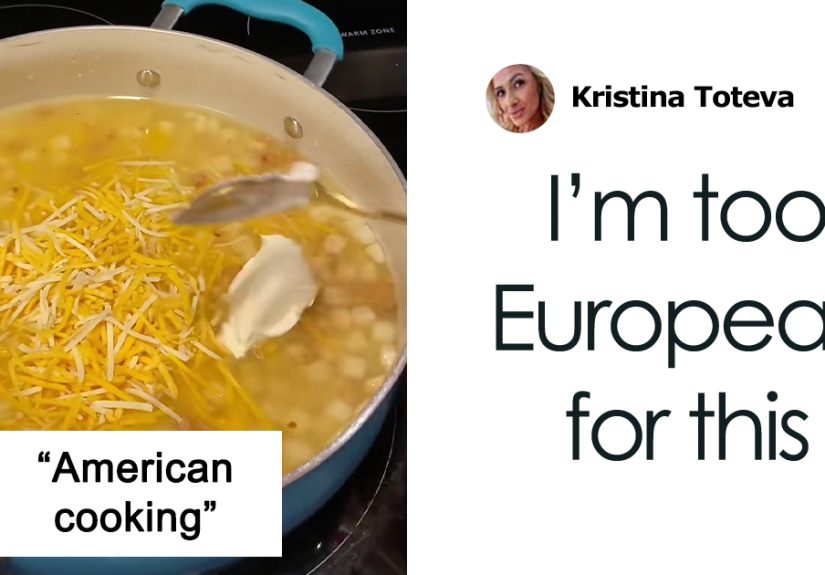
Somewhere online, a person with a sensible accent is staring into the middle distance like they’ve just witnessed a minor haunting. The caption reads: “I’m too European for this.” The “this” might be a hot dog wearing a donut as a coat. It might be a cheeseburger that replaced the bun with more chicken. Or it might be a pickle that took a bubblegum bath and came out looking like it joined a pop band.
The phrase is part joke, part culture shock, and part nervous laughterthe internet’s way of processing food that feels like it was invented during a dare. But these viral “American food crimes” don’t come out of nowhere. They’re built on real traditions: state fairs that treat deep-frying like a sport, regional snacks that started as community fundraisers, and a national talent for turning comfort food into spectacle.
Let’s unpack the wild American food creations that have repeatedly sent the internet into spiral modeand why they exist in the first place. Spoiler: it’s not because Americans wake up daily and choose chaos (though… some mornings, yes).
Why “Wild American Food” Goes Viral So Easily
Viral food is rarely about hunger. It’s about storythe “wait, WHAT is that?” factor. In the U.S., food has long doubled as entertainment: diners with mile-long menus, drive-thru innovation labs, and state fairs where culinary ideas are judged like science projects (except the volcano is cheese).
- Novelty wins attention. A normal burger is lunch. A burger with ramen “buns” is a conversation.
- Extreme contrasts read well on camera. Sweet + salty. Crunchy + gooey. “This should not work” + “why does it look amazing?”
- Fairs and fast food reward boldness. Limited-time items and “most creative” contests encourage edible stunts.
- America’s food culture is a remix culture. Immigrant cuisines, regional traditions, and pop-culture cravings collidesometimes gloriously, sometimes loudly.
The “I’m too European for this” reaction is also a useful myth-buster: it reminds us that what feels normal in one place can look absolutely unhinged in another. And honestly, that’s half the fun of food travelexcept the travel happens via TikTok, and the jet lag is emotional.
State Fair Physics: If It Exists, It Can Be Fried
If you want to understand America’s most notorious “internet-traumatizing” foods, start at the state fair. Historically, fairs showcased agriculture and craftsmanship. Today, they still dobut they also showcase what happens when you give a creative person a deep fryer and permission to be dramatic.
Deep-Fried Butter: The Snack That Sounds Like a Punchline
Deep-fried butter is exactly what it sounds like: butter (often frozen), coated, fried, and served hot. It became famous after its debut at the State Fair of Texas, where it won “most creative” style bragging rights and immediately joined the pantheon of “surely this is satire” foods.
The internet’s reaction tends to be a three-step process: denial (“no one would do that”), fear (“how is it not illegal”), and curiosity (“okay but what does it taste like”). The honest answer: it tastes like warm, salty pastry with a molten centermore “fair dessert energy” than “I’m eating a stick of butter in a trench coat.”
Fried Coke: Soda, But Make It a Dessert Planet
Fried Coke isn’t a can dropped into oil (the internet would explode). It’s typically a Coca-Cola-flavored batter or dough that’s fried and then topped with syrup, whipped cream, and sugarbasically soda turned into a carnival dessert.
This is peak “American fair logic”: take something already beloved, transform it into something handheld, then add toppings until it becomes a small event. Europeans watching this often react like they’re witnessing a magic trick performed by someone who should not have access to magic.
Deep-Fried Oreos and Twinkies: The Gateway Fried Foods
Deep-fried Oreos are the friendly introduction to the deep-fried universe: a cookie dipped in batter, fried, and dusted like it’s going to prom. Deep-fried Twinkies do something similarturning a shelf-stable snack cake into a hot, creamy, crisp-edged dessert that tastes like nostalgia with extra volume.
These treats became fair icons because they’re familiar and shocking at the same time. The Oreo and the Twinkie are already culturally loaded in the U.S.; deep-frying them turns “snack” into “spectacle.” Online, they’re also perfect rage-bait for comment sections: half the internet screams “WHY,” and the other half says “because it’s delicious, mind your business.”
Bunless and Unbothered: Sandwiches That Break the Rules
The sandwich is a universal language. Which is why the internet takes it personally when America starts free-styling with the concept. Some of the most infamous viral foods are basically sandwiches that look like they were designed by a committee made of gym bros and chaos goblins.
KFC’s Double Down: When Chicken Replaces Bread
The Double Down became an internet legend by removing the bun entirely and replacing it with two pieces of fried chicken, stuffed with bacon, cheese, and sauce. It’s less “sandwich” and more “edible flex.”
What made it go viral wasn’t just the caloriesit was the symbolism. It represented a specific kind of American fast-food bravado: We heard your rules. We deep-fried them. Even people who never ate one felt like they had an opinion about it, which is the secret sauce of virality.
The Ramen Burger: A Love Story Between NYC Lines and Noodle Buns
The ramen burger (ramen “buns” hugging a beef patty) hit peak viral status because it’s visually irresistible: crispy noodle discs, glossy sauce, and the thrill of a mashup that sounds wrong but looks right.
It also captures something very American about modern food trends: the willingness to remix cultures on a plate, then let social media decide whether it’s genius or a culinary jump scare. The noodle bun is clever, messy, and deeply photogenic basically engineered for the internet’s attention economy.
The Donut Burger (Luther Burger): Sweet-Savory With No Seatbelt
If the Double Down is protein maximalism, the donut burger is sugar-and-salt maximalism: a burger served with glazed donuts as the “bun.” People don’t just taste it; they experience itlike an amusement park ride for your mouth.
Online reactions usually include: “That’s dessert.” “That’s dinner.” “That’s a cry for help.” And then someone quietly admits they’d try it “just once,” which is how every questionable food decision begins.
Sweet-Savory Chaos: When Breakfast and Dinner Collide
One reason “American food” shocks outsiders is the country’s comfort with sweet-and-savory pairings. That comfort runs from brunch classics to full-blown mashups that feel like they were invented during a midnight fridge raid.
Chicken and Waffles: The Classic That Still Confuses People
Chicken and waffles is the polite version of sweet-salty chaos: crispy fried chicken on waffles, often with syrup or honey. It’s beloved in the U.S., and still regularly triggers European disbelief online because it flips the expected script: waffles are dessert, chicken is dinnerwhy are they sharing a plate?
The magic is contrast. The waffle brings sweetness and softness; the chicken brings crunch and savory depth. Add heat (hot honey, peppery seasoning), and it becomes less “why would you do this” and more “okay, I get it now.”
The Bacon Era: When Everything Got “Improved” With Pork
Americans love bacon. For a while, the internet watched bacon get added to everythingdonuts, cocktails, chocolate, even novelty gift baskets that seemed to whisper, “Congratulations on your new personality.”
The bacon craze peaked when it became less about flavor and more about shock value. It’s the same mechanism behind other viral foods: take a beloved ingredient, put it somewhere unexpected, and wait for the comments to arrive.
Brine Crimes and Neon Snacks: Pickles That Went Off-Script
Pickles are already divisive. Now imagine a pickle that looks like it was dyed for a children’s TV show. Enter the Kool-Aid pickle, also known as the “koolickle”: dill pickles soaked in sweetened Kool-Aid, resulting in a bright, sweet-sour snack.
Kool-Aid Pickles: The Snack That Looks Like It Escaped a Science Lab
This treat has roots in the Mississippi Delta and Southern communities, often appearing through informal local salesfundraisers, convenience stores, community events. It’s a real regional snack that went mainstream-viral because it’s visually loud and conceptually confusing.
The flavor is the point: sour brine meets candy sweetness. For some people, that’s horrifying. For others, it’s exactly the kind of sweet-salty punch that makes snack culture fun. Either way, the internet can’t look away from something that appears to be both pickle and dessert simultaneously.
Everything Inside Everything: America’s “Matryoshka Dinner” Moment
Sometimes the wildest foods aren’t about frying or sugar. Sometimes they’re about scale and ambitionlike asking, “What if we turned one roast into three roasts and called it a tradition?”
Turducken: The Legendary Three-Bird Roast
Turducken is a deboned chicken inside a deboned duck inside a deboned turkey. It sounds like a joke until you realize it’s a real holiday centerpiece associated with Louisiana and popularized nationally through football culture. It’s the culinary equivalent of wearing three jackets because you can.
Why does it “traumatize” the internet? Because it’s a food that looks like it was designed by someone who never learned the meaning of “enough.” But for fans, it’s not just shockit’s practicality (multiple flavors, one roast) and celebration (it’s hard to make, which makes it feel special).
Retro Americana That Still Breaks People’s Brains
Not all internet-shocking foods are new. Some are classic American “church basement” or “holiday table” dishes that look like dares to modern eyes especially when photographed under harsh kitchen lighting and posted with zero context.
Jell-O Salads and Savory Gelatin: The Wobble That Launched a Thousand Memes
Mid-century America loved gelatin moldssweet, savory, layered, suspended with fruit, vegetables, or… vibes. Today, these dishes resurface online as retro horror-comedy: people are equal parts fascinated and frightened by a “salad” that jiggles.
But the why matters. Gelatin dishes were once symbols of modern convenience, domestic skill, and entertaining flair. In their time, they represented aspirationfood that looked fancy, held its shape, and fed a crowd.
Ambrosia Salad: Dessert Disguised as a Side Dish
Ambrosia salad is another classic that confuses outsiders: fruit, coconut, and a creamy base that can include whipped topping, sour cream, or marshmallow-adjacent ingredients depending on the family and the decade.
To Europeans, the idea of calling this a “salad” can feel like linguistic betrayal. To many Americansespecially in the Southit’s nostalgia in a bowl, often tied to holidays and potlucks. The name is a wink: it’s not trying to be kale.
So… Do Americans Actually Eat Like This All the Time?
This is where the internet narrative gets a little unfair. A deep-fried butter ball is not a typical Tuesday lunch. Neither is a turducken. These foods are event foods: fair foods, holiday foods, novelty foods, “we drove 40 minutes because TikTok dared us” foods.
The U.S. also has incredible everyday food that doesn’t go viral because it’s not shocking: regional seafood boils, excellent barbecue traditions, farmers-market produce, immigrant-run restaurants serving deeply traditional cooking, and home meals that look perfectly normal.
Viral “wild American food” is a highlight reel. It’s the fireworks, not the whole sky.
How to Try Viral American Foods Without Regret
- Start with the classics. If you’re curious, begin with chicken and waffles or a deep-fried Oreohigh reward, lower existential dread.
- Split everything. Most fair foods are designed for sharing, even if they arrive like a personal challenge.
- Embrace the moment. The point is the story. If it’s ridiculous, that’s not a bugit’s the feature.
- Hydrate and pace yourself. This isn’t a sprint. It’s a cultural field trip.
500-Word Experience Add-On: “Too European” Field Notes From the Comment Section
If you want the real museum of “I’m too European for this,” don’t start with menusstart with reactions. The experience isn’t just tasting the food; it’s watching your brain try to categorize it. Europeans online often describe the first encounter with extreme American novelty food like a glitch: their internal food map doesn’t have a folder labeled “fried butter,” so the mind briefly freezes while the eyes keep scrolling.
The most common emotional arc goes like this: shock (“surely that’s a prank”), then moral bargaining (“this can’t be a regular thing”), then anthropology (“okay, explain the tradition”), and finallyquietly, often at 2 a.m. curiosity (“but does it taste good?”). That last step is where the internet becomes honest. Because even the loudest skeptics know that flavor doesn’t care about your passport.
People who visit American state fairs (or even just watch fair-food videos) describe a specific sensory vibe: the air smells like sugar and fryer oil, there’s music somewhere in the distance, and everything feels slightly larger than necessaryin portion size, in presentation, in confidence. A deep-fried Oreo isn’t served like a delicate pastry; it’s handed over like a trophy. It arrives hot, powdered, and dramatic, as if it expects applause.
The “trauma” often comes from combinations that challenge cultural boundaries more than taste buds. A donut burger can feel like an attack on categories: bread is supposed to be neutral, donuts are supposed to be sweet, and meat is supposed to stay in its lane. But Americansespecially the kind who invent viral foodstreat lanes like suggestions. The first bite can be disorienting in a strangely pleasant way: salty beef and cheese, then glaze sweetness, then the brain again asking, “Is this allowed?” The answer, culturally speaking, is: in America, it’s allowed if it sells and someone films it.
Kool-Aid pickles create a different kind of experience: they look like candy, but they crunch like a pickle, and the taste swings between sweet and sour like a playground dare. People describe them as “confusing but addictive,” which is a phrase that could also describe half of the internet. The strongest reactions usually come from those expecting one thing and getting anotherbecause the snack is basically misdirection in brine form.
And then there’s turduckenthe moment you realize the “wild American food” conversation isn’t only about sugar and frying. It’s also about celebration and excess as a love language: more birds, more stuffing, more story. For some visitors, it’s over-the-top. For others, it’s impressivean edible centerpiece designed to feed a crowd and spark conversation.
Ultimately, the “too European” experience isn’t just judgment; it’s fascination. It’s culture shock mixed with genuine curiosity. The internet laughs, gasps, and clutches its pearlsthen watches the next clip. Because whether you call it innovation or insanity, American novelty food has mastered one thing perfectly: it keeps you looking.
Conclusion
“I’m too European for this” is funny because it’s relatable: we’ve all seen a food that made us question reality. But America’s wild viral creationsfried butter, ramen buns, Kool-Aid pickles, turduckenaren’t random. They’re built from traditions of celebration, showmanship, regional creativity, and a deep belief that food should be comforting and entertaining.
And if that sometimes results in a donut burger that makes the internet whisper “help”… well. At least it’s never boring.