Table of Contents >> Show >> Hide
- What Are Invisible Orthodontic Aligners?
- Who Are Clear Aligners For?
- Top Benefits of Invisible Orthodontic Aligners
- The Clear Aligner Process, Step by Step
- Step 1: Consultation and full dental check
- Step 2: Records (digital scan, photos, X-rays)
- Step 3: Treatment planning (your “roadmap”)
- Step 4: Attachments, “buttons,” and (sometimes) gentle reshaping
- Step 5: Getting your first set of aligners
- Step 6: Wearing schedule and tray changes
- Step 7: Check-ins and monitoring
- Step 8: Refinements (common, not a failure)
- Step 9: Retainers (the “keep it” phase)
- Daily Life With Aligners: What Changes (and What Doesn’t)
- Cost, Insurance, and Value
- Important Safety Note: Supervision Matters
- FAQs: Invisible Orthodontic Aligners
- How long does clear aligner treatment take?
- Do aligners hurt?
- What happens if I don’t wear them 20–22 hours a day?
- Can I eat with aligners in?
- Can I drink coffee or soda with aligners in?
- Are clear aligners only for adults?
- Will I need attachments?
- What if I lose an aligner?
- Do I still need a retainer after aligners?
- Conclusion: Are Invisible Aligners Worth It?
- Real-World Experiences: What Treatment Feels Like (and What People Wish They Knew)
If you’ve ever wanted straighter teeth without feeling like you’re wearing a tiny construction site in your mouth, invisible orthodontic aligners (aka “clear aligners”) are probably already on your radar. They’re the modern, low-profile way to nudge teeth into better alignmentwithout brackets, wires, or the constant fear of biting into something that sounds like it could break a car window.
But let’s be real: clear aligners aren’t magic, and they’re not “set it and forget it.” They work best when you understand what they can do, how the process actually goes, and what daily life looks like when your teeth are on a carefully scheduled journey.
This guide covers the benefits, step-by-step process, realistic expectations, and the questions people ask mostso you can walk into a consultation sounding like you’ve done your homework (without having to read 37 tabs at 2 a.m.).
What Are Invisible Orthodontic Aligners?
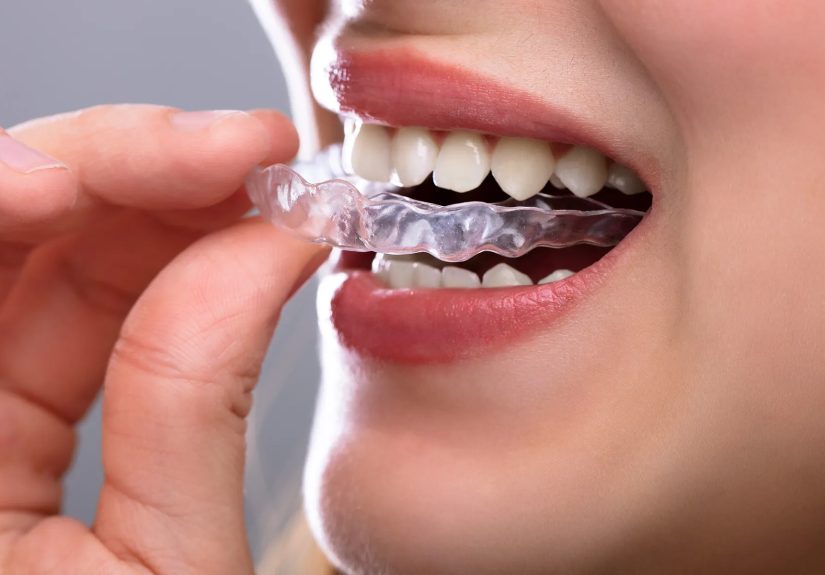
Invisible orthodontic aligners are clear, custom-fit trays that gently move your teeth over time. You wear a set of aligners for a short period, then switch to the next set in the series. Each new tray applies slightly different pressure, guiding your teeth in small “micro-movements” toward the planned final position.
You may hear them called clear aligners, invisible braces, or by brand names like Invisalign or other doctor-supervised systems. The big idea is the same: a digitally planned orthodontic treatment that’s removable, more discreet, and often easier to keep clean than traditional braces.
Who Are Clear Aligners For?
Clear aligners can be a strong option for many teens and adultsespecially for mild to moderate alignment concerns. Common reasons people consider invisible aligners include:
- Crowding (teeth overlapping or twisting)
- Spacing (gaps between teeth)
- Overbite, underbite, or crossbite (bite issues that may be mild to moderate)
- Relapse (teeth shifting after braces or after years of “retainer… who?”)
That said, aligners aren’t the best fit for every situation. More complex bite corrections, significant rotations, major jaw discrepancies, or cases needing intensive tooth movement may still be better handled with braces or other orthodontic approaches. The best way to know is a professional evaluation that includes a full exam and diagnostic recordsnot just a mirror selfie and good vibes.
Top Benefits of Invisible Orthodontic Aligners
1) Discreet appearance
The obvious perk: they’re clear. Most people won’t notice them unless they’re standing very close, staring directly at your teeth like they’re trying to read subtitles.
2) Removable for eating and oral care
Because aligners are removable, you can brush and floss normally (no threading floss through wires like you’re defusing a tiny dental bomb). You also take them out to eat, which usually means fewer “food rules” compared with braces.
3) Potentially more comfortable day-to-day
Many patients find aligners cause less cheek and lip irritation than brackets and wires. You can still expect some sorenessespecially after switching traysbut the overall experience is often described as “pressure” rather than “my mouth is being attacked by metal.”
4) A more predictable, digitally planned roadmap
Clear aligner treatment is typically built around a digital plan created from scans and other records. That plan maps out each stage, and your aligners are manufactured to match the sequence. (Translation: your teeth are following directionssomething humans don’t always do.)
5) Fewer emergency visits
With braces, broken brackets and poking wires happen. With aligners, “emergencies” are usually more like “I left my trays in a napkin and now they’re gone.” Still stressfulbut different.
The Clear Aligner Process, Step by Step
While details vary by provider and brand, most invisible aligner treatments follow a similar flow.
Step 1: Consultation and full dental check
Before you start, your provider will evaluate your teeth and bite and check that your mouth is healthy enough for orthodontic movement. Cavities, gum issues, or other problems typically need to be handled firstbecause moving teeth in an unhealthy environment is like remodeling a house with a leaking roof.
Step 2: Records (digital scan, photos, X-rays)
Many offices use an intraoral scanner to create a 3D model of your teeth. Photos and X-rays help assess roots, bone, and bite relationships. These records guide diagnosis and treatment planning.
Step 3: Treatment planning (your “roadmap”)
Your provider designs a staged plan: which teeth move, when they move, and how the bite should come together. This is where aligners shinesmall, controlled steps are the whole point.
Step 4: Attachments, “buttons,” and (sometimes) gentle reshaping
Many people need attachmentstiny tooth-colored bumps bonded to certain teeth. They act like little “grips” so the aligners can rotate or guide teeth more precisely. Some cases also use elastic bands with small buttons/hooks to help correct bite relationships.
Some patients also need interproximal reduction (IPR), which is a small amount of enamel polishing between certain teeth to create space. When recommended, it’s carefully planned and conservativebut it can sound scarier than it is. (No, they’re not turning your teeth into pencils.)
Step 5: Getting your first set of aligners
Once your aligners arrive, you’ll get instructions on wear, how to insert/remove them, and how to use any accessories like chewies (small cushions you bite on to help seat aligners fully).
Step 6: Wearing schedule and tray changes
Most plans require wearing aligners about 20–22 hours per day, removing them only for eating, drinking anything other than water, and oral hygiene. Tray changes commonly happen every 1–2 weeks, depending on your provider’s protocol and your specific plan.
Step 7: Check-ins and monitoring
You’ll have periodic visits (or monitored check-ins) to confirm your teeth are tracking with the plan. If something is offlike an aligner not fitting snuglyyour provider may adjust the plan, recommend techniques to improve tracking, or schedule a refinement.
Step 8: Refinements (common, not a failure)
Many patients need refinements: additional aligners to fine-tune tooth positions or improve bite fit. Think of it as tailoringmost people don’t walk out of the fitting room with a perfect suit on the first try.
Step 9: Retainers (the “keep it” phase)
After active movement, you’ll wear a retainer to help prevent teeth from shifting back. This is not optional if you like your new smile. Teeth have memories. They will try to return to their old neighborhood.
Daily Life With Aligners: What Changes (and What Doesn’t)
Eating and drinking
You’ll remove aligners to eat. Water is generally fine with trays in, but sugary drinks, coffee, tea, soda, and anything hot can cause problemsstaining, increased cavity risk, or even warping the aligner material if the liquid is too hot. A simple rule: when in doubt, take them out.
Oral hygiene gets more important, not less
Because aligners cover teeth for most of the day, you don’t want to trap sugars or plaque underneath them. The best routine is boring but effective:
brush and floss after meals before putting aligners back in, and clean the trays daily.
Cleaning aligners
- Rinse aligners when you remove them to reduce saliva and plaque buildup.
- Brush gently with a soft toothbrush and mild, clear soap (avoid hot water).
- Use a soak recommended by your provider if buildup or odor becomes an issue.
- Store aligners in a casepockets and napkins are where aligners go to disappear forever.
Speech and comfort
Some people get a temporary lisp during the first days. Your tongue is basically saying, “Excuse me, why is there a new roommate?” It usually fades as you adapt. Mild soreness or pressure is common, especially after switching to a new tray.
Cost, Insurance, and Value
Clear aligner cost depends on case complexity, location, and provider experience. In many markets, aligner therapy is priced similarly to braces for comparable cases, though it can be higher for certain plans or premium systems. The biggest “value” factor isn’t just priceit’s whether aligners are the right tool for your specific tooth movements and bite goals.
Insurance can help, but it varies widely. If your dental plan includes orthodontic benefits, aligner treatment may be covered similarly to traditional braces, often subject to lifetime orthodontic maximums and plan rules. Always verify with your plan and provider so there are no budget surprises halfway through.
Important Safety Note: Supervision Matters
Orthodontic tooth movement is a medical/dental process, not a cosmetic sticker you slap on and hope for the best. A supervised plan typically includes a full exam, diagnostics, monitoring, and adjustments if your teeth aren’t tracking properly.
Direct-to-consumer or unsupervised approaches have raised concerns among professional organizations, and real-world events (like sudden company shutdowns) have highlighted a practical issue: if something goes wrong mid-treatment, you want a local clinician who can helpnot a customer support email that answers in three business centuries.
FAQs: Invisible Orthodontic Aligners
How long does clear aligner treatment take?
Many cases fall in a broad range from several months to around 1–2 years, depending on how much movement is needed and how consistently aligners are worn. Mild spacing or relapse can be faster; bite corrections and more complex movements can take longer. Your provider will estimate a timeline after reviewing your records.
Do aligners hurt?
Expect pressure and mild sorenessespecially for the first day or two of a new tray. That pressure is a sign the aligners are working. Severe pain isn’t “normal,” so tell your provider if something feels wrong.
What happens if I don’t wear them 20–22 hours a day?
Teeth won’t move on schedule, aligners may stop fitting properly, and your treatment can drag on longer or require extra refinements. Clear aligners are extremely effective… when they’re actually in your mouth.
Can I eat with aligners in?
Typically no. Chewing with aligners can damage them and trap food against teeth. Remove trays, eat, brush/floss, then reinsert.
Can I drink coffee or soda with aligners in?
Water is the safest drink with aligners in. Sugary, acidic, or dark drinks can increase cavity risk and stain trays. Hot drinks can also distort the plastic. If you do drink something besides water, it’s usually best to remove aligners and clean teeth before putting them back.
Are clear aligners only for adults?
No. Many teens are treated with clear aligners too, as long as they’re good candidates and can follow the wear schedule. Adults can also be excellent candidatesage alone isn’t the deciding factor.
Will I need attachments?
Many patients do. Attachments help the aligner grip teeth for movements like rotations, extrusion (pulling a tooth down), or more precise control. They’re tooth-colored and usually not very noticeable.
What if I lose an aligner?
Call your provider. They may advise wearing the previous tray, moving to the next tray (only if appropriate), or ordering a replacement. Don’t “freestyle it” with a random tray choice unless your provider directs you.
Do I still need a retainer after aligners?
Yes. Retainers help maintain your results. Teeth naturally shift throughout life, and orthodontic work needs retentionwhether you used braces or aligners.
Conclusion: Are Invisible Aligners Worth It?
Invisible orthodontic aligners can be a fantastic option if you want a discreet look, removable convenience, and a digitally planned path to straighter teeth. The tradeoff is responsibility: aligners demand consistency, strong hygiene habits, and professional oversight for the best results.
If you’re considering clear aligners, focus on three things: your candidacy (are aligners right for your bite?), your lifestyle (can you wear them 20–22 hours a day?), and your plan (is it supervised with proper diagnostics and monitoring?). Get those right, and you’re not just buying a prettier smileyou’re investing in a healthier bite and a result that lasts.
Real-World Experiences: What Treatment Feels Like (and What People Wish They Knew)
Clear aligner treatment is one of those things that sounds easy on paper: “Wear trays, switch trays, boomnew smile.” In real life, it’s still very doable, but it comes with tiny daily moments that patients love, hate, laugh at, and eventually master.
First, there’s the “Where did my mouth go?” phase. The first day or two, many people notice extra saliva, mild pressure, and a feeling that their teeth are wearing a snug little helmet. Some also get a light lisp, especially on “s” sounds, which can make you feel like you’re auditioning for the role of “person who just got a new retainer.” The good news: most people adapt quickly, and speech usually normalizes as your tongue gets used to the new shape.
Next comes the routine reality check. Patients often say the biggest lifestyle shift isn’t painit’s logistics. If you’re a frequent snacker, aligners can gently push you toward structured meals. You start thinking, “Is this handful of chips worth removing trays, eating, brushing, flossing, cleaning trays, and putting everything back?” Sometimes the answer is yes. Sometimes you decide chips can wait. (This is not a diet plan, but it can accidentally turn you into a person who respects schedules.)
Then there’s the “aligner case economy”. Patients who keep their case with them tend to do better. Patients who wrap trays in a napkin tend to eventually say, “I threw away my aligners.” Restaurants are the top danger zone because napkins look exactly like trash and aligners look exactly like… nothing. Many experienced aligner wearers keep a small kit: case, travel toothbrush, floss picks, and maybe a mini mouthwash. It’s not glamorous, but neither is calling the office to explain that your trays are somewhere in a landfill.
Comfort-wise, a common experience is pressure right after a tray change. Some patients plan tray changes at night so they can sleep through the “new tray tightness.” Others switch after dinner and take it easy for the next 12 hours. Either way, people often report that the first day is the most noticeable and then it settles into a background feelinglike wearing a watch you forget about until you take it off.
The most satisfying moment many patients describe is the first obvious change: a front tooth that finally lines up, a gap that shrinks, or photos where they stop angling their face like they’re trying to hide a witness identity. That’s when motivation spikesand wear time tends to get easier because the results feel real.
Finally, long-term aligner veterans will tell you the same thing: retainers are the victory lap. People who love their results treat retainers like a non-negotiable, the way you treat brushing your teeth or charging your phone. The most common “regret story” isn’t about pain or attachmentsit’s about skipping retention and watching teeth slowly drift back. Clear aligners can absolutely deliver a strong result, but keeping that result is a partnership between your orthodontic plan and your habits.