Table of Contents >> Show >> Hide
- What Are Leather Hole Punch Pliers?
- How Leather Hole Punch Pliers Work
- Common Uses for Leather Hole Punch Pliers
- What to Look for When Buying Leather Hole Punch Pliers
- Leather Hole Punch Pliers vs. Other Punches
- How to Use Leather Hole Punch Pliers the Right Way
- Common Mistakes to Avoid
- Maintenance Tips for Better Performance
- Real-World Experience: What Using Leather Hole Punch Pliers Actually Feels Like
- Final Thoughts
Leather hole punch pliers are one of those tools that look humble on the workbench but behave like tiny VIP bouncers for your project: no hole, no entry. Whether you are adjusting a belt, repairing a watch strap, building a dog collar, or making a bag strap from scratch, this tool can save time, save frustration, and save you from the deeply questionable decision of trying to stab leather with whatever sharp object happens to be nearby. That method is called “chaos,” not craftsmanship.
If you have ever shopped for leather hole punch pliers, you already know the market is crowded with promises. Some models advertise six rotating sizes, some brag about compound leverage, and others whisper sweet nothings like “ergonomic grip” while your hand is still recovering from the last cheap punch you bought. The truth is simple: the best leather hole punch pliers are not necessarily the fanciest ones. They are the ones that match your material, make clean holes, and do not feel like a medieval hand workout after three squeezes.
This guide breaks down what leather hole punch pliers are, how they work, when to use them, when not to use them, how to choose a good pair, and how real users experience them in day-to-day projects. If you want cleaner holes and fewer tool regrets, you are in the right place.
What Are Leather Hole Punch Pliers?
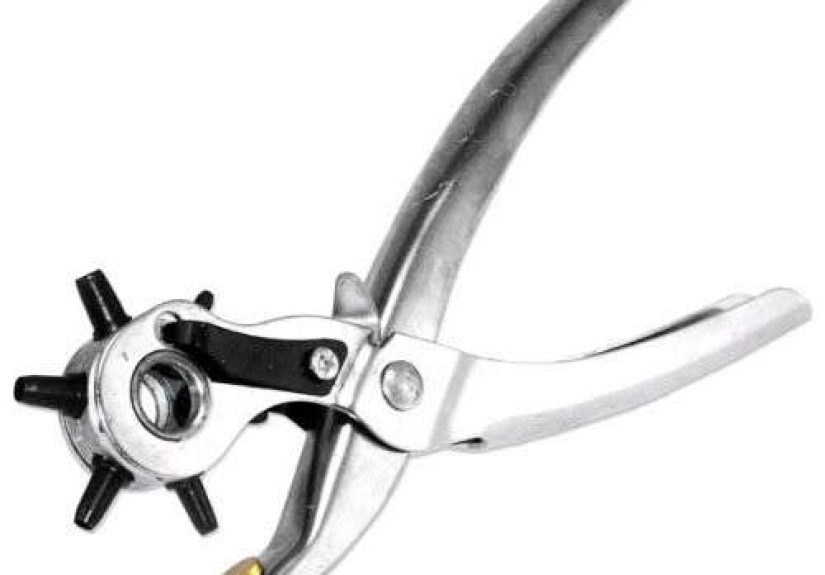
Leather hole punch pliers, often called rotary punch pliers or revolving punch pliers, are handheld tools designed to punch round holes into leather and similar materials. Most models feature a rotating wheel fitted with several hollow punch tubes in different diameters. Instead of reaching for a separate punch and mallet every time you need a different hole size, you rotate the wheel, line up the size you want, squeeze the handles, and make the hole.
That design makes leather hole punch pliers especially useful for light- to medium-duty work, repairs, and projects that require convenience more than brute force. Think belts, purse straps, watch bands, pet collars, sandals, notebook covers, soft tack repairs, and small leather goods. In other words, they are the multitool of the hole-making world.
Why People Like Them
The appeal is obvious. They are fast. They are compact. They often come with multiple punch sizes built into one tool. Many newer models also use compound action, which means the handle design multiplies your hand force so punching feels easier and more controlled. For hobbyists and casual makers, that is a huge win.
Where They Fit in Leatherworking
In a leather shop, leather hole punch pliers are usually not the only hole-making tool. Serious leatherworkers often keep rotary pliers alongside drive punches, oblong punches, stitching chisels, scratch awls, and strap end punches. Rotary pliers are excellent for quick round holes. They are less ideal when you need ultra-clean holes in thick leather, perfect production consistency, or specialty shapes. That does not make them a lesser tool. It just makes them a specialized one.
How Leather Hole Punch Pliers Work
The tool operates through a simple but clever mechanism. One side of the pliers holds the rotating turret of punch tubes. The opposite side has an anvil or backing plate. When you squeeze the handles, the selected hollow tube presses through the leather and into the anvil, cutting a round plug from the material.
The best part is the built-in convenience. You do not usually need a separate mallet, and with many models you do not need an additional punching block either. That makes leather hole punch pliers especially attractive for home use, apartment crafting, or quick repairs at a workbench where you do not want ten tools scattered around like a hardware store tornado.
Still, good results depend on more than just squeezing. Clean punching requires sharp tubes, correct alignment, a properly selected size, and realistic expectations about leather thickness. If your punch is dull or the leather is too thick, the tool can compress the material instead of cutting it cleanly. That is when frustration enters the room wearing steel-toe boots.
Common Uses for Leather Hole Punch Pliers
One reason this tool remains popular is versatility. Leather hole punch pliers can handle a surprising variety of common jobs:
1. Adjusting Belts
This is probably the most famous use. If your belt says “medium” but your lunch says otherwise, a rotary punch can add a neat new hole in minutes.
2. Repairing Watch Straps
Watch bands often need small, precise holes. A punch plier with multiple tube sizes is much better than improvising with a nail, needle, or bad decisions.
3. Making Dog Collars and Leashes
Pet gear often needs regularly spaced holes for buckles and hardware. Rotary pliers help you work quickly on softer leather or layered synthetic materials.
4. Crafting Bags and Straps
Bag tabs, closures, shoulder straps, and decorative attachments frequently need round holes for rivets, Chicago screws, snaps, or lacing.
5. Small Leather Goods
Wallets, journals, key fobs, and notebook covers can all benefit from a punch that is easy to position and simple to use.
What to Look for When Buying Leather Hole Punch Pliers
Not all leather hole punch pliers deserve a spot in your toolbox. Some are smooth, accurate, and durable. Others feel like they were engineered by someone who is deeply offended by human hands. Here is what matters most.
Build Quality
Look for steel construction, solid pivots, and a turret that locks into position without wobbling. Better models often use forged or heavy-duty steel frames, while cheaper ones may flex under pressure. Flex is not your friend when you want a clean, centered hole.
Punch Tube Quality
The cutting tubes do the real work. Sharp, hardened tubes produce cleaner holes and require less force. Replaceable tubes are a major advantage because they extend the life of the tool. Once a tube dulls, chips, or deforms, being able to replace it is far better than turning the whole tool into a drawer ornament.
Comfort and Leverage
Compound-action punch pliers are worth serious consideration if you plan to use the tool regularly. They reduce hand strain and improve control. Cushioned or ergonomic grips also help, especially for longer sessions or users with less grip strength.
Available Hole Sizes
Many models offer six sizes, often in a range suitable for belts, straps, and hardware installation. Before buying, think about your most common use. Tiny watch strap holes and larger belt holes are not the same job.
Reach and Visibility
The throat depth, or reach from the edge of the material to the punch, affects where you can place holes. For edge work on belts and straps, most pliers are fine. For holes farther from the edge, you may want a different tool entirely.
Leather Hole Punch Pliers vs. Other Punches
Rotary Pliers vs. Drive Punches
If you need convenience, portability, and multiple sizes in one tool, leather hole punch pliers are the clear winner. If you need the cleanest possible hole through thicker leather, drive punches and a mallet often do better.
Rotary Pliers vs. Stitching Tools
Do not confuse leather hole punch pliers with stitching chisels or pricking irons. Rotary pliers make round holes. Stitching tools create evenly spaced slits or marks for hand sewing. One is for hardware and adjustment holes; the other is for neat stitching lines and professional seam work.
Rotary Pliers vs. Oblong Punches
If you are making the long center slot for a belt buckle tongue, leather hole punch pliers are not the right tool. That job calls for an oblong or slot punch. Rotary pliers are great, but they are not magical. Let them have boundaries.
How to Use Leather Hole Punch Pliers the Right Way
Measure First
Mark your hole placement with a ruler, wing divider, or scratch awl. Eyeballing can work if you enjoy asymmetry, but most people do not want their finished strap to look like it lost a bet.
Select the Correct Size
Rotate the turret to the punch tube that matches your project. For belt adjustments, match the existing holes whenever possible so the new hole looks original rather than suspiciously homemade.
Support the Material
Lay the leather flat and stable. Even though many rotary pliers have a built-in anvil, better control comes from working on a firm surface with the leather fully supported.
Line Up Carefully
Check your mark, make sure the selected tube is fully seated, and keep the tool square to the leather. Tilting the pliers can produce oval-looking holes, ragged edges, or the kind of misfire that makes you suddenly interested in patch kits.
Squeeze With Steady Pressure
Use one firm, controlled motion. Do not nibble at the hole with repeated half-squeezes. Leather prefers confidence. So do tools.
Clear the Plug
After punching, remove the leather plug from the tube if it does not eject on its own. A clogged tube is one of the fastest ways to get messy, incomplete cuts on the next hole.
Common Mistakes to Avoid
Using Them on Leather That Is Too Thick
This is the classic mistake. Leather hole punch pliers are fantastic for many jobs, but dense, thick belt blanks or stacked layers may need a drive punch instead. Forcing the pliers can damage the tool and mangle the leather.
Punching With Dull Tubes
If your holes look fuzzy, crushed, or torn, the tubes may need sharpening or replacement. A sharp punch cuts. A dull punch negotiates badly.
Skipping Layout
A clean hole in the wrong place is still the wrong hole. Mark first. Punch second. Regret less.
Buying the Cheapest Option and Expecting Miracles
Budget tools can be fine for occasional repairs, but if you work with leather regularly, a better-built punch with replaceable tubes and good leverage is usually worth the extra money.
Maintenance Tips for Better Performance
Good leather hole punch pliers do not ask for much, but they do appreciate basic care.
Keep the Tubes Clean
Remove trapped plugs and debris after use. Leather dust and tiny plugs can build up quickly and reduce cutting efficiency.
Sharpen When Needed
Sharp tubes mean cleaner holes and easier squeezing. Depending on the model, you can touch up the cutting edges carefully or replace the tubes if the design allows it.
Oil the Moving Parts Lightly
A small amount of light machine oil on pivots helps keep the action smooth. Do not soak the tool. This is maintenance, not a salad dressing situation.
Store It Dry
Moisture is no friend to steel. Keep the pliers clean and dry to avoid rust, especially if the tool lives in a garage, shed, or basement workshop.
Real-World Experience: What Using Leather Hole Punch Pliers Actually Feels Like
The first time most people use leather hole punch pliers, they expect one of two outcomes: either magical perfection or complete disaster. The real experience sits in the middle, which is honestly where most useful tools live. When the punch is sharp, the leather is the right thickness, and the hole is marked properly, the result feels wonderfully satisfying. You line up the pliers, squeeze once, and out pops a neat little circle as if the project politely agreed to cooperate. It is one of those tiny workshop moments that makes you feel more competent than you were five minutes earlier.
Belts are often the gateway project. You buy the tool because one belt needs one extra hole, and suddenly you are punching watch straps, dog collars, tote handles, and anything else in the house that looks vaguely strap-shaped. The convenience is what hooks people. There is no hunting for a mallet, no balancing a separate punch, and no dramatic banging that makes the rest of the household wonder whether you have started blacksmithing in the kitchen.
That said, experience teaches humility fast. Many beginners discover that pressure alone does not guarantee a clean result. If the punch tube is slightly dull, the leather is thick, or the pliers are tilted even a little, the hole can come out rough around the edges. It is not usually a catastrophe, but it is enough to teach an important lesson: leather hole punch pliers reward setup. Mark the hole carefully. Match the size to the existing hardware. Hold the tool square. Clear the punch tube. Suddenly the tool looks smarter, even though the real upgrade was your technique.
Another common experience is hand fatigue. This depends heavily on the tool. A basic rotary punch can work fine for occasional use, but after a handful of holes, your grip may start filing complaints with management. Compound-action models change that experience quite a bit. They feel smoother, require less effort, and make repetitive punching less annoying. For anyone planning to make multiple straps or do frequent repairs, that difference is not marketing fluff. It is the difference between “this is fun” and “why is my hand negotiating a retirement package?”
Users also learn pretty quickly where the tool shines and where it politely waves someone else onto the stage. Soft to medium leather, single layers, belt adjustments, and quick round holes are its happy place. Thick vegetable-tanned belt blanks, layered strap assemblies, or production-level precision? That is where a drive punch and mallet often step in and say, “Thanks, I’ve got this.” Knowing that boundary makes the experience better, not worse. It helps you use the pliers for what they do best instead of blaming them for not being every other tool in the shop.
Over time, people who stick with leatherworking tend to appreciate leather hole punch pliers even more, not less. The initial novelty wears off, but the usefulness stays. They become the tool you grab for quick fixes, test holes, buckle adjustments, and last-minute corrections. They are not flashy. They are not dramatic. They are simply dependable when chosen well and used correctly. And in a workshop full of tools competing for attention, dependable earns a lot of respect.
Final Thoughts
Leather hole punch pliers are one of the most practical tools a leather crafter, repair-minded homeowner, or DIY enthusiast can own. They are easy to use, versatile, and ideal for common jobs like belts, straps, collars, and small leather goods. The key is choosing a model with solid construction, sharp or replaceable tubes, comfortable handles, and enough leverage for the work you actually do.
If your projects mostly involve quick repairs and light- to medium-duty leather, leather hole punch pliers can be a workhorse. If you are tackling thicker leather or need production-level precision, they are still useful, just not the only tool you should own. Use them where they excel, care for them properly, and they will save you time, effort, and more than a few project headaches.