Table of Contents >> Show >> Hide
- What Makes Little Caesars-Style Cheese Bread So Good?
- Ingredients for Little Caesars Copycat Cheese Bread
- Best Pan to Use
- How to Make Little Caesars Copycat Cheese Bread
- Recipe Card: Little Caesars Copycat Cheese Bread
- Tips for the Best Copycat Cheese Bread
- Flavor Variations
- What to Serve With Cheese Bread
- How to Store and Reheat Leftovers
- Common Mistakes to Avoid
- Frequently Asked Questions
- Why This Recipe Works
- Personal Experience: Making Little Caesars Copycat Cheese Bread at Home
- Conclusion
There are foods people politely enjoy, and then there are foods people protect like family heirlooms. Little Caesars-style cheese bread belongs in the second category. It is hot, buttery, garlicky, stretchy, golden around the edges, and dangerously easy to “taste-test” until half the pan mysteriously disappears. This Little Caesars Copycat Cheese Bread recipe brings that same crispy-edged, cheesy, pull-apart magic into your own kitchen without requiring a pizza portal, a secret handshake, or a red-and-orange drive-thru sign.
The goal here is not to make ordinary cheesy breadsticks. Ordinary cheesy breadsticks are fine. They show up, do their job, and leave quietly. This recipe aims for the bold, buttery, Italian-seasoned bread that tastes like pizza night got a promotion. The bread base is soft and chewy, the edges crisp up beautifully in an oiled pan, and the top is covered with a blend of melty cheese, garlic butter, Parmesan, and herbs. Serve it with warm marinara, ranch, or pizza sauce, and suddenly everyone in the room becomes very interested in “helping.”
What Makes Little Caesars-Style Cheese Bread So Good?
The secret is balance. A great copycat cheese bread needs a soft interior, a crisp bottom, a buttery-garlic finish, and enough cheese to make each square stretch when pulled apart. Little Caesars Italian Cheese Bread is known for its rectangular shape, crispy edge, melted cheese topping, garlic-butter flavor, and Italian spices. To recreate that experience at home, this recipe uses pizza dough pressed into a well-oiled pan, topped generously with mozzarella and Muenster, then finished with Parmesan and herbs.
Mozzarella gives the bread that familiar stretchy pull. Muenster adds a creamier melt and slightly richer flavor. Parmesan brings salty, savory depth. Garlic butter delivers the aroma that makes people wander into the kitchen asking, “Is that almost done?” The Italian seasoning gives the bread its classic pizzeria personality, while the oiled pan helps the bottom and edges brown like a mini deep-dish crust.
Ingredients for Little Caesars Copycat Cheese Bread
For the bread base
- 1 pound pizza dough, store-bought or homemade
- 2 tablespoons olive oil, divided
- 1 tablespoon unsalted butter, softened, for greasing the pan
- 1/4 teaspoon fine salt, optional if your dough is lightly seasoned
For the cheese topping
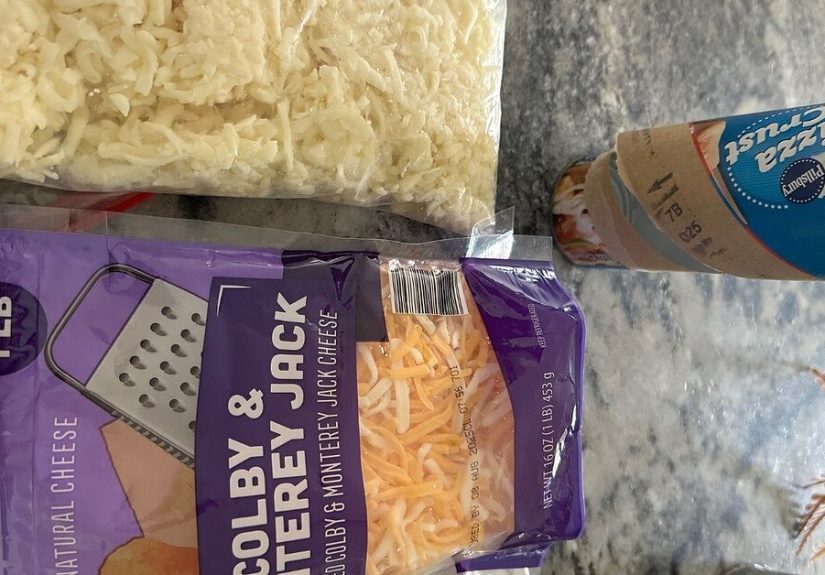
- 1 1/2 cups shredded low-moisture mozzarella cheese
- 1 cup shredded Muenster cheese
- 1/4 cup grated Parmesan cheese
- 1 teaspoon Italian seasoning
- 1/2 teaspoon garlic powder
- 1/4 teaspoon onion powder
- Pinch of crushed red pepper flakes, optional
For the garlic-butter finish
- 3 tablespoons unsalted butter, melted
- 1/2 teaspoon garlic powder
- 1/2 teaspoon dried parsley
- 1 tablespoon grated Parmesan cheese
- Warm marinara or pizza sauce, for dipping
Best Pan to Use
A 9-by-13-inch metal baking pan is the easiest choice for this recipe. Metal conducts heat well, which helps create a crisp bottom and browned edges. A glass dish can work, but it usually browns more slowly, so the bread may need a couple of extra minutes. A dark metal pan gives the most dramatic crispy edge, which is exactly what you want if you are chasing that takeout-style texture.
Do not be shy with the oil and butter in the pan. That thin layer of fat is not just there for flavor. It fries the bottom of the dough slightly as it bakes, giving the bread a golden, crisp base while keeping the inside soft and chewy. Think of it as the bread’s tiny spa day, except the spa is 425 degrees and covered in cheese.
How to Make Little Caesars Copycat Cheese Bread
Step 1: Bring the dough to room temperature
If your pizza dough has been refrigerated, let it sit at room temperature for 45 to 60 minutes before shaping. Cold dough is stubborn. It shrinks, snaps back, and behaves like it has somewhere better to be. Room-temperature dough stretches more easily and bakes with a better texture.
Step 2: Prepare the pan
Heat the oven to 425°F. Coat a 9-by-13-inch metal pan with 1 tablespoon softened butter and 1 tablespoon olive oil. Make sure the corners and sides are covered. Those corners are where the crispy, cheesy magic likes to happen.
Step 3: Press in the dough
Place the dough in the pan and gently press it toward the edges with oiled fingertips. If it springs back, cover it with a towel and let it rest for 10 to 15 minutes, then continue pressing. Do not wrestle the dough. You will not win, and the dough will file a complaint.
Step 4: Add a light oil layer
Brush the top of the dough with the remaining 1 tablespoon olive oil. This helps the cheese melt evenly and gives the bread a richer surface. If your dough tastes bland, sprinkle a tiny pinch of salt over the top before adding the cheese.
Step 5: Layer the cheese
Mix the mozzarella and Muenster together, then spread the cheese evenly over the dough. Push a little cheese close to the edges so it browns where the dough meets the pan. Sprinkle Parmesan, Italian seasoning, garlic powder, onion powder, and optional red pepper flakes over the top.
Step 6: Bake until golden and bubbly
Bake for 14 to 18 minutes, or until the cheese is melted, bubbling, and lightly golden in spots. The edges should look crisp and deeply appetizing. If the top needs more color, broil for 30 to 60 seconds, watching closely. Cheese can go from golden to “oops” faster than a phone battery at 2 percent.
Step 7: Brush with garlic butter
While the bread bakes, stir together melted butter, garlic powder, parsley, and Parmesan. Brush the hot cheese bread with the garlic butter as soon as it comes out of the oven. This final step gives the bread that irresistible pizzeria aroma and a glossy, flavorful finish.
Step 8: Slice and serve
Let the bread rest for 3 to 5 minutes before slicing. Cut it into 10 rectangular pieces for the classic style, or smaller squares if you are serving a crowd. Serve warm with marinara, pizza sauce, or ranch dressing.
Recipe Card: Little Caesars Copycat Cheese Bread
| Prep Time | 15 minutes, plus dough resting time |
|---|---|
| Cook Time | 14 to 18 minutes |
| Total Time | 30 to 35 minutes, not including dough warm-up |
| Servings | 10 pieces |
| Best For | Pizza night, game day, family snacks, party appetizers |
Tips for the Best Copycat Cheese Bread
Use low-moisture cheese
Fresh mozzarella is delicious, but it can release too much water. For this recipe, low-moisture shredded mozzarella gives a better melt and prevents the bread from becoming soggy. Shredding cheese from a block usually melts better than pre-shredded cheese, but pre-shredded cheese is perfectly acceptable when convenience is the goal.
Do not skip the Muenster
Mozzarella is the stretch champion, but Muenster adds the rich, creamy melt that makes this copycat recipe taste closer to the restaurant-style version. If you cannot find Muenster, use provolone or Monterey Jack. The flavor will be slightly different, but still very good.
Push cheese toward the edges
The edge pieces are the VIP seats of cheese bread. When cheese touches the hot pan, it browns and crisps into savory little bits. Spread the cheese all the way to the sides for maximum flavor.
Let the dough rest when it fights back
Dough that keeps shrinking needs a break. Cover it and let it sit for 10 to 15 minutes. Resting relaxes the gluten, making the dough easier to press into the pan. This small pause can be the difference between a smooth rectangle and a dough blob with opinions.
Flavor Variations
Pepperoni cheese bread
Add mini pepperoni or chopped regular pepperoni over the cheese before baking. The pepperoni crisps slightly and adds a salty, pizza-like bite.
Jalapeño cheese bread
Sprinkle thinly sliced pickled jalapeños over the top before baking. This version is spicy, tangy, and excellent with ranch dressing.
Bacon Parmesan cheese bread
Add cooked, crumbled bacon before baking and finish with extra Parmesan after the garlic butter. It is rich, salty, and completely unapologetic.
Extra garlic cheese bread
Add one small grated garlic clove to the melted butter. Fresh garlic has a sharper flavor than garlic powder, so use a light hand unless your household believes garlic is a personality trait.
What to Serve With Cheese Bread
This Little Caesars copycat cheese bread works as a snack, side dish, or party appetizer. Pair it with spaghetti and meatballs, baked ziti, lasagna, tomato soup, Caesar salad, or a big green salad when you want to pretend balance is happening. It is also fantastic next to homemade pizza, wings, or a tray of roasted vegetables.
For dips, marinara is the classic choice. Pizza sauce is thicker and sweeter, ranch adds creamy contrast, and garlic butter makes everything more intense. If serving for a party, offer two or three dips in small bowls. People love options, especially when the options involve cheese.
How to Store and Reheat Leftovers
Store leftover cheese bread in an airtight container in the refrigerator for up to 3 to 4 days. For best texture, reheat it in a 375°F oven or air fryer until hot and crisp around the edges. The microwave works in a hurry, but it softens the crust. If using a microwave, heat briefly, then finish in a skillet or toaster oven if possible.
For food safety, refrigerate leftovers within 2 hours of baking. When reheating leftovers, heat them until steaming hot. If you are using a food thermometer, 165°F is the safe reheating target for leftovers.
Common Mistakes to Avoid
Using too much sauce before baking
This is cheese bread, not saucy pizza. Sauce belongs on the side. Adding sauce directly to the dough can make the center soft and prevent the cheese from browning properly.
Under-oiling the pan
A dry pan leads to a pale, soft bottom. Oil and butter help create the crisp base that makes this recipe taste more like restaurant cheese bread.
Baking at too low a temperature
A hot oven gives the bread a better rise, better browning, and faster cheese melt. At 350°F, the cheese may dry out before the crust gets exciting. At 425°F, everything happens with more confidence.
Cutting too soon
Let the bread rest for a few minutes after baking. This helps the cheese settle slightly, making cleaner slices and fewer molten-cheese emergencies.
Frequently Asked Questions
Can I use canned pizza dough?
Yes. Canned pizza dough is a convenient shortcut and works well for quick cheese bread. The texture may be slightly less chewy than fresh pizza dough, but the recipe will still taste delicious.
Can I make the dough from scratch?
Absolutely. Any basic pizza dough made with flour, yeast, water, salt, and oil will work. Homemade dough often gives better flavor, especially if it has time to rise slowly in the refrigerator.
Can I freeze cheese bread?
Yes. Bake it first, cool completely, wrap tightly, and freeze for up to 2 months for best quality. Reheat from frozen in a 375°F oven until hot and crisp.
Is this exactly the same as Little Caesars?
It is a homemade copycat, not the official restaurant recipe. The flavor and texture are designed to capture the same cheesy, buttery, garlicky experience using easy-to-find grocery store ingredients.
Why This Recipe Works
This recipe works because it copies the structure of great pizzeria cheese bread rather than simply throwing cheese on dough and hoping for applause. The pan is greased to encourage crisp edges. The dough is rested so it stretches without tearing. The cheese blend delivers both stretch and creaminess. The garlic butter is added after baking so the flavor stays bold and aromatic.
It is also flexible. You can make it fast with store-bought dough or slow it down with homemade dough. You can keep it classic or add pepperoni, jalapeños, bacon, or extra herbs. You can serve it as a side dish or let it become dinner, which it absolutely will if nobody is supervising.
Personal Experience: Making Little Caesars Copycat Cheese Bread at Home
The first time I made a Little Caesars-style copycat cheese bread at home, I underestimated two things: how much cheese the dough could handle and how quickly people would gather around the oven. There is something almost magnetic about the smell of garlic butter and bubbling cheese. You can announce that dinner is ready three times and hear nothing, but open the oven while cheese bread is baking and suddenly everyone appears like they were summoned by a snack alarm.
My biggest lesson was that the pan matters more than expected. I tried making cheese bread on a flat baking sheet, and while it tasted good, it did not have that same crisp-edged personality. The switch to a 9-by-13-inch metal pan changed everything. The dough rose upward instead of spreading outward, the edges browned more deeply, and the bottom developed that lightly fried texture that makes each bite feel closer to takeout-style cheese bread.
The second lesson was patience with the dough. Store-bought pizza dough can be dramatic when cold. It shrinks back, refuses to reach the corners, and generally acts like it has read the contract and found a loophole. Letting it sit at room temperature made shaping much easier. If it resisted, I covered it for a few minutes and came back. That small rest turned the dough from stubborn to cooperative.
I also learned that the cheese blend makes a real difference. All mozzarella tasted good, but it was missing something. Adding Muenster gave the topping a creamier melt and a richer flavor. Parmesan added the salty finish that made the bread taste more complete. The best version used mozzarella for stretch, Muenster for melt, and Parmesan for punch. That trio turned a simple breadstick recipe into something that felt worthy of being sliced into rectangles and guarded carefully.
The garlic butter finish became non-negotiable. At first, I brushed butter on before baking, but the flavor faded. Brushing it on after baking gave the bread a fresher garlic aroma and a glossy finish. It also helped the Parmesan and parsley cling to the surface. The moment the hot bread met the butter, the kitchen smelled like a pizza place in the best possible way.
For serving, marinara was the classic winner, but ranch had strong support from the “dip everything in ranch” department. Warm pizza sauce worked especially well because it was thicker and clung to the bread. If serving a group, I now cut the bread into smaller pieces than the classic 10. Smaller pieces make it easier for guests to grab one, then another, then pretend they have only had two.
The best part of making this copycat cheese bread is control. You can make the edges extra crispy, add more garlic, use better cheese, or bake it a little darker. You can serve it fresh from the oven when the cheese is still stretchy and the corners are crackly. It is simple enough for a weeknight and fun enough for game day. Most importantly, it proves that a homemade version can deliver the same cozy, cheesy satisfaction without leaving the house.
Conclusion
Little Caesars Copycat Cheese Bread is the kind of recipe that turns basic pizza dough into something wildly craveable. With a crisp bottom, soft interior, creamy cheese blend, Italian seasoning, Parmesan, and garlic butter, it captures the best parts of the restaurant favorite while giving you full control at home. Make it for pizza night, movie night, game day, or any night when plain bread simply is not bringing enough drama.
The recipe is easy, flexible, and beginner-friendly. Use store-bought dough for speed or homemade dough for extra flavor. Keep it classic or add pepperoni, jalapeños, bacon, or extra garlic. However you serve it, slice it while warm, bring out the dipping sauce, and prepare for the pan to empty faster than you planned.