Table of Contents >> Show >> Hide
- Why Marc Maron Ending WTF Matters
- The Howard Stern Comparison: Legacy, Longevity, and the Danger of Staying Too Long
- Maron’s Exit Is a Creative Decision, Not a Disappearance
- What WTF Changed About Podcasting
- Why Ending Well Is Harder Than Starting Big
- The Emotional Contract Between Host and Audience
- What Creators Can Learn From Marc Maron
- Experience-Based Reflections: The Fear of Staying Too Long
- Conclusion
Marc Maron has built a career on saying the uncomfortable thing before the room decides whether it is allowed to be said. So when he chose to end WTF with Marc Maron, the long-running interview podcast that helped turn podcasting from a nerdy download habit into a cultural mainstage, it felt less like a cancellation and more like a very Maron-ish exit: honest, slightly anxious, self-aware, and probably delivered with a guitar leaning somewhere nearby.
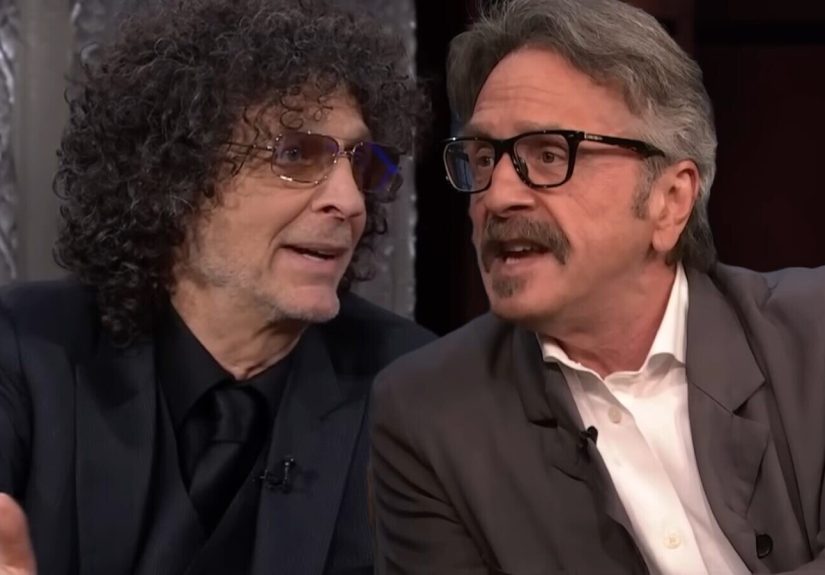
The headline practically writes itself: Marc Maron doesn’t want to overstay his welcome like Howard Stern. That does not mean Maron sees Stern as a failure. Far from it. Howard Stern is one of the most influential broadcasters in American media history, a performer whose move from terrestrial radio to SiriusXM changed subscription audio. But Stern’s late-career longevity also raises a tricky question for every aging media giant: when does being legendary turn into being furniture?
Maron appears determined not to find out the hard way. After 16 years, more than 1,600 episodes, countless vulnerable celebrity interviews, and enough garage-based introspection to power a small therapy co-op, he and longtime producer Brendan McDonald decided that WTF had reached its natural finish line. The decision was not framed as scandal, defeat, or algorithmic panic. It was framed as fatigue, satisfaction, and control. In a business where people often cling to the microphone until the microphone files for emotional separation, that is quietly radical.
Why Marc Maron Ending WTF Matters
WTF with Marc Maron launched in 2009, when podcasting still felt like something you explained to your least tech-savvy uncle at Thanksgiving. Maron was not entering the space from a position of shiny dominance. He was a veteran stand-up, bruised by professional disappointments, recently out of radio, and searching for a format that could hold his intensity without trimming it into tidy segments.
That format became his superpower. WTF was not polished in the traditional media sense. It had rough edges, emotional weather, personal monologues, grudges, reconciliations, and interviews that felt less like publicity stops and more like people getting caught being human. Maron’s garage became one of the most important rooms in modern American audio.
Over the years, guests included comedians, actors, musicians, writers, directors, and political figures. Barack Obama’s 2015 visit to Maron’s garage became a landmark moment not only for the show but for podcasting as a medium. A conversation with Robin Williams became one of the show’s defining episodes and was later recognized by the Library of Congress through the National Recording Registry. The Podcast Academy honored WTF with its inaugural Governors Award, recognizing its influence on the industry.
In other words, Maron is not walking away because the show never mattered. He is walking away because it mattered so much that dragging it past its best emotional purpose would feel dishonest.
The Howard Stern Comparison: Legacy, Longevity, and the Danger of Staying Too Long
Howard Stern’s career is an entirely different beast. Stern dominated traditional radio, became a lightning rod for controversy, reshaped celebrity interviewing, moved to SiriusXM in 2006, and built a subscription-audio empire around his name. His endurance is astonishing. His influence is obvious. His bank account, one assumes, is not clipping coupons.
But Stern also represents the complicated reality of staying on top for decades. The longer a show continues, the more it has to answer the same question: is it still alive, or is it being maintained? Fans who once needed every minute may begin talking about the old days. Critics compare the current version to the dangerous, unpredictable, wildly popular version that made the host famous. Even loyal listeners can become historians, measuring every new segment against the myth of what came before.
That is the trap Maron seems to understand. For a performer whose brand is emotional truth, overstaying would be especially damaging. WTF depended on curiosity. It depended on Maron being engaged, restless, sometimes irritated, sometimes moved, but always present. If the host began doing it simply because the feed existed, the entire premise would crack.
Maron’s Exit Is a Creative Decision, Not a Disappearance
One of the smartest parts of Maron’s decision is that he did not confuse ending a show with ending himself. He has stand-up, acting, writing, and whatever strange future project his nervous system decides is survivable. He is not retreating into a cave, unless the cave has decent coffee and a recording setup.
That distinction matters. Many creators struggle to separate identity from output. A podcast becomes a job, then a brand, then a prison with merch. The feed must be fed. The audience must be reassured. The sponsors must be served. Suddenly, the thing that began as freedom becomes another machine humming in the basement.
Maron and McDonald built WTF as an independent operation with a distinct voice and rhythm. That independence gave the show its soul, but it also meant the labor was personal. Twice-a-week excellence for 16 years is not casual work. It is a marathon run while interviewing celebrities and occasionally arguing with your own memories.
What WTF Changed About Podcasting
Before celebrity podcasting became a promotional requirement, WTF proved that audio could create intimacy in ways television rarely could. Maron’s conversations were long enough to wander, awkward enough to feel real, and emotionally specific enough to make listeners believe they were hearing something unavailable elsewhere.
It Made Long-Form Interviews Feel Essential
Maron did not invent the long interview, but he helped make it feel newly urgent in the podcast era. His style was not built around glossy questions. He often asked about childhood, failure, resentment, addiction, creative hunger, and the weird psychological machinery behind ambition. Guests came to promote projects, but the best episodes made promotion feel like an afterthought.
It Turned the Host’s Flaws Into Texture
Maron’s anxiety, ego, vulnerability, and self-interrogation were not hidden behind a broadcaster’s mask. They were part of the show. That approach influenced a generation of comedians and podcasters who realized that personality was not something to sand down. It was the product.
It Helped Legitimize Podcasting
When major cultural figures began sitting across from Maron, podcasting gained credibility. The medium was no longer just downloadable chatter. It became a place where serious conversations could happen outside legacy gatekeeping. Today, every celebrity has a podcast, appears on podcasts, or threatens to start one during a career lull. Maron was there before the gold rush got tacky.
Why Ending Well Is Harder Than Starting Big
Starting a show requires courage. Ending one requires taste. The entertainment industry rewards continuation, not conclusion. If something has an audience, the obvious business instinct is to keep squeezing. Add video. Add bonus tiers. Add live shows. Add a newsletter. Add a documentary about adding the newsletter. Before long, the original idea is buried under monetization accessories.
Maron’s choice cuts against that impulse. He is essentially saying: this did what it came here to do. That is rare. It is also mature in a field that often mistakes exhaustion for commitment.
The Howard Stern comparison works because Stern’s career shows both the power and the burden of longevity. Stern still has a platform, still has devoted listeners, and still commands industry attention. But every extension of a historic career invites fresh scrutiny. Is the show evolving, or is it preserving itself? Is the host still hungry, or simply obligated? Is the audience listening out of love, habit, or cultural muscle memory?
Maron seems unwilling to let WTF become a habit disguised as a living show.
The Emotional Contract Between Host and Audience
Podcasts create a strange relationship. A listener may spend hundreds of hours with a host who has no idea they exist. That bond is one-sided, but it can still be meaningful. Maron understood this better than most because he made the one-sidedness feel personal without pretending it was mutual friendship.
For many listeners, WTF was a routine: Monday and Thursday, Maron in the ears, some confession, some comedy history, some guest revealing more than expected. Ending that ritual is not nothing. It is like a favorite coffee shop closing because the owner finally admitted the espresso machine has been screaming for years.
But ending also protects the memory. A show that leaves while people still care becomes a body of work. A show that lingers too long risks becoming homework. Maron’s exit gives listeners permission to miss the podcast rather than slowly unsubscribe from it.
What Creators Can Learn From Marc Maron
The lesson is not “quit before you get old.” That would be silly, and also terrible advice for anyone with rent. The lesson is to know the difference between growth, maintenance, and depletion.
Maron recognized that the show’s value came from attention and emotional energy. Once those resources were no longer renewable at the level the work deserved, ending became a creative act. That is useful for podcasters, writers, YouTubers, comedians, musicians, and anyone whose work depends on a direct relationship with an audience.
There is dignity in leaving a room while the conversation still has warmth in it. There is strategy in protecting your legacy from your own need to continue. And there is wisdom in understanding that the audience does not only remember how you arrived. They remember how you left.
Experience-Based Reflections: The Fear of Staying Too Long
Anyone who has followed a favorite show, artist, podcast, or public figure for years knows the strange feeling of watching affection turn into obligation. At first, you are excited when a new episode drops. Then you are comforted. Then, at some point, you may realize you are listening mostly because you have always listened. That is not betrayal. That is human behavior. Familiar voices become part of the furniture of daily life.
The problem comes when creators confuse familiarity with vitality. A loyal audience can keep showing up long after the spark has dimmed. Listeners may forgive repetitive stories, slower pacing, weaker guests, and recycled opinions because the host has been with them through commutes, breakups, boring jobs, gym attempts, and dishes that somehow multiply in the sink. Loyalty is beautiful, but it can also delay honest endings.
That is why Maron’s decision feels refreshing. He appears to understand that a show like WTF is not merely content. It is a relationship built on trust. If the host no longer has the appetite to do the work at the level that made the audience care, continuing can become a polite form of erosion. Nobody notices it all at once. The intro still plays. The guest still arrives. The ads still run. But the invisible charge is gone.
Many people have experienced this in smaller ways. A workplace project that once felt exciting becomes a weekly meeting everyone secretly resents. A group chat that used to be hilarious becomes a museum of thumbs-up reactions. A creative hobby turns into a schedule, then a burden, then a thing you defend because admitting you are tired feels like failure. Maron’s exit suggests another option: you can be grateful and finished at the same time.
There is also a practical lesson in how he framed the ending. He did not burn the house down for drama. He did not blame audiences, platforms, culture, or some mysterious villain named “the algorithm,” though the algorithm probably deserves side-eye in general. He simply acknowledged the work, the fatigue, and the satisfaction. That is a grown-up ending, which is rarer than a podcast host who says, “Let’s unpack that,” only once.
The Howard Stern comparison sharpens the point because Stern’s ongoing career shows how difficult it is for legends to leave. When someone has defined a medium, retirement is never just retirement. It becomes a referendum. Fans argue. Critics pounce. Business partners calculate. The legend has to compete with his own younger self, which is unfair because younger selves have better lighting in memory.
Maron seems to be choosing a lighter burden. Instead of forcing WTF to battle nostalgia forever, he is allowing it to become a completed chapter. That does not make him less ambitious. It may make him more creatively alert. A finished work can breathe. An endless work has to keep proving it deserves oxygen.
For audiences, the ending is bittersweet. Losing a familiar voice can feel oddly personal, even when the relationship was always mediated through headphones. But there is a gift in a clean conclusion. It tells listeners that the years mattered. It says the show was not just a machine built to run until parts fell off. It had shape, purpose, and an ending chosen by the people who made it.
That may be the most Maron thing about the whole decision. Beneath the crankiness, the jokes, the restless self-analysis, and the old-comic war stories, there has always been a search for authenticity. Ending WTF before it becomes a tired imitation of itself is not a retreat from that authenticity. It is a final expression of it.
Conclusion
Marc Maron’s decision to end WTF with Marc Maron is not just a podcasting news item. It is a case study in creative timing. In an industry that often rewards endless extension, Maron is choosing an ending with intention. The comparison to Howard Stern is not about declaring a winner between two audio icons. It is about two different models of legacy: one built on continuing the institution, the other on preserving the electricity of a specific era before it fades into routine.
Maron helped define what modern podcast intimacy could sound like. He made the garage feel like a confessional, a comedy archive, a therapy-adjacent battlefield, and occasionally the most interesting press stop in America. By stepping away on his own terms, he gives WTF something many long-running shows never get: a clean final shape.
In the end, not overstaying your welcome is not about fear. It is about respect: for the work, for the audience, and for the person you become after the applause quiets down.
Note: This article is written for web publication in original language and is based on publicly reported information about Marc Maron, WTF with Marc Maron, Howard Stern, and the modern podcasting industry.