Table of Contents >> Show >> Hide
- What Exactly Is iPhone Air?
- Why the Design Matters More Than the Spec Sheet
- Performance: The “Air” Name Does Not Mean Lightweight Internals
- Camera Setup: Smart, Capable, and Slightly Minimalist
- Battery Life: Good, Not Magical, and That Is the Point
- Who Should Buy iPhone Air?
- What the iPhone Air Experience Feels Like in Real Life
- Conclusion
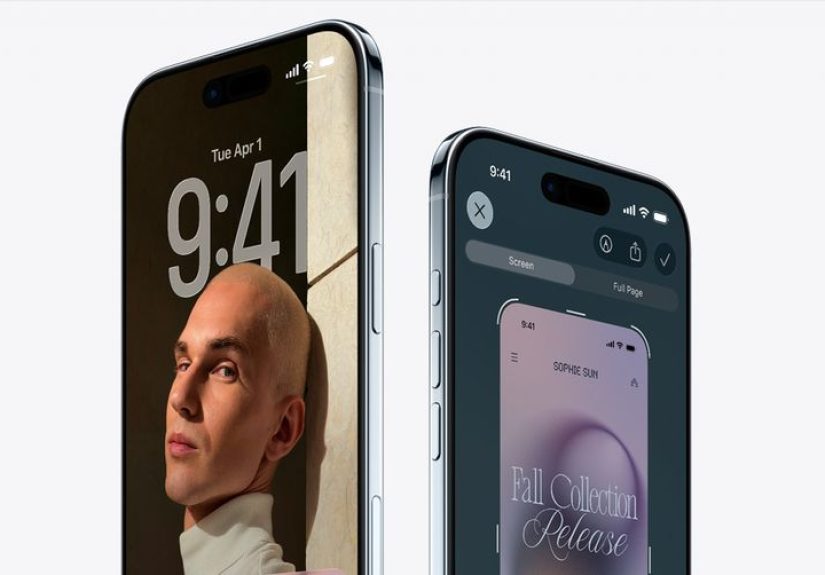
Some phones try to impress you with brute force. Bigger camera hump. Bigger battery brick. Bigger everything. Then along comes iPhone Air, looking like it skipped leg day, arm day, and basically every day at the gym, yet still showed up ready to outperform half the room. That is the trick here. iPhone Air is Apple’s ultra-thin iPhone, but it is not a stripped-down fashion accessory pretending to be a flagship. It is a genuinely premium phone that happens to feel like it was ironed flat.
That is what makes iPhone Air interesting. Apple did not just shave a little weight off an existing model and call it a day. It built a device around the idea that a phone can feel dramatically lighter and slimmer in your hand without turning into a glorified email checker. The result is a device that feels futuristic the moment you pick it up, but still gives you the modern iPhone essentials people actually care about: a bright high-refresh display, strong performance, Apple Intelligence features, capable cameras, USB-C, MagSafe, and all-day usability.
Of course, no engineering magic trick comes free. Thinness has a price, and on iPhone Air that price shows up in battery anxiety for heavy users, fewer camera options than the Pro models, and a value equation that depends entirely on whether you care about feel as much as features. If that sounds dramatic, welcome to smartphone shopping in 2026, where everyone wants the best camera, best battery, best display, and a phone that somehow weighs as much as a sticky note.
What Exactly Is iPhone Air?
iPhone Air is Apple’s thinnest iPhone to date, built around a slim profile that still delivers flagship-level speed and premium materials. It sits in a sweet spot that is neither “entry-level and practical” nor “Pro model with every bell, whistle, lens, and extra ounce.” Think of it as the iPhone for people who want the wow factor every single time they pull a phone out of their pocket.
On paper, the specs are still serious. iPhone Air features a 6.5-inch Super Retina XDR OLED display with ProMotion up to 120Hz, an A19 Pro chip, Apple’s C1X modem, Apple’s N1 wireless chip, an Action button, Camera Control, MagSafe, Qi2 charging, IP68 water and dust resistance, and an eSIM-only design. In other words, this phone may look like it is surviving on green juice and self-confidence, but under the hood it is not messing around.
Why the Design Matters More Than the Spec Sheet
Let’s be honest: smartphone design has been a little sleepy lately. Slab. Glass. Metal. Slightly different slab. Slightly shinier glass. iPhone Air breaks that routine because its thinness is not just visible; it is physical in a way most yearly upgrades are not. You do not need a benchmark app to notice it. You notice it when you pick it up with two fingers. You notice it when it slips into jeans, a blazer pocket, or a tiny bag without creating a rectangle-shaped bulge that screams “yes, I carry a miniature tablet everywhere.”
Apple paired that thin build with premium materials, including a titanium frame and updated Ceramic Shield protection. The design is not merely decorative. It is structural. Apple clearly understood that if you release a very thin phone, the first question from every reasonably suspicious person on the internet will be, “Cool, but does it fold when I sit down?” The company’s answer was to build the chassis to feel rigid and reassuring rather than delicate.
The phone’s rear camera layout also tells the story. Instead of pretending thinness changes nothing, Apple reshaped the back around a camera plateau that makes room for the imaging system, speaker, and internal components while preserving as much battery space as possible. It is a design compromise, yes, but also an honest one. iPhone Air is not hiding its priorities. It is telling you: “I am thin on purpose, and yes, engineering is hard.”
Performance: The “Air” Name Does Not Mean Lightweight Internals
Here is where iPhone Air avoids becoming a gimmick. Apple gave it the A19 Pro chip, which means the phone feels fast, polished, and built for more than casual scrolling. Everyday tasks are instant. Multitasking is smooth. Gaming performance is strong. AI-assisted features do not feel like they are dragging the phone through molasses. For a device that looks almost improbably slim, that matters a lot.
The display also helps sell the premium experience. ProMotion up to 120Hz makes animations and scrolling feel fluid, while the Always-On display keeps notifications, widgets, and time visible without making you constantly wake the phone. Brightness is another win. Outdoors, iPhone Air is easier to see than many phones that are technically thicker and supposedly tougher. That is the kind of quality-of-life upgrade users feel every day, even if they never once say the phrase “peak outdoor brightness” at dinner.
Wireless performance is another quiet strength. Apple’s N1 chip supports Wi-Fi 7, Bluetooth 6, and Thread, while the C1X modem is designed for better efficiency. This combination matters because thin phones do not get much forgiveness. If battery life is going to be tighter, the rest of the system has to work smarter. iPhone Air seems built around that exact idea: squeeze every bit of useful performance from every bit of available space.
Camera Setup: Smart, Capable, and Slightly Minimalist
iPhone Air is not trying to out-Pro the Pro. That is obvious the moment you look at the camera system. Instead of a big multi-lens array, you get a 48MP Fusion main camera that can also deliver optical-quality 2x shots. For most people, that covers the photography they actually do every day: kids, pets, food, vacations, screenshots turned into regrettable memes, and the occasional sunset that somehow never looks as dramatic in real life as it did five seconds earlier.
Where iPhone Air shines is in simplicity. The main camera is good enough that casual users will get sharp, vibrant results without feeling like they need a photography course and a spreadsheet. The front camera is also more interesting than it might sound. Apple’s Center Stage camera adds flexibility for selfies, video calls, and social content, especially if you hold your phone in different orientations.
That said, this is one of the clearest tradeoffs in the whole package. If you rely on ultrawide shots, long-range zoom, or the creative flexibility that comes from multiple dedicated rear lenses, the Pro models still earn their higher prices. iPhone Air’s camera system is capable, polished, and very usable, but it is not the lineup’s most versatile setup. That is not a flaw so much as a decision.
Battery Life: Good, Not Magical, and That Is the Point
The question hanging over iPhone Air from day one has been battery life. Whenever a phone gets thinner, people assume the battery got tossed out of a window somewhere during the design process. Apple’s official battery claims are respectable, and real-world impressions suggest iPhone Air performs better than the cynics feared. Still, this is not the endurance king of the iPhone family.
For moderate users, iPhone Air should get through a normal day without turning into a tiny stress machine. For heavy users, especially people who game, shoot lots of video, navigate for hours, or live on 5G, it is more of a “keep an eye on it” device than a “forget about the battery until bedtime” one. Apple clearly knew this concern would come up, which is why the phone’s efficiency story is so central. Thinness forced smarter power management, not just a smaller power reserve.
If battery life is your number one buying criterion, the iPhone 17 or Pro Max will make more sense. But if you value comfort, portability, and a lighter phone that still lasts through ordinary use, iPhone Air lands in a reasonable place. It does not break physics. It just negotiates with it more cleverly than expected.
Who Should Buy iPhone Air?
Buy it if you care about comfort every single day
Most smartphone features are situational. You use zoom on vacation. You use cinematic video on weekends. You use emergency satellite features when you really, really hope you never need them. But size and weight? You feel those every minute. If you are tired of phones becoming heavier, thicker, and less pleasant to carry, iPhone Air solves a problem you notice constantly.
Buy it if you want flagship polish without the full Pro bulk
iPhone Air gives you a premium display, strong performance, modern connectivity, Apple Intelligence support, and a polished day-to-day experience. It feels expensive because it is, but at least it feels expensive in your hand and not just on your receipt.
Skip it if battery or cameras are your obsession
If your dream phone is basically a pocket DSLR welded to a power bank, iPhone Air is not your soulmate. The Pro models are still the better answer for camera flexibility and battery confidence.
What the iPhone Air Experience Feels Like in Real Life
Living with iPhone Air is less about discovering one killer feature and more about realizing how many small annoyances vanish when a phone becomes dramatically easier to handle. The first experience most people will have is simple surprise. You pick it up and mentally prepare for “nice, a slightly slimmer iPhone,” then your brain corrects itself with, “Oh. This is actually different.” That reaction matters because most modern smartphones do not feel meaningfully different anymore. iPhone Air does.
That thin-and-light feeling changes your relationship with the phone throughout the day. It is easier to use while standing in line with one hand. It feels less tiring during long reading sessions. It disappears into a pocket, purse, or jacket in a way many modern flagships simply do not. If you have ever had a phone drag down gym shorts or jab your hip through a pair of jeans, iPhone Air feels like Apple finally acknowledged that human beings have bodies and pockets, not just benchmark charts.
There is also a psychological effect to the design. Slim devices feel fast, even before you do anything on them, because the physical object suggests efficiency. With iPhone Air, that feeling is backed up by real responsiveness. Apps launch quickly, scrolling feels fluid, and the 120Hz display adds that glossy, high-end smoothness people immediately notice even if they cannot explain why the phone feels nicer. It is the digital equivalent of a door in a luxury car shutting with a satisfying thunk. You may not need it, but once you notice it, you absolutely appreciate it.
The camera experience is similarly shaped by expectation. If you come from a Pro model, you may miss extra lenses. If you come from a regular iPhone, iPhone Air can feel refreshingly straightforward. Point, shoot, get a good result, move on with your life. That sounds basic, but basic is underrated. Not every user wants their phone to be a film studio. Many just want a reliable camera that gets skin tones right, handles low light decently, and does not make them work for a solid shot of dinner, a dog, or a child moving at the speed of chaos.
Battery life is where the experience becomes more personality-dependent. Light and moderate users may wonder what all the panic was about. Heavy users will understand immediately. iPhone Air is not the phone you buy because you want to ignore charging for as long as possible. It is the phone you buy because the pleasure of using something this slim outweighs the extra attention battery life may require. That is not for everyone, but it is a real tradeoff many people will happily make.
Over time, that is what defines the experience: iPhone Air feels intentional. It does not try to be every iPhone for every buyer. It knows exactly what it is. It is the iPhone for people who want premium performance in a device that feels almost improbably portable, elegant, and modern. In a market full of phones competing to add more hardware, more camera circles, more thickness, and more grams, iPhone Air wins by subtraction. Strangely enough, that makes it feel like one of the boldest phones Apple has made in years.
Conclusion
iPhone Air is not the best iPhone for every shopper, and that is precisely why it works. It does not exist to dominate every comparison chart. It exists to make the physical experience of using a phone feel fresh again. Apple packed in a premium display, fast silicon, solid cameras, modern wireless features, and smart software, then wrapped it all in a body so slim it feels like a concept device that accidentally made it to store shelves.
The tradeoffs are real. Battery life is good rather than class-leading. The camera system is strong but not as flexible as the Pro lineup. And the price means this is not a casual “why not?” purchase. But if you care about comfort, portability, and that unmistakable wow factor, iPhone Air delivers something many new phones do not: a reason to feel excited when you pick it up. Barely there? Absolutely. Fully loaded? Close enough to make the argument very convincing.