Table of Contents >> Show >> Hide
- After One Woman’s Walk Home, Every Woman’s Fears Went Global
- Women’s Safety: The Fear You Don’t See, But They Always Feel
- Step One: Don’t Take It Personally – Take It Seriously
- Practical Ways Men Can Help Women Feel Safer in Public
- System Change vs. Everyday Change: We Need Both
- of Real-World Experience: What Men Are Actually Doing
- Conclusion: From “Not All Men” to “Always This Man”
After One Woman’s Walk Home, Every Woman’s Fears Went Global
On the night Sarah Everard disappeared while walking home in London in March 2021, millions of women around the world collectively sighed, “This is exactly what we’re afraid of.” Her murder by a serving police officer didn’t just shock the United Kingdom – it lit up a global conversation about women’s safety in public spaces, how normalized fear has become, and what, if anything, men can actually do to help change that.
In the days that followed, social media was flooded with women sharing the mental checklists they run through on every walk home: keys between fingers, headphones out, fake phone calls, dropping locations in group chats, planning “safe routes” like they’re low-budget secret agents. At the same time, a lot of men were genuinely stunned. They knew women were a bit worried, sure – but that worried? All the time?
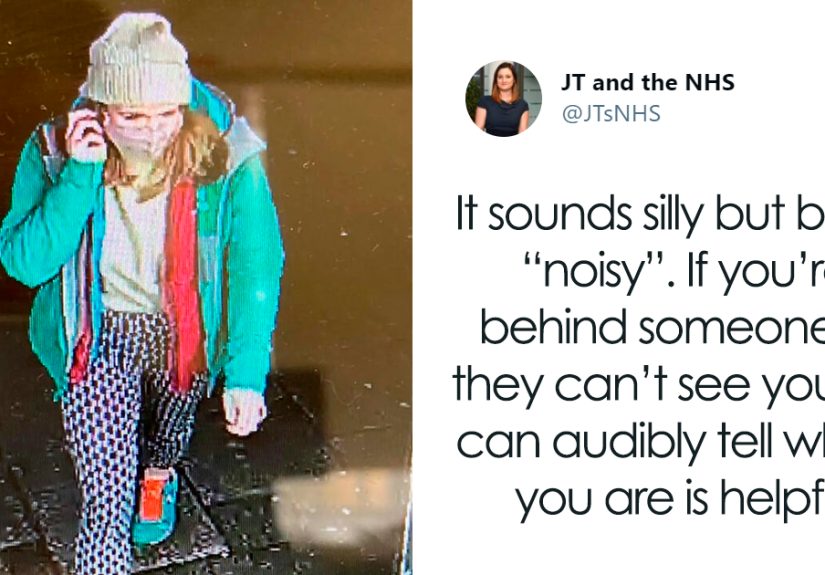
One widely shared Twitter thread asked a simple question: “Men, what are you actually doing to help women feel safe?” The replies from women were brutally practical – and unexpectedly hopeful. They didn’t ask for hero capes or dramatic rescues. They asked for distance on dark streets, solidarity when harassment happens, and for men to challenge other men instead of silently watching.
So let’s talk about that. If you’re a man who read about Sarah Everard and thought, “I don’t want women to be afraid of me – how do I help?”, this isn’t about guilt. It’s about becoming part of the solution in everyday, very doable ways.
Women’s Safety: The Fear You Don’t See, But They Always Feel
Before we jump into action steps, it’s worth understanding why this conversation even exists. It isn’t “just a feeling.” Surveys consistently show that women feel far less safe in public than men – especially after dark. One major survey found that around one in two women feel unsafe walking alone at night on a quiet street near home, compared to about one in seven men. In parks or open spaces after dark, four out of five women feel unsafe.
That fear doesn’t come from nowhere. Campaigners tracking violence against women in the UK have documented dozens of women killed every year in cases where a man is the main suspect. At the same time, experts point out that official crime statistics underestimate harassment and sexual violence, because many women never report what happens to them out of fear, shame, or the belief that nothing will change.
The result is a quiet, constant calculation happening in women’s heads: “Is this street okay? Is the guy behind me okay? Is the group at the bus stop okay?” You might be just a guy in a hoodie trying to get home, but in her brain, you’re a question mark she has to manage.
This is the key thing conscientious men need to understand: when women say “I’m scared,” they’re not saying you personally are a danger. They’re saying they live in a world where the risks are real, where they don’t get to know who’s safe and who’s not ahead of time.
Step One: Don’t Take It Personally – Take It Seriously
A lot of men’s first reaction is defensive: “But I would never hurt anyone!” Totally valid – and also not the point.
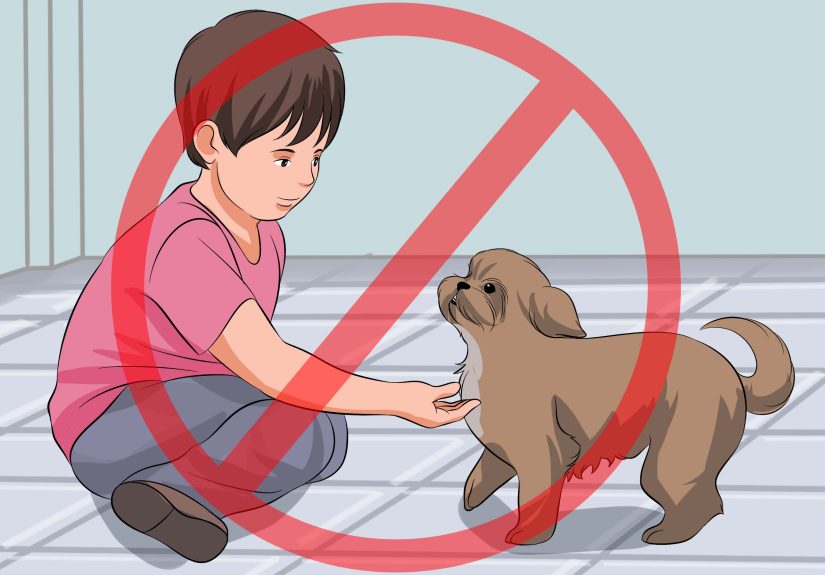
Imagine you’re walking through a neighborhood where a lot of dog attacks have been reported. Even if 99 out of 100 dogs are friendly, you’re going to be wary. You’re not mad at individual dogs. You’re aware of the risk. Women’s safety works a bit like that, except the “bite” can change their life forever.
So the first ally move is internal: instead of thinking, “She’s overreacting,” try, “Given what women deal with, her caution makes sense. What can I do in this moment to reduce, not increase, her stress?”
Practical Ways Men Can Help Women Feel Safer in Public
The good news: most of what women have asked for is surprisingly simple. No cape required, just awareness and small behavior shifts.
1. Give Space, Especially at Night
If you’re walking behind a woman at night, her brain is probably going: “Footsteps. Behind me. Don’t know him. Exit routes?” Experts who work on public safety suggest that when you find yourself in that situation, you can actively de-escalate the fear.
- Slow down or cross the street so you’re not right behind her.
- Don’t run up from behind. If you need to jog past, cross the road first.
- Avoid intense staring. Yes, even if you’re just zoning out – she doesn’t know that.
It might feel silly to adjust your pace for a stranger. But for her, that extra distance can be the difference between 10 minutes of fear and simply getting home.
2. Use Your Body Language to Signal “I’m Not a Threat”
You can’t walk around with a glowing halo that says “Nice Guy Here,” but body language helps:
- Keep your hands visible – not shoved deep in pockets near her.
- Avoid boxing anyone in at bus stops, on trains, or in elevators.
- If you’re passing in a narrow space, give a wide berth and a neutral, quick nod rather than a lingering look.
Think of it like “defensive driving,” but for walking: you’re showing that you see her, you respect her space, and you’re actively trying not to startle or corner her.
3. Be an Active Bystander When You See Harassment
One of the biggest things women say would help them feel safer? Other people, especially men, not staying silent when harassment or intimidation happens in public.
You don’t have to be a superhero. Groups like Right To Be and others teach the “5Ds” of bystander intervention – five different ways to step in that don’t require confrontation: Distract, Delegate, Document, Delay, and Direct.
- Distract: Change the subject, “accidentally” drop something, or start a random conversation with the target: “Hey, weren’t you in my class last year?”
- Delegate: Get help from a bus driver, security guard, bartender, or group of people nearby.
- Document: If it’s safe, record video or take notes – but only share it with the target later, never post without consent.
- Delay: Check in afterward: “I saw what happened. Are you okay? Do you need anything?”
- Direct: If it feels safe, calmly say something like, “That’s not okay. Leave her alone.”
The point isn’t to pick a fight. It’s to send the message that harassment is noticed, not silently tolerated.
4. Challenge “Locker Room Talk” and Casual Misogyny
Street harassment doesn’t come out of nowhere. It grows in environments where women are treated as punchlines, props, or conquests. That’s why so many violence prevention campaigns focus on men calling out other men long before anything physical ever happens.
Some simple ways to do that:
- Shut down “jokes” that rely on assault, coercion, or humiliation.
- Push back on comments that blame victims: “Why was she out that late?” “What was she wearing?”
- Back up colleagues who call this stuff out, so they’re not the only ones speaking.
You don’t have to deliver a TED Talk. A simple, “Not cool, man,” said consistently, can reshape what your friends think is acceptable.
5. Listen to Women Without Getting Defensive
When women talk about feeling unsafe, resist the urge to respond with stats, solutions, or Not All Men speeches. Instead:
- Ask, “What feels unsafe for you?”
- Believe them, even if you’ve never noticed those dangers.
- Ask, “What would actually help you feel safer in situations like that?”
You’ll notice a pattern: women rarely ask for chivalry. They ask for consistent, respectful behavior and for men to hold other men accountable.
System Change vs. Everyday Change: We Need Both
The Sarah Everard case triggered not just grief, but fury at institutions that are supposed to protect women. Recent reports have found that many police forces still lack basic policies for handling sexual offenses and haven’t fully implemented reforms aimed at identifying predatory behavior, even among their own officers.
Campaigners emphasize that women should not be the ones constantly adjusting their behavior – the focus must be on preventing male violence and holding systems to account.
But systemic change takes time, political will, and money. Meanwhile, women still have to get home from work tonight. That’s where individual men come in. You can’t personally reform a police force by tomorrow, but you can make your presence less threatening on a dark sidewalk, step in when someone’s being harassed, and challenge sexist behavior in your own circles.
Think of it this way: laws and policies build the walls of a safer world. Everyday actions are the bricks. We need both.
of Real-World Experience: What Men Are Actually Doing
Since Sarah Everard’s disappearance, a lot of men have quietly changed their habits. They’re not writing manifestos about it; they’re just trying to move through the world in a way that doesn’t activate someone else’s survival mode. Here are some lived-experience-inspired scenarios that show what that looks like in practice.
On the Walk Home
Jake, 29, leaves his office late and heads toward the train station. About halfway there, he notices a woman walking in front of him. Their route is the same. He’s walking faster than she is; his footsteps are getting closer.
Old Jake might not have thought twice. New Jake hears the whole conversation that might be happening in her head. So he crosses the street at the next light and lets her keep going ahead. He pulls out his phone, not to creepily record her but to answer a message for a minute so she can get some distance. He doesn’t say anything, doesn’t make a big show of being “nice.” He just removes himself as a potential source of anxiety.
On the Train
On a crowded commuter train, Sam sees a man standing too close to a woman, leaning in, ignoring her body language. She’s shrinking into her seat, staring hard at her phone.
Sam could tell himself it’s none of his business. Instead, he uses the “distract” strategy. He moves closer, looks at the woman and says: “Hey, sorry to bother you – I think this might be your stop next? They just announced it.” That gives her an opening. She stands up and says, “Yes, thanks,” even though it’s not her stop, and Sam steps into the spot between her and the man as she moves away. No hero music, no viral video. Just a quiet exit ramp from a scary situation.
In the Group Chat
In a friends’ group chat, one guy sends a meme making light of spiking drinks. A few years ago, it would have gotten laughing emojis and maybe a follow-up “joke.” Now, after seeing story after story of women being drugged on nights out, Chris replies: “Nah, man. Stuff like this is exactly what makes women not want to go out with us. Not funny.” Another friend backs him up.
The chat goes quiet for a beat, then shifts to talking about weekend plans. It’s awkward for 10 seconds, but that’s how norms move: someone is brave enough to make it awkward.
At Work
During an after-work drink, a male colleague keeps “joking” about how a woman on the team only gets attention because she’s attractive. She laughs it off, clearly uncomfortable. The next day, another male colleague takes him aside: “Hey, that stuff you said last night? It puts her in a weird position and honestly makes the space feel less safe. You might not mean it that way, but it’s not okay.”
Is that a fun conversation? Absolutely not. Is it necessary? Yes. Culture doesn’t change because women ask for it politely; it changes when the people benefiting from it decide they don’t want that version of masculinity anymore.
Checking In, Not Checking Boxes
None of these men are perfect. They’ll still get things wrong, still miss moments, still be learning. The point isn’t to collect allyship gold stars. The point is to reduce the gap between how safe men feel and how safe women actually are, one interaction at a time.
If you’re a man reading this and wondering where to start, here’s the simple checklist:
- Believe women when they say they’re scared.
- Adjust your behavior in public spaces – more distance, less looming.
- Step in safely when you see harassment.
- Challenge your friends when they dehumanize women, even as a “joke.”
- Keep listening, keep learning, keep trying.
No single man can fix the world that failed Sarah Everard and countless other women. But millions of men making small, consistent changes? That can reshape how it feels to simply walk home.
Conclusion: From “Not All Men” to “Always This Man”
The conversation sparked by Sarah Everard’s disappearance asked men a confronting question: “What are you doing to make women feel safer?” Not safer in theory, not safer in a think-piece, but safer tonight, on this street, in this bar, on this train.
Being that man doesn’t mean living in constant guilt. It means living with conscious care. It’s choosing to be the kind of presence that lowers the temperature instead of raising it. It’s trading “Not all men are like that” for “I am actively, visibly not like that.”
In a world where women are still planning escape routes just to get home, that shift is powerful. And while it won’t undo what happened to Sarah Everard, it honors her – and every woman whose story never made the headlines – by refusing to accept fear as the default setting.