Table of Contents >> Show >> Hide
- What a “menopause patch” actually is
- What the patch can help (and what it can’t)
- Why the patch is different from a pill
- The biggest benefits
- The not-so-fun parts: side effects and risks
- Who should think twice (or not use it)
- How to use a menopause patch without becoming a human Post-it note
- Timing and personalization: why the same patch isn’t for everyone
- A quick word on the 2025 label shake-up
- Alternatives when a patch isn’t right for you
- Bottom line
- Experiences With Menopause Patches: What People Notice in Real Life
If menopause had a customer service desk, hot flashes would be the manager, night sweats would be the assistant manager,
and sleep would be the employee who “went on break” in 2020 and never came back. Enter the menopause patch: a tiny,
discreet sticker with a big jobdelivering hormones through your skin to help calm the chaos.
But let’s be honest: anything that can make you feel better that fast usually comes with fine print. This article breaks
down what menopause patches do, who they help most, where the risks live, and how to use them smartly (without turning
your bathroom into a graveyard of peeled-off adhesives).
What a “menopause patch” actually is
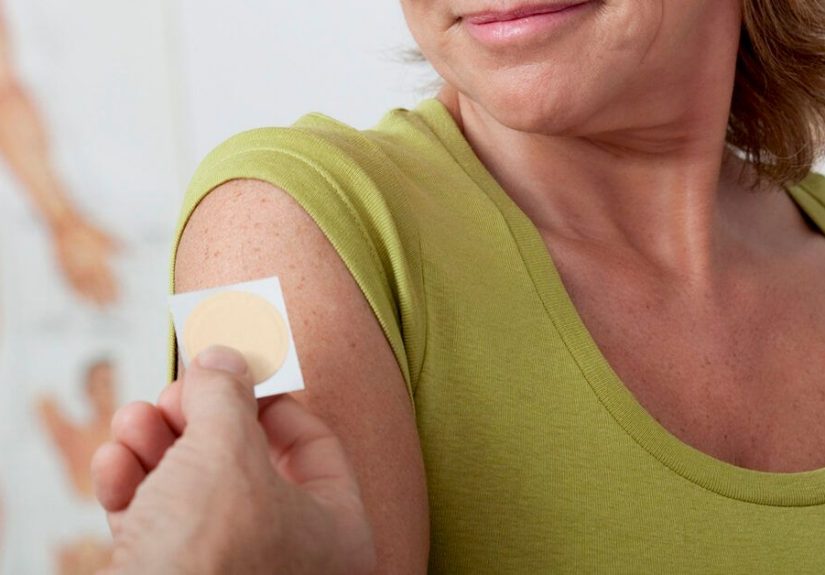
A menopause patch is a type of transdermal hormone therapymeaning it delivers medication
through the skin and into the bloodstream. Most menopause patches contain estradiol, a form
of estrogen that’s commonly used for menopausal hormone therapy.
Estrogen-only vs. combination patches
Not all patches are the same, and the difference matters:
-
Estrogen-only patches (estradiol): Often used for people who do not have a uterus
(for example, after a hysterectomy). -
Combination patches (estrogen + a progestin): Used for people who still have a uterus,
because adding a progestogen helps protect the uterine lining. -
Mix-and-match approach: Some people use an estrogen patch and take progesterone in another form
(such as a pill). The goal is the same: symptom relief plus uterine protection when needed.
What the patch can help (and what it can’t)
Menopause patches are considered a form of systemic hormone therapy, which means the hormone circulates
throughout the body. That makes them useful for certain symptomsespecially the ones that make you feel like you’re
living inside a malfunctioning thermostat.
Hot flashes and night sweats (vasomotor symptoms)
This is the patch’s main “headline act.” Systemic hormone therapy is widely recognized as the most effective treatment
for moderate to severe hot flashes and night sweats. If your symptoms are frequent, disruptive, and affecting sleep or
daily function, that’s the lane where patches often shine.
Sleep, mood, and “why am I sweaty and angry at 3 a.m.?”
When hot flashes ease up, sleep often improves. Better sleep can have a domino effect on mood, focus, and energy. That
said, hormone therapy isn’t a universal fix for anxiety or depressionthink of it more like removing a loud alarm so
you can actually hear yourself think.
Vaginal and urinary symptoms
Some people notice improvement in dryness or irritation, but localized (vaginal) treatments are often preferred when
symptoms are primarily “down there” because they target the tissue directly and use much lower systemic doses. If your
main issue is vaginal dryness or recurrent urinary discomfort, your clinician may discuss local options first.
Bone loss prevention
Estrogen helps slow bone loss that accelerates after menopause. Systemic hormone therapy can help protect bone density
and reduce fracture risk in appropriate candidatesthough it’s typically prescribed for symptom relief, with bone
benefits considered a meaningful “also.”
Why the patch is different from a pill
A big reason patches are popular is that route matters. Swallowing estrogen sends it through the
digestive system and liver first. A patch delivers estrogen through the skin, which changes how the body processes it.
The liver detour you skip (first-pass metabolism)
Transdermal estrogen largely avoids “first-pass” processing in the liver. In normal-people terms: instead of going
through the body’s hormone paperwork department first, the medication takes a more direct route. This is one reason
clinicians often consider patches for people with certain metabolic concerns, or for those who want steadier hormone
levels.
Blood clot risk: why route matters
Research and clinical guidance have long suggested that oral estrogen has a stronger impact on clotting factors
than transdermal estrogen. For some patientsespecially those with risk factorsthis difference can matter in shared
decision-making. “Lower risk” is not “no risk,” but route is part of the risk conversation.
The biggest benefits
1) Symptom relief you can actually measure
Many people can track improvements in a very practical way: fewer hot flashes per day, fewer wake-ups at night, less
“I just walked into a furnace” feeling during normal activities like… opening the mailbox.
2) Steadier delivery, fewer peaks and valleys
Patches can provide more stable estrogen levels than some oral regimens. For people who feel emotionally or physically
“spiky” with changing hormone levels, that steadiness can be appealingagain, depending on individual response and dose.
3) Convenience (when it behaves)
Many patches are worn for several days at a time. No daily pill reminder, no rummaging through a purse, no
“Did I take it or did I just think about taking it?” moment.
The not-so-fun parts: side effects and risks
Hormone therapy has real benefitsand real risks. The key is understanding which risks apply to you and how dose,
timing, and personal medical history change the picture.
Common side effects (often manageable)
- Skin irritation where the patch sits (itching, redness, rash).
- Breast tenderness or fullness.
- Headaches or mild nausea in some people.
- Spotting or irregular bleeding, especially early on or with regimen changes.
Skin reactions are the most “patch-specific” annoyance. Rotating sites and applying to clean, dry skin can help, but
persistent irritation should be discussed with a clinician.
Serious risks to know about
The major risks discussed with systemic menopausal hormone therapypatches includedcommonly involve:
- Blood clots (deep vein thrombosis or pulmonary embolism).
- Stroke and, in some cases, cardiovascular events depending on age and timing.
-
Breast cancer risk changes depending on whether estrogen is combined with a progestogen and how long
therapy is used. -
Endometrial (uterine) cancer risk if estrogen is used without progestogen in someone
who has a uterus. - Gallbladder disease (risk appears more pronounced with some oral regimens, but is still discussed).
The progesterone rule (uterus owners: this part matters)
If you have a uterus and use systemic estrogen, you typically need a progestogen (either in the patch or separately)
to reduce the risk of endometrial cancer. This is not a “nice-to-have,” it’s a core safety principle. Any unusual or
persistent vaginal bleeding during hormone therapy should be evaluated promptly.
Who should think twice (or not use it)
This is where the patch goes from “helpful sticker” to “only with careful medical guidance.” In general, clinicians
may avoid systemic estrogen therapy (or use extra caution) in people with:
- Unexplained vaginal bleeding
- Current or past estrogen-sensitive cancers (such as certain breast cancers)
- History of blood clots, stroke, or certain cardiovascular conditions
- Active liver disease
- Known clotting disorders (thrombophilias)
- Pregnancy (rare scenario in perimenopause, but important medically)
Only your clinician can weigh your full risk profile. The goal isn’t to scare anyoneit’s to avoid “surprise plot twists”
in your medical story.
How to use a menopause patch without becoming a human Post-it note
Placement and rotation
- Apply to clean, dry, cool skin (no lotions or oils firstthose can sabotage adhesion).
- Rotate sites to reduce irritation. Many people alternate sides of the lower abdomen or upper buttocks.
- Avoid broken, irritated, or very hairy skin (your patch deserves a stable home, not a drama-filled neighborhood).
Heat, workouts, swimming, and showers
Normal daily activities are usually fine, but prolonged heat exposure can sometimes affect adhesion and, in some cases,
medication absorption. If you’re a sauna enthusiast or a long-distance swimmer, mention it to your clinician so you
can troubleshoot proactively.
If it falls off
Follow the instructions that come with your specific productthis is one of the rare times “read the manual” is
genuinely the best advice. If detachment happens often, your pharmacist or clinician can suggest adjustments
(different placement, different brand, or a different delivery method).
Timing and personalization: why the same patch isn’t for everyone
The “under 60 or within 10 years” idea
Major menopause guidance has emphasized that for many healthy, symptomatic women who start hormone therapy
before age 60 or within about 10 years of menopause onset, the benefit–risk balance is
often more favorable than starting later. That doesn’t mean “everyone should start,” and it definitely doesn’t mean
“hormones prevent all diseases.” It means timing and individual context change the math.
Two realistic (fictional) examples
Example A: A 52-year-old with intense hot flashes and frequent night wakings wants relief to function
at work. After reviewing family history and personal risk factors, a clinician discusses a low-dose estradiol patch and
an appropriate progestogen strategy (because a uterus is still present), with follow-up and periodic re-evaluation.
Example B: A 61-year-old with a prior blood clot and multiple cardiovascular risk factors wants help
with hot flashes. The clinician discusses nonhormonal options first, because the clot history changes the risk
calculuseven if a patch might be lower risk than pills.
A quick word on the 2025 label shake-up
Hormone therapy labels have been a source of confusion for years, largely because older studies were sometimes
interpreted too broadly. In late 2025, U.S. federal health agencies announced changes aimed at removing or revising
certain boxed-warning language for menopausal hormone therapy products. Importantly, this did not translate to
“hormones are risk-free” or “everyone should use them.” It was an attempt to better align labels with more nuanced,
modern evidence and differentiate between product types and patient populations.
Practically: if you’re researching online and see scary warning language, ask your clinician to help you interpret what
applies to your situation, your dose, and your route (patch vs. pill vs. local therapy).
Alternatives when a patch isn’t right for you
If hormones aren’t an optionor simply aren’t your preferencethere are still real tools available. Depending on the
symptom pattern, clinicians may discuss:
- Nonhormonal prescription options for hot flashes (including newer therapies in some cases).
- SSRIs/SNRIs for vasomotor symptoms in selected patients.
- Gabapentin (often helpful when night symptoms disrupt sleep).
- Cognitive behavioral therapy and targeted sleep strategies for coping and quality-of-life gains.
-
Lifestyle supports (cooling techniques, layered clothing, limiting triggers like alcohol/spicy foods),
which won’t erase symptoms for everyone but can reduce the daily burden.
Bottom line
A menopause patch can be a highly effective option for managing hot flashes and night sweats, and it may offer practical
advantages over pills for some people. The risksblood clots, stroke, certain cancers, and uterine safety issuesare real,
but they’re also highly dependent on timing, dose, formulation, and your personal health history.
If you’re considering a patch, the best next step is a straightforward conversation with a clinician:
“Here are my symptoms, here is my history, here is what I’m hoping for. What’s the safest way to get there?”
That’s not just medical adviceit’s good life advice with fewer hot flashes.
Experiences With Menopause Patches: What People Notice in Real Life
Clinical summaries are helpful, but real life is where the patch earns its paycheck (or gets fired). People who try a
menopause patch often describe the first week like a “wait… is this working?” phase. Hot flashes don’t always vanish
overnight, but many notice the volume slowly turning down: fewer sudden heat surges, less sweating during meetings,
and fewer nighttime wake-ups that feel like someone replaced the blankets with a toaster.
One of the most common “pleasant surprises” is sleep. Not because the patch is a sleep medication, but because fewer
night sweats can mean fewer wake-ups. And when sleep improves, everything else tends to follow: mood steadies, energy
comes back, and people often report feeling more like themselves. Some also describe a subtle boost in daily comfort
less of that edgy, revved-up feeling that can come with constant temperature swings.
The most common “ugh” moment is skin irritation. A patch can be tiny and still somehow find the exact spot your skin
hates most. Many people learn quickly to rotate locations and avoid applying right after lotion. There’s also a learning
curve around adhesion: swimmers, runners, and “I live in humidity” folks sometimes experiment with placement to find
the least sweaty real estate. And yes, some people have had the patch roll up at the edge like a sticker that’s given up
on its dreams. (If that happens regularly, pharmacists and clinicians can suggest alternatives or different products.)
Another real-world experience: the patch can make routines simpleruntil it doesn’t. Some people love not taking a daily
pill, while others dislike the mental checklist of “Is today patch-change day?” A common trick is to anchor changes to a
weekly habit (like trash day or a recurring calendar reminder). People who do well often mention that consistency matters:
they avoid heat exposure that might loosen the patch, and they check it after showers like it’s a tiny, important houseplant.
Experiences also vary based on expectations. People who treat the patch like a “turn menopause off” button may feel
disappointed if they still have occasional symptoms. Those who view it as a tool to reduce severity and frequencyso they
can sleep, work, and live more comfortablytend to feel more satisfied. Many report that the best outcome isn’t perfection;
it’s getting their life back from constant discomfort. And almost everyone who has a good experience says a version of:
“I wish I’d had a clearer explanation of risks and options sooner.” That’s why the best patch journeys usually include
follow-ups, dose adjustments when needed, and periodic check-ins so the therapy stays aligned with real lifenot just the label.