Table of Contents >> Show >> Hide
- What Is Mouth Tape, Exactly?
- Why People Use Mouth Tape for Snoring
- Does Mouth Tape Actually Work for Snoring?
- What the Experts Tend to Agree On
- Is Mouth Tape Safe?
- Who Should Not Use Mouth Tape for Snoring?
- How to Tell Whether Snoring Might Be Something More Serious
- What Causes Mouth Breathing at Night?
- Safer and More Effective Alternatives to Mouth Tape
- If You Still Want to Try Mouth Tape
- Bottom Line: Is Mouth Tape Effective and Safe for Snoring?
- Common Experiences People Report With Mouth Tape for Snoring
- Conclusion
If social media is to be believed, a tiny strip of tape across your lips can apparently fix snoring, improve sleep, sharpen your jawline, align your chakras, and maybe file your taxes. Real life, sadly, is less dramatic.
Mouth tape for snoring has become one of those wellness trends that sounds beautifully simple: keep your mouth closed, breathe through your nose, and enjoy a quieter night. But when you look at what sleep experts, ENT specialists, and medical organizations actually say, the answer is a lot more nuanced. In some very specific cases, mouth taping may reduce mouth breathing and cut down on snoring. In other cases, it can be uncomfortable, ineffective, or downright risky.
So, is mouth tape effective and safe? The honest answer is this: it may help some people who snore because they sleep with their mouth open and can breathe clearly through their nose, but it is not a universal fix and it is not a safe DIY move for everyone. If your snoring is tied to nasal congestion, sleep apnea, or another airway problem, a strip of tape is not a miracle. It is more like putting a bandage on a smoke alarm.
What Is Mouth Tape, Exactly?
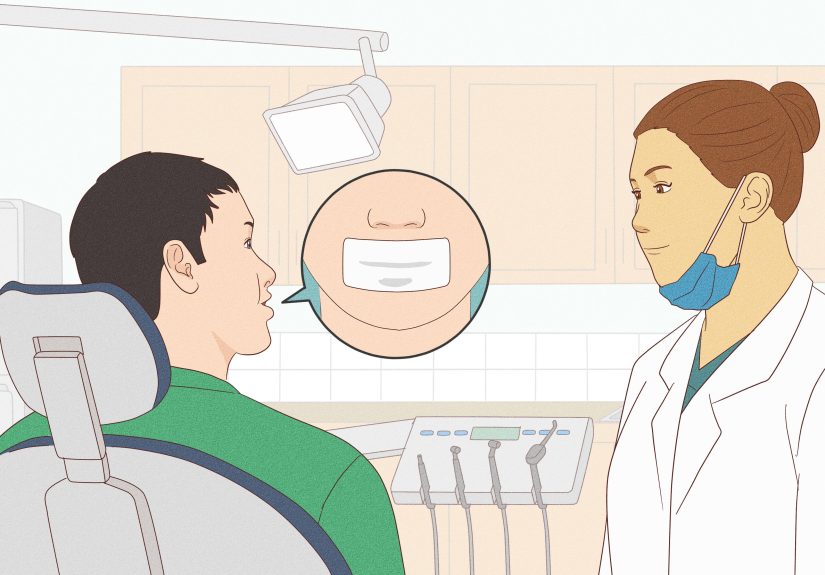
Mouth tape is exactly what it sounds like: an adhesive strip placed over the lips during sleep to encourage nasal breathing. The idea behind it is pretty straightforward. If your mouth stays closed, you are more likely to breathe through your nose, and nasal breathing may reduce dryness, help filter and humidify air, and possibly decrease the kind of open-mouth snoring that happens when soft tissues vibrate in the upper airway.
That logic is not completely off base. Nose breathing is generally the body’s preferred route when the nasal passages are open and functioning well. But the leap from “nasal breathing is beneficial” to “everyone who snores should tape their mouth shut” is where the internet tends to start improvising with crayons.
Why People Use Mouth Tape for Snoring
Most people try mouth tape for one reason: they want to stop snoring without investing in a bulky machine, a custom oral appliance, or a medical evaluation. It feels low-cost, low-effort, and oddly satisfying in a “life hack” kind of way.
People are usually hoping for one or more of these benefits:
- Less snoring from open-mouth sleep
- More nasal breathing at night
- Less dry mouth in the morning
- Fewer sleep disruptions for a partner
- A simpler alternative to other snoring treatments
And to be fair, some people do notice improvement. But that does not automatically mean the method is safe for widespread use, or that it is treating the real cause of the snoring.
Does Mouth Tape Actually Work for Snoring?
Sometimes, but not reliably, and not for every type of snorer.
Snoring happens when airflow becomes turbulent and soft tissues in the airway vibrate during sleep. That vibration can come from several issues, including nasal congestion, sleeping on your back, relaxed throat muscles, alcohol use, excess tissue in the airway, or obstructive sleep apnea. Because snoring has multiple causes, one solution rarely works for everybody.
Mouth tape may be most likely to help when a person:
- Primarily snores because they sleep with their mouth open
- Can breathe comfortably through their nose all night
- Does not have significant nasal obstruction
- Does not have untreated sleep apnea
There is some early research suggesting mouth taping may improve snoring in a carefully selected group of people, particularly mouth-breathers with mild obstructive sleep apnea. But the research is still limited, small, and far from strong enough to crown mouth tape as the anti-snoring hero of the decade. In fact, other research suggests forced mouth closure can make airflow worse in some people, especially if mouth breathing is serving as a workaround for an obstructed nasal route.
That is the key point many trend videos skip: mouth breathing is sometimes a symptom, not the problem itself. If your body is opening your mouth at night because your nose is blocked or your airway is narrowing, taping the lips closed may not solve the issue. It may just make sleeping harder.
What the Experts Tend to Agree On
Across major sleep and medical sources, the general message is pretty consistent: mouth tape is not considered a first-line treatment for snoring, and it should not be used as a substitute for evaluation if snoring might be related to sleep apnea.
That caution matters because loud, chronic snoring is not always harmless. Snoring can be one of the biggest warning signs of obstructive sleep apnea, a condition in which breathing repeatedly stops or becomes shallow during sleep. If that is what is going on, a strip of tape is not fixing the airway collapse. It is just asking your face to be more cooperative about a problem happening farther down the road.
Is Mouth Tape Safe?
It can be safe for some people, but it is not automatically safe just because it is sold online.
The biggest safety issue is simple: if your nose cannot carry all the airflow you need overnight, closing off your mouth can create breathing difficulty. That is why many sleep specialists and clinicians urge caution, especially in people who snore regularly, suspect they have sleep apnea, or have chronic nasal blockage.
Possible Risks of Mouth Taping
- Difficulty breathing if your nose is congested or structurally blocked
- Worsening anxiety or a panicky “I hate this immediately” feeling
- Skin irritation or lip irritation from adhesives
- False reassurance that delays proper diagnosis of sleep apnea
- Sleep disruption if the tape feels uncomfortable or restrictive
Even people who tolerate mouth tape well can run into practical problems. Allergies flare. Noses stuff up. One side of your septum decides to become dramatic at 2 a.m. Bodies are not static, and that is part of the problem with one-size-fits-all sleep hacks.
Who Should Not Use Mouth Tape for Snoring?
Mouth tape is generally a bad idea if you have any reason to believe nasal breathing is not consistently easy and reliable while you sleep.
You should avoid mouth tape or speak to a clinician before trying it if you:
- Have moderate or severe snoring
- Wake up gasping, choking, or with your heart racing
- Feel very sleepy during the day
- Have been told you stop breathing in your sleep
- Have chronic nasal congestion, allergies, sinus disease, or a deviated septum
- Have known obstructive sleep apnea
- Struggle with claustrophobia, panic, or adhesive sensitivity
- Have significant breathing problems at night for any reason
If any of those sound familiar, the smarter move is not stronger tape. It is getting evaluated for the reason you are snoring in the first place.
How to Tell Whether Snoring Might Be Something More Serious
Simple snoring and sleep apnea can overlap, which is why self-diagnosis gets messy fast. Snoring deserves more attention if it comes with symptoms like these:
- Witnessed pauses in breathing
- Gasping or choking during sleep
- Morning headaches
- Dry mouth on waking
- Poor concentration
- Unrefreshing sleep
- Excessive daytime sleepiness
- High blood pressure or known cardiovascular risk factors
In those cases, a sleep evaluation is far more useful than experimenting with overnight adhesives and hoping for the best.
What Causes Mouth Breathing at Night?
If you are breathing through your mouth in your sleep, it usually has a reason. Common causes include nasal congestion from allergies or illness, chronic sinus problems, enlarged tissues, a deviated septum, nasal polyps, or simply a habit that developed over time. Sometimes the body opens the mouth because it is trying to compensate for increased resistance in the nasal airway. In other words, your mouth may be doing extra credit because your nose called in sick.
This is why treating the cause often matters more than forcing a symptom to behave. If nasal blockage is behind the problem, improving nasal airflow may do more for snoring than mouth tape ever will.
Safer and More Effective Alternatives to Mouth Tape
If your goal is to reduce snoring safely, there are better-studied options worth considering.
1. Address nasal congestion
If allergies, sinus issues, or a stuffy nose are pushing you into mouth breathing, treating nasal obstruction may help. Depending on the cause, that may include saline rinses, allergy management, or other clinician-guided treatments.
2. Change your sleep position
Many people snore more when sleeping flat on their back. Side sleeping or head-of-bed elevation can reduce airway collapse in some cases and is often recommended as a simple first step.
3. Limit alcohol before bed
Alcohol relaxes upper-airway muscles and can make snoring worse. If your snoring gets louder after late-night drinks, your body has already handed you a clue.
4. Consider a medical evaluation for sleep apnea
If snoring is frequent, loud, or paired with other symptoms, a sleep study may be appropriate. This matters because effective sleep apnea treatment can improve not just noise levels, but sleep quality and overall health.
5. Ask about oral appliance therapy
For diagnosed primary snoring or some cases of obstructive sleep apnea, oral appliances prescribed through the proper clinical pathway may help keep the airway open. These are not the same thing as mouth tape, and they have a stronger evidence base for selected patients.
6. Use CPAP when indicated
For sleep apnea, CPAP remains one of the most effective treatments. It is not glamorous, but neither is waking up exhausted and sounding like a chainsaw with a head cold.
If You Still Want to Try Mouth Tape
The safest answer is to talk to a healthcare professional first, especially if you snore regularly. But if someone is determined to experiment, the basic rule is this: do not try it unless you can breathe comfortably through your nose before bed without effort.
Also, mouth tape should never be treated like a replacement for proper care. If it seems to “work,” that still does not tell you whether your snoring was harmless, positional, congestion-related, or actually part of sleep-disordered breathing.
A quiet night is nice. A quiet night that is also medically safe is nicer.
Bottom Line: Is Mouth Tape Effective and Safe for Snoring?
Mouth tape for snoring sits in that awkward middle zone between “not complete nonsense” and “definitely overhyped.” It may help a narrow group of people who snore mainly because of open-mouth sleeping and who have clear nasal breathing. But it is not a proven cure-all, and it can be unsafe for people with nasal blockage, airway issues, or possible sleep apnea.
If your snoring is occasional, mild, and clearly linked to mouth-open sleep, mouth tape may seem tempting. But if your snoring is loud, chronic, or comes with fatigue, gasping, headaches, or witnessed breathing pauses, skip the DIY detective work and get evaluated. Your airway deserves better than a trendy sticker and a pep talk.
Common Experiences People Report With Mouth Tape for Snoring
One reason mouth tape keeps trending is that the experience can feel very different from person to person. Some people try it and wake up thinking they have discovered a secret level of sleep. Others last about three minutes before peeling it off and announcing that breathing is, in fact, one of their top priorities.
A common positive experience is waking up with less dry mouth. People who normally sleep with their mouth hanging open often notice this first. Their throat feels less scratchy, their lips are not as dry, and their partner may say the snoring was softer or less frequent. That kind of result usually happens when the person already has decent nasal airflow and their snoring is tied more to mouth-open sleep than to significant airway collapse.
Another common report is that the first few nights feel strange, even if the tape is technically tolerated. Some people describe being unusually aware of their breathing, which can make falling asleep harder. Instead of drifting off peacefully, they become hyperfocused on every inhale like they are personally supervising their own respiratory system. That sensation often fades for people who adapt, but for others it creates enough discomfort or anxiety that the experiment ends quickly.
Then there are the people who discover they are much more congested at night than they realized. They may feel fine when they get into bed, but once they lie down, one nostril clogs, allergies kick in, or their nose simply does not move enough air. These users often describe waking up repeatedly, feeling uncomfortable, or removing the tape halfway through the night. In that case, mouth tape has not failed because they did it wrong. It failed because the nose was never a reliable all-night airway in the first place.
Some people also report skin issues. The lips and surrounding skin are delicate, and adhesive products are not exactly famous for their tender bedside manner. Even when a product is marketed as gentle, users may notice redness, irritation, or a general sense that their face did not appreciate being gift-wrapped for sleep.
Perhaps the most important experience, though, is the false sense of success that can happen when snoring gets a little quieter but the underlying problem remains. Someone may assume the issue is solved because their partner hears less noise, while symptoms like daytime sleepiness, morning headaches, or fragmented sleep continue. That is a big reason sleep specialists urge caution. Less noise does not always mean healthier sleep.
In real life, the mouth tape experience tends to be most positive for people with mild, straightforward mouth-breathing habits and the most negative for people whose snoring is actually a sign of congestion, nasal obstruction, or sleep apnea. That is why the best takeaway is not “mouth tape always works” or “mouth tape never works.” It is this: your experience will probably depend on why you are snoring, not how enthusiastically you shop for tape.
Conclusion
Mouth tape for snoring is one of those trends that sounds wonderfully simple, but sleep is rarely that cooperative. The technique may help a small group of people who can breathe easily through their nose and who mainly snore because their mouth falls open at night. For everyone else, especially people with chronic congestion or possible sleep apnea, it can be ineffective, uncomfortable, or unsafe.
The smartest strategy is to treat snoring like a clue, not just an annoyance. If the problem is mild and occasional, simple changes like improving nasal airflow and changing sleep position may help. If the snoring is loud, frequent, or paired with daytime fatigue or breathing pauses, it is worth getting checked out. In sleep medicine, the goal is not just silence. It is safe, steady breathing and better rest.