Table of Contents >> Show >> Hide
- Why Lowering Blood Pressure Naturally Matters
- 1. Start With Food: Your Fork Has More Influence Than You Think
- 2. Move More: Exercise Is Not Optional, but It Can Be Simple
- 3. If Weight Is a Factor, Even Modest Loss Can Help
- 4. Sleep More Seriously Than You Treat Your Streaming Queue
- 5. Manage Stress Without Pretending You Live on a Beach
- 6. Rethink Alcohol and Quit Smoking
- 7. Measure Blood Pressure the Right Way at Home
- When Natural Methods Are Not Enough on Their Own
- Your Download-Friendly Blood Pressure Checklist
- Conclusion
- Real-Life Experiences: What People Often Notice When They Lower Blood Pressure Naturally
- SEO Tags
Blood pressure has a funny way of acting like a quiet coworker who never says much but somehow controls the entire office. When it runs high, it often does not wave a red flag, bang a drum, or send a dramatic text. It just sits there, putting extra strain on your heart, blood vessels, brain, and kidneys. That is exactly why so many people go looking for practical, natural ways to lower blood pressure before it turns into a full-blown health headache.
This guide is built for real life, not for fantasy meal plans, six-hour workout routines, or the magical belief that one green smoothie can fix everything by Tuesday. Natural strategies can make a meaningful difference, especially when used consistently. They can also work alongside medical care if your blood pressure is already in the hypertension range. One important note up front: do not stop prescribed blood pressure medication on your own just because you have started eating spinach like a champion. Lifestyle changes are powerful, but they work best as part of a smart, steady plan.
Why Lowering Blood Pressure Naturally Matters
High blood pressure, also called hypertension, is not just a numbers game on a cuff in a pharmacy corner. Over time, it increases the wear and tear on your arteries and raises the risk of heart attack, stroke, heart failure, kidney disease, and other problems. The annoying part is that it often causes no obvious symptoms. You can feel perfectly fine and still have readings that are too high.
That is why natural blood pressure control matters so much. The habits that help reduce blood pressure also support your overall health. Eating better helps your cholesterol and blood sugar. Walking more helps your mood and sleep. Cutting back on alcohol helps your liver and waistline. Quitting smoking helps pretty much everything with a pulse. This is not a “one problem, one trick” situation. It is a full-body upgrade.
And no, the answer is not to become a monk who lives on kale and silence. The goal is to build habits you can actually keep.
1. Start With Food: Your Fork Has More Influence Than You Think
Try a DASH-style eating pattern
If there is one food plan that keeps showing up in blood pressure guidance, it is the DASH eating pattern. DASH stands for Dietary Approaches to Stop Hypertension, which is a name only a research committee could love. The good news is that the plan itself is not weird. It focuses on everyday foods: fruits, vegetables, beans, whole grains, nuts, seeds, low-fat dairy, and lean proteins such as fish or poultry.
Why does this approach work? Because it naturally shifts your diet toward fiber, minerals, and less sodium-heavy processed food. In plain English, it moves your plate away from “salty convenience food and regret” and closer to “real food your body recognizes.”
A DASH-style day might include oatmeal with fruit, a turkey and veggie wrap on whole-grain bread, yogurt, a handful of unsalted nuts, grilled salmon, brown rice, and roasted vegetables. Nothing flashy. Nothing miserable. Just solid nutrition that does not depend on a miracle powder.
Cut back on sodium without making every meal sad
One of the most effective natural ways to lower blood pressure is reducing sodium. That does not just mean hiding the salt shaker. Most sodium comes from packaged, processed, and restaurant foods. Bread, soup, frozen meals, pizza, deli meats, sauces, and snack foods can pile up sodium faster than you can say, “I thought this was healthy.”
To lower sodium in a way that feels doable:
- Read nutrition labels and compare brands.
- Choose “low sodium” or “no salt added” versions when possible.
- Rinse canned beans and vegetables.
- Cook more often at home, even if it is simple.
- Use garlic, pepper, lemon, vinegar, herbs, onion, cumin, paprika, or chili flakes for flavor.
Salt is not the only thing that makes food taste good. A chicken breast with rosemary, lemon, and black pepper is still delicious. A pile of French fries, meanwhile, may be tasty, but your blood pressure is not sending a thank-you note.
Get more potassium from food when it is safe for you
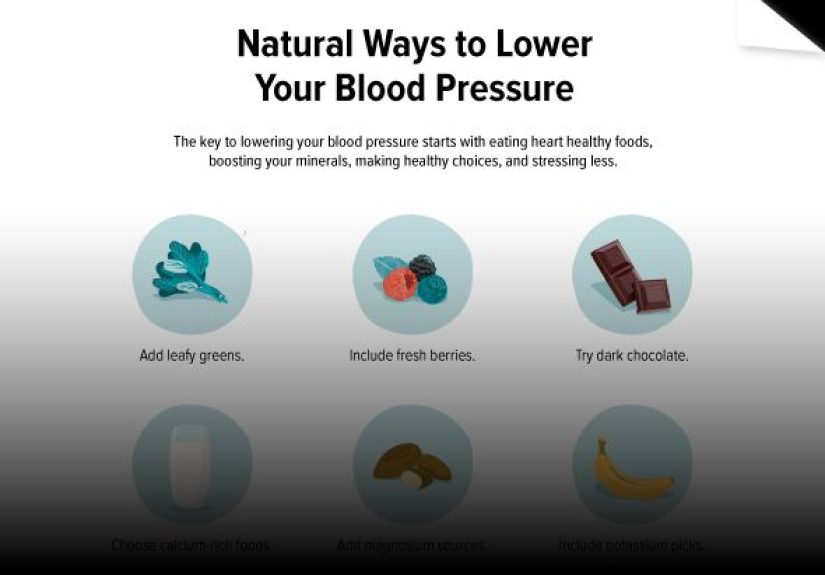
Potassium helps balance the effects of sodium and supports healthy blood pressure. Foods rich in potassium include bananas, potatoes, sweet potatoes, beans, spinach, tomatoes, yogurt, avocado, oranges, and dried fruit. Building meals around these foods can help shift the sodium-potassium balance in a healthier direction.
There is one important catch: if you have kidney disease or certain medical conditions, or if you take medications that affect potassium levels, you should talk with a clinician before you go all-in on potassium supplements or salt substitutes. Food-first is usually the safest lane, but personal health history matters.
Watch the “healthy” foods that are secretly working against you
Granola bars, bottled smoothies, flavored oatmeal, veggie chips, protein snacks, and canned soups can wear a health halo while still bringing too much sodium, sugar, or calories to the party. You do not need to fear every convenience food, but it helps to become a little label-savvy. Sometimes the best “natural blood pressure remedy” is simply buying fewer foods that come with a cartoon promise and a tiny ingredient panel full of surprises.
2. Move More: Exercise Is Not Optional, but It Can Be Simple
Regular physical activity is one of the most reliable ways to lower blood pressure naturally. You do not need a boutique fitness membership, matching neon outfits, or a personality change. You need consistency.
Brisk walking is a terrific place to start. So is cycling, dancing, swimming, mowing the lawn, or climbing stairs like you have a purpose. The sweet spot for many adults is regular moderate activity across the week, plus some strength work. The exact workout matters less than the fact that you keep doing it.
Exercise helps your blood vessels work better, improves circulation, supports weight control, reduces stress, and can improve sleep too. That is what experts call “multitasking.”
If you are new to exercise, start smaller than your ambition. Ten minutes after lunch. Fifteen minutes after dinner. A walk during phone calls. Light resistance bands in the living room. The worst fitness plan is the one that lives only in your imagination. The best one is the one that shows up on Tuesday when you are tired and not in the mood.
Strength training also deserves a seat at the table. Building muscle supports metabolism, healthy aging, and body composition. You do not need to train like a superhero. Bodyweight squats, wall pushups, resistance bands, and dumbbells are enough to start.
3. If Weight Is a Factor, Even Modest Loss Can Help
Not every person with high blood pressure is overweight, but when extra weight is part of the picture, losing some of it can help bring blood pressure down. This is especially true when the weight gain is around the waist.
The key word here is modest. You do not need a dramatic transformation montage. Even a realistic, steady drop in weight can improve blood pressure and make other healthy habits work better. That often happens when people combine a more balanced diet with regular movement, better sleep, and less alcohol.
Crash dieting is not the answer. It tends to backfire, and your blood pressure does not benefit from an all-or-nothing cycle of restriction followed by takeout-fueled rebellion. Sustainable change wins. Boring? Maybe. Effective? Absolutely.
4. Sleep More Seriously Than You Treat Your Streaming Queue
Poor sleep and high blood pressure are closely linked. Too little sleep, poor-quality sleep, and inconsistent sleep schedules can all make blood pressure harder to control. If your bedtime routine currently looks like “one more episode, two more scrolls, and a snack I did not plan,” you are not alone, but your blood pressure may not love the arrangement.
Aim for a regular sleep schedule and enough total sleep. That means going to bed and waking up at roughly similar times, keeping the bedroom dark and cool, limiting late caffeine, and putting some distance between your face and the glowing rectangle before bed.
Snoring loudly, choking awake, or waking up exhausted can be signs of sleep apnea, which is common in people with high blood pressure. In that case, better pillows are not the whole answer. A real medical evaluation matters.
Sleep is not lazy. Sleep is maintenance. Your heart, hormones, appetite, stress response, and blood vessels all care about it.
5. Manage Stress Without Pretending You Live on a Beach
Stress is part of life. Chronic stress, however, can nudge blood pressure in the wrong direction and encourage behaviors that make things worse, like overeating, drinking more, moving less, and sleeping poorly. The goal is not to become a calm woodland creature. The goal is to have a few tools that lower the volume when life gets loud.
Helpful stress-management strategies include:
- Slow, deep breathing for a few minutes.
- Mindfulness or brief meditation.
- Walking outside.
- Gentle stretching or yoga.
- Journaling.
- Talking with a friend, therapist, or support group.
Deep breathing sounds almost insultingly simple, but simple is not the same as useless. Slowing your breath can help shift your body toward a calmer state. It is not a cure-all, but it is a useful tool, especially because it is free and does not require shipping.
If your stress feels constant, heavy, or tied to anxiety or depression, getting professional mental health support is not a luxury. It is health care.
6. Rethink Alcohol and Quit Smoking
Alcohol: less can be better
Alcohol can raise blood pressure, especially when intake is heavy or frequent. A lot of people think of alcohol as a way to “take the edge off,” but regular overuse can quietly raise the baseline stress on your cardiovascular system. Cutting back often helps more than people expect.
If you drink, pay attention to how often and how much. “Only on weekends” can still add up. So can oversized pours that magically count as one drink in your mind and three in reality.
Smoking: a fast track in the wrong direction
Nicotine raises blood pressure, and smoking damages blood vessels. Quitting smoking is one of the strongest moves you can make for heart health. The benefits start quickly and build over time.
This also applies to other nicotine products. Your blood vessels do not care whether the nicotine arrived with a fancy package or a marketing team that said it was modern. Nicotine is nicotine.
7. Measure Blood Pressure the Right Way at Home
Home blood pressure monitoring is one of the smartest habits you can build. It helps you see patterns, avoid guessing, and bring useful information to your doctor. But accuracy matters. Taking a reading right after climbing stairs, arguing online, or drinking coffee while half-sitting on the couch is not exactly a masterpiece of scientific method.
For a better reading:
- Sit quietly for a few minutes first.
- Keep your back supported and feet flat on the floor.
- Rest your arm at chest height.
- Use the cuff on bare skin, not over clothing.
- Do not talk during the reading.
- Take readings at the same times of day when possible.
Write the numbers down or use an app so you can spot trends. One random reading is just one moment. A pattern over days or weeks is much more useful.
And because this is a guide about natural strategies, here is the honest truth: natural changes work better when you actually measure whether they are working.
When Natural Methods Are Not Enough on Their Own
Natural ways to lower blood pressure are effective, but they are not a contest against medical care. If your readings stay high, if you already have stage 1 or stage 2 hypertension, or if you have diabetes, kidney disease, or heart disease, you may need medication too. That is not failure. That is treatment.
Also, seek urgent medical care if your blood pressure is extremely high or if you have symptoms such as chest pain, shortness of breath, severe headache, confusion, weakness, or vision changes. This is not the time for herbal tea and optimism.
Your Download-Friendly Blood Pressure Checklist
- Fill half your plate with fruits and vegetables most days.
- Choose more beans, whole grains, nuts, fish, and low-fat dairy.
- Cut back on processed and restaurant foods high in sodium.
- Walk or do other moderate activity most days of the week.
- Add basic strength training a couple of times per week.
- Work toward a healthy weight if needed.
- Sleep on a regular schedule and aim for enough quality sleep.
- Practice stress reduction before stress picks your menu for you.
- Limit alcohol.
- Quit smoking and avoid nicotine.
- Check your blood pressure at home the right way.
- Stay in touch with your healthcare team.
If you want this guide to be genuinely downloadable, save the page as a PDF, print the checklist, or keep the key points in your notes app. Your blood pressure does not need a perfect plan. It needs one you will actually use.
Conclusion
The best natural ways to lower blood pressure are not secret, glamorous, or wrapped in influencer language. They are the steady basics: eat more real food, cut sodium, move often, sleep better, manage stress, drink less, avoid nicotine, and monitor your numbers. None of those habits will win a prize for drama, but together they can change the direction of your health.
Think of blood pressure control like steering a large ship. One tiny nudge may not feel impressive in the moment, but enough nudges in the right direction can change where you end up. Start with one or two changes, keep them going, and let consistency do the heavy lifting.
Real-Life Experiences: What People Often Notice When They Lower Blood Pressure Naturally
One of the most common experiences people describe is surprise. Not because the advice is shocking, but because the small habits actually add up. Someone starts walking twenty minutes after dinner because it feels manageable. A week later, they notice they are sleeping a little better. Two weeks later, they are less bloated because they cut back on salty takeout. A month later, their home blood pressure readings begin looking less chaotic. It is rarely one giant breakthrough. It is more like a series of quiet wins that finally decide to cooperate.
Many people also say the hardest part is not knowing what to do. It is doing the same useful things when life gets messy. The first grocery trip feels ambitious and healthy. The third one happens after work when everyone is tired, nobody wants to cook, and frozen pizza is giving a very persuasive speech from the freezer aisle. That is where real progress lives: not in perfect weeks, but in the imperfect ones. People who do well long term usually build backup plans. They keep low-sodium soup, plain yogurt, fruit, oats, eggs, frozen vegetables, beans, and other easy staples around so they do not have to start from zero every time life gets busy.
Another experience people often report is that reducing sodium changes their taste over time. At first, food can seem less exciting, and some people act as if their taste buds have been betrayed. But after a few weeks, many notice that restaurant meals and packaged snacks taste much saltier than they used to. In other words, your palate can adapt. You are not doomed to a lifetime of bland chicken and emotional disappointment.
Exercise experiences are similar. People often assume they need a complicated routine, then discover that walking consistently is enough to build momentum. Once that habit sticks, other habits tend to follow. A short walk turns into a longer walk. A longer walk leads to better sleep. Better sleep makes it easier to skip late-night snacking. That makes mornings feel better. Health habits often travel in packs.
People cutting back on alcohol or quitting smoking often notice benefits quickly, even before a big blood pressure change shows up on paper. They may feel less short of breath, less puffy, less jittery, or more in control. Some notice that their heart does not pound as much after climbing stairs. Others realize that what they called “stress relief” was actually a cycle that kept their body wound up.
And then there is the emotional side. Watching home blood pressure readings improve can feel reassuring, but seeing them stay elevated can feel discouraging too. That does not mean you failed. It means your body may need more time, more support, or medication in addition to lifestyle changes. Plenty of people experience the best results from combining healthy habits with medical treatment. The victory is not doing it “naturally enough.” The victory is lowering risk and protecting your future.
In the end, most people who succeed do not become perfect. They become practical. They stop chasing dramatic resets and start building repeatable routines. That is usually what makes the difference.